
Last updated November 15, 2026
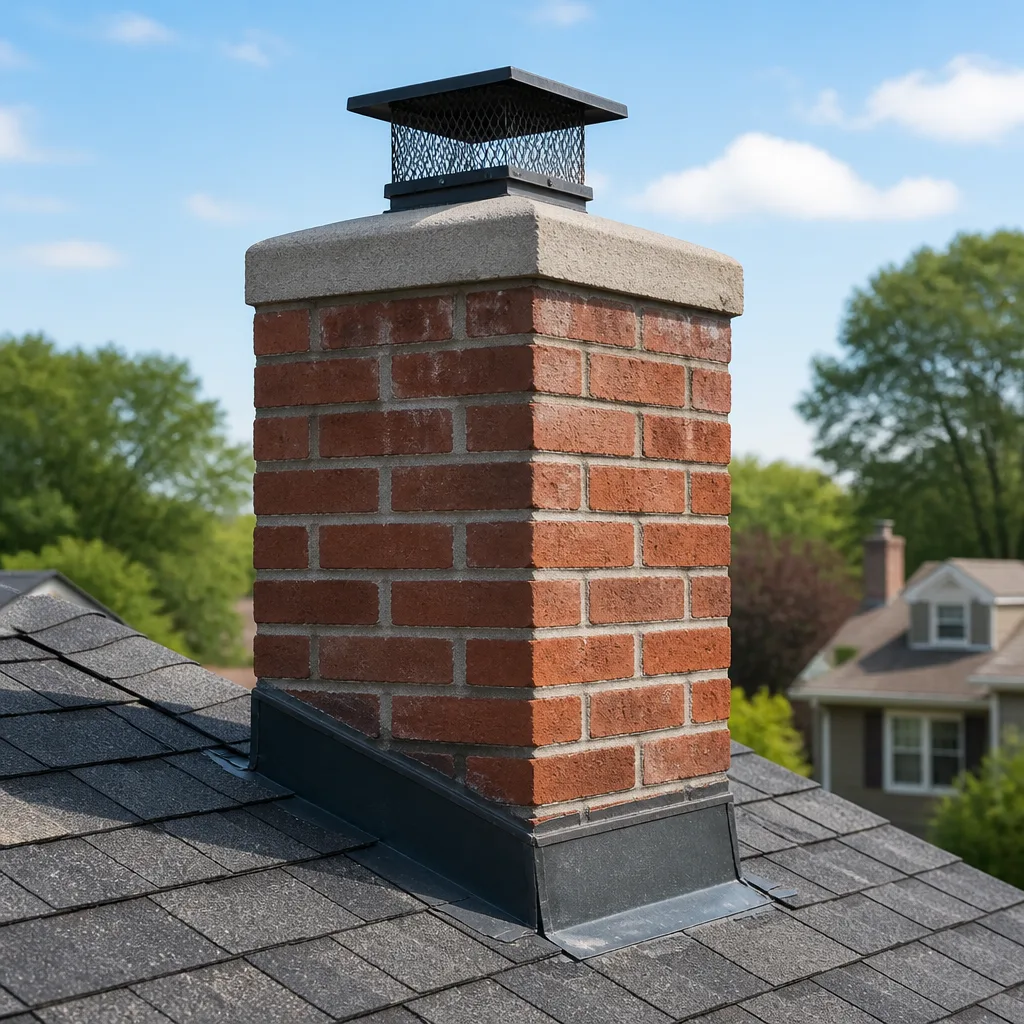 Sweep & inspection
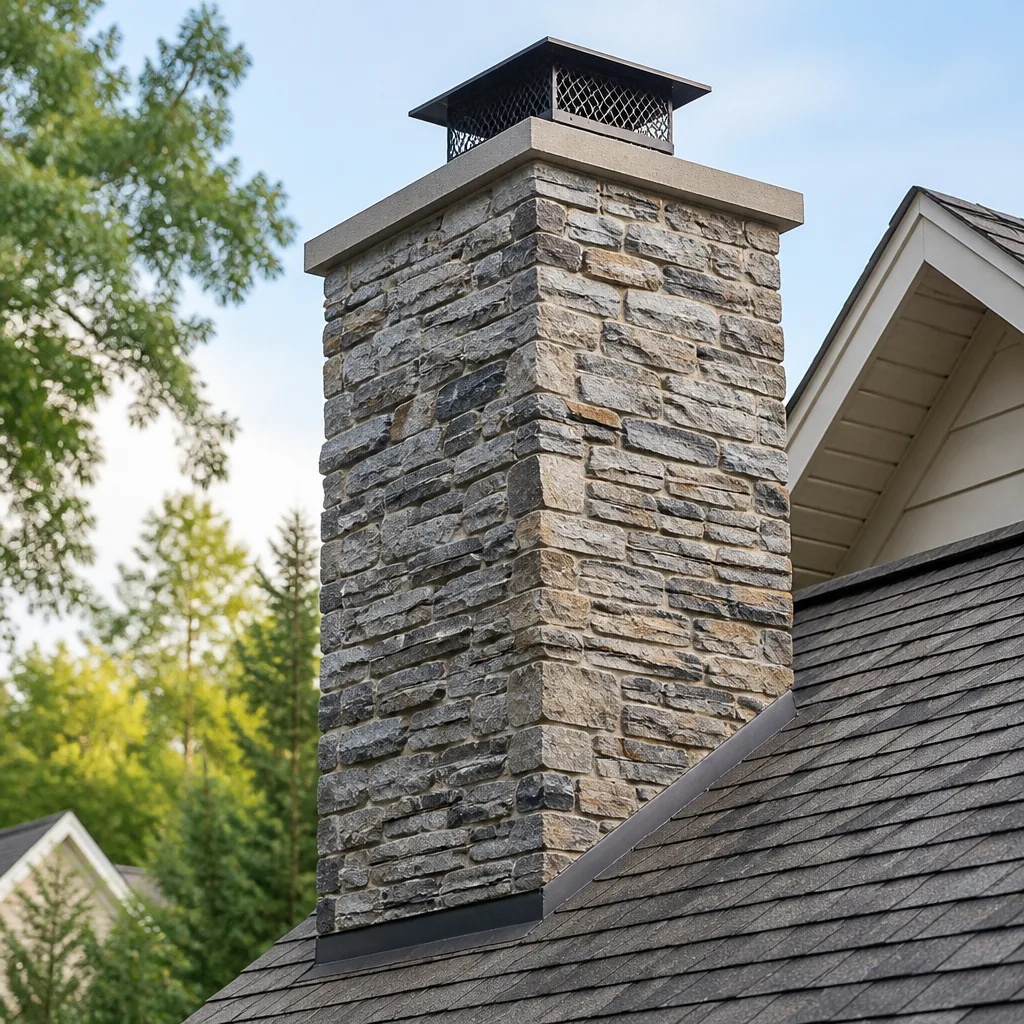 Caps & crowns
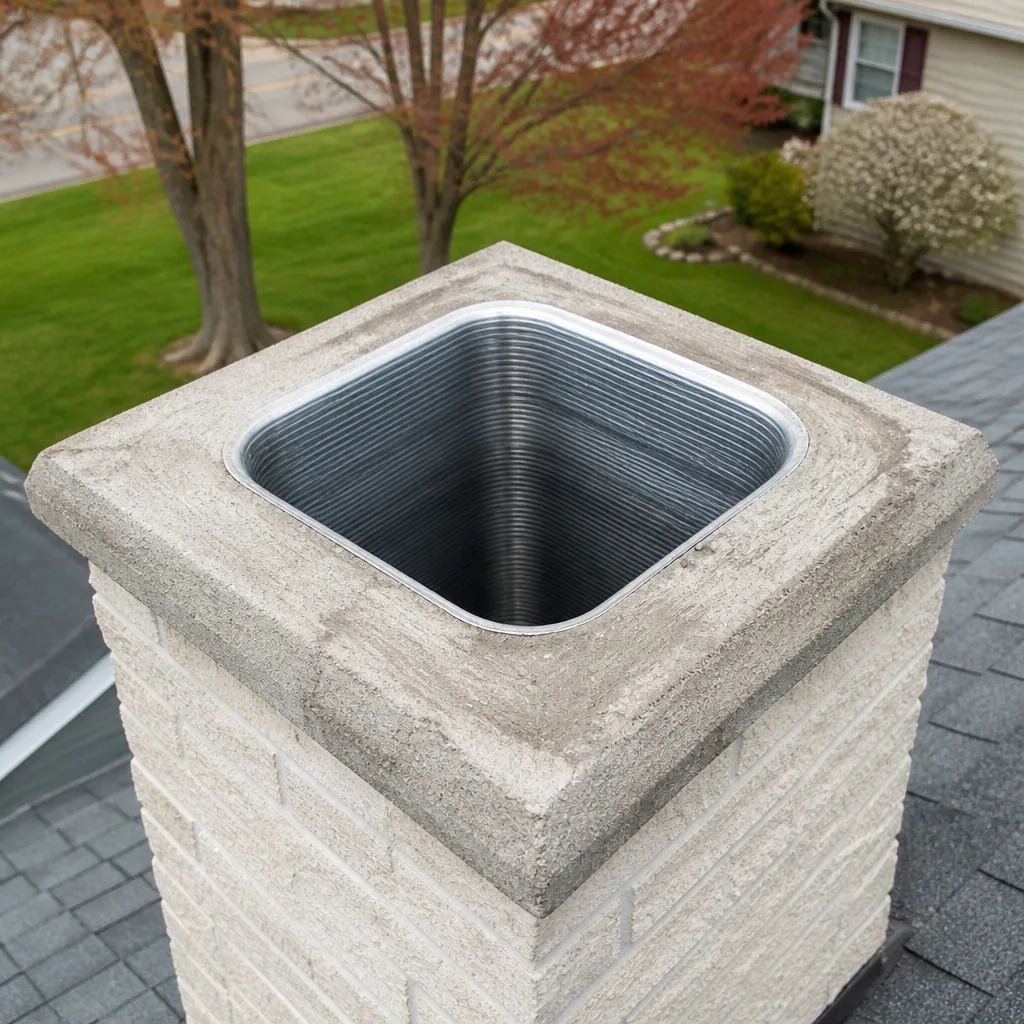 Flue relining
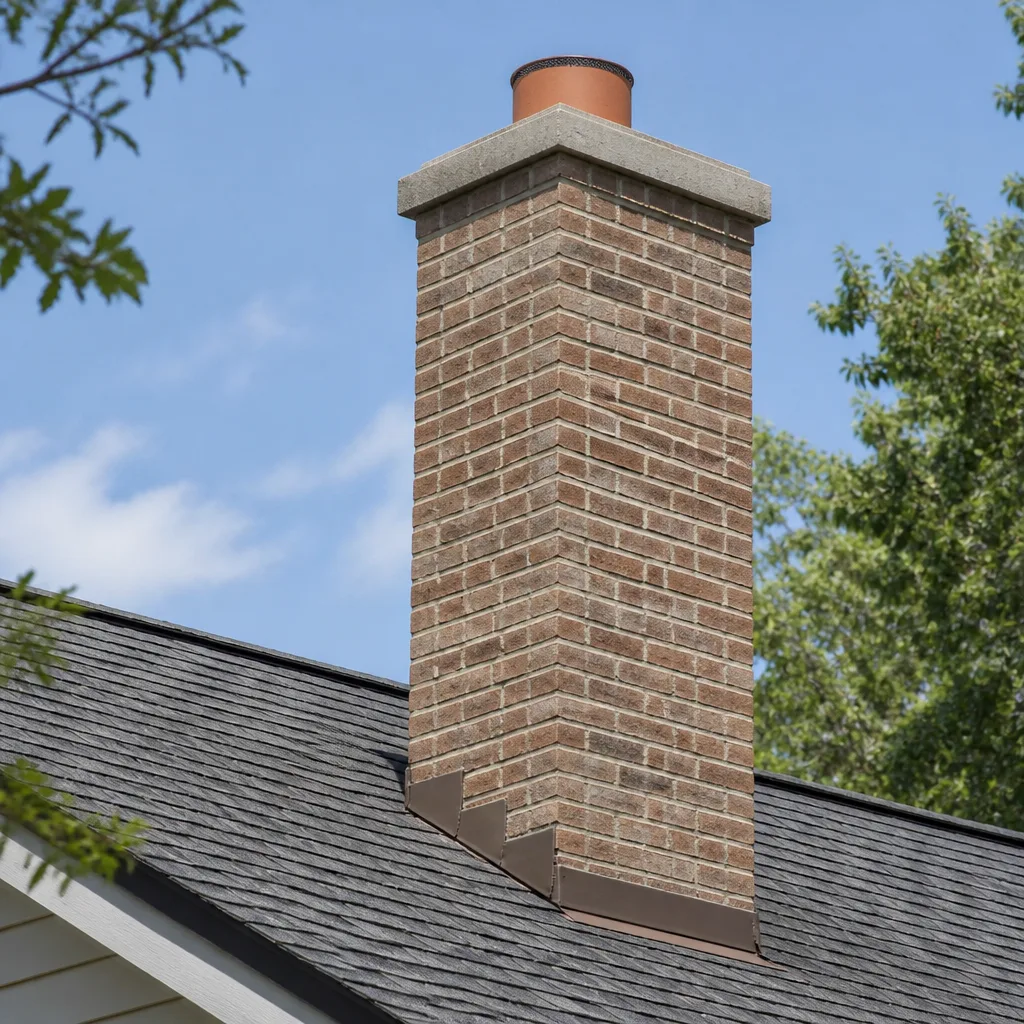 Masonry repair
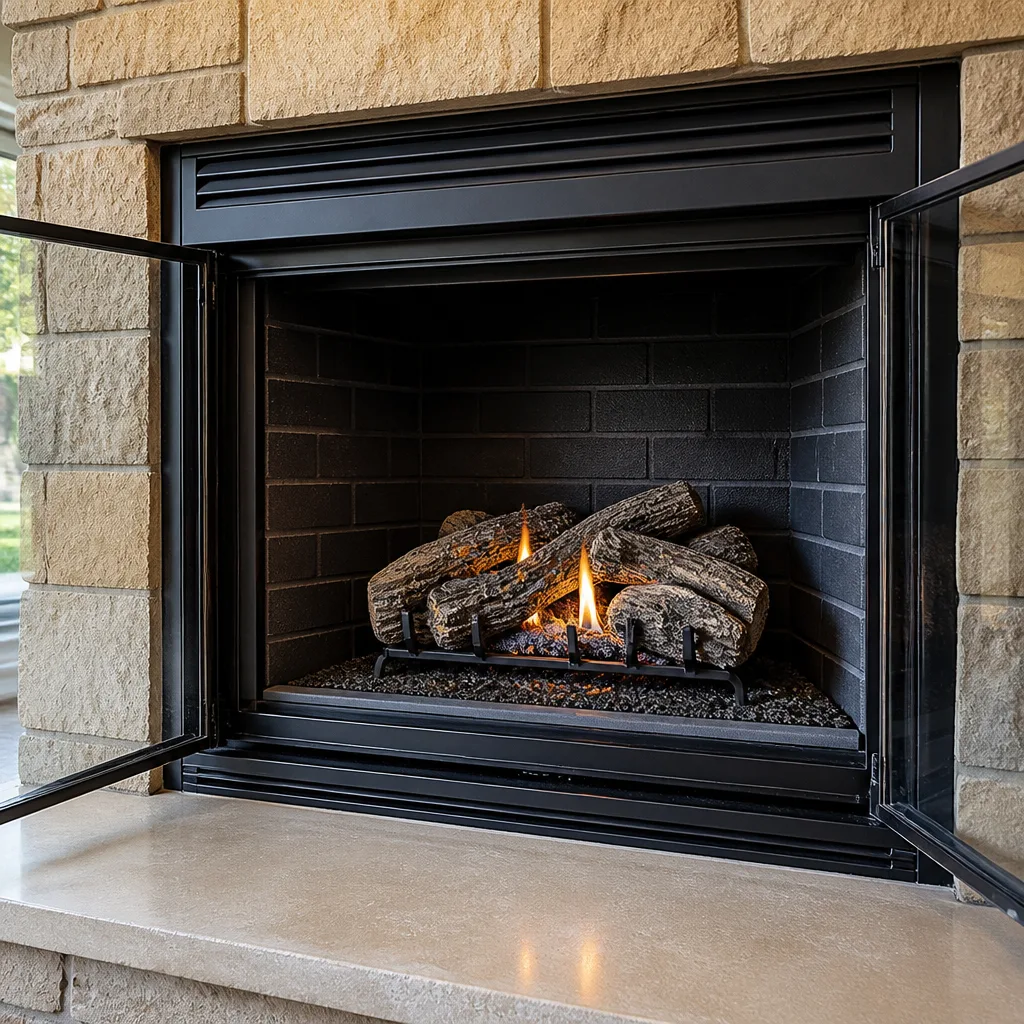 Gas fireplace service
Level 1 sweep and inspection to the NFPA 211 annual standard - flue, crown, cap, and flashing checked and photographed
Chimney sweep logs do not sweep chimneys. They loosen some creosote - which then falls where a brush and vacuum still have to collect it.
The Complete Guide to Chimney Cleaning in Buckeye
Most chimney guides are written for New England winters. If you’re following that advice in Buckeye, AZ, you’re solving the wrong problem. The standard script says burn a cord of wood, sweep when you hit a quarter inch of creosote, repeat every fall. Buckeye doesn’t burn like that. Summers run hot enough to cook the moisture out of masonry, dust storms push fine desert grit into places a climbing flue brush never reaches, and plenty of homes here light a fire a few dozen evenings a year at most. That changes what accumulates, where it accumulates, and which parts of the chimney fail first. This guide covers what actually happens to a chimney in Buckeye, how routine cleaning really works, what an inspection checks, and how to tell a real problem from an upsell. You’ll also learn why a low burn count still needs a yearly look.
Styles & brands we work with
- Sweep & inspection
- Caps & crowns
- Flue relining
- Masonry repair
- Gas fireplace service
Quick Answer
Chimney cleaning in Buckeye means removing soot, creosote, and desert dust from the firebox, smoke chamber, damper, and flue, then inspecting the whole system for damage the local climate tends to cause. A professional sweep uses a rotary brush and a camera, and gives you a photo report of what was found. Annual service matters here even in years you barely burn, because dust infiltration and heat-driven wear on the crown and mortar don’t wait for a fire.
Table of Contents
- Why Chimney Care in Buckeye Isn’t Like the Guides You’ve Read
- Haboob Dust, Dampers, and the Creosote Question
- Low Burn Frequency Doesn’t Mean Low Inspection Frequency
- What the Arizona Heat Does to Crowns, Mortar, and Damper Seals
- Level 1 vs Level 2 Inspections: What Each One actually Checks
- What a Professional Sweep Actually Involves, Step by Step
- Why One Annual Sweep Is a Floor, Not a Ceiling, for Gas Logs
- The Cost of Skipping Service, and What’s Safe to Defer
- Common Mistakes to Avoid
- When to Call a Professional
- Frequently Asked Questions
- The Bottom Line
Why Chimney Care in Buckeye Isn’t Like the Guides You’ve Read
National chimney advice assumes a cold, wet climate: heavy snow loads, freeze-thaw damage, and a long heating season that builds creosote fast. Buckeye runs the opposite. Winters are brief and mild, so many households never build up the kind of glaze that triggers urgent concern. But the forces that wear a chimney down here aren’t the ones a Boston or Chicago guide is written to address.
Three things drive chimney maintenance in Buckeye:
- Heat and sun exposure. Masonry on an exterior wall bakes through the summer. The crown, the mortar joints, and the damper hardware take the brunt of it.
- Wind-driven dust. Desert wind events carry fine particulate that settles into the firebox and flue. That material behaves differently from creosote, and it is easy to overlook.
- A short, sporadic burn season. Fires here happen on cool winter evenings and little else, so combustion byproducts build slowly even while structural wear keeps moving.
Put those together and the maintenance profile looks nothing like the standard script. A chimney in Buckeye can be dirty without being sooty, can be worn without ever seeing a hot fire, and can pass a casual look while a real problem sits behind the damper. That’s why we treat every visit as two jobs in one: a chimney sweep to clear the system, and an inspection to check the parts the climate puts under stress. If you want the full picture of what we handle across the area, our Buckeye service page lays out the scope.
Haboob Dust, Dampers, and the Creosote Question
A dust storm doesn’t just coat the patio furniture. Wind-driven desert dust infiltrates chimney systems, and where it lands depends on whether the damper is open or shut and how well the cap seals. This is the single biggest difference between chimney care here and chimney care in a wet climate.
When dust gets into an open firebox, it settles along the smoke shelf and into the flue base. Mixed with even light soot and ash, it forms a gritty layer. That layer is abrasive. Over time it scuffs flue liner surfaces and settles unevenly, and unlike creosote, it does not ignite. So the danger isn’t the dramatic chimney fire a New England guide warns about; the risk here is accelerated surface wear inside the flue and a damper that no longer seals because grit has worked into the pivot.
A properly fitted chimney cap is the first line of defense. Caps from manufacturers like Gelco and Famco close the flue against rain, animals, and dust while still allowing exhaust to escape. That single piece of hardware does more for a Buckeye chimney than almost anything else on the system.
The creosote conversation still applies, just in proportion. Homes that burn regularly through the winter do build creosote, and a glaze layer needs professional removal. But for the many houses that burn lightly, dust accumulation and damper wear show up before creosote becomes the headline. A sweep who only looks for creosote and ignores the dust layer is doing half a job.
Low Burn Frequency Doesn’t Mean Low Inspection Frequency
Here’s the logic that trips people up: “We barely use the fireplace, so why pay for an inspection?” The answer is that your chimney keeps changing even when it isn’t burning. Heat cycling works on the crown and mortar year-round. Dust keeps finding its way in. A liner can develop a crack from settling or thermal movement regardless of whether a fire ran last month.
Inspection cadence in Buckeye should be driven by exposure, not by burn count. The general rule professionals follow:
- Annual inspection for every home with a chimney, whether you burned zero fires or forty last winter.
- Sweep when the inspection finds enough buildup to justify it, not automatically every year by default.
- Extra look after any major wind event or storm that could have driven debris in or shaken loose mortar.
- Inspection before the first burn of the season if you haven’t had one in the last twelve months.
That cadence is cheaper than it sounds, because an inspection that finds a clean, sound system doesn’t turn into a repair bill. The value is knowing. A fireplace that sat idle through the summer can pick up a bird’s nest, a cracked crown, or a dust-clogged smoke shelf in the meantime, and none of those announce themselves until the first fire of the season turns the living room smoky.
What the Arizona Heat Does to Crowns, Mortar, and Damper Seals
If you look at a chimney from the ground and see nothing wrong, you’re seeing the least telling part of it. The failures we find in Buckeye cluster on a few specific components, and they’re all tied to sustained heat and sun rather than to fire.
- The crown. That’s the concrete cap at the top that sheds water off the chimney. Constant sun exposure and daily thermal expansion crack it over time. A cracked crown lets water into the masonry from the top down, which is where most serious chimney damage starts.
- Mortar joints. The mortar between bricks expands and contracts through hot days and cool nights. Hairline cracks open, and once water and dust get in, the joints wash out faster. Rebuilding those joints with the right materials is what we use Copperfield products for.
- Damper seals. The damper is a metal plate on a hinge. Desert grit works into the pivot, and the heat cycling gradually lets the seal warp. A damper that won’t close means conditioned air escapes up the chimney all summer, and dust gets in.
- The flue liner. Cracks and spalling can hide behind the damper. Only a camera sees them, which is why we include camera inspection and a photo report on every visit.
When a liner has cracked or spalled but the structure is otherwise sound, resurfacing is often the right repair. We use HeatShield for that, a repair-grade liner product that seals the flue from the inside without tearing out the whole chimney. It’s a specialized process, and not every sweep carries it, which is part of why we lean on professional-grade materials rather than whatever’s on hand.
Level 1 vs Level 2 Inspections: What Each One actually Checks
Not every inspection is the same depth of look, and understanding the difference protects you from paying for the wrong one or missing something a lighter inspection can’t see. The industry standard defines three levels. The two that matter most for most Buckeye homes are Level 1 and Level 2.
Level 1 Inspection
A Level 1 inspection is the routine annual check. It covers what’s readily accessible without special tools or taking anything apart:
- The firebox and the visible interior of the flue
- The damper and its operation
- The smoke chamber and the smoke shelf
- The chimney exterior as seen from the ground, roof access, or an accessible vantage
- Confirmation that the appliance is connected correctly and the cap is in place
For a home that has been burning and functioning normally, and hasn’t changed anything about the system, a Level 1 is what you’d book alongside your sweep.
Level 2 Inspection
A Level 2 adds a camera inspection of the interior of the flue and a closer look at accessible portions of the chimney. It’s needed in specific situations:
- The first inspection on a home you’ve just bought or moved into
- After any change to the system, like a new insert, stove, or liner
- After a chimney fire or a significant event that could have damaged the flue
- After a major storm or wind event that might have loosened or cracked masonry
In Buckeye, that last item comes up more often than most places, because dust-storm winds can shake a cap loose or drive debris deep enough that the unaided eye can’t see the state of the flue. We handle both levels as part of our chimney repair and inspection work, and we tell you up front which level your situation calls for. Nothing gets recommended without camera evidence you can look at yourself.
What a Professional Sweep Actually Involves, Step by Step
A real chimney cleaning is methodical, not a quick brush-and-go. Here’s what a proper sweep looks like in a Buckeye home, in order:
- Protect the room. Drop cloths over the hearth and surrounding floor, and a vacuum setup with a sealed connection to keep soot and dust inside the system.
- Inspect before cleaning. We look at the firebox, damper, and flue before touching anything, so we know what kind of buildup we’re dealing with: creosote, dust, or both.
- Clear the firebox and smoke chamber. Soot and ash come out first, then the smoke shelf.
- Brush the flue. A rotary brush sized to the flue clears the full length. This is where the difference between creosote and windborne dust matters, because the two need slightly different treatment.
- Run the camera. A camera inspection of the flue confirms what’s clean, what’s cracked, and what needs attention.
- Check the cap and exterior. The cap, crown, and mortar joints get a look from the roof or accessible vantage. This is where heat-driven cracks show up.
- Test the damper and appliance connections. Confirm the damper opens and seals correctly and the connections are sound.
- Hand you a photo report. You get pictures of what we found, including anything worn or damaged. No photo, no recommendation.
The full sweep and inspection is one job, done by one team, so you’re not chasing a separate contractor to fix what the sweep found. That continuity is the reason we handle sweeping, inspection, and repair under one roof. When a repair is needed, we use industry brands like DuraFlex for flexible liner systems and the others we rely on for caps and masonry, not generic substitutes sourced at the last minute.
Why One Annual Sweep Is a Floor, Not a Ceiling, for Gas Logs
Gas logs and decorative gas fireplaces feel low-maintenance, and in some ways they are. No creosote forms, because no wood burns. But the assumption that a gas appliance needs nothing but an occasional wipe-down is where people get surprised.
Gas logs still produce moisture, and in a desert climate the contrast between a fire and the cold night air behind the damper matters. The bigger issues are dust and debris finding their way in, because the flue and firebox are still open to the outside, and a gas appliance still sits under the same cap and the same crown. If the cap is loose or the crown is cracked, dust and moisture come in the same way they would with a wood fire.
So a yearly professional visit for a gas setup still earns its keep, and should check:
- The condition of the logs and whether they’re properly arranged
- The burner and connection, though we recommend a qualified gas technician for service on those
- The cap and crown, same as on any chimney
- Accumulated dust and debris in the firebox and flue
- The damper seal, since a gas fire with a poorly sealing damper loses heat straight up
One annual sweep is the minimum. Homes that run gas logs frequently, or that have any mock logs with a real burner, often benefit from a closer look because the burner can collect dust that affects performance. Our technicians have up to 15 years of experience and can talk through what your specific gas setup needs during a scheduled visit.
The Cost of Skipping Service, and What’s Safe to Defer
Nobody wants to hear that every visit is urgent. The honest answer is that some findings can safely wait and some can’t. Here’s a plain guide to what we see and how we think about timing.
- Light dust and a bit of soot: clean it during a regular sweep, then you’re done.
- Hairline cracks in the crown: worth repairing to prevent water intrusion, but not an emergency. Scheduling it in the next month or two is reasonable.
- Cracked or spalled flue liner: this one needs attention before the next burn. A damaged liner is a safety concern and, depending on the extent, resurfacing with HeatShield or a full reline with DuraFlex may be the answer.
- Damper that won’t seal: fix it before heating season, not because it’s dangerous but because it wastes energy all winter.
- Blocked or crushed cap: address it when found. A blocked flue can push smoke back into the room the first time you burn.
What we won’t do is tell you that a repair is urgent when the photo evidence doesn’t support it. We can show you the camera footage and let you draw your own conclusion. If the flue is sound and the buildup is light, the honest answer is that you don’t need thousands of dollars of work, and we’ll say so.
Common Mistakes to Avoid
- Waiting for smoke in the house before calling. A backdrafting chimney is usually the last sign of a problem that’s been building for a while. Routine inspection catches it earlier.
- Assuming dust and creosote are the same thing. They behave differently. A sweep who only looks for creosote misses the desert grit that causes flue wear here.
- Ignoring the cap because it “looks fine” from the yard. A loose or damaged cap lets in water, animals, and dust. Have it checked, not just glanced at.
- Booking a sweep without an inspection, or an inspection without a photo report. A cleaning visit should end with evidence of what was found, so you can make a real decision.
- Using a generalist handyman for chimney work. Sweeping, inspection, and repair require chimney-specific tools and materials. A fireplace isn’t a gutter.
- Skipping service because you “didn’t burn much.” In Buckeye, the chimney degrades from heat and dust regardless of how often the fire ran.
- Choosing a sweep with no repair capability. If the sweep finds damage and can’t fix it, you’re back to finding another contractor. Pick a team that does both.
When to Call a Professional
Some situations call for a visit from a trained chimney specialist rather than a DIY attempt. Call us if you smell smoke even with the damper open, if you see soot or creosote flaking off inside the firebox, if the damper won’t open or shut smoothly, or if you haven’t had the chimney looked at in the last year. Get a professional involved if you’ve just bought the home and don’t have a service record, or if a dust storm or heavy wind event has passed through since your last inspection. Any visible crack in the crown or mortar near the top of the chimney also deserves a look, because it’s often the start of a much bigger problem. None of these are emergencies in the sense of a panic call, but they’re all worth scheduling before the first cold evening. Chimney Sweep Buckeye offers free estimates in Buckeye; call (866) 378-9837. We answer 24/7. Fast dispatch from 7am to 7pm.
Frequently Asked Questions
A routine chimney sweep in Buckeye typically runs in the range homeowners expect for a professional visit that includes cleaning and a basic inspection with a photo report. The exact price depends on how much buildup is present, whether your chimney has a liner, and whether a Level 2 camera inspection is needed. The written estimate sets the final price, so ask for a flat figure before the visit is booked. Call (866) 378-9837 for an exact quote; estimates are free.
Plan on a professional inspection once a year, and a sweep whenever the inspection finds enough buildup to justify it. Homes here burn lightly, so many households don’t need a full sweep every single year, but the inspection should happen annually regardless of how many fires you lit. Call (866) 378-9837 to schedule your yearly check.
Yes. The chimney keeps changing when it isn’t burning. Heat cycling cracks the crown and mortar, dust settles into the firebox and flue, and a cap can work loose. An annual inspection catches those issues before they turn into a larger repair. Call (866) 378-9837 for a scheduled visit; the estimate is free.
A Level 1 is the routine annual check of the firebox, damper, smoke chamber, and accessible parts of the flue. A Level 2 adds a camera inspection of the flue interior and is needed after a home purchase, a system change, a chimney fire, or a significant storm. If you’re unsure which one your situation calls for, call (866) 378-9837 and we’ll walk you through it.
Yes, though for different reasons than a wood fire. Gas logs don’t form creosote, but the flue, firebox, cap, and crown are still exposed to dust and weather, and a poorly sealing damper still costs you energy. A yearly visit keeps all those components checked. Call (866) 378-9837 to book a gas log inspection.
Skip it long enough and the layers of dust, soot, and creosote build up, the crown cracks from heat and sun, and the cap loosens. The eventual repair costs more than the yearly check would have. The safe approach is to catch problems with a camera inspection while they’re small. Call (866) 378-9837 for a free estimate.
The Bottom Line
Chimney care in Buckeye is its own discipline. Low burn frequency doesn’t lower your inspection frequency, and desert dust and extreme heat are just as capable of degrading a chimney as a long, cold winter is elsewhere. The right approach is a yearly professional visit that combines a sweep, an inspection with a photo report, and repair as needed, all handled by one team using the brands the industry trusts, from HeatShield for liner resurfacing to DuraFlex for relining and Copperfield for masonry. If you’re ready to see exactly what your chimney is doing, Chimney Sweep Buckeye handles it start to finish.
Call (866) 378-9837 for a free estimate. We answer 24/7. Fast dispatch from 7am to 7pm, Sunday through Friday.
Written by the team at Chimney Sweep Buckeye.
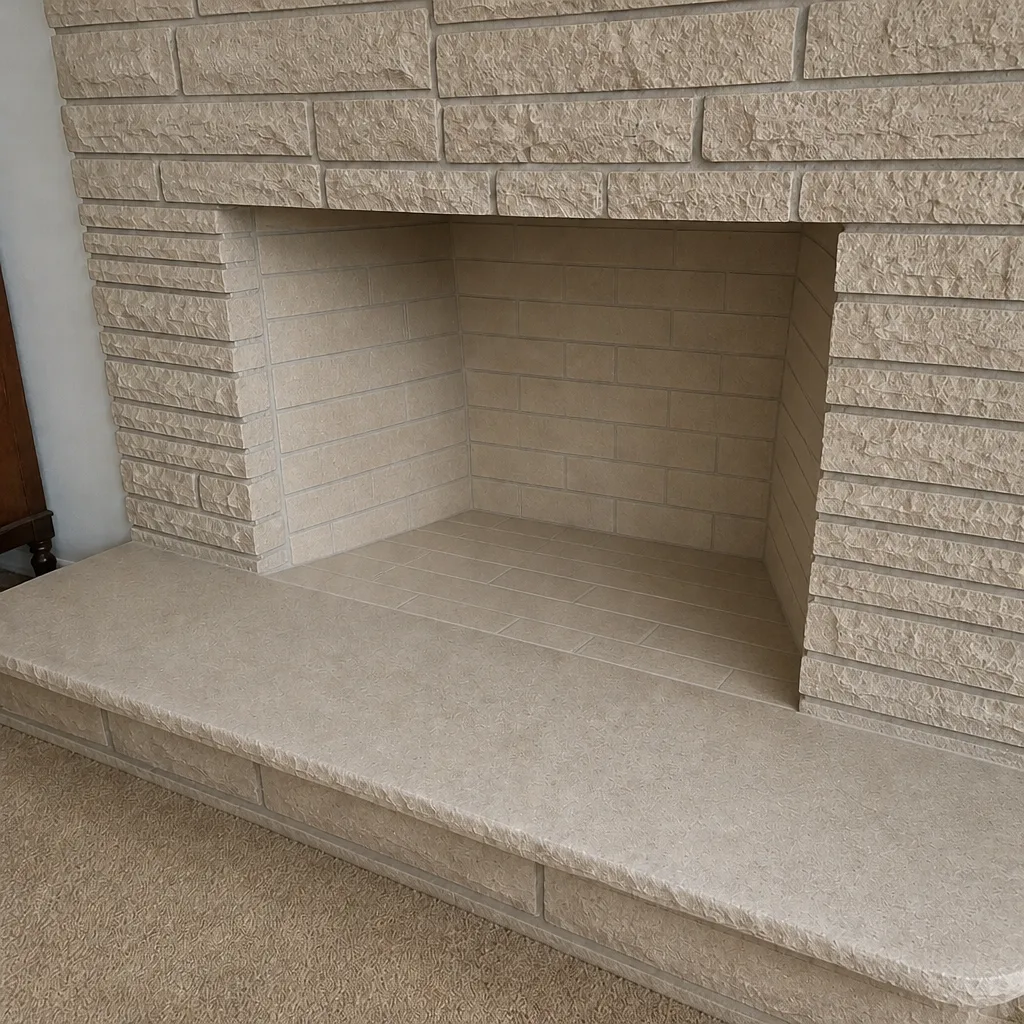
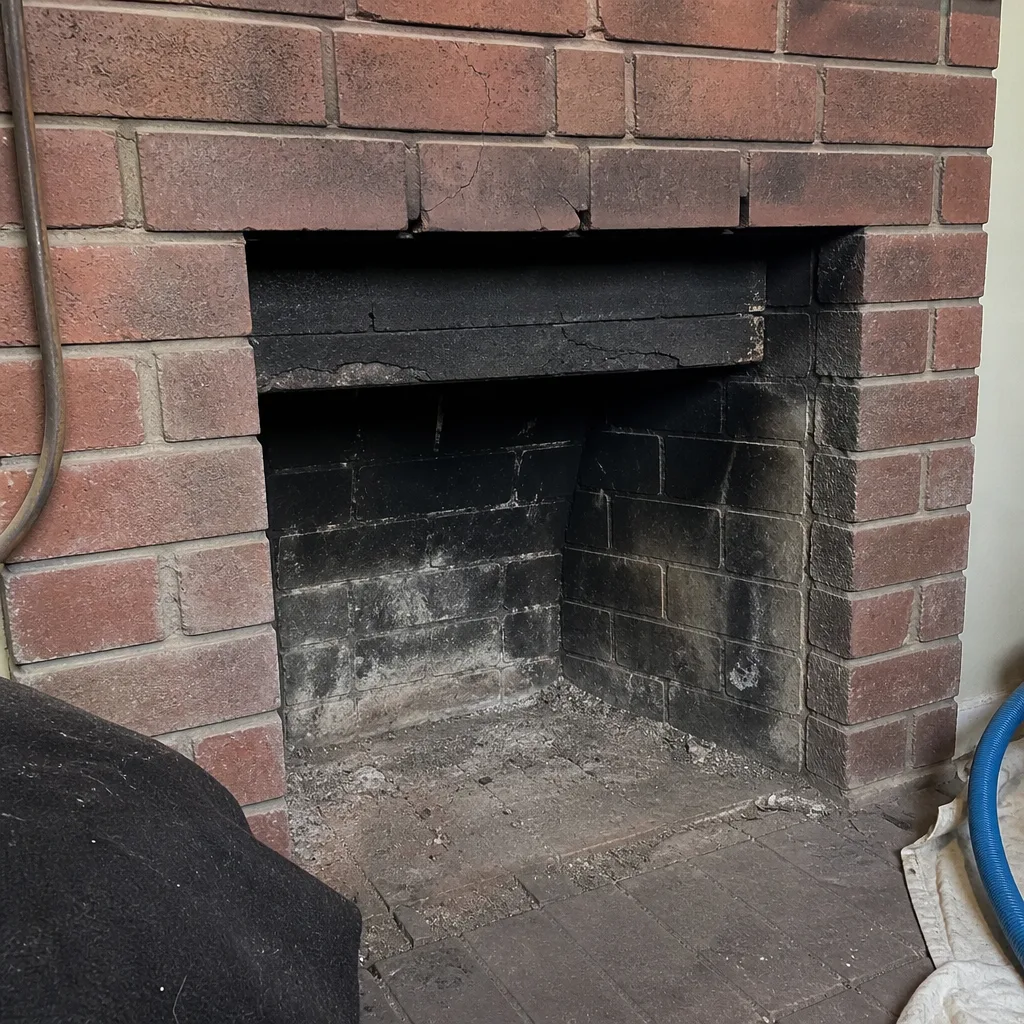
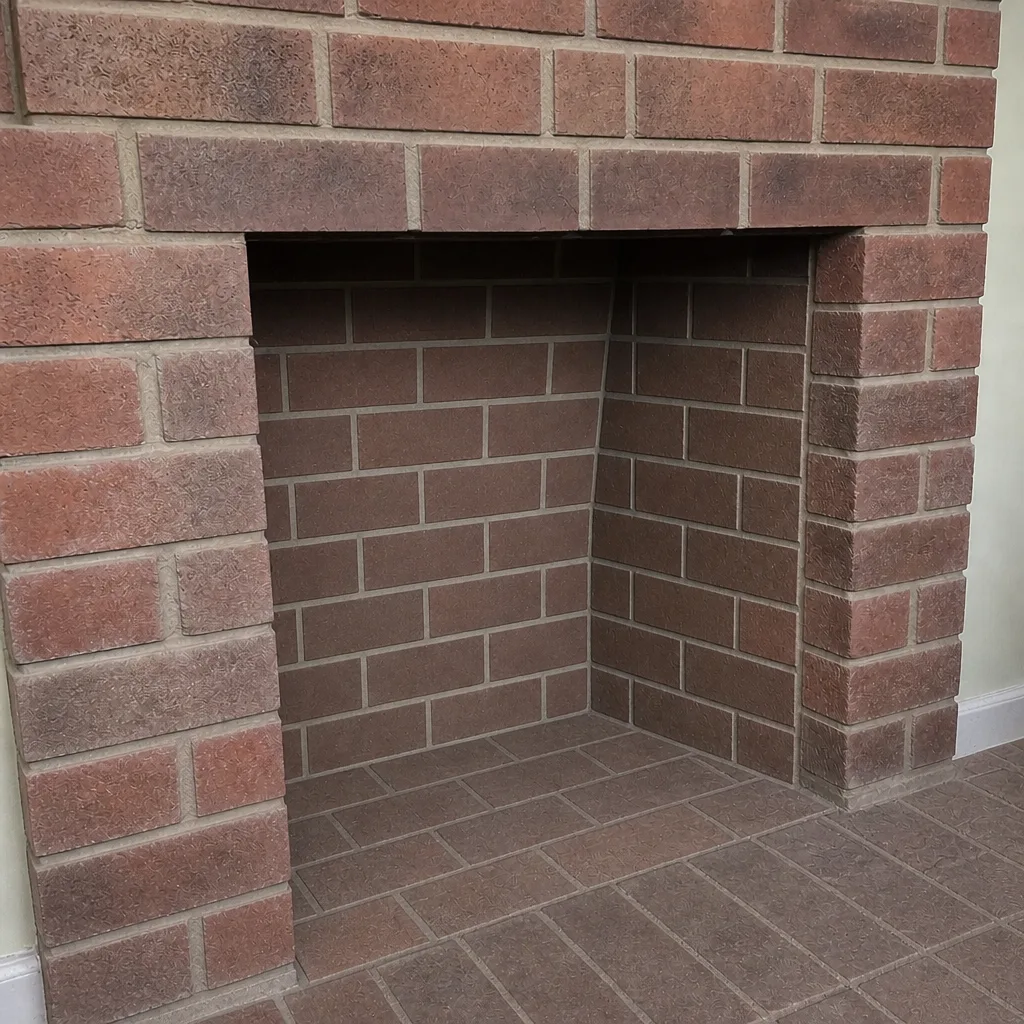
See the difference
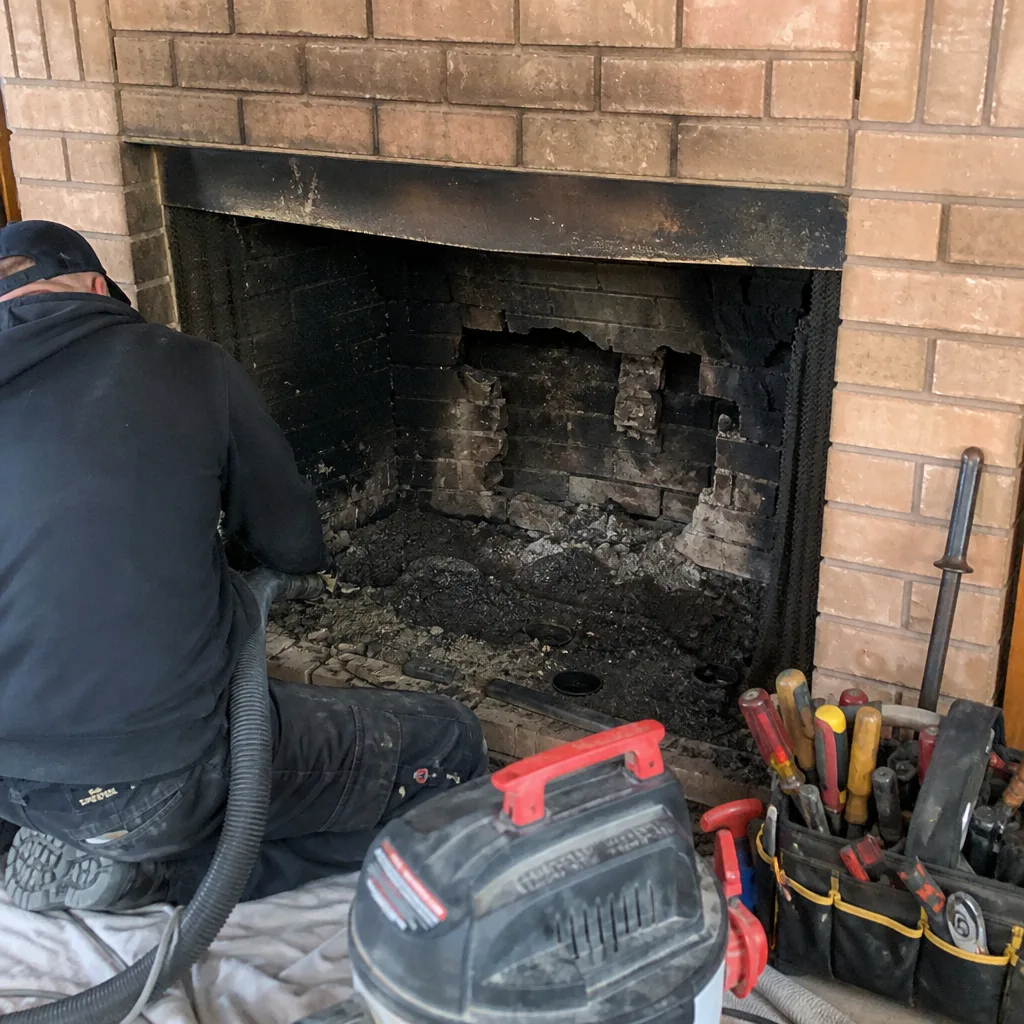 Before
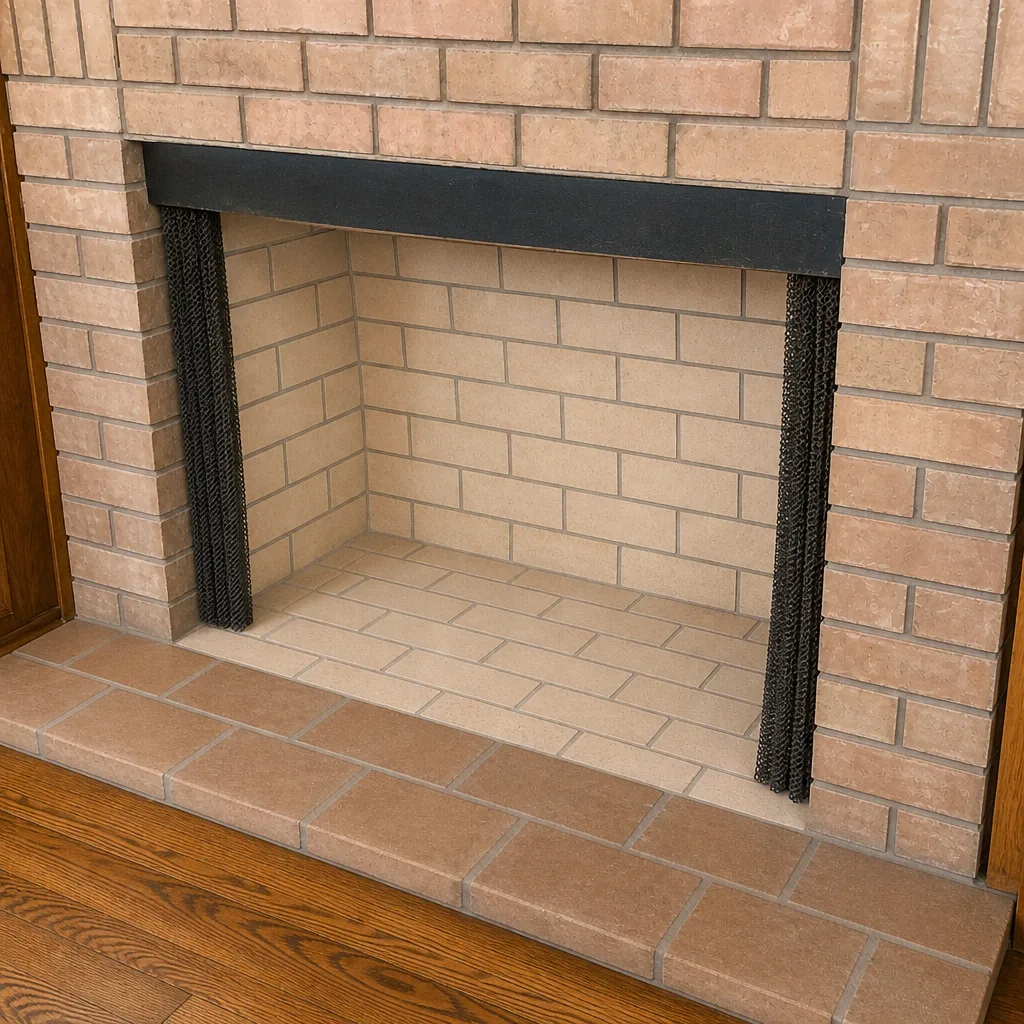 After
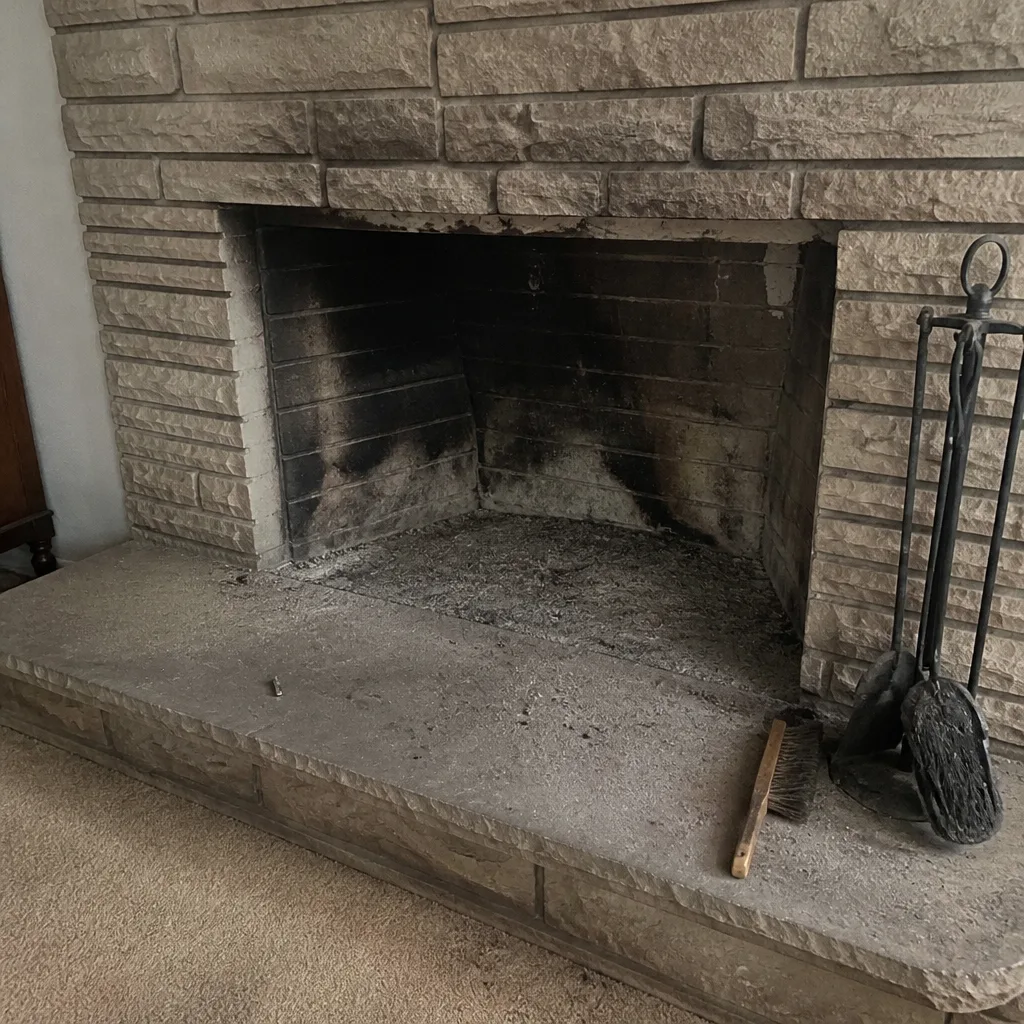 Before
 After
 Before
 After