
Last updated November 15, 2026
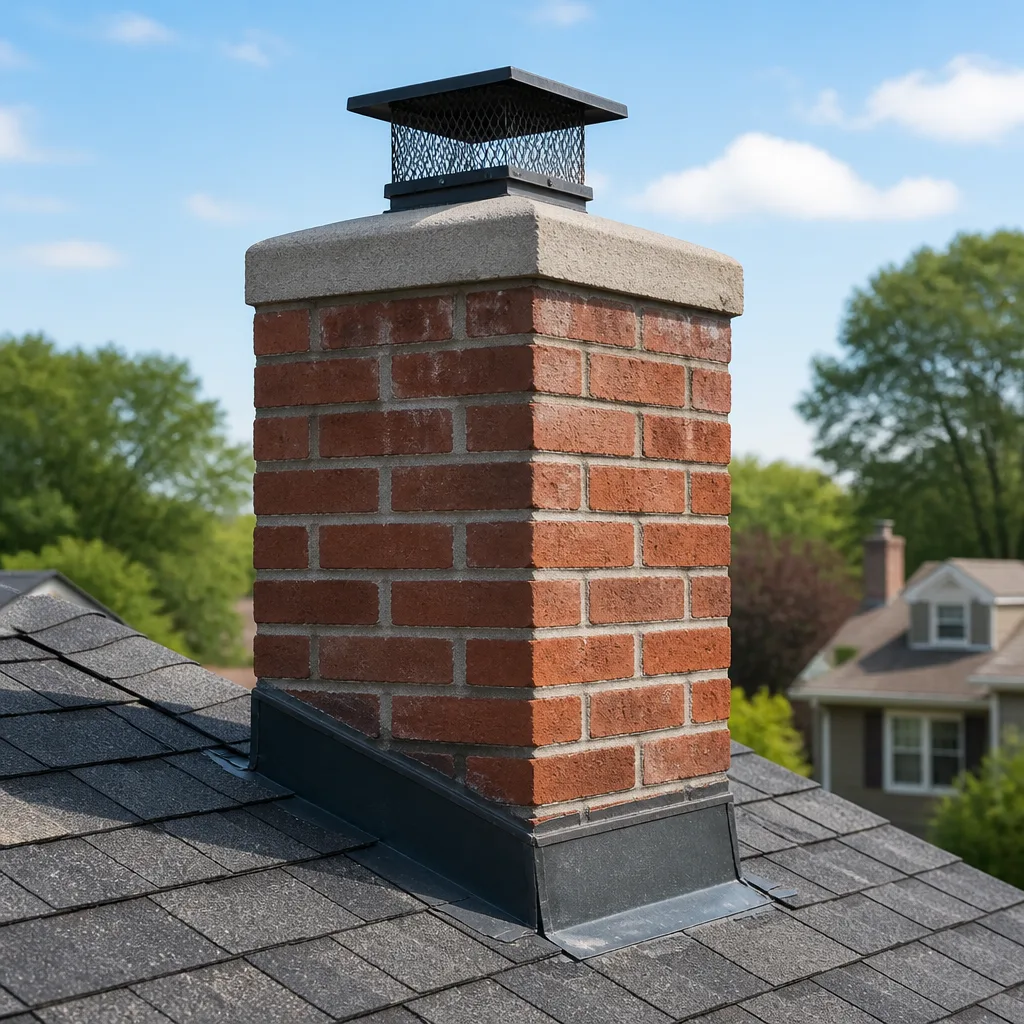 Sweep & inspection
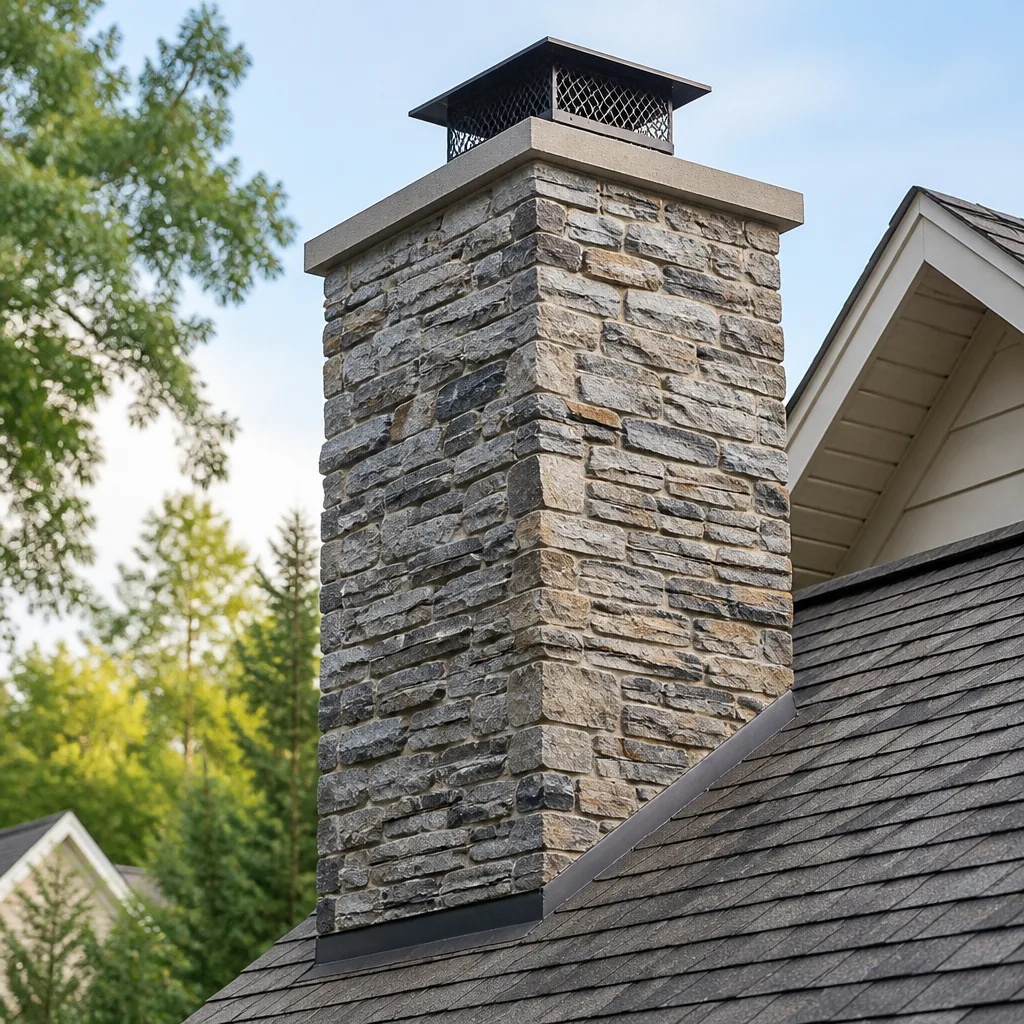 Caps & crowns
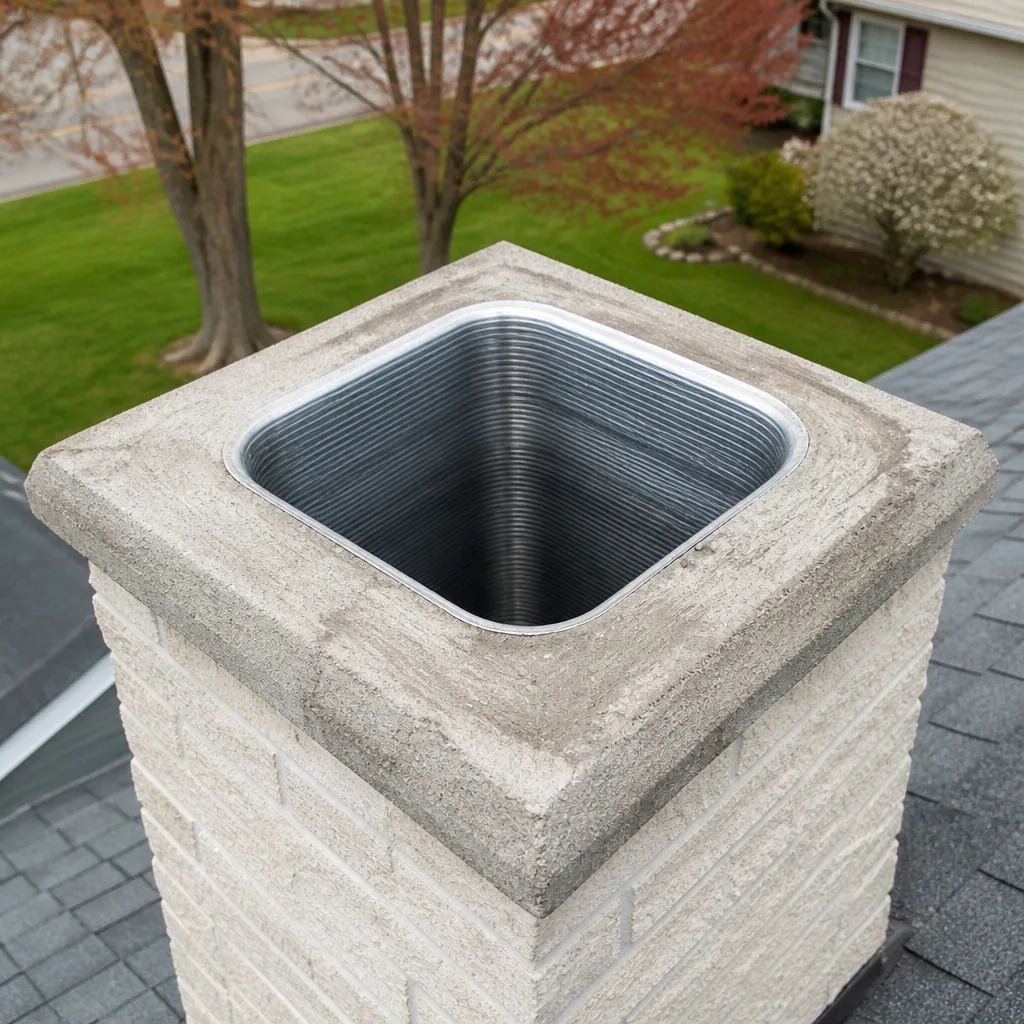 Flue relining
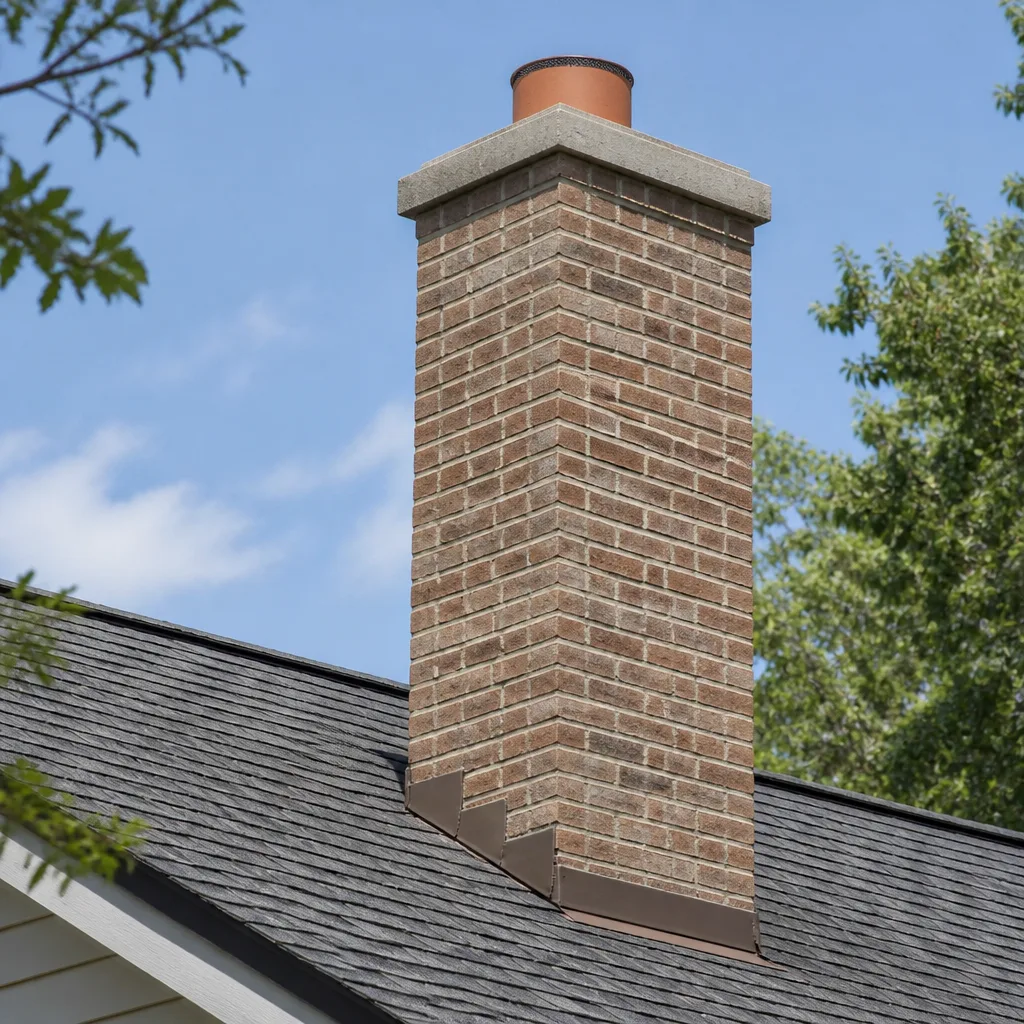 Masonry repair
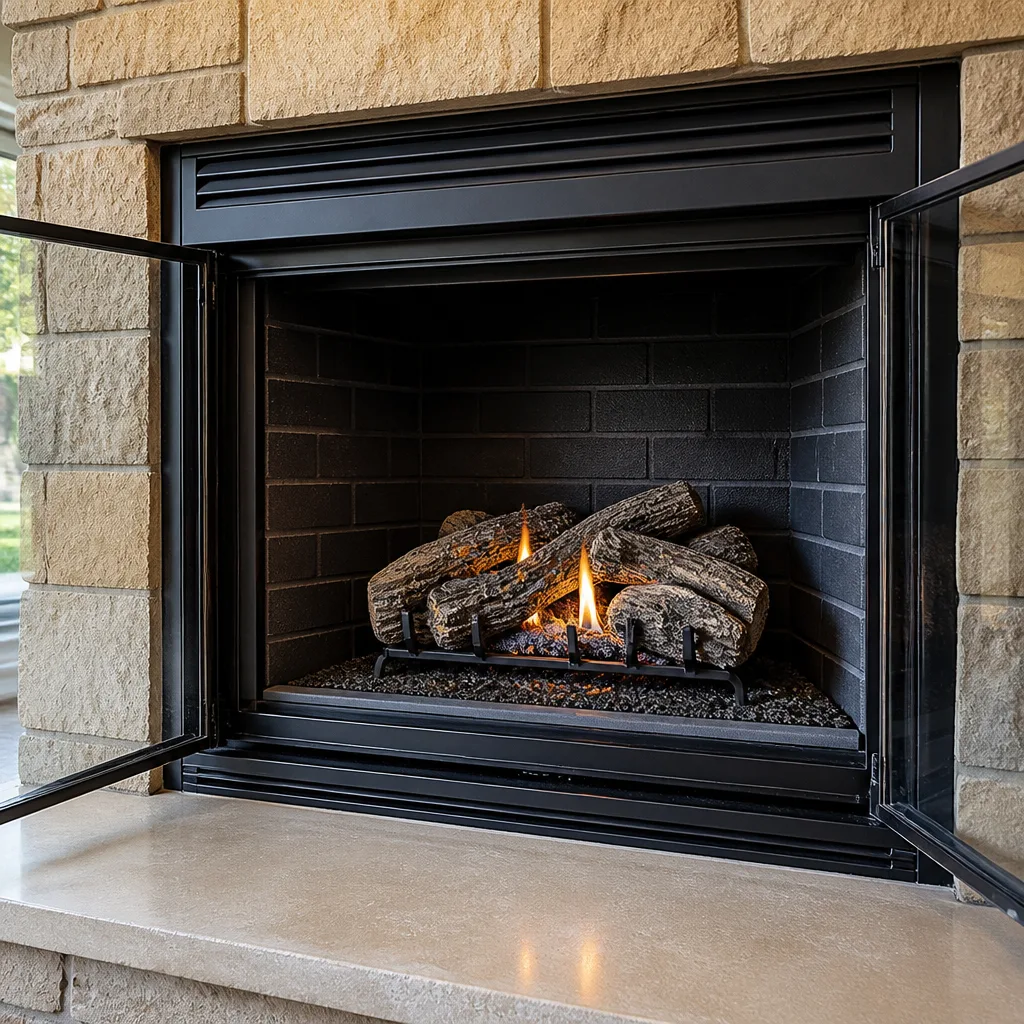 Gas fireplace service
Level 1 sweep and inspection to the NFPA 211 annual standard - flue, crown, cap, and flashing checked and photographed
Chimney sweep logs do not sweep chimneys. They loosen some creosote - which then falls where a brush and vacuum still have to collect it.
Seasonal Chimney Cleaning Care for Buckeye: Year-Round Homeowner’s Guide
If you’re scheduling your chimney cleaning in October because that’s when everyone else does it, you’re probably cleaning after the monsoon damage but before anyone’s checked for it. That order is backwards for a Buckeye chimney. The desert calendar here doesn’t behave like the four-season schedule printed on most chimney care brochures, and treating it that way leaves you either scrubbing soot you won’t make again for months or patching a crown that the summer storms already worked loose. In this guide we’ll walk through the four-season chimney calendar that actually fits Buckeye: pre-monsoon, post-monsoon, pre-burn, and post-burn. You’ll learn what each one is for, how monsoon dust and wind hit the top of the chimney, why summer is the smartest window for repairs, and how to close the chimney down for the short cold snaps that do arrive.
Quick Answer
Chimney care in Buckeye follows a four-point calendar, not a single fall visit: a pre-monsoon check in May, a post-monsoon inspection in September, a pre-burn sweep in October and November, and a post-burn sweep in March. The June through September monsoon and dust storm season is the biggest single threat to caps, crowns, and flashing here, so those parts get inspected twice a year rather than once. Creosote from a short burn season still builds up and still needs removing before it hardens.
Key Takeaways
- Monsoon season, not winter, is when most Buckeye chimney damage starts.
- Summer is the best time to book non-urgent repairs, because the dry heat helps repair materials cure and the calendar is quieter.
- A short burn window does not mean a light creosote load. It means creosote that sits longer between sweeps.
- Caps, crowns, and flashing need eyes on them after every monsoon season.
- Burn only well-seasoned wood, and never burn trash, cardboard, or treated lumber in a fireplace or stove.
Styles & brands we work with
- Sweep & inspection
- Caps & crowns
- Flue relining
- Masonry repair
- Gas fireplace service
Table of Contents
- Why Buckeye’s Chimney Calendar Doesn’t Follow the Traditional Four Seasons
- The Buckeye Four-Season Chimney Calendar: A Month-by-Month Map
- What Monsoon Season and Dust Storms Do to Chimney Caps, Crowns, and Flashing
- How to Check Your Chimney After a Monsoon: A Homeowner’s Walk-Around
- Why Summer Dormancy Is the Best Time for Non-Urgent Repairs
- Gas Fireplaces in Summer: Ventilation in Desert Heat
- Winterizing Your Damper and Cap for Buckeye Cold Snaps
- Pre-Burn and Post-Burn: What a Sweep Actually Does
Why Buckeye’s Chimney Calendar Doesn’t Follow the Traditional Four Seasons
Most chimney care advice is written for a place that has four roughly equal seasons and a long heating season. Buckeye doesn’t have that. Our burn window is short and concentrated, our summer is long and hot, and the rainy part of the year lands in the middle of it rather than in spring. When you line those three facts up, the national “sweep it in autumn” recommendation starts to look like a square peg.
Here’s what actually happens. The chimney sits dormant through a long hot stretch, then takes a concentrated burst of storms, then gets used hard for a few months, then goes quiet again. Those are four different jobs, and each one is best done in a specific window. A single fall sweep only addresses one of them.
The risk most homeowners underestimate is the monsoon. Between roughly June and September, this part of the Valley gets sudden heavy rain, blowing dust, and wind gusts strong enough to move loose material. Those storms hit the top of the chimney first: the cap, the crown, and the flashing where the chimney meets the roof. A cap that gets pushed out of position or a crown that cracks becomes a way for water to get in all year, long after the storm that caused it is forgotten. By the time you notice water stains in October, the damage started in July.
That’s why we treat the top of the chimney as a year-round concern in Buckeye, not a fall one. The inside of the flue matters too, and it gets its own attention. But the structure around it takes the most punishment from our weather. If you’ve ever wondered why a chimney in a dry climate develops leaks, a loose cap is usually the answer.
The Buckeye Four-Season Chimney Calendar: A Month-by-Month Map
Here’s the calendar we recommend for a wood-burning fireplace, insert, or stove in Buckeye. Print it, save it, put a reminder in your phone. It’s built around what the weather here does, not around a brochure.
- Pre-monsoon, May. Check the cap, crown, and flashing before the storms arrive. Confirm the damper operates. Clear any debris from a bird or a dust storm that collected over the dormant months. This is a preventive visit, done before the season that does the damage.
- Post-monsoon, September. Inspect the same parts again after the storms pass. Look for a cracked crown, lifted flashing, a cap pushed off its collar, or rust on the mesh. Any problem gets repaired before the burn season, not during it.
- Pre-burn, October and November. Sweep the flue and do a full inspection before the first fire. Creosote accumulated from last season’s burns gets removed now, so the first fire of the year burns clean. This is the visit most homeowners remember to book.
- Post-burn, March. Sweep again once the burning has stopped for the year. Creosote left sitting through a long dormant summer has more time to harden, so clearing it in spring makes the fall sweep easier and the summer safer.
That’s four touchpoints, but two of them are quick visual checks that take very little time, and one of them is a repair window. You’re not scheduling four full visits a year unless a problem turns up. You’re scheduling two sweeps, one proper inspection, and a repair window that you use if you need it.
If you’d rather keep it simple, the newest neighborhoods on the west side of Buckeye often have newer chimneys, and a chimney built in the last few years usually handles the monsoon calendar fine with a pre-burn sweep and a post-monsoon visual check. Older homes, and especially homes where the cap has clearly been replaced once already, benefit from all four.
What Monsoon Season and Dust Storms Do to Chimney Caps, Crowns, and Flashing
The top of a chimney is exposed to every bit of weather, and in Buckeye the most punishing weather comes in summer. Here’s what the June through September season actually does to the parts most homeowners never see.
The cap
A chimney cap is a small roof over the flue with a screen or mesh around it. It keeps rain out of the flue, keeps birds and animals out, and keeps sparks from landing on the roof. Wind gusts during a haboob, the dust storms that roll through this part of the Valley with alarming speed, can push a cheap or poorly fastened cap out of position. Once it’s off its collar, the flue is open to anything the storm is carrying. A loose cap also rattles and wears its fasteners, which is why an off-position cap is often the first thing we find in a September inspection.
The crown
The crown is the concrete or masonry surface on top of the chimney that slopes water away from the flue. Heat, intense sun, and sudden rain cycling back and forth through the summer cause small cracks. A hairline crack seems harmless until the first heavy rain drives water into it, refreezes nowhere in sight but pools and finds its way down through the masonry. A cracked crown is one of the most common causes of water damage in a Buckeye chimney, and it’s invisible from the ground.
The flashing
Flashing is the metal where the chimney meets the roof. Wind-driven rain can work its way behind flashing that has lifted or loosened, and the leaks show up inside, well away from the chimney itself. If you have a water stain on a ceiling near the chimney, the flashing is one of the first places to look.
Caps are the practical, inexpensive protection here. We install Chimney Sweep Buckeye caps and covers from Gelco and Famco, because a good cap on a sound crown handles most of what our storms throw at it. If the crown or flashing has already failed, the fix is chimney repair, done before the burn season starts.
How to Check Your Chimney After a Monsoon: A Homeowner’s Walk-Around
You don’t need to climb onto a roof to spot the obvious stuff. A post-monsoon visual check from the ground is a smart habit, and it takes a few minutes. Here’s what to look at.
- Look up at the cap. Is it sitting level on the chimney, or has it shifted? Can you see the mesh clearly, or is it clogged with debris? A cap at an odd angle is a cap that needs fixing.
- Look at the crown. From the ground, see whether the top of the chimney looks intact. Cracks, crumbling edges, or a visible gap between the crown and the flue are all worth a professional look.
- Look at the flashing. The metal where the chimney meets the roof should sit tight and clean. Lifted edges, gaps, or rust running down the roof are flags.
- Look for water inside. Stains on the ceiling near the chimney, damp patches on the masonry inside a room, or water in the firebox after a storm all point to a leak above.
- Look for animal entry. Birds, squirrels, and other small animals find an open or damaged flue in the dormant months. A cap in good shape prevents that.
What you shouldn’t do is climb up to inspect the crown or the flashing yourself. Roof work on a steep pitch is genuinely dangerous, and a chimney inspection from the ground can’t see everything a trained eye sees up close. Use the walk-around to spot obvious issues, then have a professional check the rest.
One local note: dust storms leave a fine layer of grit on the cap and mesh that a visual check from the ground won’t catch. If you can’t remember the last time anyone was up there, that’s the signal to book an inspection.
Why Summer Dormancy Is the Best Time for Non-Urgent Repairs
The summer months are the chimney’s quiet season here. The fire isn’t running, the stove is cold, and no one is thinking about it. That makes summer the best window for the work that doesn’t need to happen urgently. There are two reasons for that, and both are practical.
The first is scheduling. Everyone calls in the fall. If you book a repair in July or August, you’re calling when the calendar is wide open, and the work gets done on your timeline instead of squeezed in before the first cold snap. The second is materials. Dry desert heat is kind to repair work. Masonry repair, crown patching, and liner resurfacing all benefit from a slow, dry cure. In summer you get that without fighting weather.
Which jobs summer suits
- Crown repair or rebuild. Best done dry, and best done well before the monsoon. If the crown is already damaged, catch it in spring or early summer.
- Liner resurfacing. A damaged flue liner can be resurfaced rather than fully replaced. We use HeatShield for this, a repair-grade product that many basic sweep services don’t carry or apply. It seals the flue interior without a full reline, and it’s a good option for a liner with cracks and gaps but sound structure.
- Full relining. When the liner is beyond resurfacing, a flexible liner system is the fix. We install DuraFlex flexible liner systems for full chimney relining, which is a bigger job best done in the quiet season.
- Cap replacement. A new cap and cover from Gelco or Famco goes on in an afternoon and protects the chimney long before the next storm season.
The point of summer work isn’t that it’s cheap. It’s that it’s unhurried. You’re not waiting for a technician in the middle of a fall rush, and the repair has time to cure properly before the storms and the burn season arrive. In our experience, the homeowners who schedule nothing until October are the ones who discover a cracked crown when the rain is already falling.
Gas Fireplaces in Summer: Ventilation in Desert Heat
Plenty of Buckeye homes have a gas log fireplace as well as, or instead of, a wood-burning one. Running a gas fireplace in summer for the look of a fire is common, and it raises a specific ventilation question in a place this hot.
A gas log set still vents through the chimney. It produces combustion byproducts, and a properly operating flue draws them up and out. The issue is that in summer, the house is sealed against the heat, the air conditioner is running, and the pressure balance inside the house can interfere with the draft. A gas fireplace that looks fine in January can spill exhaust into the room in July if the pressure is wrong. That’s not a reason to panic, but it is a reason to know the signs.
What to watch for with a summer gas fire
- A smell of exhaust in the room while the fireplace is running.
- A visible haze or a lingering odor that wasn’t there before.
- Headaches or dizziness in the room (this is a reason to stop using it and call).
- The pilot light or burner behaving inconsistently.
Carbon monoxide is a real concern with any fuel-burning appliance, and a gas fireplace is no exception. Every home with one should have a working carbon monoxide alarm, and an alarm that sounds means the appliance needs professional attention. Never ignore it, and never try to fix a gas line or burner assembly on your own. Gas work is a job for a trained professional.
Gas fireplaces also accumulate dust and debris on the burner and logs during the long dormant stretch. A professional inspection before you use it for the season catches ventilation problems while the fireplace is cold.
Winterizing Your Damper and Cap for Buckeye Cold Snaps
We don’t get the long brutal winters of colder parts of the country, but we do get cold snaps. Overnight lows drop into the thirties and sometimes lower, and a chimney that hasn’t been closed down right will let a lot of your indoor heat escape. This is a short set of steps, and none of it is dangerous to do yourself.
- Check your damper. The damper is the metal door in the chimney that seals the flue when the fireplace isn’t in use. Open it fully when the fire is burning, close it fully when it isn’t. A damper that sticks or won’t close all the way is a draft of money out of your house every cold night.
- Confirm the cap is secure. A good cap keeps cold air, rain, and animals out of the flue. If it’s loose or damaged, get it fixed before the first cold snap.
- Clear the firebox. Ash and debris left from the end of the last burn season should be cleared before the cold season begins. A clean firebox burns better and shows you immediately if anything is wrong.
- Stock dry, seasoned firewood. When the first cold snap hits, you want wood that’s ready. Wet or green wood produces more creosote and smokes more, and it’s a common reason chimneys fail on the first burn of the year.
A closed damper preserves heat, and a secure cap protects the chimney. Together they cost very little and make a real difference on a cold Buckeye night. If a damper is stuck or broken, that’s a repair, not a winterize step you can do by hand.
Pre-Burn and Post-Burn: What a Sweep Actually Does
The two sweeps in the calendar (October or November, and March) are the backbone of a year-round plan. Here’s what a proper chimney sweep involves, so you know what to expect.
Sweeping removes creosote, the tar-like byproduct that wood smoke leaves behind. Creosote builds up in layers, and it gets harder and more flammable as it ages. A small layer from a short burn season is normal. Left sitting through the long dormant summer, it hardens further, and by the next fall it may be genuinely difficult to remove. That’s why the spring sweep matters as much as the fall one: it starts the next season clean.
Alongside the sweep, the inspection is where the real value is. A visual inspection checks the flue, the firebox, the damper, and the top of the chimney. It’s how you find out whether the crown survived the monsoon, whether the cap is secure, and whether the liner is intact. We don’t just find the problem. We fix it, using professional-grade products from brands like HeatShield, DuraFlex, and Gelco, so you’re not handed a report and told to find someone else.
What a sweep shouldn’t include is a scare pitch. You should see for yourself what’s there. A camera inspection shows the inside of the flue on a screen, and an honest sweep will walk you through it. If a repair is recommended, you get a written estimate, and if the problem can safely wait a season, a straight answer says so.
For any homeowner in Buckeye who has a fireplace, insert, or stove, this service arc (sweep, inspect, repair) is exactly what the calendar is built around. The work is the same whether you’ve been here a few years or a few decades.
Common Mistakes to Avoid
- Sweeping only in the fall. Waiting until October means you’re cleaning the flue after the monsoon has already had months to work on the crown and cap. Sweep in spring and check after the storms.
- Skipping the post-monsoon check. A cap that shifted in July is a leak that starts in August. Without a check in September, you find out when water stains appear indoors.
- Burning unseasoned or wet wood. In dry Buckeye heat, firewood dries fast, but wood that wasn’t stored right holds moisture and produces far more creosote. This is one of the leading causes of chimney problems here.
- Ignoring a gas fireplace in summer. Running a gas log fire with a house sealed and the air conditioning on can reverse the draft and spill exhaust. Stop using it if you smell fumes, then call a professional.
- Treating a summer dormancy as “nothing to do.” The quiet season is actually the best window for repairs. Waiting for fall means the work is done rushed and the materials might not cure properly.
- Leaving a chimney cap off or in disrepair. An open flue is an invitation for birds, animals, and rainwater. A cap is the single cheapest piece of protection you can add.
- Burning trash, cardboard, or treated lumber. These produce more creosote and give off harmful combustion byproducts. Stick to well-seasoned wood.
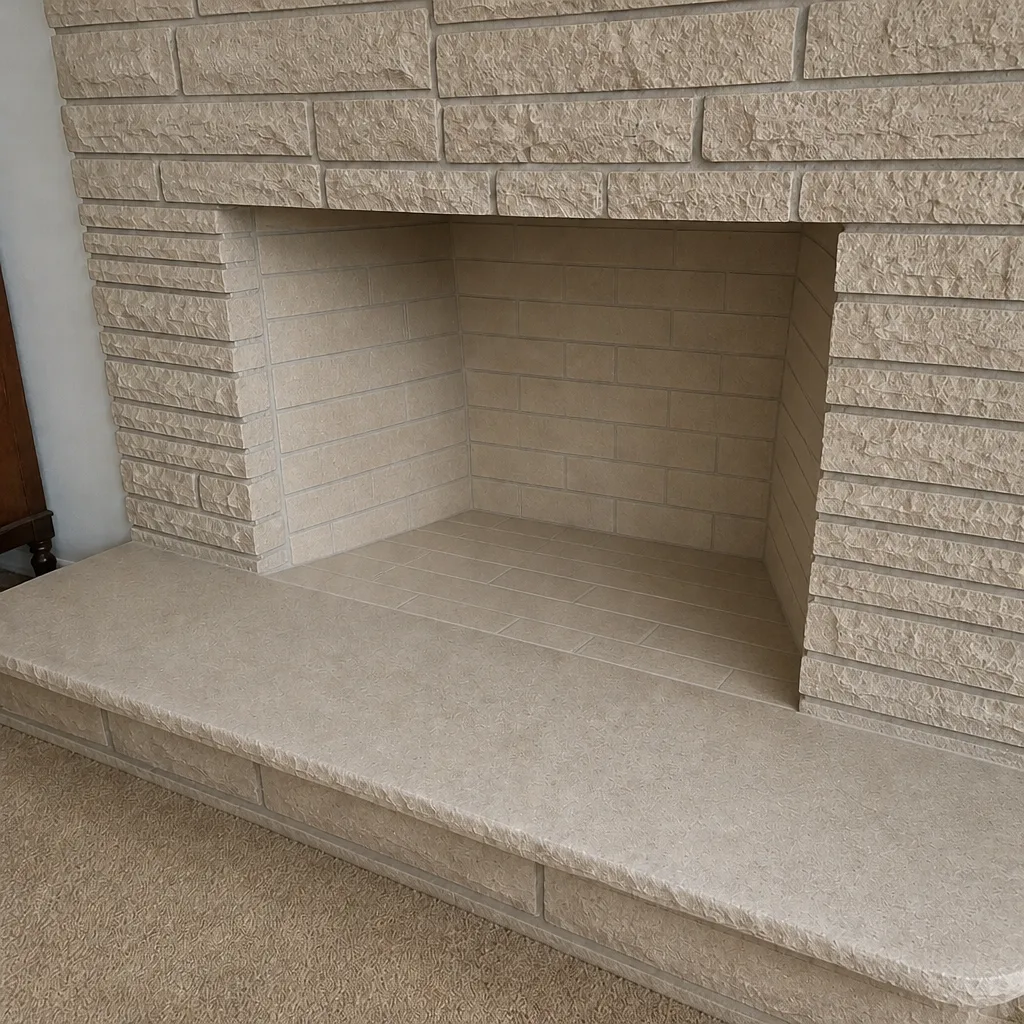
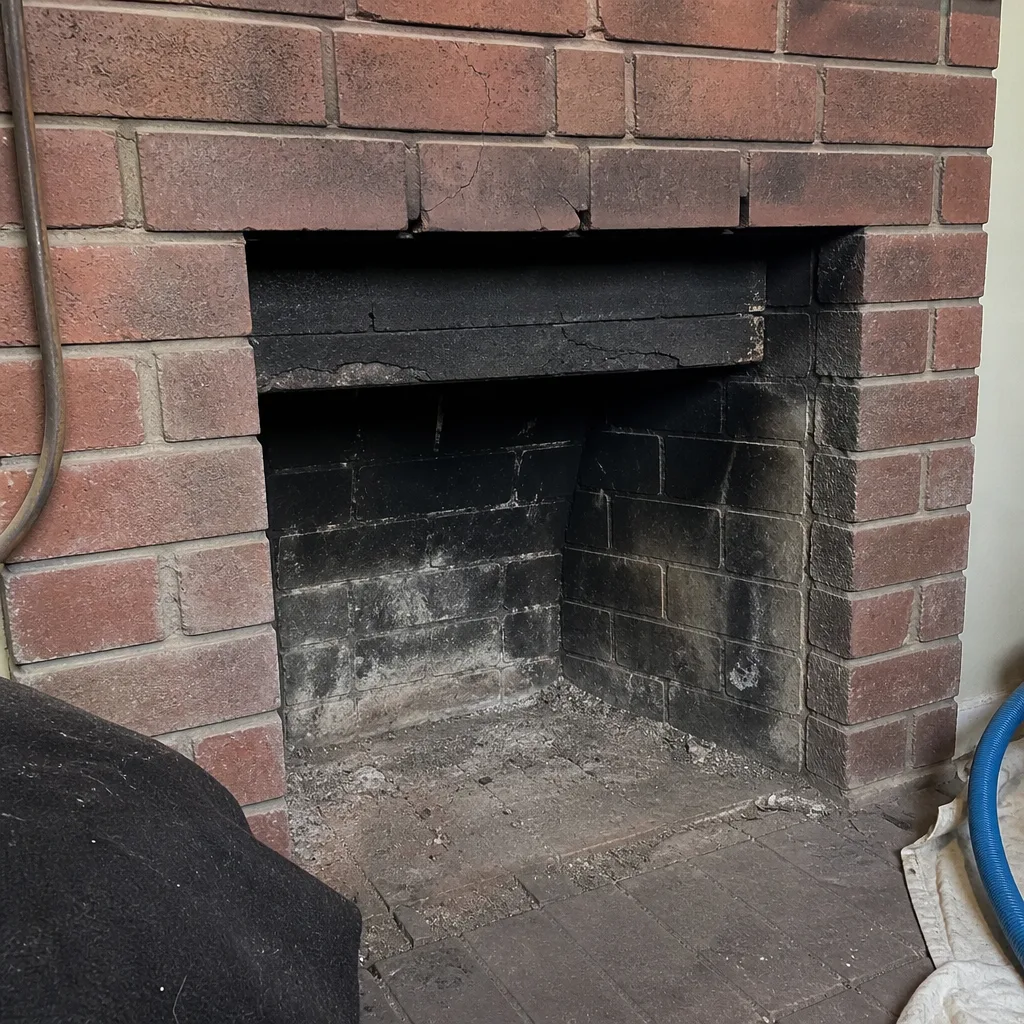
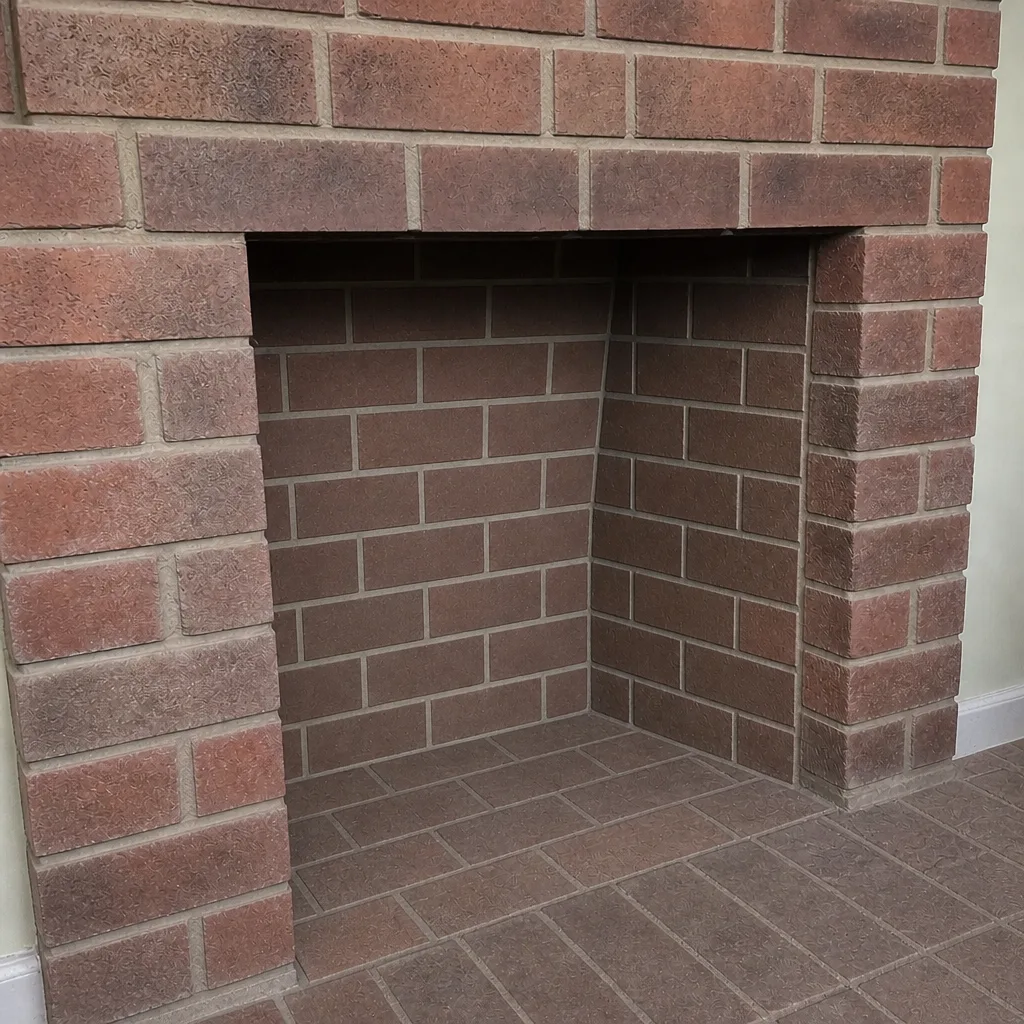
See the difference
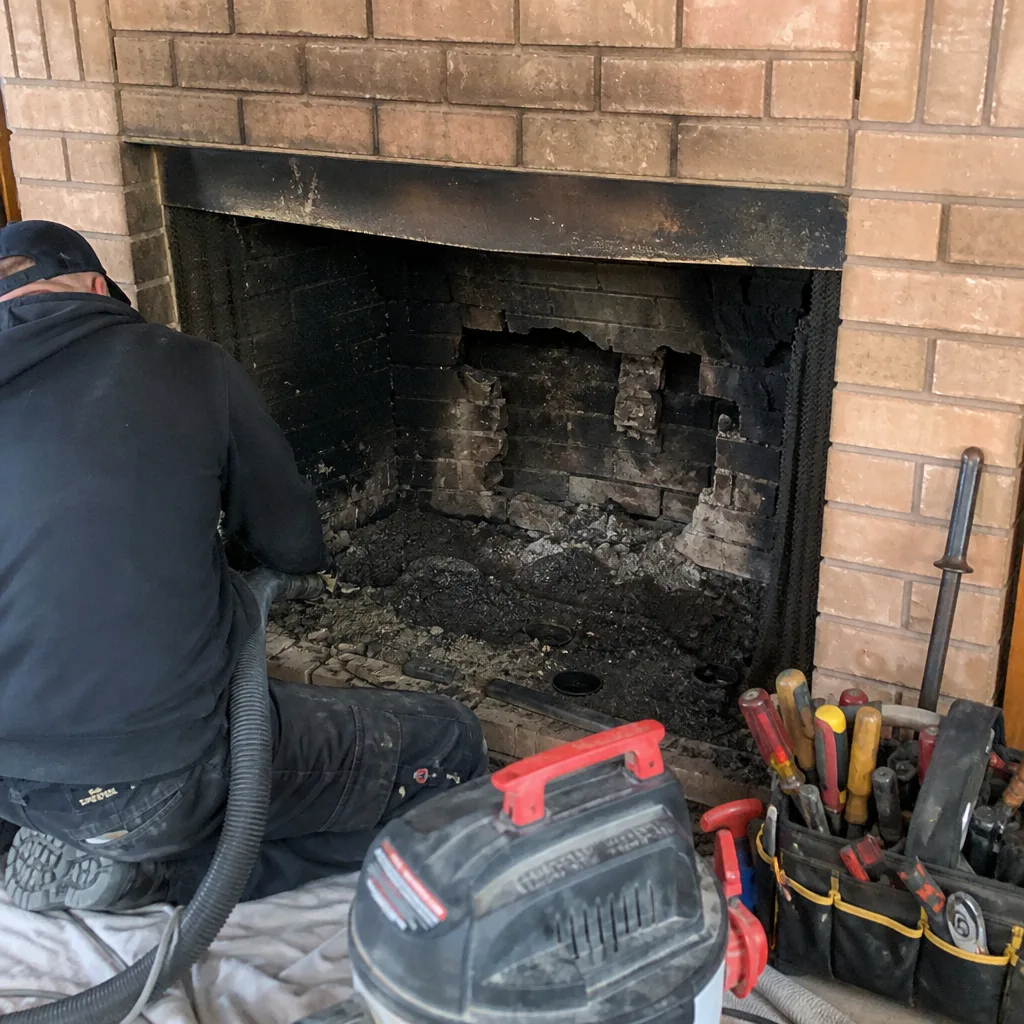 Before
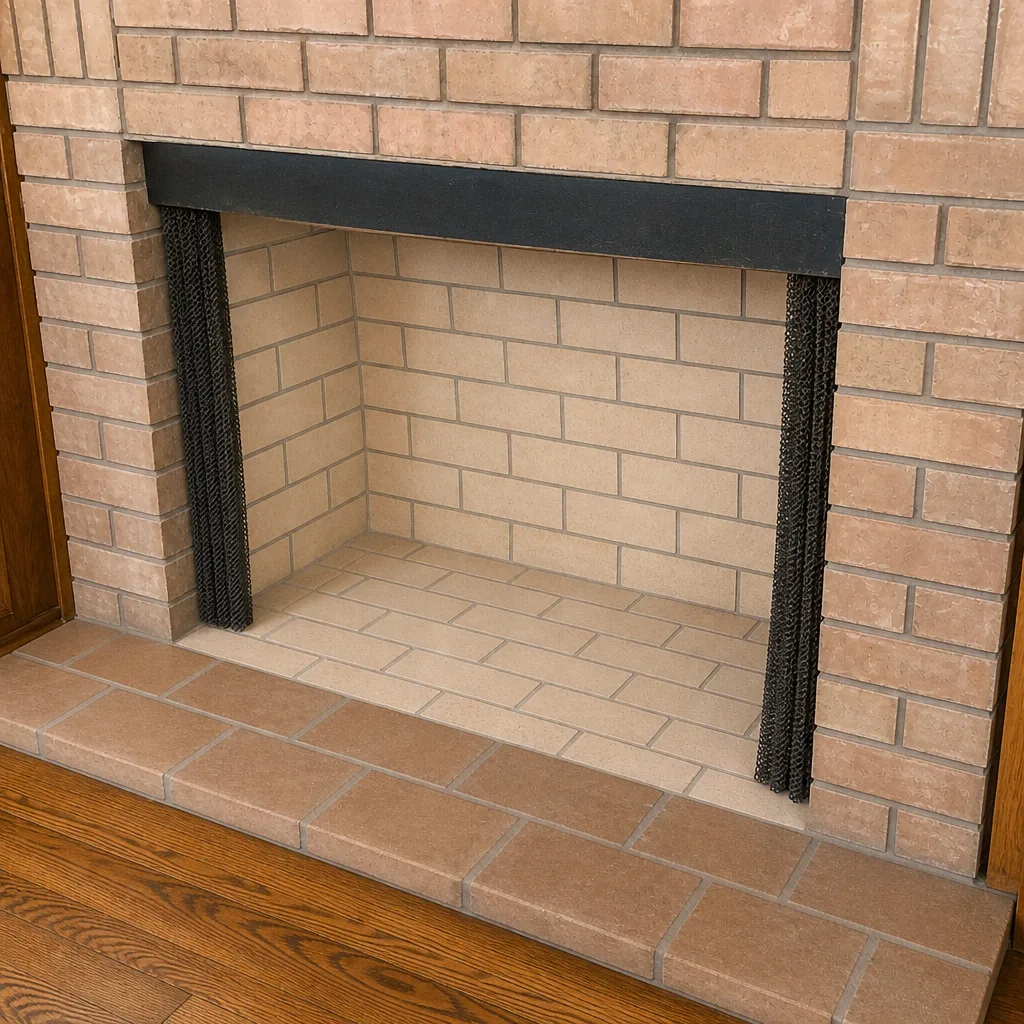 After
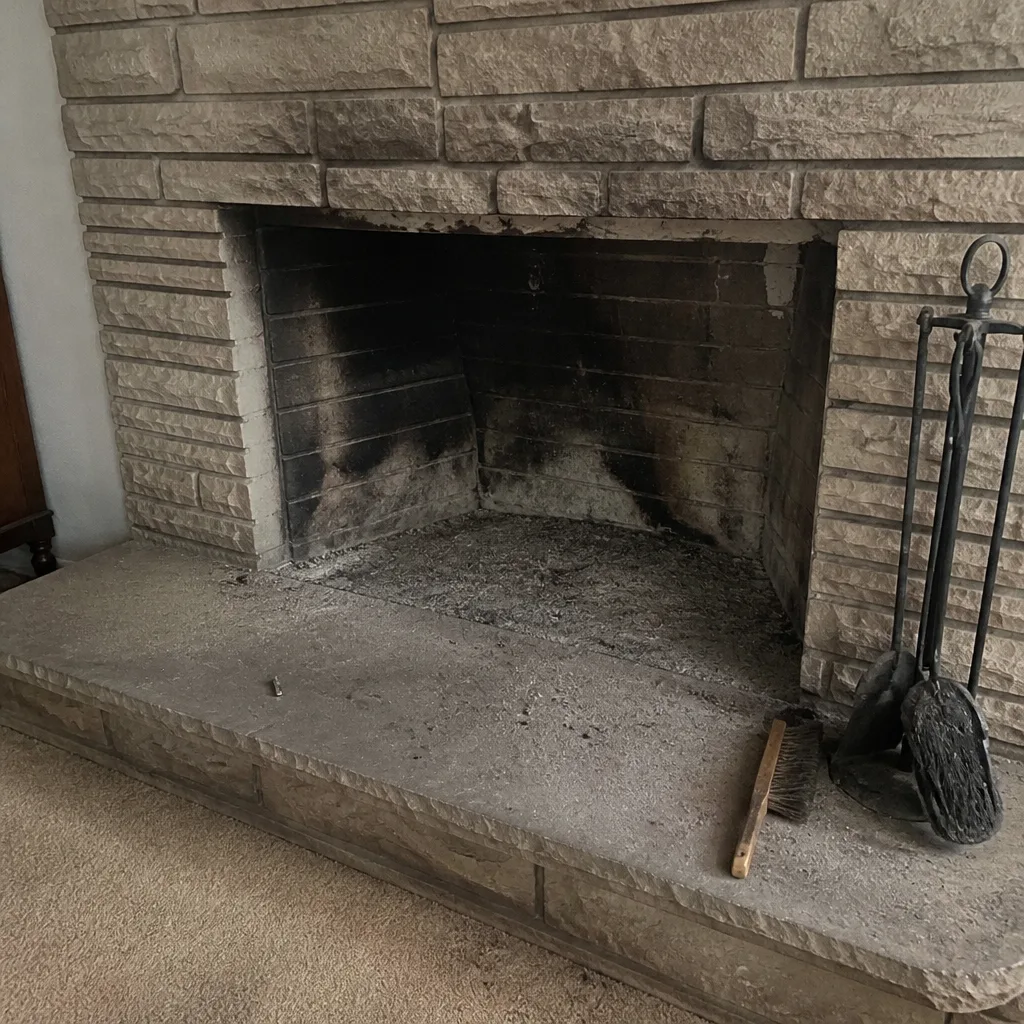 Before
 After
 Before
 After
When to Call a Professional
Most chimney maintenance is routine and can wait for its calendar visit. Some things shouldn’t wait. Call a professional if you see water stains or damp patches near the chimney, if the cap looks off from the ground, if the damper won’t close, if the fireplace smells like smoke with no fire lit, or if a carbon monoxide alarm ever sounds. Call before the first fire of the season if you can’t remember the last sweep, and call in spring if the crown looks damaged. Chimney Sweep Buckeye offers free estimates in Buckeye: call (866) 378-9837. We answer 24/7. Fast dispatch from 7am to 7pm, Sunday through Friday. Our technicians have up to 15 years of experience.
Frequently Asked Questions
Most wood-burning chimneys should be swept once a year, and in Buckeye the seasonal calendar makes two visits a better fit: one sweep before the burn season in fall and one after it in March. The spring sweep matters because creosote left sitting through the long dormant summer hardens and becomes harder to remove. Call (866) 378-9837 for an exact schedule based on your fireplace.
Yes, especially here. The June through September storms are the biggest threat to caps, crowns, and flashing in Buckeye, and those parts can’t be checked from the ground. A September inspection catches a shifted cap or cracked crown before it lets water into the house. Call (866) 378-9837 to book one – estimates are free.
It is the best time for any repair that isn’t urgent. The calendar is quieter, so the work gets scheduled on your timeline, and the dry desert heat helps repair materials like crown patching and liner resurfacing cure properly. We use HeatShield for liner resurfacing and DuraFlex for full relining, and both go in well before the fall burn season. Call (866) 378-9837 for a free estimate.
A sealed house with the air conditioning running can change the pressure balance and interfere with the draft, allowing exhaust to spill into the room. If you notice fumes, haze, or headaches, stop using the fireplace and call a professional. Carbon monoxide is a serious concern, and a working CO alarm belongs in any home with a gas fireplace. Call (866) 378-9837 and we’ll take a look.
Do a visual check from the ground: look at the cap, the crown, and the flashing, and check inside for water stains or animal entry. Don’t climb onto the roof yourself, and don’t assume a cap that looks fine from below is actually secure. If you’re not sure, an inspection settles it. Call (866) 378-9837 for an exact quote – estimates are free.
You can clear ash and debris from the firebox, and that’s a sensible step. What you shouldn’t do yourself is a full flue sweep, a liner inspection, crown repair, flashing repair, or anything involving a gas line. Those need the right tools, the right access, and a trained eye. Call (866) 378-9837 if you’d rather have it done properly.
The Bottom Line
Buckeye’s climate rewrites the standard chimney calendar. The burn season is short, the storms are concentrated in summer, and the dormant stretch is long enough that creosote hardens while it sits. The fix is four touchpoints, not one: pre-monsoon in May, post-monsoon in September, pre-burn in October or November, and post-burn in March. Use summer for the repairs that don’t have to be rushed, keep a good cap on the flue, and check the top of the chimney after every storm season. For homeowners in Buckeye, that’s the whole system, and it keeps a fireplace safe year-round. Call (866) 378-9837 for a free estimate. We answer 24/7. Fast dispatch from 7am to 7pm, Sunday through Friday.
Contact
Have a question about the calendar that fits your home, or need a sweep, inspection, or repair booked on the right schedule? Call Chimney Sweep Buckeye at (866) 378-9837 for a free estimate. We answer 24/7. Fast dispatch from 7am to 7pm, Sunday through Friday.
Written by the team at Chimney Sweep Buckeye.