
Last updated November 15, 2026
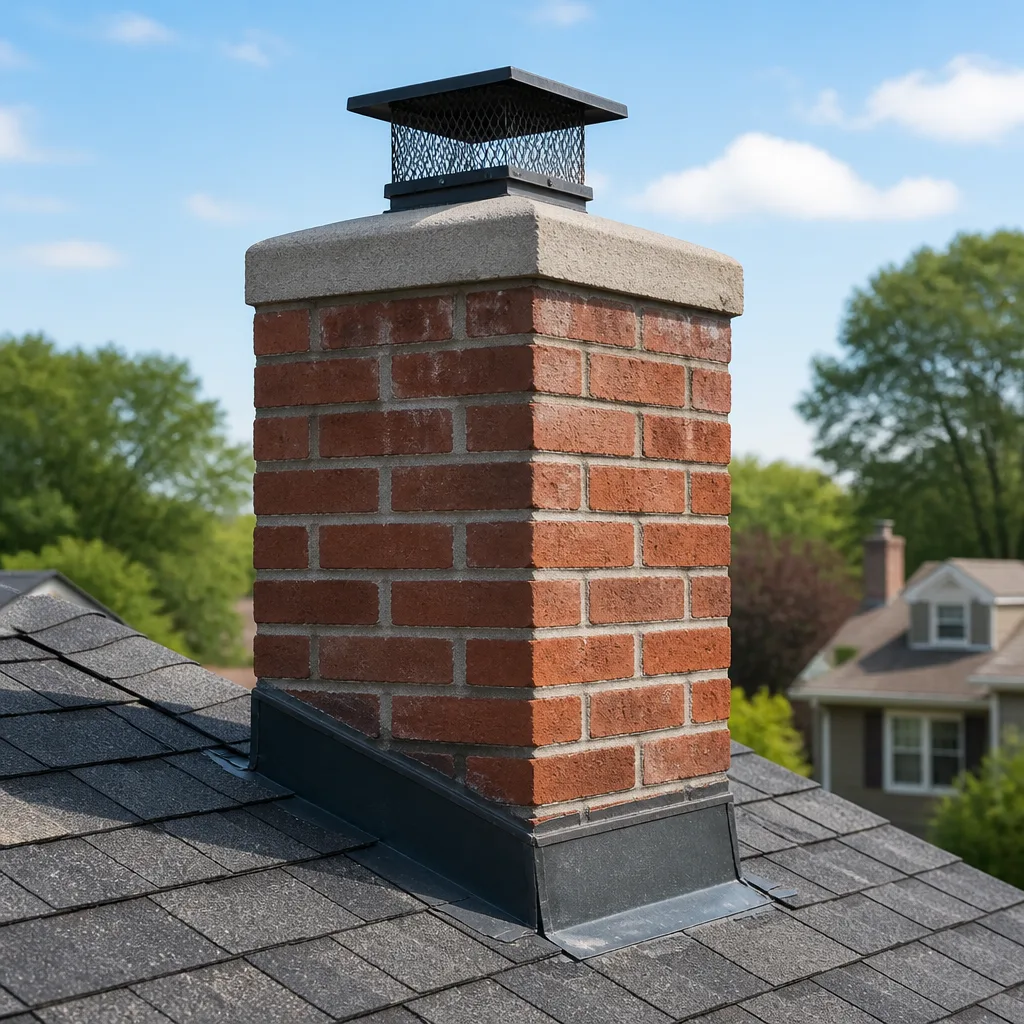 Sweep & inspection
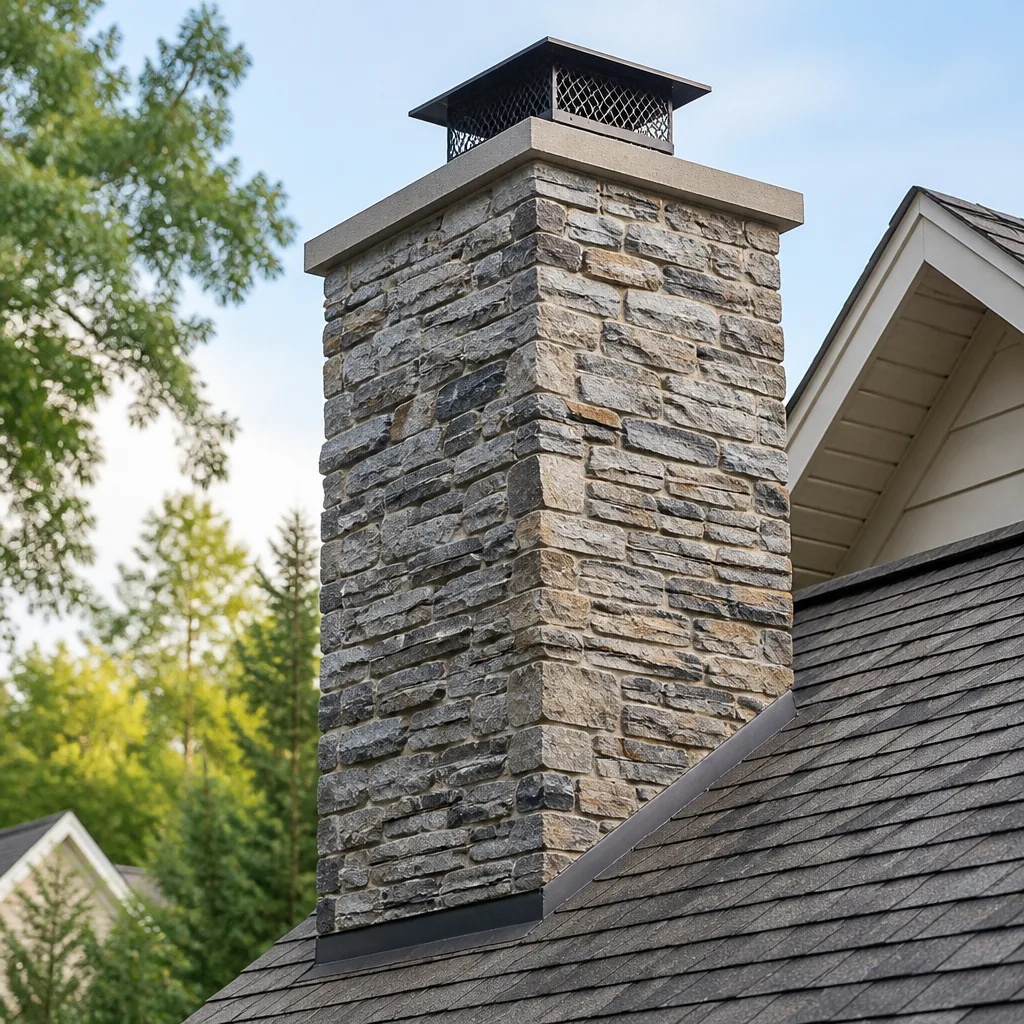 Caps & crowns
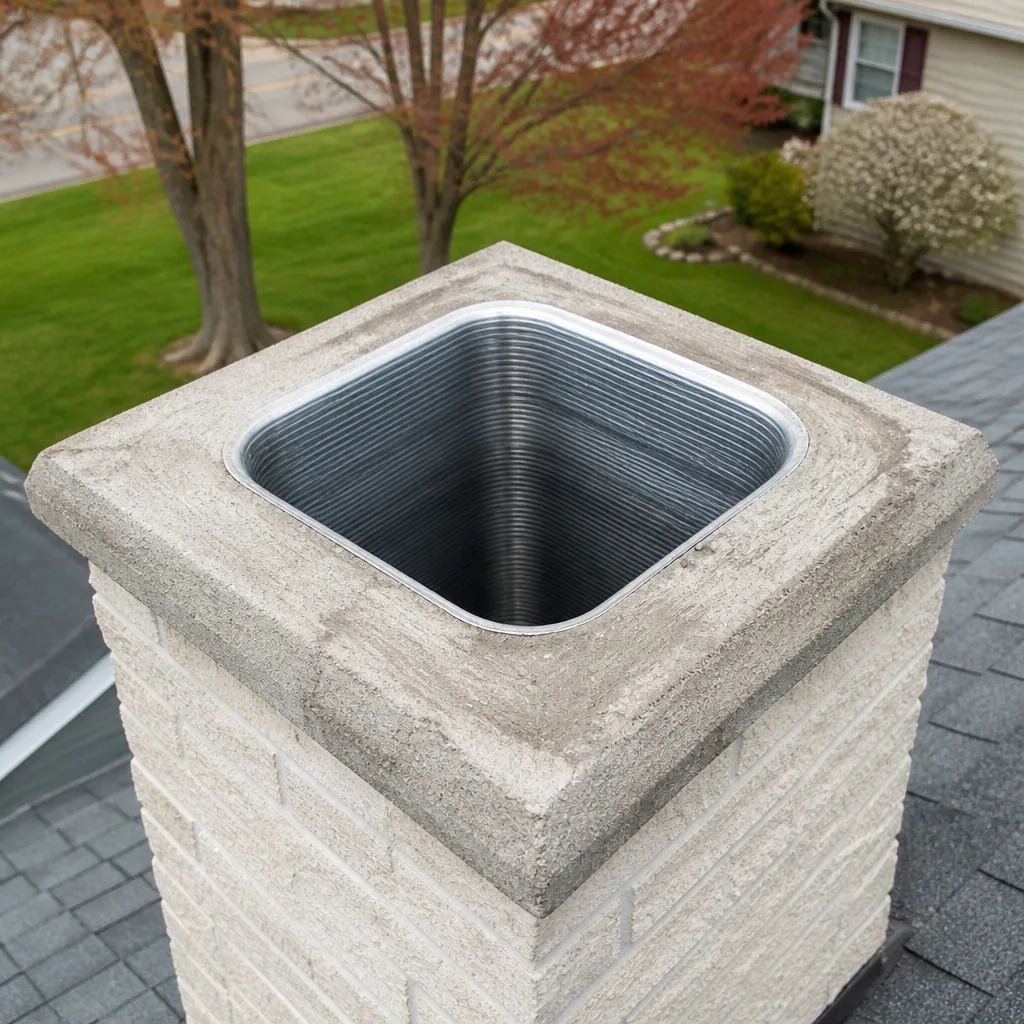 Flue relining
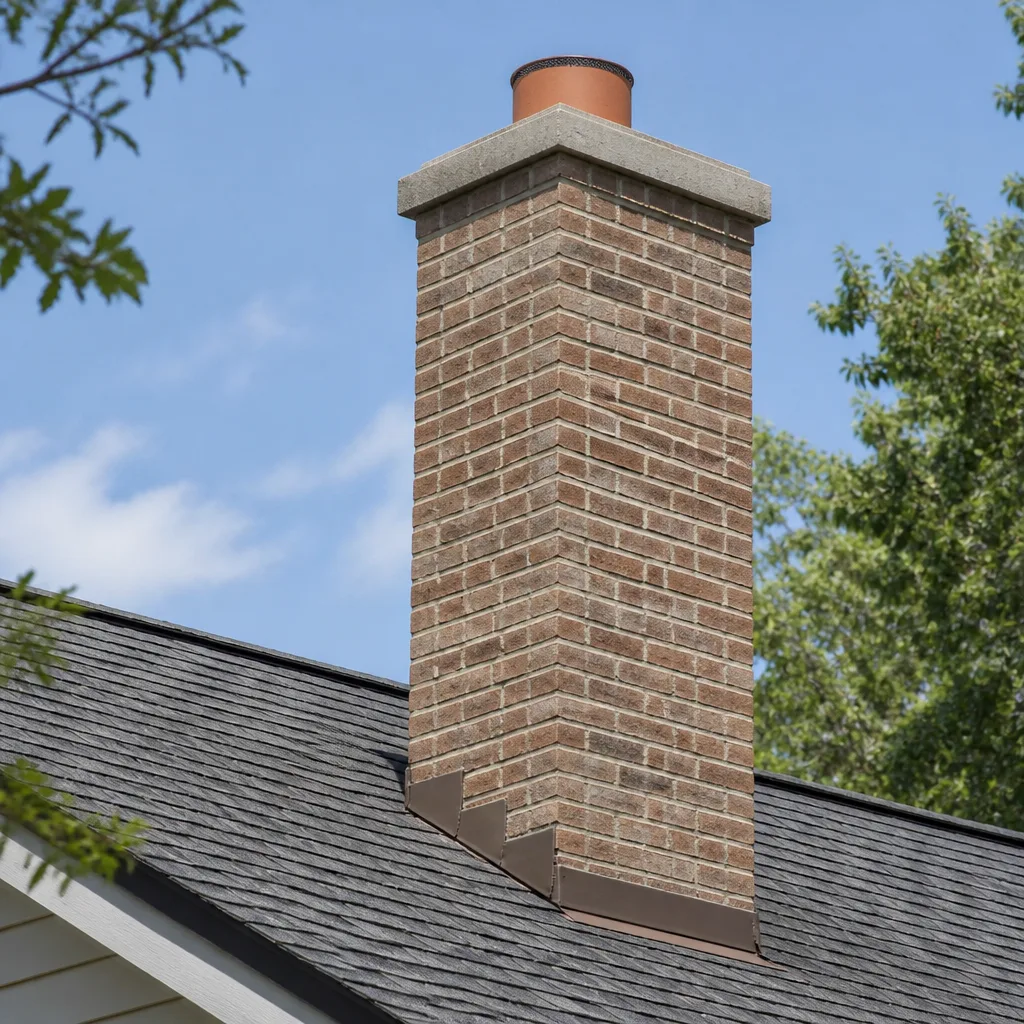 Masonry repair
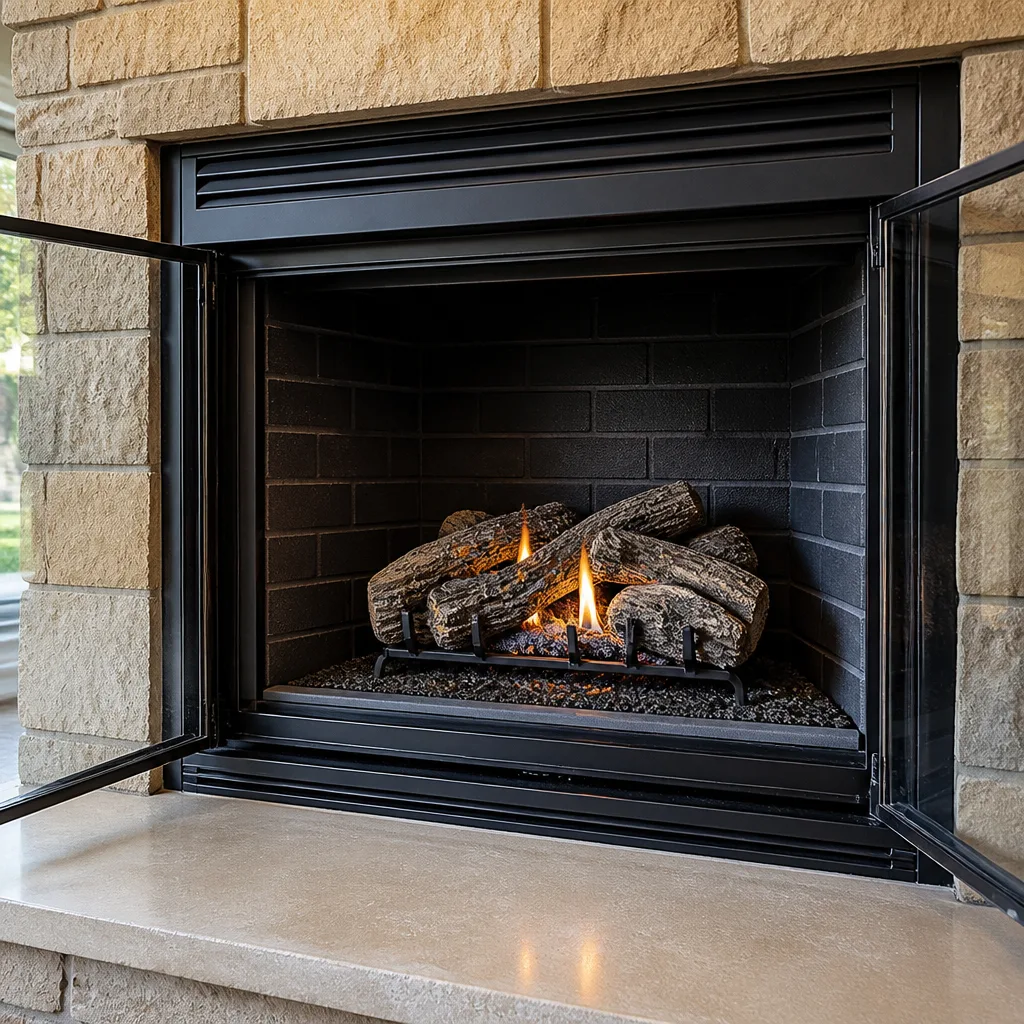 Gas fireplace service
Level 1 sweep and inspection to the NFPA 211 annual standard - flue, crown, cap, and flashing checked and photographed
Chimney sweep logs do not sweep chimneys. They loosen some creosote - which then falls where a brush and vacuum still have to collect it.
How to Hire a Chimney Cleaning Contractor in Buckeye: A Step-by-Step Guide
Here’s the part most homeowners don’t know: Arizona doesn’t license chimney sweeps. There’s no state credential that proves the person at your door has ever cleaned a flue, inspected a liner, or knows the difference between creosote glazing and a harmless dusting. Anyone with a brush, a shop vacuum, and a magnetic sign can call themselves a chimney professional. That’s not meant to alarm you. It’s meant to arm you. In a Buckeye market that’s adding rooftops faster than almost anywhere in the Valley, the gap between a specialist and a generalist with a ladder is real, and it’s your job to spot it. This guide walks you through the questions, credentials, and job-site behaviors that separate the two, so you hire once and hire right.
Quick Answer
To hire a chimney cleaning contractor in Buckeye, verify CSIA certification by asking for the technician’s certification number and checking it against the Chimney Safety Institute of America’s online directory, confirm the company carries liability insurance and workers’ compensation, demand a written scope of work before anyone climbs on your roof, and ask which professional-grade brands they use for any repair work. A true specialist sweeps, inspects, and repairs with industry-standard materials like DuraFlex, HeatShield, Gelco, or Olympia Chimney. A generalist usually sweeps and leaves. Get a free estimate by calling (866) 378-9837. We answer 24/7. Fast dispatch from 7am to 7pm, Sunday through Friday.
Styles & brands we work with
- Sweep & inspection
- Caps & crowns
- Flue relining
- Masonry repair
- Gas fireplace service
Table of Contents
- Why Arizona Doesn’t License Chimney Sweeps (and What to Ask Instead)
- The CSIA Credential: The Industry’s Real Standard
- Five Questions to Ask Before You Book
- What a Legitimate Pre-Job Inspection Looks Like
- Red Flags in a Chimney Sweep Quote
- How to Judge Whether Materials Are Professional-Grade
- What Sweep Day Should Actually Look Like
- Common Mistakes to Avoid
Why Arizona Doesn’t License Chimney Sweeps (and What to Ask Instead)
Arizona regulates plenty of trades: electricians, plumbers, roofers, contractors of all stripes. Chimney work isn’t one of them at the state level. That means a person can print “Chimney Sweep” on a business card without having ever been evaluated on their knowledge or their work. No exam, no apprenticeship requirement, no continuing education mandate. The consumer protection that exists elsewhere in the trades simply isn’t built into chimney sweeping here.
What fills that gap? Industry certification and private accountability. The national body that certifies chimney sweeps is the Chimney Safety Institute of America, and its certification is the closest thing to a recognized credential this trade has. A CSIA-certified sweep has passed a proctored exam, agreed to a code of ethics, and committed to ongoing education. It’s voluntary. That’s exactly why it means something. A contractor who won’t pursue it either doesn’t know it exists or has decided not to bother. Neither is a good sign for the person you’re about to trust with a fire hazard in your home.
Beyond certification, look for:
- Liability insurance. A ladder slip onto a tile roof or a dropped brush onto a glass cooktop is expensive. Ask for a certificate of insurance, not just a verbal “we’re covered.”
- Workers’ compensation. If the person on your roof is injured and their employer doesn’t carry workers’ comp, the liability can follow you. Ask.
- A physical business address and a real business name. Not a P.O. box and not “Chimney Guys of the West Valley.”
- A written scope of work. Even for a routine chimney sweep, you should know what’s included before anyone starts.
None of this is about ticking boxes. It’s about filtering out the people who never expected to be asked. In a Buckeye market where new neighborhoods are filling in fast and word-of-mouth hasn’t caught up yet, asking these questions directly is how homeowners separate the real thing from a weekend side job.
The CSIA Credential: The Industry’s Real Standard
If you remember one thing from this guide, make it this: the CSIA certification is the credential that matters in chimney work. The Chimney Safety Institute of America is a nonprofit that has been evaluating chimney professionals for decades, and its certification program is the one the industry itself recognizes. A CSIA-certified sweep has demonstrated working knowledge of chimney construction, venting, creosote behavior, and combustion safety. They’ve also agreed to a standard of conduct and committed to ongoing education, which matters in a trade where venting standards and liner technology keep evolving.
Here’s the part most homeowners miss. You don’t take a contractor’s word for certification. You verify it. The CSIA maintains a public directory of certified sweeps, searchable by name and location. Any certified sweep can give you a certification number on the spot. If they hesitate, hand-wave, or say their card is “in the truck,” that’s your answer. Ask them to send it in writing before they arrive.
Practical verification steps:
- Ask for the technician’s name and CSIA certification number when you book, not when they arrive.
- Search the CSIA directory yourself and confirm the name and number match.
- Ask which specific technician will perform the work. Some companies have one certified lead and send uncertified helpers. That’s not automatically disqualifying, but you deserve to know.
- Check the certification is current. CSIA certification requires renewal, and lapsed certifications do exist.
One more note: CSIA certification applies to individuals, not companies. A company can advertise that its staff is certified, and many do, but the certification belongs to a person. Ask which person, and verify that person. If the company can’t tell you, that’s a hiring decision you can make with your eyes open.
Five Questions to Ask Before You Book
The phone call before the visit tells you nearly everything. A specialist answers these with specifics. A generalist dances. Here are the five questions that separate them, and what a good answer sounds like.
1. “Do you perform a Level 1 inspection as part of every cleaning?” A proper sweep includes a visual inspection of the accessible portions of the chimney, the firebox, the damper, and the venting system. If the answer is “we just clean,” you’re talking to a maintenance visit, not a professional service. A trained sweep inspects while they clean, because the cleaning is how they see.
2. “What brands of liner and repair materials do you use?” Vague answers here are telling. Professional sweeps use named industry materials: DuraFlex for flexible liner systems, HeatShield for liner resurfacing, Gelco or Famco for chimney caps, Olympia Chimney for venting components. If the response is “we use good stuff,” ask them to name it. They either can or they can’t.
3. “Can you handle a repair if you find one, or do you subcontract it?” This is where generalists get exposed. Many sweeping services clean, spot a cracked liner, and hand off the repair to someone else, which means another appointment, another scope, another chance for the message to get garbled. A full-service specialist sweeps, inspects, and repairs with the same team. Ask.
4. “What does your quote include, in writing?” The answer should be specific. Sweep, inspection, photos, a written report of findings, and a clear scope for any additional work. If a quote is just a number with no line items, you’re buying a black box.
5. “Who will be in my home, and are they insured?” You’re entitled to know who’s coming and what coverage they carry. Ask about liability and workers’ comp at the same time. A real business answers without flinching.
The pattern here matters more than any single answer. Someone who works chimneys all day every day will answer these fluently, almost reflexively, because they’re part of the job. Someone who splits their time between chimneys and carpentry will stumble. Listen for the fluency.
What a Legitimate Pre-Job Inspection Looks Like
Before any brush goes up a flue, a real sweep inspects. Not a quick peek with a flashlight – an actual evaluation of the system. This step is what separates a maintenance visit from professional work, and it’s also the step a generalist most often skips. If someone arrives and heads straight to the roof with a brush, that’s a signal.
A proper inspection includes:
- Firebox and damper check. Cracks in the firebox masonry, a damper that doesn’t open or seal, and evidence of smoke rolling back into the room are all things worth finding before a fire is lit.
- Flue interior assessment. Creosote buildup level, condition of the flue tiles or liner, and any obstruction.
- Chimney exterior. Crown condition, flashing, cap, mortar joints, and brick spalling.
- Draft and venting review. How the system breathes, and whether anything is fighting it.
- A camera inspection when the system calls for it. A camera run down the flue is how a sweep sees what the eye can’t from the top or bottom.
- A written report with photos. Not a verbal “you’re all set.” A document you can keep, showing what was found and what, if anything, needs attention.
In Buckeye, the inspection matters for a reason specific to the climate. Summers here push 110 degrees, and the wood-burning season is short. Homeowners often go months without lighting a fire, and chimneys sit closed up through the hottest part of the year. By the time the first cool evening arrives, problems that were there in spring haven’t fixed themselves. An inspection catches them before the first fire of the season, not after.
When we inspect, we’re looking for the same things a CSIA-certified sweep anywhere looks for, but we’re paying attention to how this climate treats a chimney. Long dry stretches, monsoon humidity spikes, and the dust that comes with both. A crown that looks fine in October can be ready for repair by the following fall, and the only way to know is to look.
Red Flags in a Chimney Sweep Quote
Most chimney-sweep horror stories start with a quote. Not a bad sweep, a bad quote. Vague pricing, unclear scope, and pressure at the door are the three ways a generalist makes money on a job they shouldn’t handle. Here’s what to watch for.
Vague line items. “Chimney cleaning: $X” with nothing else on the page is a quote designed to leave the door open. The problem is that “chimney cleaning” can mean anything from a full sweep and inspection to a quick scrape and a wave goodbye. Ask for a breakdown: sweep, inspection, photos, report, any additional line items separately.
No written scope. If the quote is verbal, or arrives as a text message, or gets sketched on the back of a business card, you don’t have a scope. You have a number. When a contractor finds something, and they will, the scope is what protects you from the conversation turning into a negotiation.
Pressure to approve additional work the same visit. This is the classic move. A sweep climbs down, tells you the liner is shot, and offers to fix it “while we’re here” for a price that sounds like a deal. Sometimes the finding is real. Often it’s not, or it’s exaggerated, and the pressure is the tell. A specialist will document the finding, show you photos, explain what’s actually dangerous and what can wait, and put any repair work in a separate, written scope. Nobody should be approved for a four-figure liner job on the strength of a twenty-second conversation on your front step.
No names, no photos, no proof. A quote with no company name, no phone number, and no printed materials is a quote you can’t verify. Simple as that.
Prices dramatically below everyone else. If one quote is thousands below the others, ask why. Either the scope is different, or the materials are different, or nothing is being inspected. A cheap sweep that misses a cracked flue costs far more than a fair sweep that catches it.
“We don’t need to inspect this one.” Any contractor who suggests skipping the inspection portion is a contractor who has decided the inspection isn’t worth their time. You’ll want to skip them.
When a real problem does show up, you want to be talking to a company that can fix it. We handle chimney repair with professional-grade materials, and we don’t pressure anyone into a decision on the spot. If your liner needs resurfacing through HeatShield or a full reline through DuraFlex, you’ll see the photos and get a written scope before anything is approved.
How to Judge Whether Materials Are Professional-Grade
The single best way to tell a specialist from a generalist is to ask what materials they use. Not “good materials.” Named brands. In a trade where a failed liner can send carbon monoxide into a living room, the difference between industry-standard products and generic substitutes isn’t cosmetic.
Here’s what a Buckeye homeowner can reasonably expect from a chimney professional:
- Flexible stainless liner systems for full relining jobs. DuraFlex is the name most specialists reach for on flexible liner installations, and its presence in a quote is a good sign the contractor knows what they’re doing.
- Liner resurfacing materials for chimneys where the flue is deteriorated but not completely failed. HeatShield is a repair-grade product used to resurface liners, and it’s not a product most general sweep services carry or know how to apply.
- Chimney caps and covers from established manufacturers like Gelco or Famco. A cap is the first line of defense against water intrusion and animals, and a professional treats it as part of the job, not an upsell.
- Venting components from Olympia Chimney for stove, insert, and appliance venting.
Why does this matter? Because a contractor who buys generic materials is telling you where they shop and how they think. A sweep who orders their liner from a brand the industry relies on has made the decision to do the job the durable way. A sweep who picks up whatever’s on the shelf is treating your chimney like a small job that doesn’t deserve a spec.
For homeowners on the west side of the Valley, in Verrado, Tartesso, and the newer builds off Sun Valley Parkway, this matters more than it once did. These homes are relatively young, but the chimneys get used hard when they get used at all, and the wood-burning season here is concentrated into a handful of months. That means concentrated creosote, concentrated heat, and a system that gets its whole year of work in a short window. Materials that hold up under that pattern are worth asking about.
One more point on materials. Chimney caps are not a luxury. In Buckeye, where the wind can carry dust and the occasional monsoon, a capped flue is a protected flue. Ask which brand of cap the contractor installs, and whether installation is included in the quote. A professional will answer both without prompting.
What Sweep Day Should Actually Look Like
Once you’ve verified credentials and approved a written scope, the visit itself should be uneventful. That’s the goal. Here’s what a professional chimney sweep visit looks like, step by step.
- Arrival and setup. Drop cloths go down, or a containment system is set up around the fireplace opening. Professional sweeps control dust; they don’t just apologize for it.
- Pre-cleaning inspection. The technician checks the firebox, damper, flue, cap, and crown before cleaning. This is where findings start showing up.
- Sweep. The flue is brushed from top to bottom with the appropriate tools, and the debris is removed. The fireplace opening stays protected.
- Screen or camera inspection. The technician runs a camera down the flue to look for cracks, gaps, and buildup the eye won’t catch. This is the step that separates a real inspection from a guess.
- Cap and exterior check. Cap condition, crown, flashing, and flashing joints get looked at. This is where the small repairs that prevent bigger ones get identified.
- Written report with photos. You should receive a document that lists what was found, in plain language, with photos. Anything that needs repair gets explained in priority order, with a note about what can safely wait.
- Debris haul-away and cleanup. Everything that came out of your chimney leaves your property. No pile on the patio.
Two things to notice in that sequence. First, the inspection comes before the sweep, not after. A contractor who does it the other way round is cleaning blind. Second, the report is written, with photos. If a sweep tells you something without showing you, that’s their opinion, not evidence.
When the report recommends repair, a good contractor will separate the urgent from the eventual. Some findings are a fire or carbon monoxide risk and need attention before you burn. Others are wear and can safely wait a season or two. Knowing which is which is the whole value of a professional inspection, and a specialist should never blur the two to justify a bigger job.
Common Mistakes to Avoid
- Hiring whoever answers the phone first. In a Buckeye market filling up with new homes, the chimney sweep who returns your call fastest may not be the specialist worth hiring. Ask the five questions before you book, not after.
- Skipping the CSIA verification. A contractork saying “we’re certified” is not verification. Look up the certification number in the CSIA directory yourself, before the visit.
- Letting the price decide. A low quote often means a shortened scope: no inspection, no camera, no photos, no report. You’re paying less and getting less, and the part you’re missing is the part that keeps you safe.
- Approving repair work on the same visit without documentation. If a contractor finds a problem, ask for photos and a written scope. There’s no reason to approve a large repair in the same hour it’s discovered. Take the report, think about it, schedule the work separately.
- Ignoring the cap and crown because they’re not “inside” the chimney. Water damage and animal intrusion start at the top. A capped, properly flashed chimney lasts longer and burns safer than an open one.
- Assuming a young home doesn’t need a sweep. Builder-grade chimneys in newer Buckeye neighborhoods still need sweeping and inspection. Age of the house is not a proxy for condition of the flue.
- Using a general handyman for chimney work. Chimney systems are their own trade. Someone who handles drywall, tile, and gutters as well as chimneys is doing none of them at the depth the job requires.
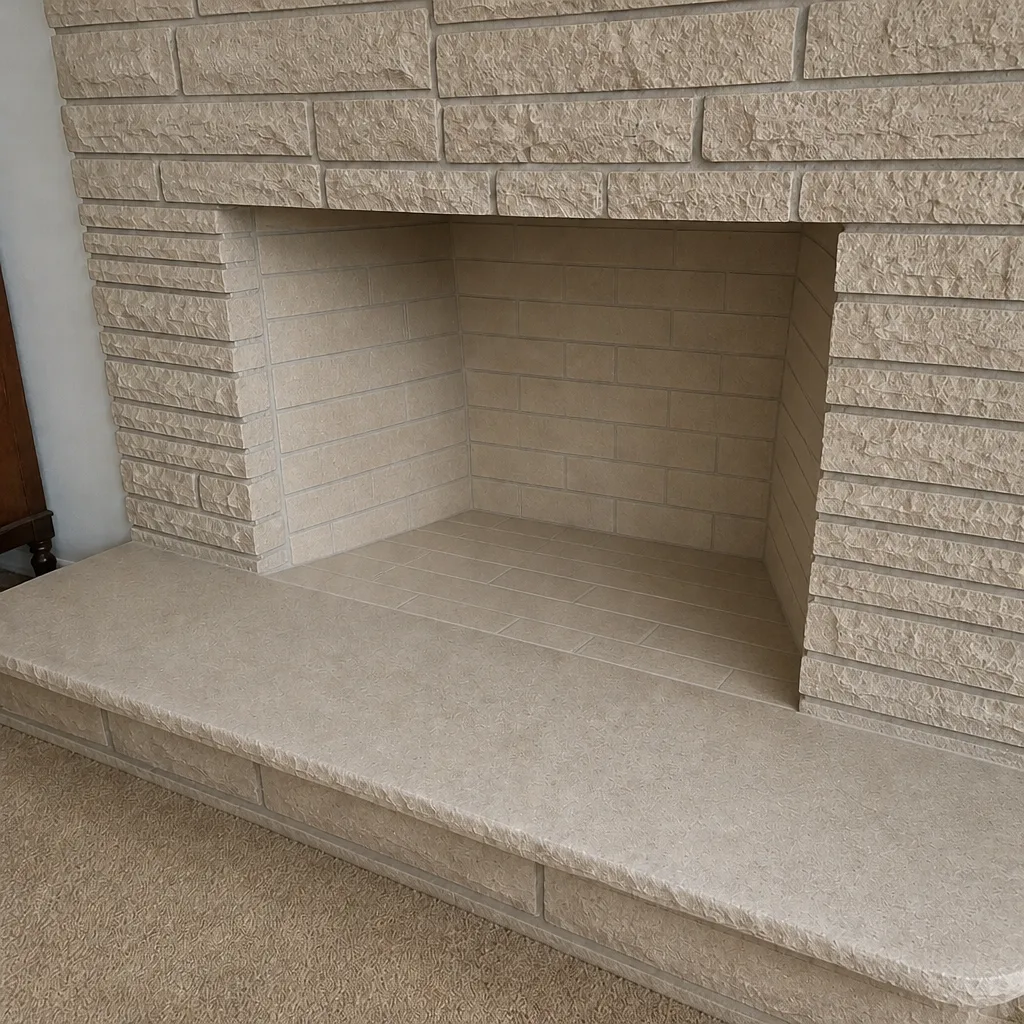
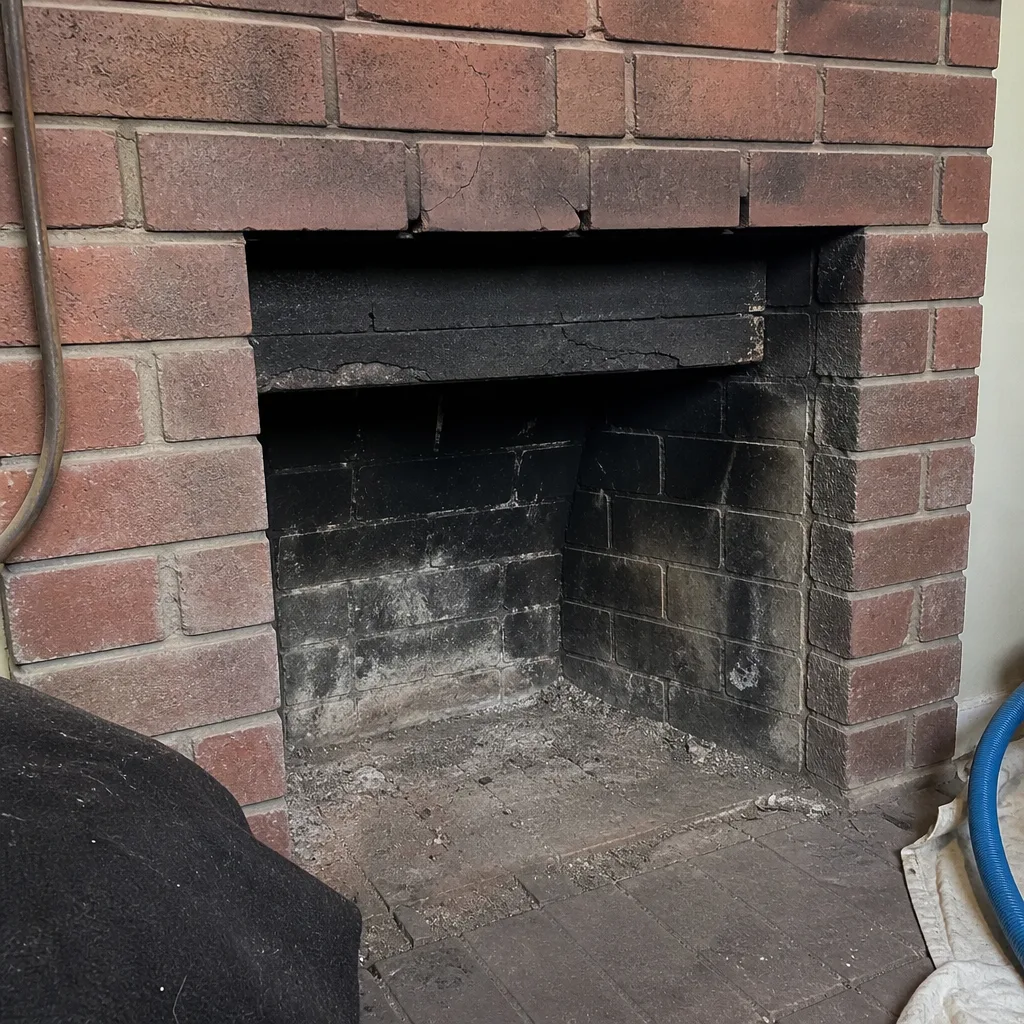
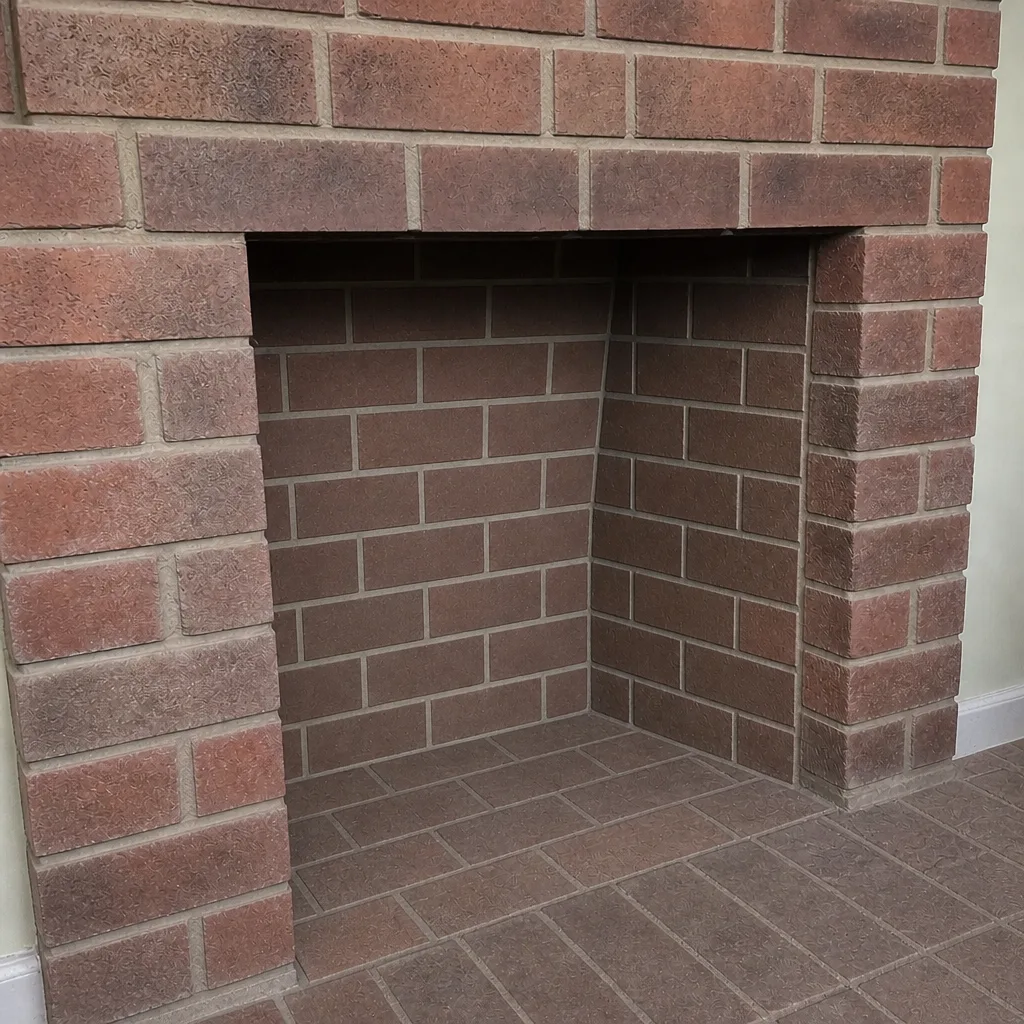
See the difference
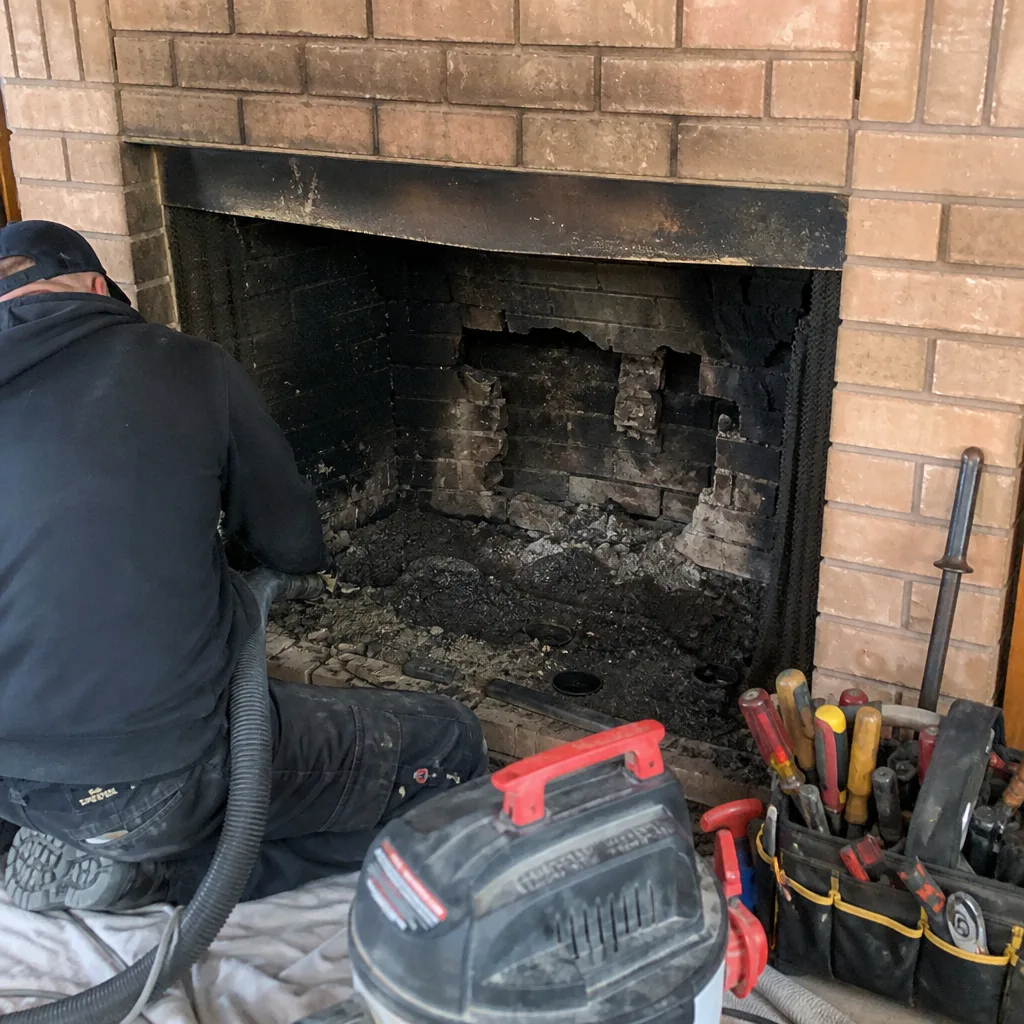 Before
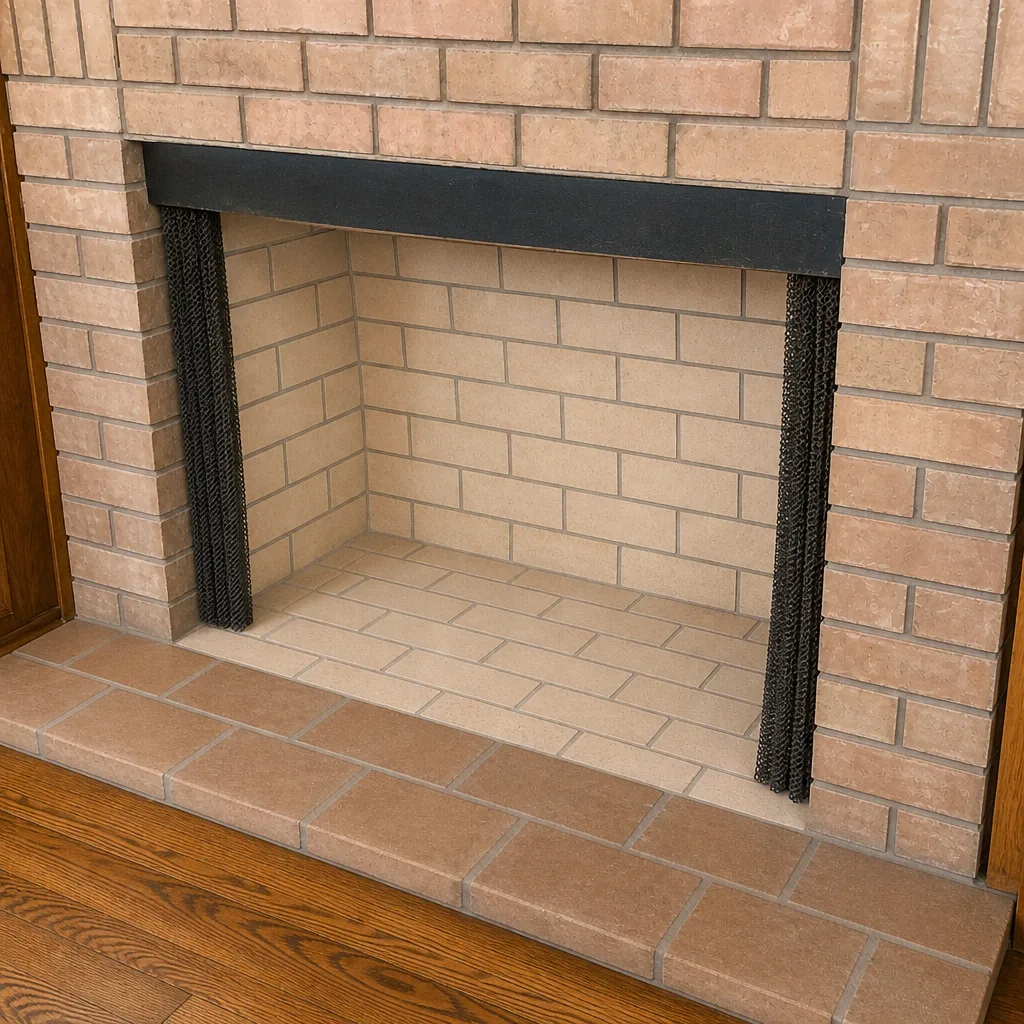 After
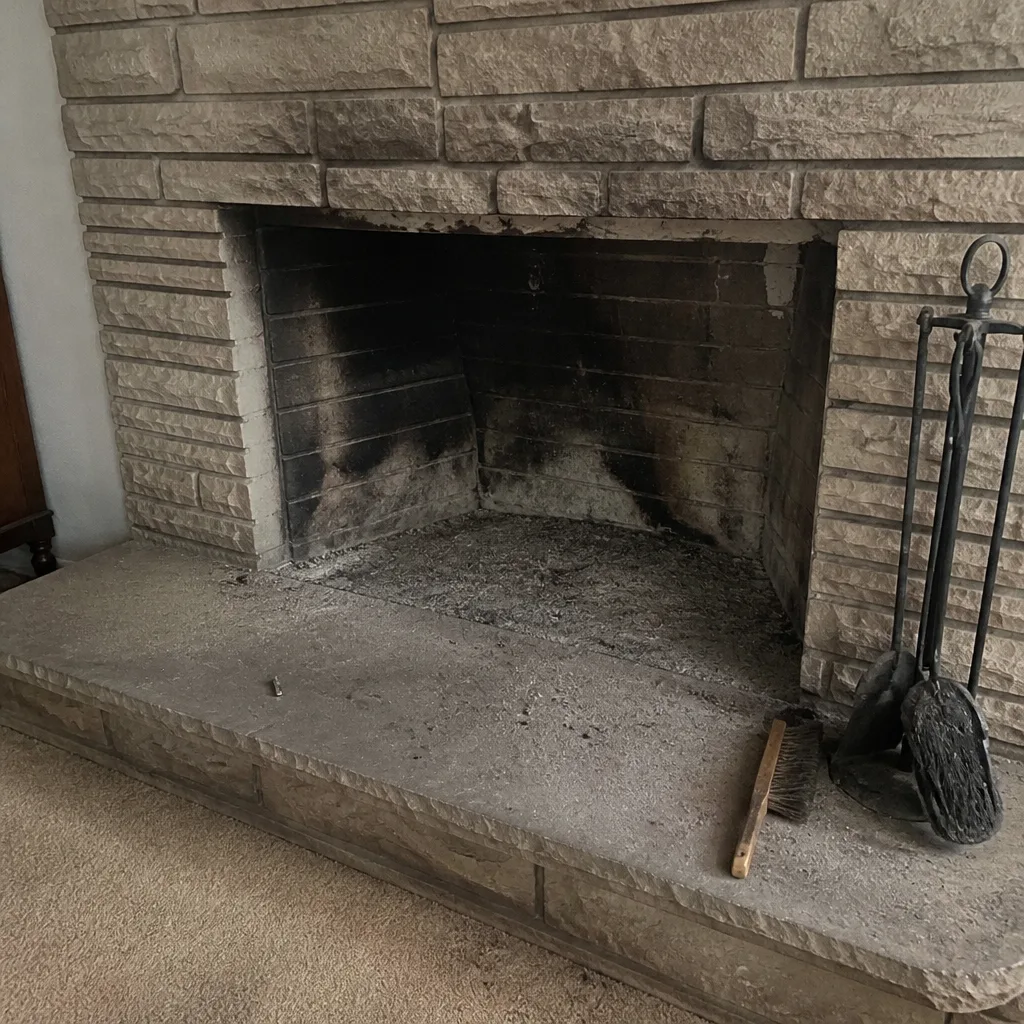 Before
 After
 Before
 After
When to Call a Professional
Some situations call for a Chimney Sweep Buckeye visit before the next fire, not after. If you’ve never had the chimney swept, or you don’t know when it was last done, book an inspection and sweep. If you smell a strong smoky or creosote odor in warm weather, or you see dark buildup on the flue walls, you’re due for a sweep. If smoke rolls into the room when you light a fire, that’s a draft or obstruction issue that needs diagnosing, not ignoring. If you’ve had a chimney fire, even a small one you put out yourself, you need an inspection before you burn again, because the flue may be damaged in ways you can’t see. If there’s visible damage to the cap, crown, or flashing, or evidence of birds or animals in the flue, get it checked. And if it’s been a year or more since the last sweep, you’re due. If you’re unsure, a Level 1 inspection answers the question. Chimney Sweep Buckeye offers free estimates in Buckeye. Call (866) 378-9837. We answer 24/7. Fast dispatch from 7am to 7pm, Sunday through Friday.
Frequently Asked Questions
A standard chimney sweep in Buckeye typically runs in the low-to-mid hundreds of dollars, with a Level 1 inspection often included in that price. The exact figure depends on the chimney’s condition and how accessible the flue is. Get a written quote that breaks out the sweep, the inspection, and any additional line items before you book. Call (866) 378-9837 for a free estimate. We answer 24/7. Fast dispatch from 7am to 7pm, Sunday through Friday.
The industry standard is once a year for a wood-burning chimney that gets regular use, and often twice a year if you burn frequently. In Buckeye, where the burning season is short and concentrated, an annual pre-season sweep and inspection catches problems before they compound. The right interval depends on how much you burn and what you burn, so ask your sweep to recommend a schedule. Call (866) 378-9837 to book an inspection. We answer 24/7. Fast dispatch from 7am to 7pm, Sunday through Friday.
Not always, and you shouldn’t take that recommendation on faith. A liner needs replacing when the camera inspection shows cracks, gaps, or deterioration that compromises the flue, but many chimneys can be repaired with liner resurfacing rather than replaced. Ask to see the photos, get a written scope, and understand what the risk is if you wait. A professional will show you the evidence and tell you when repair can safely be scheduled later. Call (866) 378-9837 for a free estimate. We answer 24/7. Fast dispatch from 7am to 7pm, Sunday through Friday.
Skipping a sweep allows creosote to build up in the flue, and glazed creosote is the fuel that chimney fires burn on. It also means a cracked flue or a damaged cap can go unnoticed for a season or more, which is exactly the kind of problem you want to find on your schedule rather than during a fire. A sweep is cheap insurance against a much more expensive repair. Call (866) 378-9837 for a free estimate. We answer 24/7. Fast dispatch from 7am to 7pm, Sunday through Friday.
CSIA certification is the credential that matters in this trade, because Arizona doesn’t license chimney sweeps at the state level. A certified sweep has passed a proctored exam, agreed to a code of ethics, and committed to continuing education, and you can verify the certification in the CSIA’s public directory. Ask for the technician’s certification number and check it before the visit. It’s the single most reliable way to filter out a generalist. Call (866) 378-9837 to talk through what your chimney needs. We answer 24/7. Fast dispatch from 7am to 7pm, Sunday through Friday.
Yes, in most cases, though it’s a good idea to keep children and pets out of the immediate area while the fireplace opening is open and the equipment is in use. A professional sweep sets up containment to control dust, and the work itself is usually quiet enough that staying home is no problem. If the sweep finds something that requires repair, they’ll walk you through the report when they’re done. Call (866) 378-9837 to schedule. We answer 24/7. Fast dispatch from 7am to 7pm, Sunday through Friday.
The Bottom Line
Hiring a chimney sweep in Buckeye comes down to one idea: verify before you trust. Arizona won’t license this trade for you, so you have to do it yourself. Ask for the CSIA certification number and check it. Confirm insurance and workers’ comp. Insist on a written scope that includes a real inspection, a camera review, and a report with photos. Ask which professional-grade brands the contractor uses for repairs, and treat vague answers about brands as the red flag they are. A true chimney specialist sweeps, inspects, and repairs with the same team, using materials the industry trusts, and shows you the evidence before recommending a repair. We’d rather you hire the right person once than pay twice for the wrong one. When you’re ready, call us and we’ll walk through exactly what your chimney needs, with no pressure and nothing recommended without proof you can see. Call (866) 378-9837 for a free estimate. We answer 24/7. Fast dispatch from 7am to 7pm, Sunday through Friday.
Written by the team at Chimney Sweep Buckeye.