
Last updated November 15, 2026
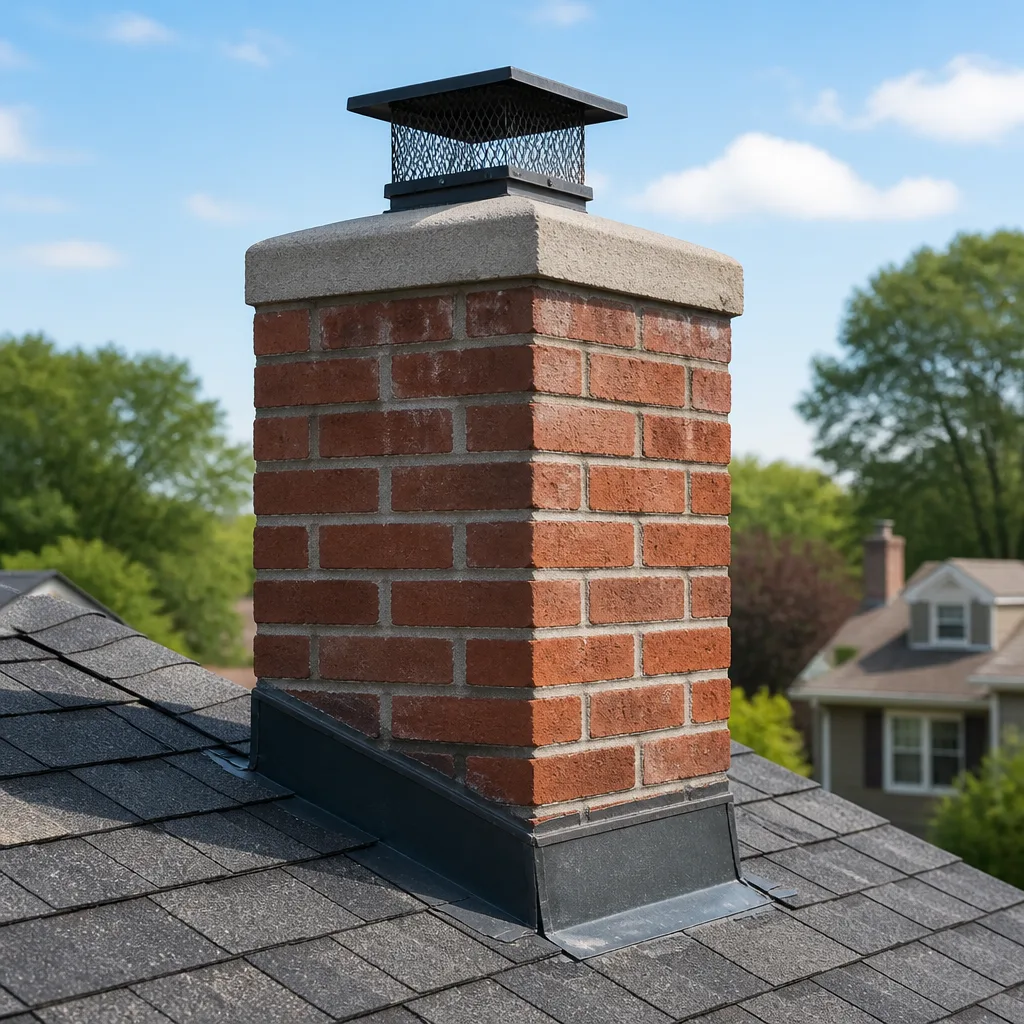 Sweep & inspection
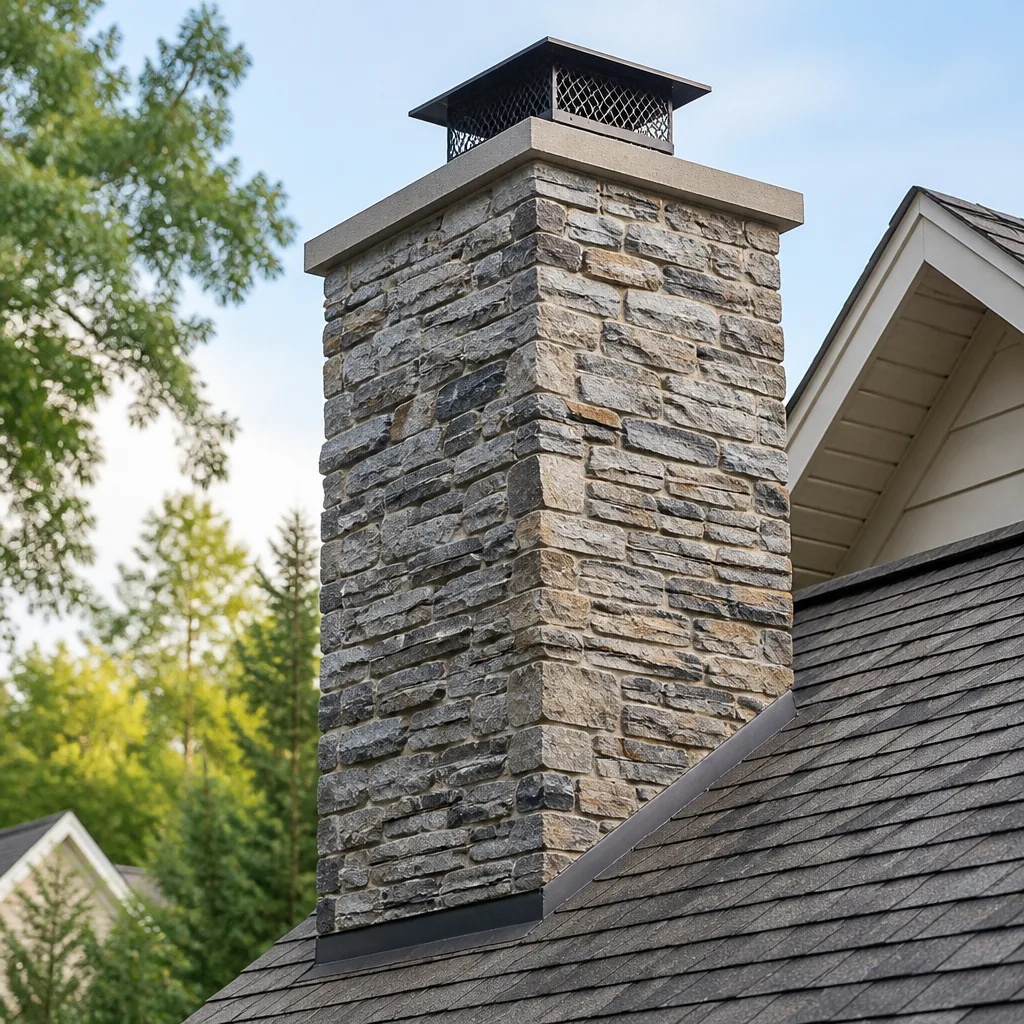 Caps & crowns
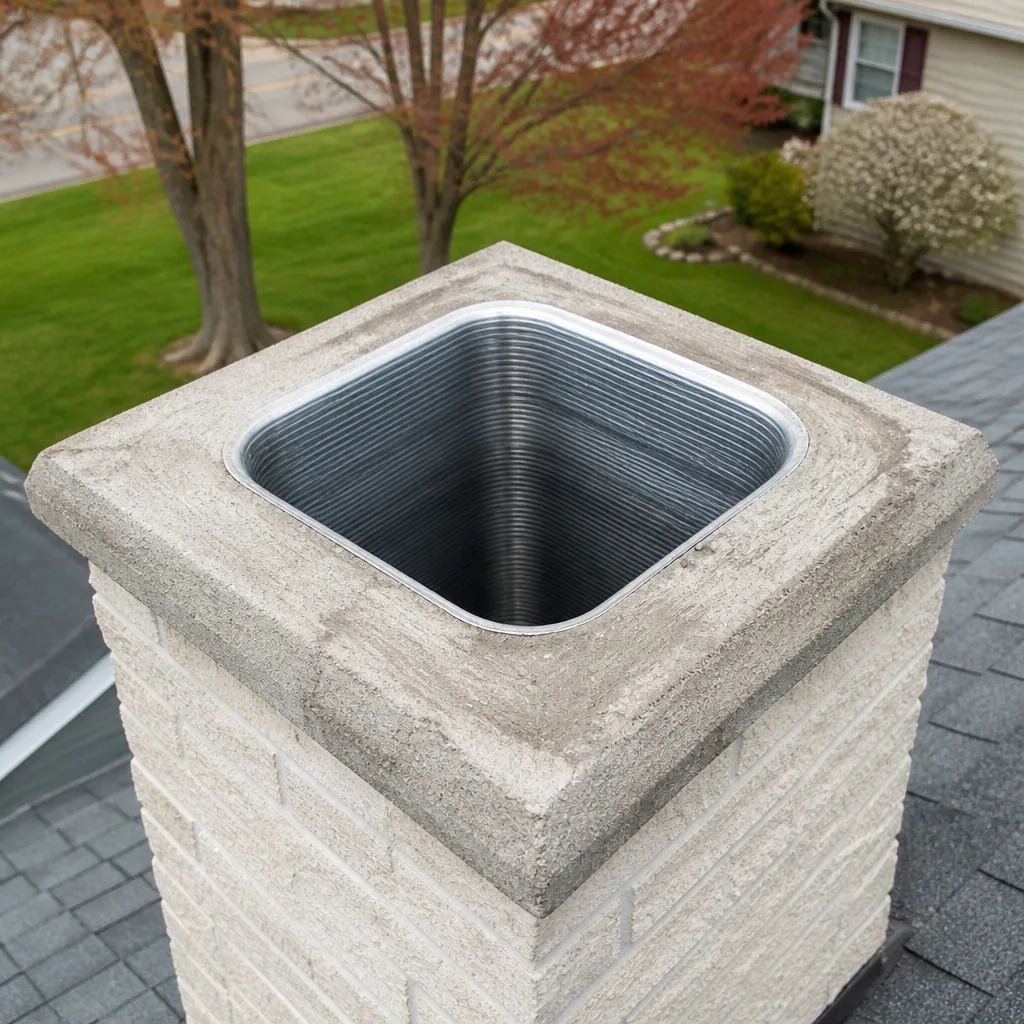 Flue relining
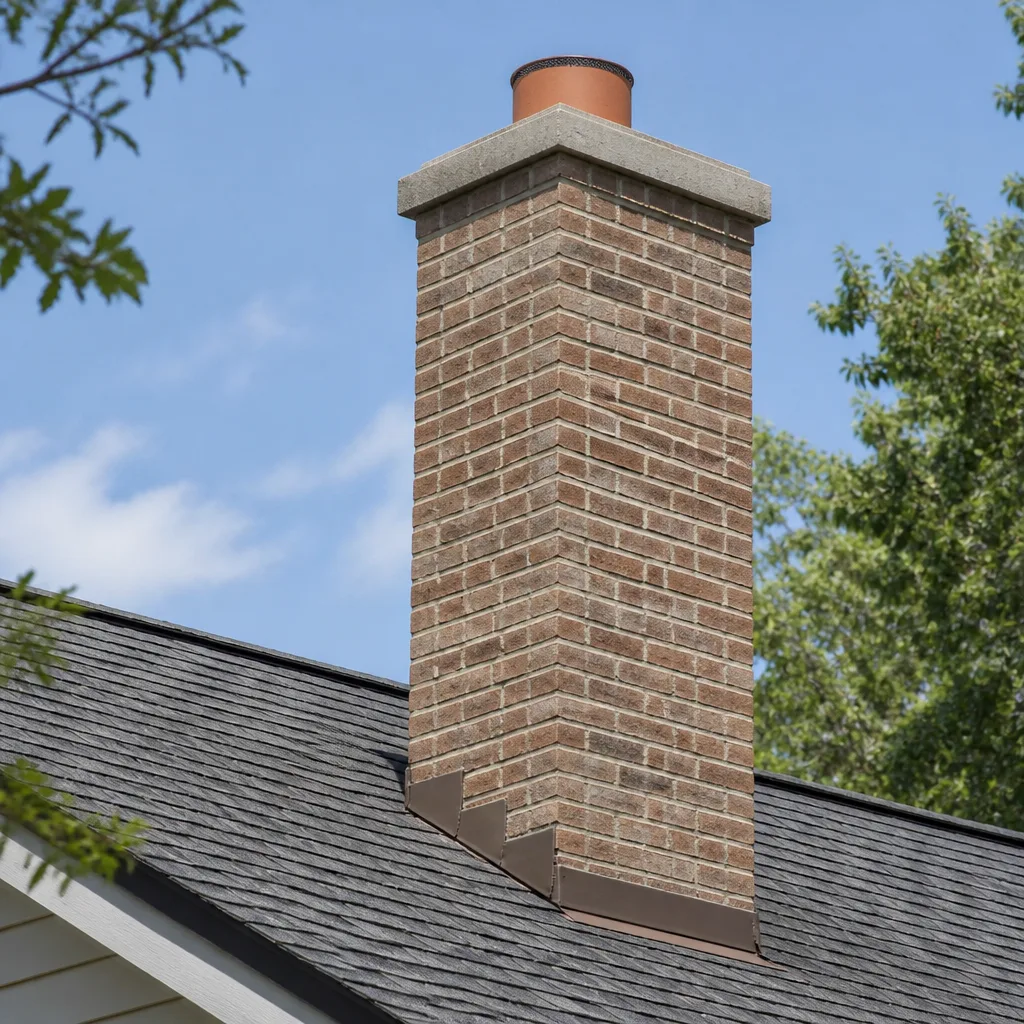 Masonry repair
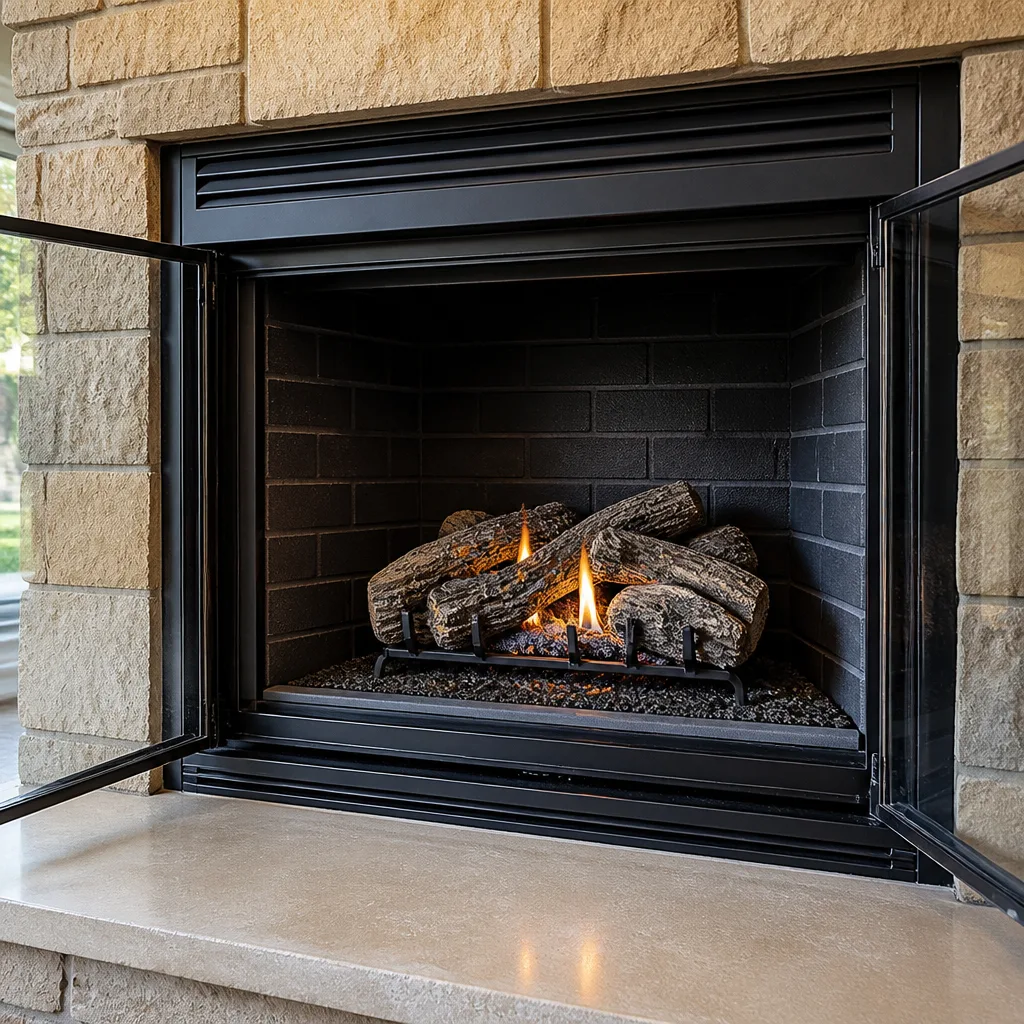 Gas fireplace service
Level 1 sweep and inspection to the NFPA 211 annual standard - flue, crown, cap, and flashing checked and photographed
Chimney sweep logs do not sweep chimneys. They loosen some creosote - which then falls where a brush and vacuum still have to collect it.
DIY vs Professional Chimney Cleaning: The Buckeye Homeowner’s Decision Guide
Hardware stores sell chimney brush kits, and they work. For about 20% of the job, the part that’s nothing but surface soot on the walls of the flue, a rotary brush on a rod will knock creosote and ash loose. That’s real. But it’s the other 80% that decides whether your chimney is safe this winter, and that’s the part you can’t see from inside the firebox or the top of the flue. This guide isn’t going to tell you to never touch your own chimney. It’s going to draw a clear, honest line between what a careful homeowner can handle and what genuinely needs a credentialed eye, with the specific realities of Buckeye homes folded in.
Quick Answer
DIY brushing is only adequate when the chimney is already clean-ish, the flue is accessible and straight, and you’ve had a professional inspection in the last year to confirm there’s no damage. For any chimney with heavy creosote buildup, a known leak, animal intrusion, or a wood insert, professional cleaning is the safer call, and the inspection that comes with it is the real reason to hire, not the brushing.
Styles & brands we work with
- Sweep & inspection
- Caps & crowns
- Flue relining
- Masonry repair
- Gas fireplace service
Table of Contents
- What a DIY Brush Kit Actually Does
- The Inspection Problem: Why the Brushing Isn’t the Point
- Buckeye-Specific DIY Risks: Low-Slope Roofs and Fall Hazards
- What DIY Cleaning Complicates: Insurance and Warranty
- The Hybrid Approach: What You Can Do Between Visits
- What a Professional Sweep Actually Uses
- When to Call a Professional
- Common Mistakes to Avoid
What a DIY Brush Kit Actually Does (and What It Doesn’t)
A rotary brush on a flexible rod, or a rigid brush with extension handles, is designed to scrape soot and loose creosote from the flue walls. That’s its whole job. It does it well enough on a flue with light, dry, powdery soot buildup from a season of routine burning. It also works on the smoke chamber to a limited degree, though most kits can’t reach the angled shelf area where creosote actually accumulates most aggressively.
Here’s where DIY brushing becomes not just ineffective but counterproductive:
- Glazed creosote. Once creosote moves past the powdery stage into a shiny, hardened glaze, a brush will skip right over it. Brushing glazed creosote can actually polish the surface and make it harder to remove later. Glazed buildup requires chemical treatment or mechanical removal with the right tools, not a hardware store brush.
- Angled flues and offsets. If the flue has a bend or offset, a flexible rod can jam, bind, or worse, crack the flue tile if forced. Cracked tiles are a serious safety issue.
- Creosote in the smoke chamber. The smoke chamber sits between the firebox and the flue and is tapered at an angle. Standard DIY brushes can’t safely reach into it. This is where a lot of chimney fires actually start.
- Debris removal from the firebox. Brushing knocks soot and creosote down onto the smoke shelf and into the firebox. If you don’t trap and remove all of it, you’ve just moved the problem into your living space.
If your chimney has been swept professionally in the recent past and your fires are well-seasoned and modest, a mid-season DIY brushing is genuinely fine. That’s the narrow window where the kit makes sense. When was the last time a professional had eyes on the inside of your flue? That’s the question that matters most in Buckeye homes, and it’s where the route to professional work usually starts.
The Inspection Problem: Why the Brushing Isn’t the Point
Most homeowners think of chimney service as cleaning. The truth is that cleaning is the easy part. The valuable part is the inspection that accompanies every professional sweep, and it’s the part that DIY completely skips.
Here’s what an inspection catches that brushing cannot:
- Cracked or spalled flue tiles. Hairline cracks in clay tile are common, and they’re dangerous because they let heat and combustion gases reach the framing of the home. A brush won’t tell you they’re there.
- Failed mortar joints. The joints between flue tiles degrade over time. A homeowner looking down a flue with a flashlight will see darkness, not failing mortar.
- Draft problems. A chimney that doesn’t draft correctly pushes smoke and carbon monoxide back into the room. Diagnosing draft requires more than a flashlight.
- Obstructions and animal nests. Birds, squirrels, and raccoons love a chimney cap with a gap or a missing screen. Brushing from the firebox side can push a nest deeper or jam it.
- Creosote staging. Knowing whether your buildup is Stage 1 (removable by brush), Stage 2 (needs more aggressive methods), or Stage 3 (glazed, needs specialist removal) is the whole basis for recommending when to sweep next.
Cleaning without inspection is like changing the oil without checking the engine. You feel productive. You’re still exposed. A proper chimney sweep visit in our practice includes a camera inspection and a photo report, so you see exactly what we see before any work is recommended. That’s not a sales pitch. It’s the only way to make an honest recommendation about whether you need chimney repair or whether things can safely wait another season.
Buckeye-Specific DIY Risks: Low-Slope Roofs and Fall Hazards
Most chimney DIY guides are written for steep, pitched New England roofs with plenty of grip and safe footing. The homes being built in and around Buckeye are often different. Modern Arizona construction frequently uses low-slope or flat roof profiles on portions of homes, sometimes with fewer handholds, sometimes with asphalt shingle edges that get soft in the heat of the day, sometimes with parapet walls that hide the drop. When a homeowner climbs up to brush from the top, the fall hazard reality is not the same one the guide was written for.
Buckeye also runs hot. Summit temperatures in the summer are a real constraint on roof work. Tiles get hot enough to burn through thin gloves, and heat exhaustion sneaks up without warning. Add in low desert wind blowing ash and soot back into your face and it’s easy to lose footing on a roof you thought was straightforward.
Before considering any rooftop chimney work in Buckeye, ask yourself:
- Do I have a stable, correctly pitched ladder anchor in a spot where the roof edge is solid?
- Do I have proper fall protection and a second person on the ground?
- Will the roof be too hot to work on safely in the current heat?
- Is the roof slope low enough to walk, or low enough to slip (the tricky middle zone)?
If any of those answers is a no or an “I’m not sure,” that’s your answer. The top-of-chimney part of the job is where the real danger lives, and it’s a job for someone who does it routinely.
What DIY Cleaning Complicates: Insurance and Warranty
If a chimney fire happens and your homeowner’s insurance is looking at a claim, one of the questions they will ask is whether the chimney was maintained. An undocumented DIY cleaning doesn’t establish a maintenance history they can rely on. A professional sweep with a written report, camera photos, and a documented inspection does. That paper trail matters, whether you ever need it or not.
Warranty language on wood inserts and gas log installations is another place DIY can hurt. Many insert manufacturers specify that service and inspection must be done by a qualified chimney professional to keep the warranty valid. Some fireplace brands and appliance installers have similar requirements. Remove or disturb the firebox components yourself and you can void coverage you paid for.
Beyond documentation, there’s the issue of damage. If a DIY brushing cracks a flue tile, chips the damper, or dislodges a cap, that’s on you. A professional sweep is carrying the expertise and, when appropriate, insurance and bonding for the work. In our practice, our technicians have up to 15 years of experience, and the photo report they produce is something you can hand to your insurance company or your real estate buyer if you’re selling.
The Hybrid Approach: What You Can Do Between Visits
Between professional visits, there’s plenty a motivated homeowner can do without touching a brush. These checks keep you informed and help you spot a problem early, which makes the next professional visit cheaper and less eventful:
- Open and operate the damper. Work the damper handle through its full range before every burning season. If it’s sticky, doesn’t open fully, or hangs up, that’s a call.
- Look up the flue from the firebox (with a strong flashlight). You won’t see everything, but heavy creosote buildup, visible cracks, or blocked structure will show up. If you see glazing, shine, or heavy shiny black deposits, stop and call a professional.
- Inspect the cap and spark screen from the ground with binoculars. A missing cap, torn screen, or obvious nest on top of the chimney is visible from a safe distance. If the cap is damaged, don’t climb up to fix it. Call and let a professional handle a Chimney Sweep Buckeye cap replacement or install.
- Check the firebox for cracks or loose mortar. Look at the brick and the refractory panels inside the firebox. Crumbling mortar or visible cracks need a professional look before you burn again.
- Watch for smoke roll-out and smell. If fires smoke back into the room, or you notice creosote smell coming off the chimney during a burn, draft or blockage is likely. That’s a professional call.
- Keep track of burn habits. Write down what you burn, how often, and whether your wood is seasoned. The professional will ask, and the honest answer helps them make a smarter recommendation.
Those six checks are the “safe to do” list for a careful Buckeye homeowner. Notice that none of them involve roof work or brush action. The line we draw is that you can watch, and you can verify, but you don’t swing tools into the flue or climb to the top of the chimney.
What a Professional Sweep Actually Uses (and Why Materials Matter)
There’s a wide range of “chimney cleaning” services out there, from generalist handymen with a shop vac to dedicated chimney specialists. What separates real chimney work from a surface-level cleaning is the materials and the range of repairs available. A basic sweep can only clean. It can’t reline, resurface, or replace a cap properly.
The material lineup matters more than most homeowners realize. In our work we rely on the brands chimney professionals trust:
- DuraFlex flexible liner systems, for full chimney relining when the original flue tile is compromised or the appliance requires a different flue size.
- HeatShield, used for liner resurfacing, a repair process that restores the interior of the flue without a full tear-out. Most basic sweep services don’t carry HeatShield or know how to apply it.
- Gelco and Famco caps and covers, installed to protect the flue from water intrusion and wildlife entry, which are among the top causes of chimney damage over time.
- Copperfield and Olympia Chimney for related components and installation materials.
That means the same visit that inspects your Buckeye chimney can actually fix the problem, not just report on it. A dedicated chimney specialist sweeps, inspects, and repairs as one arc of work. A generalist service leaves you to source a liner install or a cap replacement from someone else, and half of them won’t know the difference between a properly installed DuraFlex system and a generic substitute. In our experience, that handoff is where repair problems get complicated.
When to Call a Professional
Call a professional if any of these are true: it’s been more than a year since a sweep and inspection; you’ve had a chimney fire, even a small one; you smell creosote or see glazed buildup; smoke rolls out into the room when you burn; you have a wood insert, gas log set, or wood stove installed in your home; or you’re buying or selling a home in Buckeye and need a documented inspection. The other trigger is any suspicion at all about flue tile, mortar, or the cap. A trained professional will tell you plainly if the work can wait.
Chimney Sweep Buckeye offers free estimates. Call (866) 378-9837. We answer 24/7. Fast dispatch from 7am to 7pm, Sunday through Friday.
Common Mistakes to Avoid
- Brushing a glazed flue. A rotary brush won’t remove hardened creosote glaze, and can make the surface harder to treat. If your flue is shiny and black inside, call a professional, don’t attack it with a brush.
- Skipping the inspection because the cleaning “looked easy.” A DIY brush run isn’t an inspection. You got soot off a wall; you didn’t check for cracks, draft issues, or failing mortar.
- Climbing a low-slope Buckeye roof without fall protection. Flat and low-slope roofs are deceptively dangerous for lack of obvious handholds. The fall risk is real, and so is the heat risk in summer.
- Disturbing an insert or gas log against the warranty. Pulling or brushing components on a manufacturer-specified insert can void coverage. Read the manual before you commit to a cleaning approach.
- Ignoring a cap problem because it’s “not a cleaning issue.” A missing or damaged cap is a chimney repair issue, and it’s the leading path for water and animal intrusion. Don’t wait for it to become a bigger job.
- Burning unseasoned wood to “save money on cleaning.” Wet wood generates significantly more creosote, which pushes you into a professional sweep far sooner than well-seasoned wood would. This is the single biggest controllable factor in how often you need cleaning.
- Treating a small chimney fire as a non-event. Even a small chimney fire can crack tiles and damage the flue interior in ways you cannot see. It always warrants a professional inspection before the next burn.
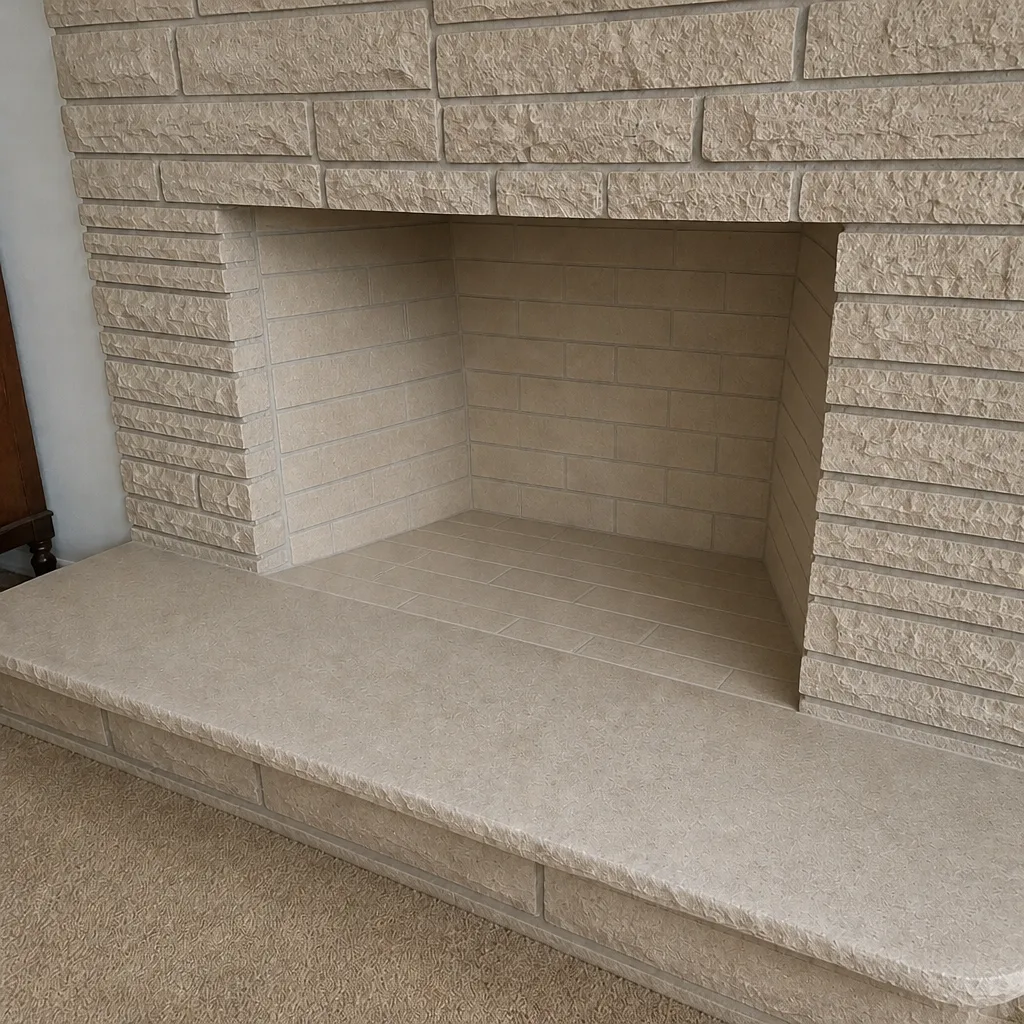
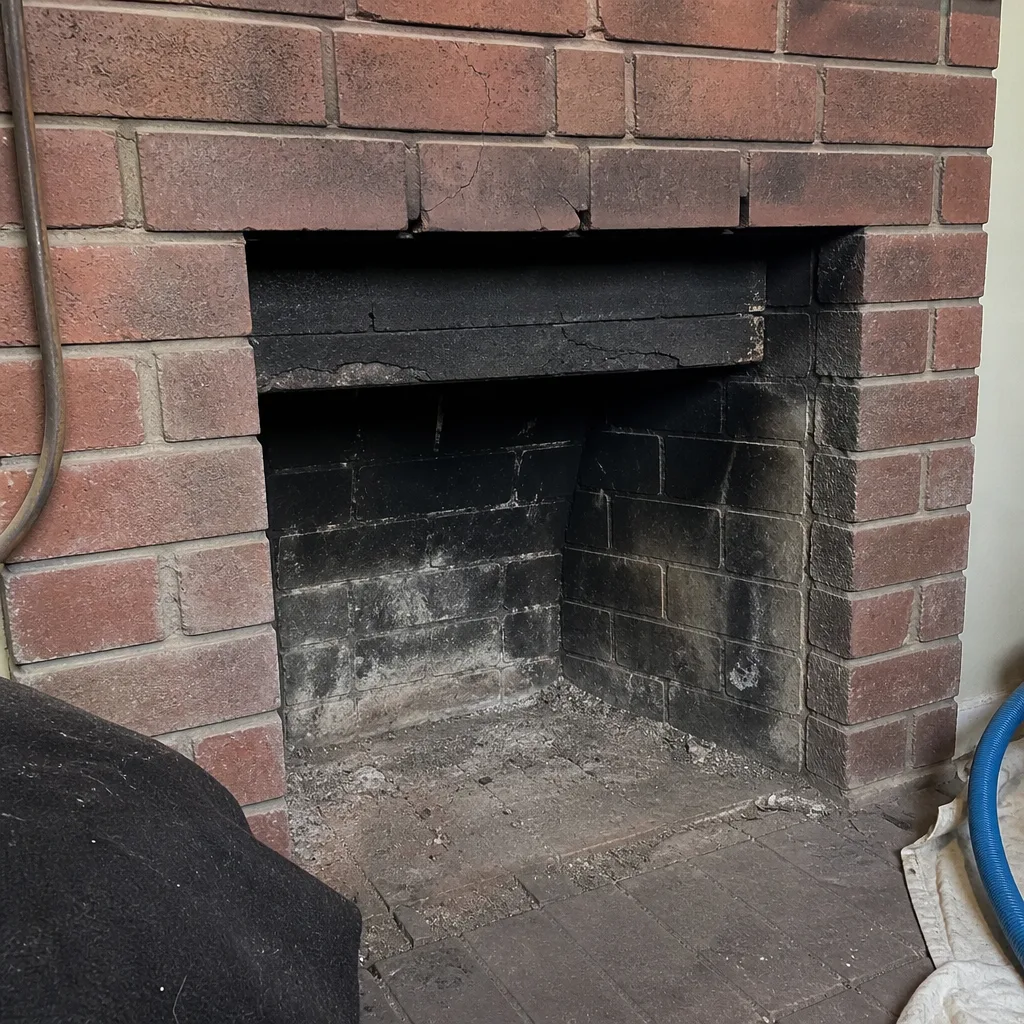
See the difference
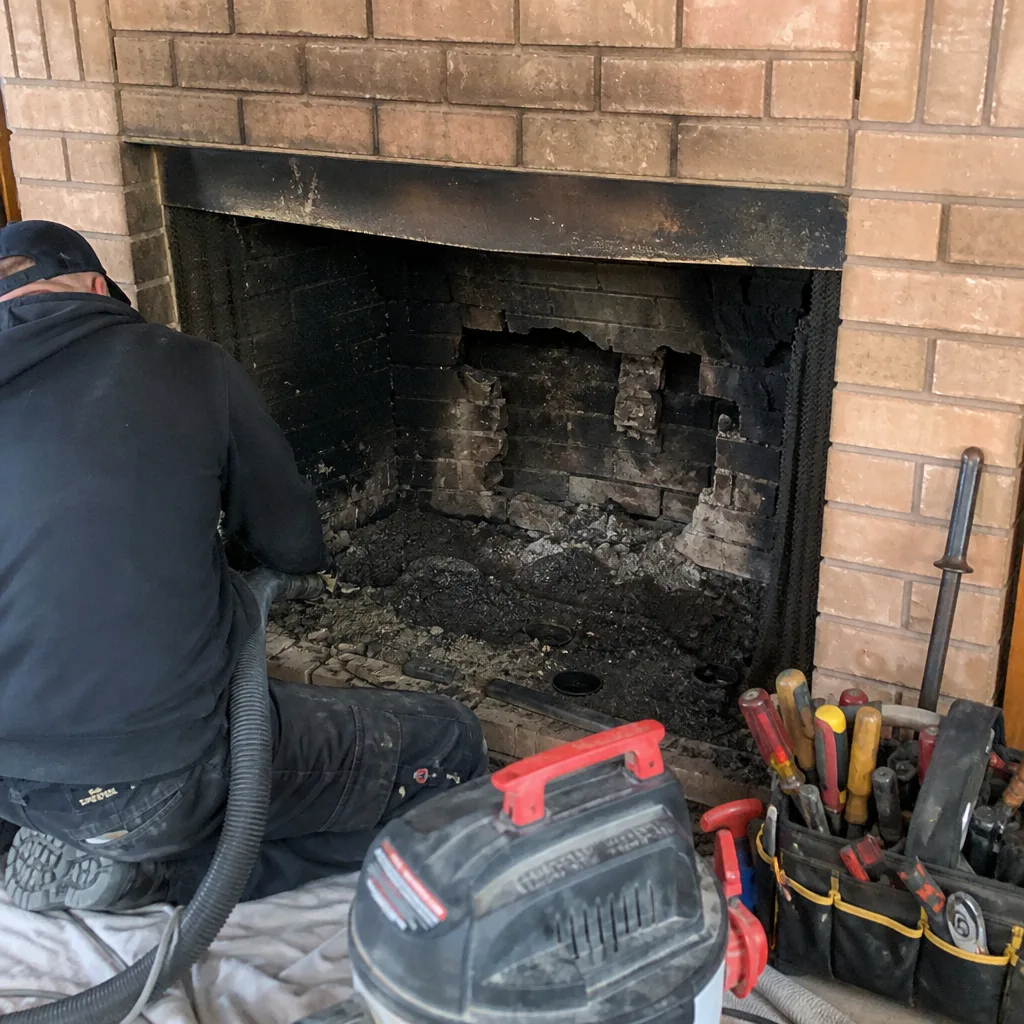 Before
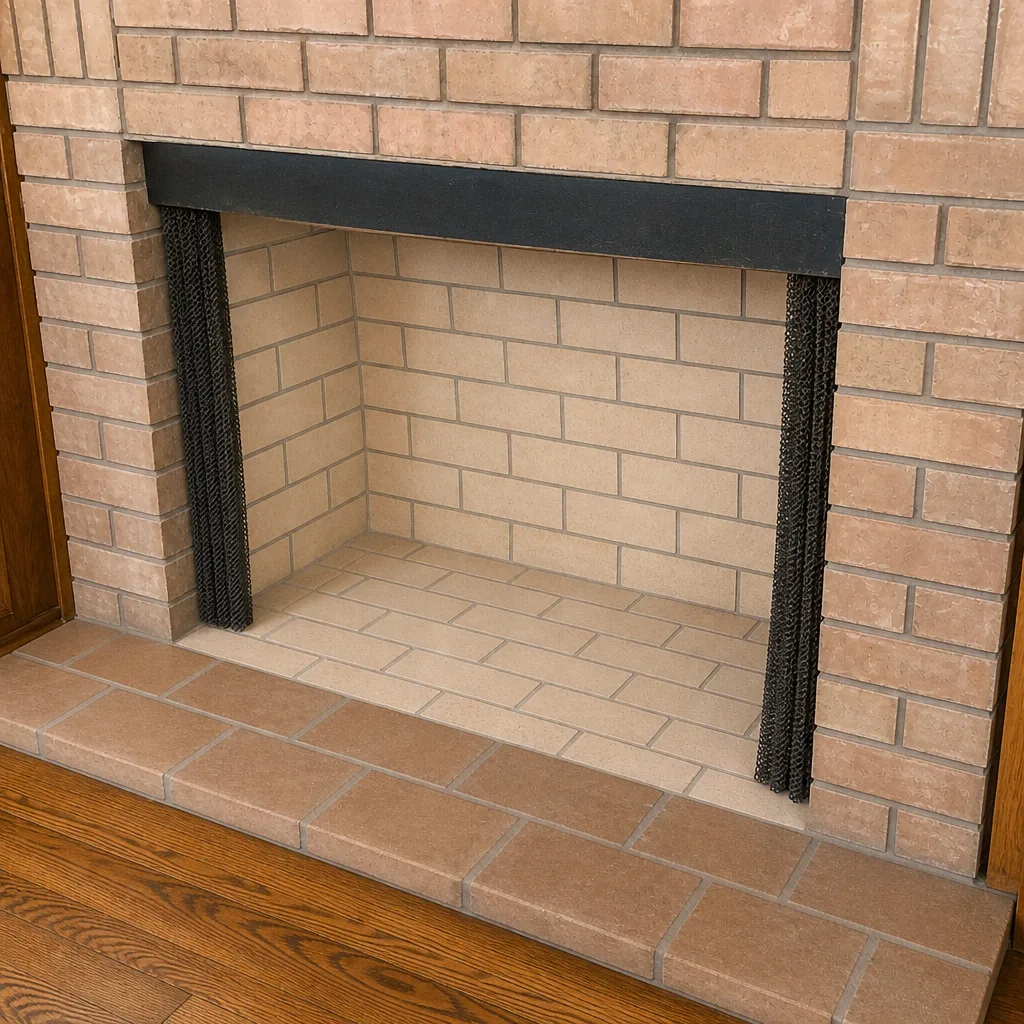 After
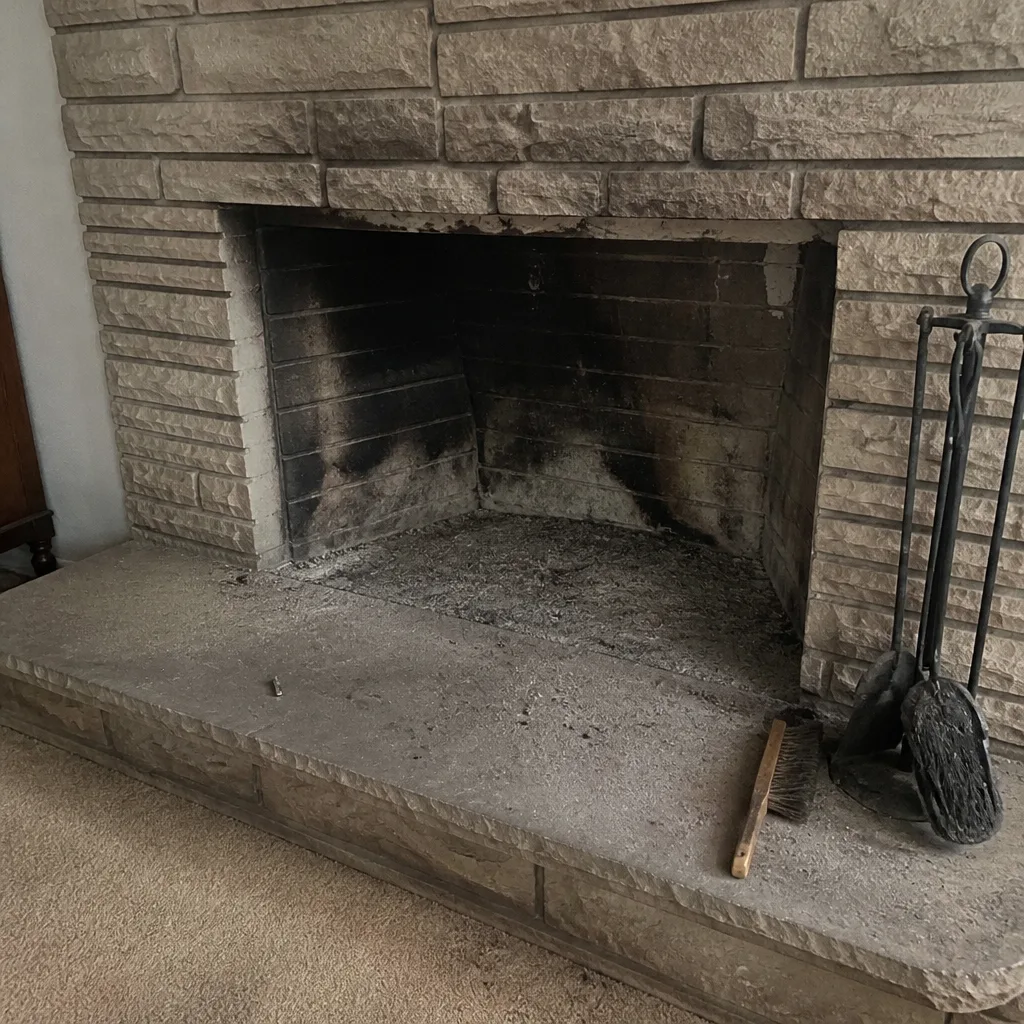 Before
 After
 Before
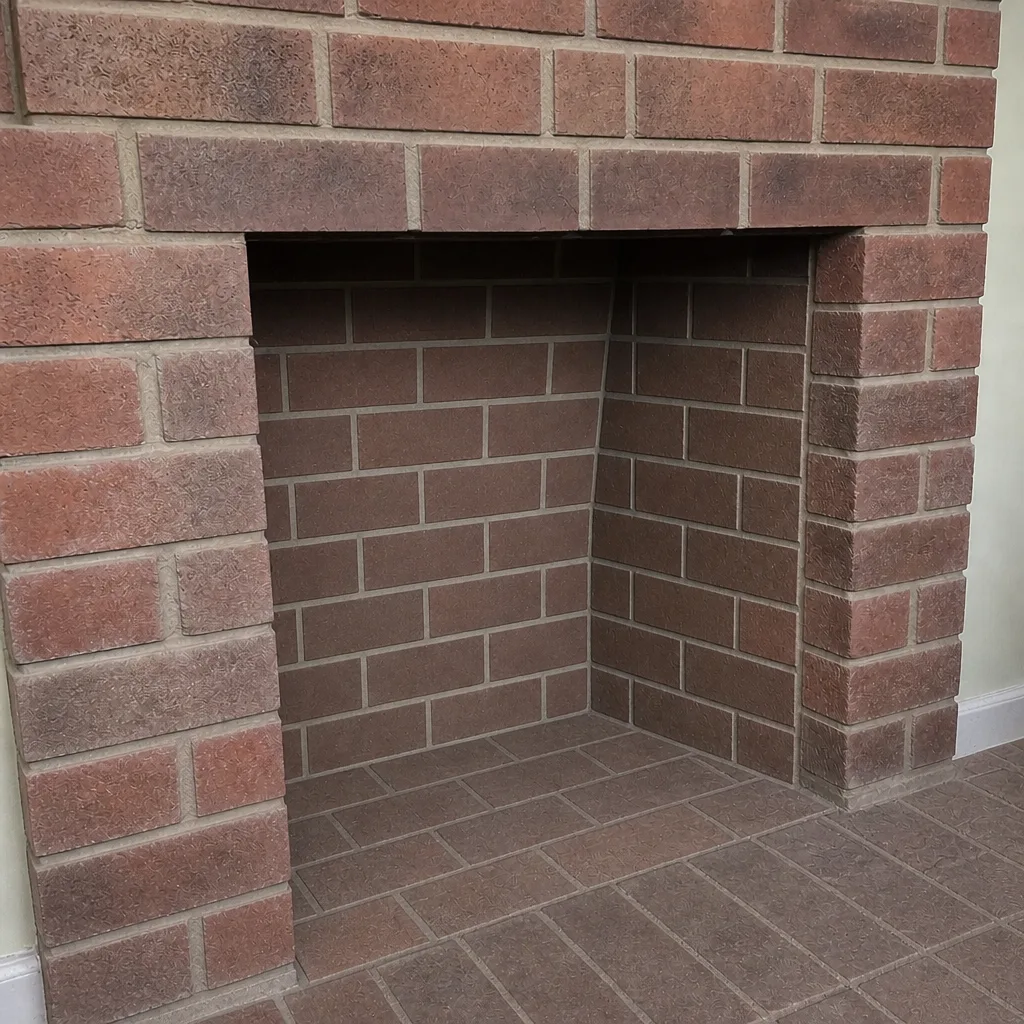 After
Frequently Asked Questions
You can safely brush a chimney that’s already been professionally cleaned, inspected, and found to have only light, powdery soot. You cannot safely remove glazed creosote, inspect flue tiles, or work from a low-slope Buckeye roof without proper fall protection. If it’s been more than a year since a professional inspection, a DIY brushing skips the most important part of the job. Call (866) 378-9837 for an exact quote. Estimates are free.
Professional chimney sweeps typically run in a range that reflects a proper sweep plus a camera inspection and a written report. The exact price depends on your chimney type, access, and whether repairs are needed. Do-it-yourself kits are cheaper but skip the inspection, which is where the real value lives. Call (866) 378-9837 for an exact quote. Estimates are free.
DIY cleaning without documentation can complicate a claim if a chimney fire or related loss happens. Insurance companies often ask for evidence of regular maintenance, and a professional inspection report with photos provides that. A DIY brushing does not. Call (866) 378-9837 for an exact quote. Estimates are free.
Most chimneys benefit from an annual inspection, and a sweep when an inspection shows buildup. Homes that burn frequently, or burn wood with less than ideal seasoning, need closer attention. The right interval comes from the inspection itself, not a fixed calendar. Call (866) 378-9837 for an exact quote. Estimates are free.
You can miss a cracked flue tile, failing mortar, or a draft problem that a brush can’t reveal. Any of those issues can let heat or combustion gases reach places they shouldn’t. The cleaning can look like it worked and the chimney can still be unsafe. Call (866) 378-9837 for an exact quote. Estimates are free.
A dedicated chimney specialist can, and should. At Chimney Sweep Buckeye, sweeping, inspection, and repair are handled by one team, using industry brands like DuraFlex for liner systems, HeatShield for liner resurfacing, and Gelco or Famco for caps. A generalist cleaning service usually can’t. Call (866) 378-9837 for an exact quote. Estimates are free.
The Bottom Line
The DIY vs professional debate is less about the brush and more about what you can and cannot verify about your chimney’s safety. A homeowner can brush a clean flue and can perform the six safe visual checks between visits. But a brush kit cannot inspect a flue tile, cannot diagnose a draft problem, and cannot fix a cracked flue, and a Buckeye roof is a harder place to work than most homeowner guides admit. Fresh inspection and a written report from a chimney specialist happen together with the sweep, and that combination is what actually protects your home. Call (866) 378-9837 for a free estimate.
Written by the team at Chimney Sweep Buckeye.