
Last updated November 15, 2026
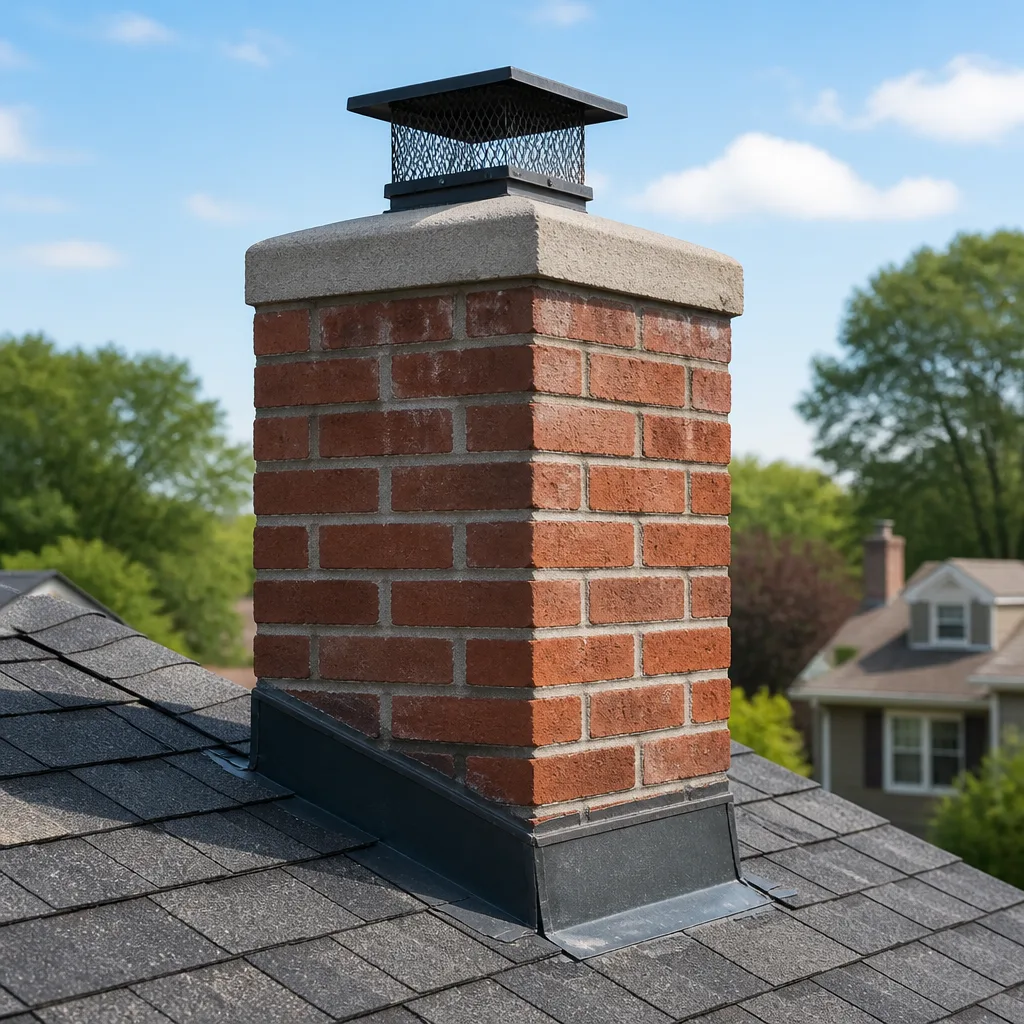 Sweep & inspection
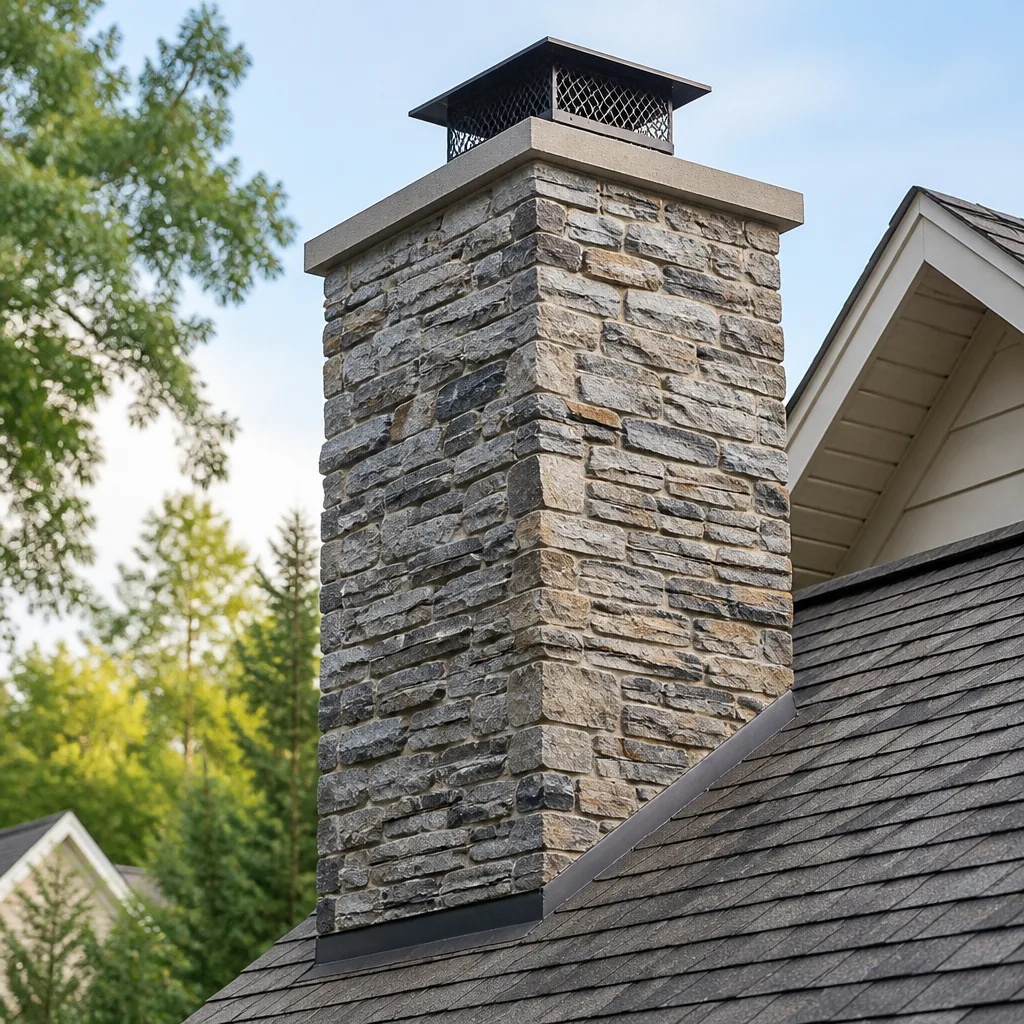 Caps & crowns
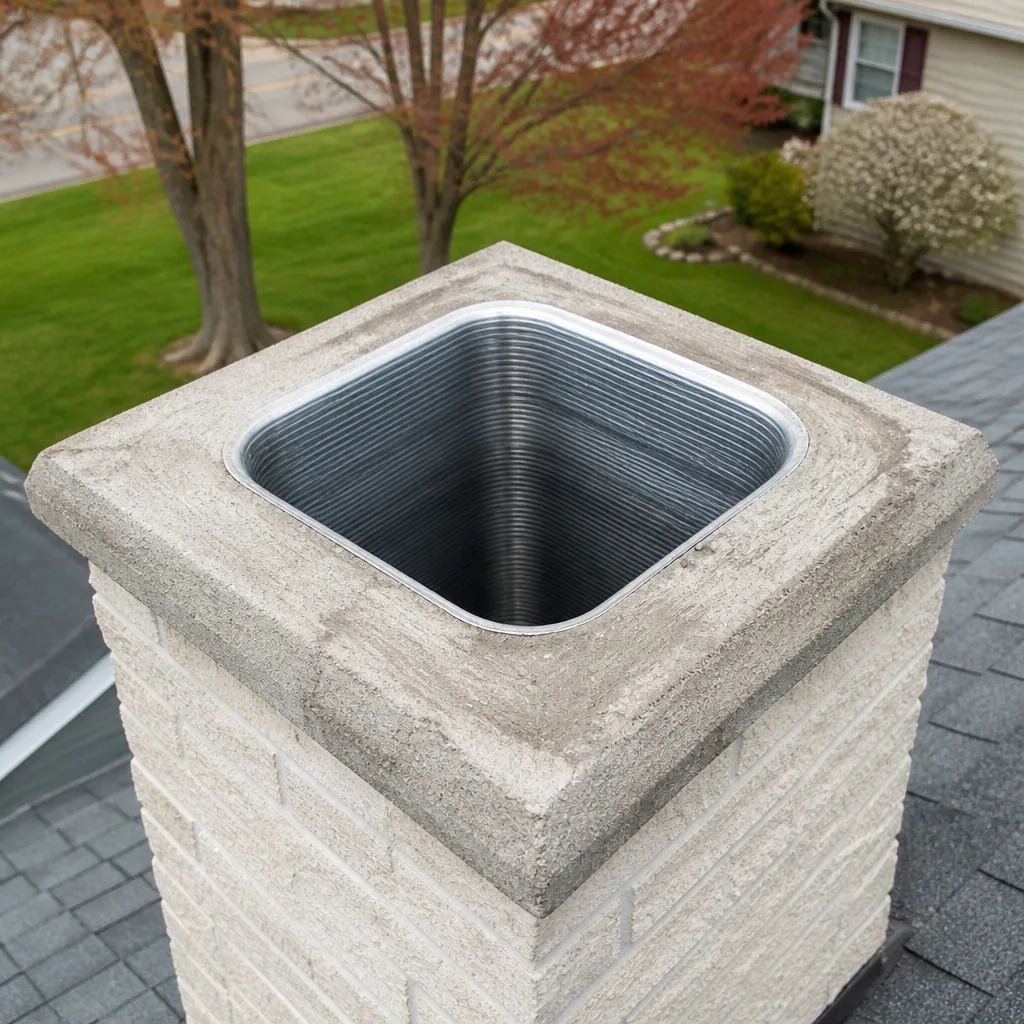 Flue relining
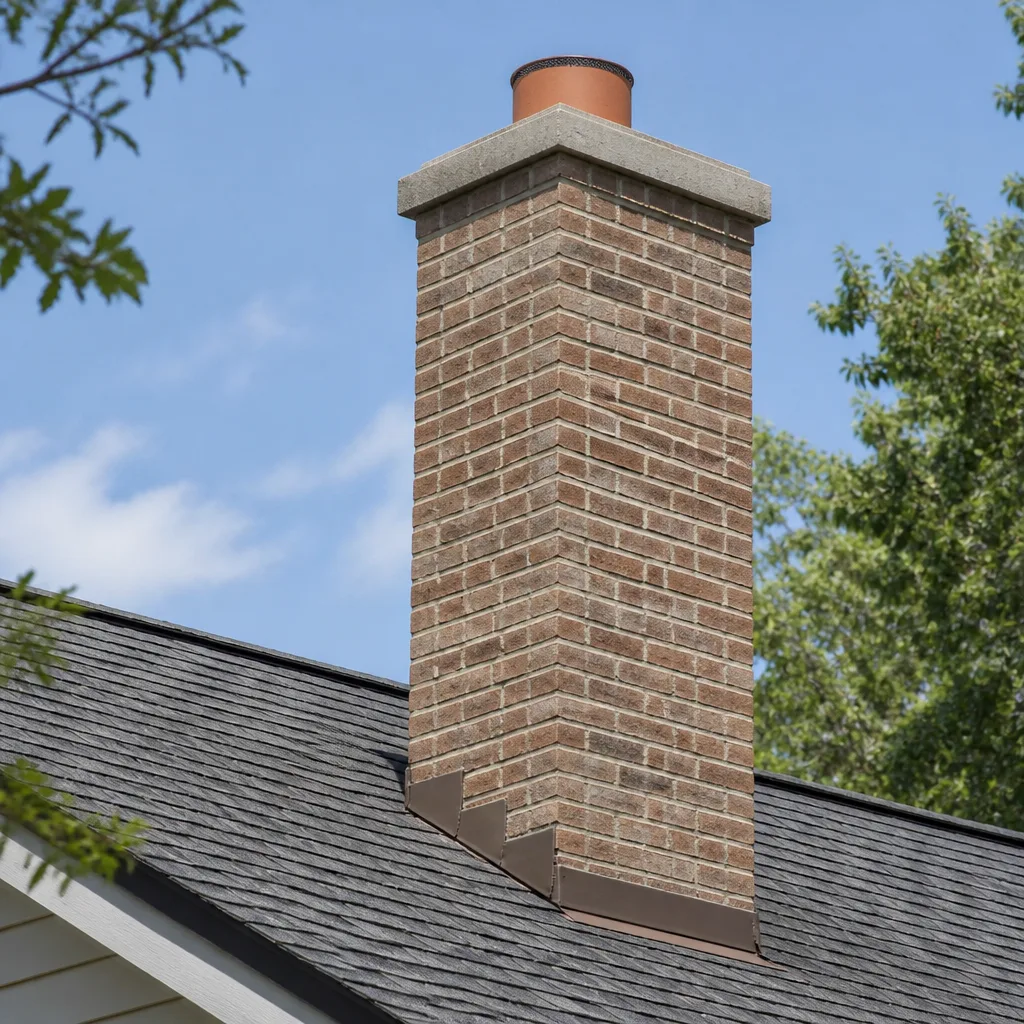 Masonry repair
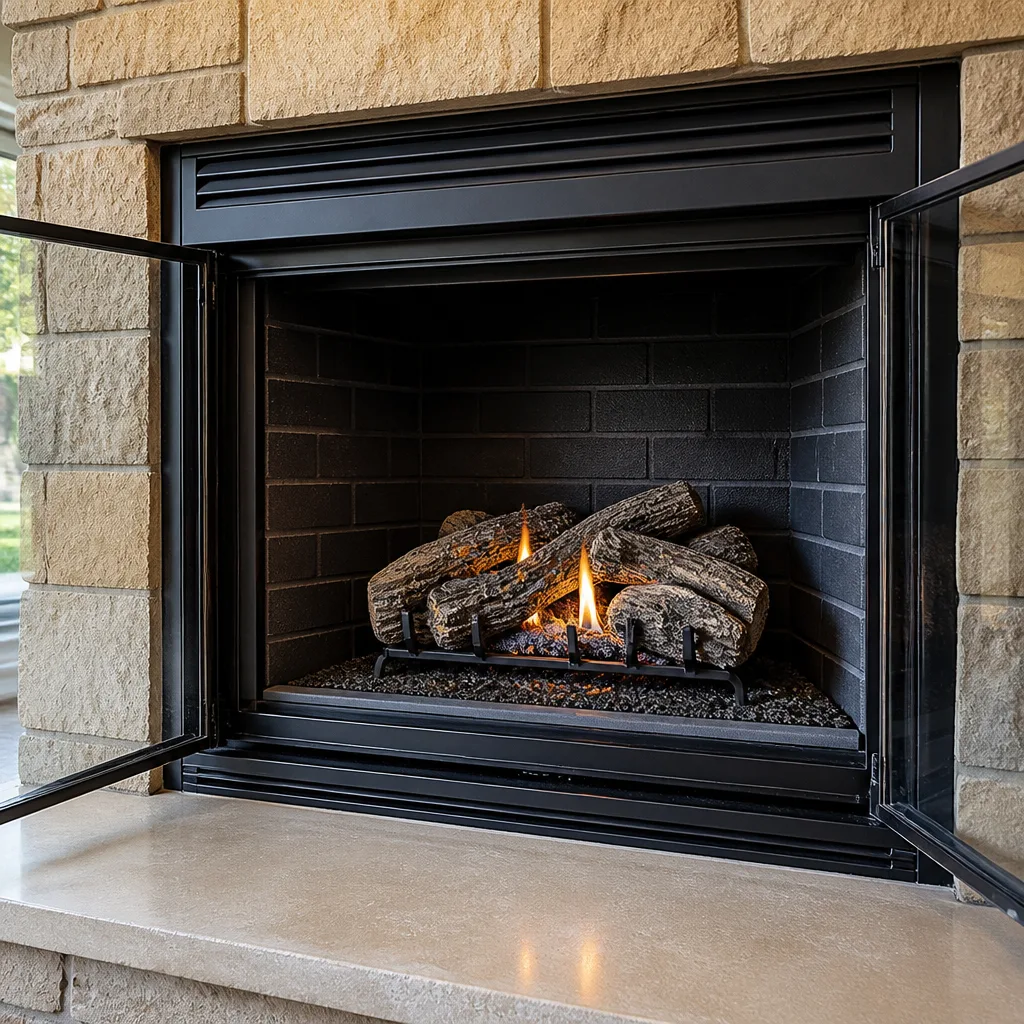 Gas fireplace service
Level 1 sweep and inspection to the NFPA 211 annual standard - flue, crown, cap, and flashing checked and photographed
Chimney sweep logs do not sweep chimneys. They loosen some creosote - which then falls where a brush and vacuum still have to collect it.
Choosing the Right Chimney Cleaning Brand: A Buyer’s Guide for Buckeye
You wouldn’t let a roofer use off-brand underlayment on your house. You’d ask what membrane goes under the shingles, and you’d expect a straight answer. The same logic applies to chimney sealants, liner systems, and cap materials, but almost nobody thinks to ask. Most homeowners hire a sweep the way they hire a carpet cleaner: whoever answers the phone and quotes the lowest number. Then the crown coating fails two summers later, or the cap rusts through, and nobody connects it to the materials that went on the roof. This guide is about the things you never see. It covers the brands behind chimney products, what those brands actually do in Buckeye’s heat, and the questions that separate a specialist from a guy with a brush.
Quick Answer
Chimney brands matter because the products on your chimney face 115°F summer days and 40°F winter nights in Buckeye, and cheap materials fail fast in that swing. Professional-grade brands like HeatShield, DuraFlex, Famco, and Copperfield hold up because they’re engineered for thermal movement, UV exposure, and monsoon moisture. Ask any contractor which specific products they use and why. A specialist names them without hesitation. A generalist changes the subject.
Styles & brands we work with
- Sweep & inspection
- Caps & crowns
- Flue relining
- Masonry repair
- Gas fireplace service
Table of Contents
- Why Chimney Brands Matter in Buckeye’s Climate
- The Four Product Categories Where Brand Matters Most
- Thermal Expansion, UV, and What to Ask About Ratings
- Red Flags in Material Choices
- How Professional Materials Change Longevity
- Questions to Ask a Chimney Contractor
- The Brands Chimney Specialists Actually Use
- Common Mistakes to Avoid
- When to Call a Professional
Why Chimney Brands Matter in Buckeye’s Climate
A chimney in most of the country deals with one extreme: cold. A chimney in Buckeye deals with both ends of the dial, and that’s what breaks materials. Summer afternoons regularly push past 115°F on a roof surface that’s hotter still, and winter nights drop toward 40°F. A chimney crown, cap, or sealant joint expands and contracts through that range every single day of the year. Cheap materials don’t have the flexibility to move with the masonry. They crack, lift, or chalk out, and then water finds the gap.
Add UV. The sun here is relentless, and it degrades anything not formulated to resist it. A tube of hardware-store caulk that holds fine in a milder climate can go brittle on a Buckeye roof within a season or two. Monsoon season adds its own test: sudden moisture hitting materials that have been baking for months. Good products are built for exactly that cycle of bake and soak.
What this means for you as a homeowner is simple. The brand on the tube or the box isn’t a marketing detail. It’s a prediction of how long the repair will last. Our technicians have up to 15 years of experience, and in that time the pattern has been consistent: failures trace back to materials chosen for price, not for the job.
This is also where a real chimney sweep differs from a general handyman. A specialist chooses products based on what the chimney will face, not what’s already on the truck from another job. If you want the local picture on how this plays out across the area, our Buckeye service page covers it.
The Four Product Categories Where Brand Matters Most
Not every chimney product carries the same risk. Four categories do most of the heavy lifting on a typical wood-burning chimney, and those are the ones worth interrogating before you hire anyone. Here’s what each one does and where the brand gap shows up.
1. Chimney crown coatings
The crown is the concrete cap on top of the chimney that sheds water away from the masonry. When it cracks, water gets into the chimney structure, and that’s the start of most expensive chimney problems. A proper crown coating is a flexible, UV-stable product made for masonry crowns. Roofing caulk is not. It’s designed for a different job, it doesn’t move with a crown the way a crown coating does, and in Buckeye’s heat it tends to fail within a heating season or two. Ask what product goes on the crown, and listen for a specific name. If the answer is “sealant” or “caulk,” that’s a warning sign.
2. Liner systems
The liner is the flue itself: the surface the smoke travels up. When a clay liner cracks or spalls, the fix isn’t cosmetic. Options include resurfacing the existing liner with a repair-grade product like HeatShield, or installing a new flexible liner system like DuraFlex for a full reline. Both are professional-grade approaches. A sweep who doesn’t carry either one is limited to cleaning and reporting, which means you’ll be sourcing the repair somewhere else anyway. Ask upfront whether the company can resurface or reline, or only sweep.
3. Chimney caps
A cap keeps rain, birds, and debris out of the flue while letting smoke escape. Material choice here is where Buckeye’s climate really shows. Galvanized steel caps rust faster than stainless in a place with monsoon humidity cycling against months of dry heat. Stainless steel and copper caps cost more but last far longer. A cap is a small line item, and it’s the cheapest form of chimney protection you can buy. Ask what the cap is made of, not just that one is included.
4. Sealants near the firebox
Sealant used around the firebox and smoke chamber has to be rated for heat, not just weather. An unrated sealant near the firebox can fail, off-gas, or worse. This is one place where getting it wrong is a genuine safety issue, not just a durability one. Any product near the fire path needs to be specified for that use. If a contractor can’t tell you the temperature rating of a sealant used near the firebox, that’s your answer.
Thermal Expansion, UV, and What to Ask About Ratings
Every material on your chimney expands when it heats and contracts when it cools. The question is whether the material was engineered to do that without cracking. That property is called thermal expansion, and professional-grade chimney products are formulated with it in mind. Generic hardware-store products usually aren’t, because they’re sold for a different climate and a different use.
You don’t need to memorize engineering data to protect yourself. You need to know what to ask, and what a good answer sounds like. When you talk to a chimney contractor in Buckeye, ask these:
- “What’s the product name on the crown coating, and is it rated for UV exposure and thermal movement?” A credible answer names a specific product and confirms it’s engineered for masonry crowns.
- “What material is the cap, and why that one?” A credible answer mentions stainless or copper and explains the rust issue with galvanized in this climate.
- “Can you resurface or reline, or only sweep?” A credible answer is straightforward: yes to one or both, or a clear no with a referral.
- “What’s the heat rating on the sealant near the firebox?” A credible answer gives a rating or a product name and explains the fire-path reasoning.
- “Do your products carry manufacturer documentation?” A credible answer is yes. A vague one is “we’ve never had a problem.”
A specialist will answer these with names and reasoning. A generalist will get uncomfortable, because these questions reveal whether they know the trade or just the trade-adjacent work. That discomfort is useful information. It tells you what kind of repair you’re about to buy.
Red Flags in Material Choices
Most homeowners never see the products that go on their chimney. They see a price, a handshake, and a roof they can’t inspect. That’s why the red flags below are worth knowing before you hire, not after the job fails. Each one is a sign that the contractor is using the wrong material for Buckeye, or using it carelessly.
- Roofing caulk used on a chimney crown. This is the single most common shortcut, and it fails the fastest in a hot, sunny climate. Crown coatings and roofing caulk are different products for different jobs.
- Galvanized caps in a monsoon climate. Galvanized steel rusts faster than stainless when humidity cycles against dry heat. A cheap cap that rusts through in a few years protects nothing.
- Unrated sealant near the firebox. Anything near the fire path needs to be rated for heat. If a contractor can’t tell you what’s rated for the job, they haven’t checked.
- Generic “chimney paint” sold as a liner fix. Coating the inside of a clay flue with a brush-on product is not liner resurfacing. A real resurfacing job uses a repair-grade product applied to a prepared surface, and it holds up.
- No manufacturer documentation. Professional-grade products come with specs and application guidance. A contractor who can’t produce any is using something they can’t stand behind.
- A sweep who can’t do the repair. If the company only cleans and reports, you’re paying for a diagnosis with no path to a fix. That’s not a bad service, it’s just an incomplete one.
None of these are rare. In our experience, the most expensive chimney repairs we see in Buckeye started with one of these shortcuts.
How Professional Materials Change Longevity
The difference between a professional-grade repair and a cheap one usually comes down to how many heating seasons it survives. A properly applied liner resurfacing with a repair-grade product like HeatShield, prepared and applied to spec, is built to last years of service. A tape-and-patch approach using generic material is built to last until the next heating season, sometimes less. That’s not a marketing claim, it’s the predictable outcome of chemistry and application.
Same story with caps. A stainless or copper cap installed correctly is a long-term fixture. A galvanized cap on a Buckeye roof is a countdown. Same with crown coatings: a flexible, UV-stable coating moves with the masonry, while a rigid caulk cracks and lets water in. In every case, the material choice is the deciding variable, and it’s a variable you can influence by asking.
There’s also a hidden cost to cheap materials. A repair that fails in a year or two means the same job is done twice, and sometimes it means water damage behind the failure. The professional material isn’t always more expensive in the long run. It’s usually less, because it doesn’t have to be redone. Our team works exclusively with brands the industry relies on: DuraFlex for flexible liner systems, HeatShield for resurfacing, and Famco and Copperfield for caps and protection. That lineup is the material standard for repairs, not an upsell.
If a repair is more involved than cleaning, that’s chimney repair territory, and it should be handled by a team that has the right products on hand, not a sweep improvising with whatever’s in the truck.
Questions to Ask a Chimney Contractor
The best way to protect yourself is to interview the contractor before you book. A few minutes on the phone tells you almost everything. Here’s what to ask, and what separates a credible answer from a vague one.
Credible vs. vague answers
- Ask: “Which brands do you work with for liners and caps?” Credible answer: names specific brands and explains why, like DuraFlex for flexible relines and HeatShield for resurfacing. Vague answer: “We use whatever’s best for your chimney.”
- Ask: “Can you show me manufacturer documentation for the products you use?” Credible answer: “Yes, here’s how we document what we use.” Vague answer: silence, or a change of subject.
- Ask: “What’s your approach to a cracked chimney crown?” Credible answer: a specific coating product, applied to a prepared surface. Vague answer: “We’ll seal it up.”
- Ask: “Do you sweep, inspect, and repair, or just one of those?” Credible answer: a clear scope, and honesty about what they don’t do. Vague answer: “We do it all.”
- Ask: “What’s in the written estimate?” Credible answer: itemized scope, product names, and a fixed price before work begins. Vague answer: a number with no breakdown.
A good contractor will welcome these questions. They’re the ones who care most about materials, because their reputation rides on them. Our team will answer every one of them, in writing, before any work is scheduled.
The Brands Chimney Specialists Actually Use
You’ve seen the names come up throughout this guide. Here’s why they matter, briefly, and what each one does on a Buckeye chimney.
- HeatShield is a repair-grade resurfacing product for chimney liners. It restores a damaged clay flue from the inside, which means avoiding a full reline when the existing liner can be saved. Very few basic sweep services carry it or know how to apply it properly. It’s one of the clearest ways to tell a specialist from a cleaner.
- DuraFlex makes flexible liner systems for full relines. When a clay liner is beyond resurfacing, a flexible stainless liner is installed inside the old flue. It’s a different job with different skills, and it’s why a specialist’s scope matters.
- Famco and Copperfield supply chimney caps and covers. These are the products that keep rain, birds, and sparks out of the flue, and the material quality (stainless, copper) is what determines how long they last in this climate.
- Olympia Chimney rounds out the lineup for standard chimney components and protection products.
The point isn’t to memorize brands. It’s that a chimney specialist works with a consistent material standard across every job, so you’re not getting a different product on every visit. Chimney Sweep Buckeye works with six professional industry brands, and we name them because you should be able to check.
Common Mistakes to Avoid
- Hiring on price alone. A low bid is often a low-material bid. Ask what’s actually going on your chimney before you compare numbers.
- Not asking for product names. “We’ll seal it” tells you nothing. A brand and a product name tell you whether the repair will hold.
- Assuming the sweep can also repair. Many sweeps only clean and report. If your chimney needs a liner fix, make sure the company you hire can actually do it, or you’ll be hiring twice.
- Accepting a galvanized cap in a monsoon climate. It rusts faster than stainless or copper. Ask the material before the cap goes on.
- Skipping the inspection to save a little. The inspection is where problems get caught before they’re expensive. It’s also how you verify a repair was needed in the first place.
- Believing a repair is urgent before you’ve seen evidence. Ask for photos and documentation. A specialist will happily show you what they found.
- Ignoring the crown until it leaks. The crown is the first line of defense, and it’s the cheapest thing to fix early. Wait for a leak and you’re fixing masonry.
When to Call a Professional
Some chimney work is routine. Some of it isn’t, and it’s worth knowing the difference. Call a professional if you haven’t had the chimney swept or inspected in a while, if you’re seeing smoke that doesn’t draft properly, or if there’s staining or water intrusion around the chimney. Call immediately if you smell a strong creosote odor, notice visible damage to the crown or cap, or see any sign of a chimney fire. Creosote buildup and carbon monoxide are real risks, and they’re best handled by someone who knows what to look for. Chimney Sweep Buckeye offers free estimates in Buckeye, and we’ll show you what we find with photographs so you’re not guessing. Call (866) 378-9837. We answer 24/7. Fast dispatch from 7am to 7pm, Sunday through Friday.
If a door or appliance fails outside those times, a call still gets you booked into the next opening. And if you’re mid-repair and facing a decision about a chimney repair, ask for the estimate in writing before anything is scheduled.
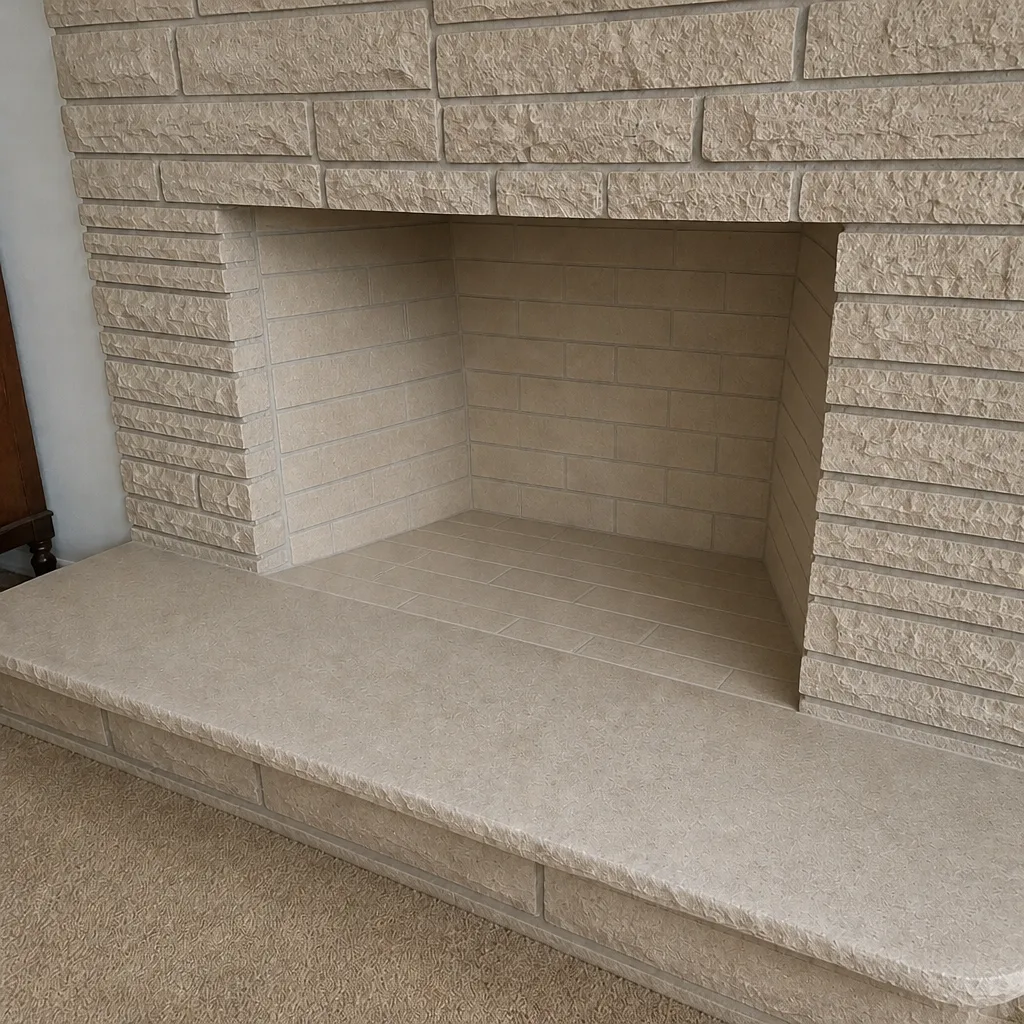
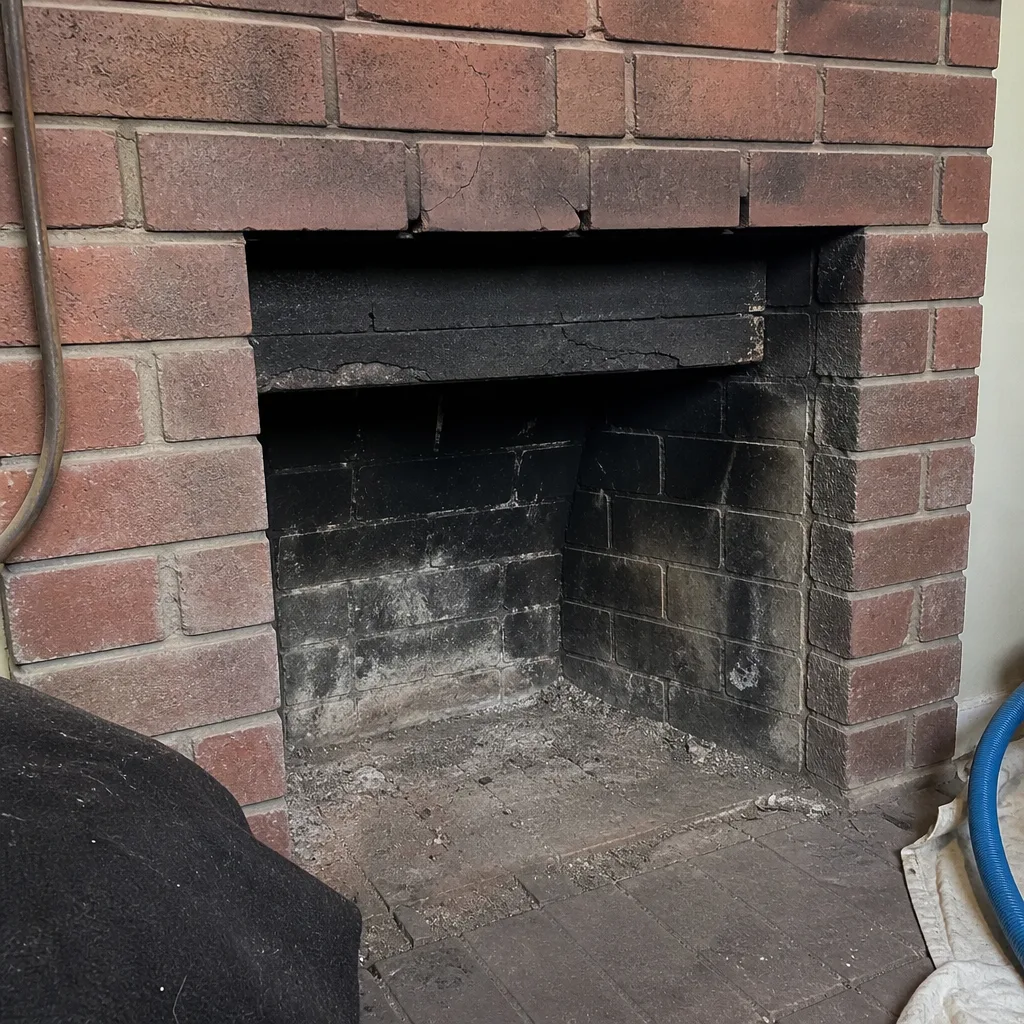
See the difference
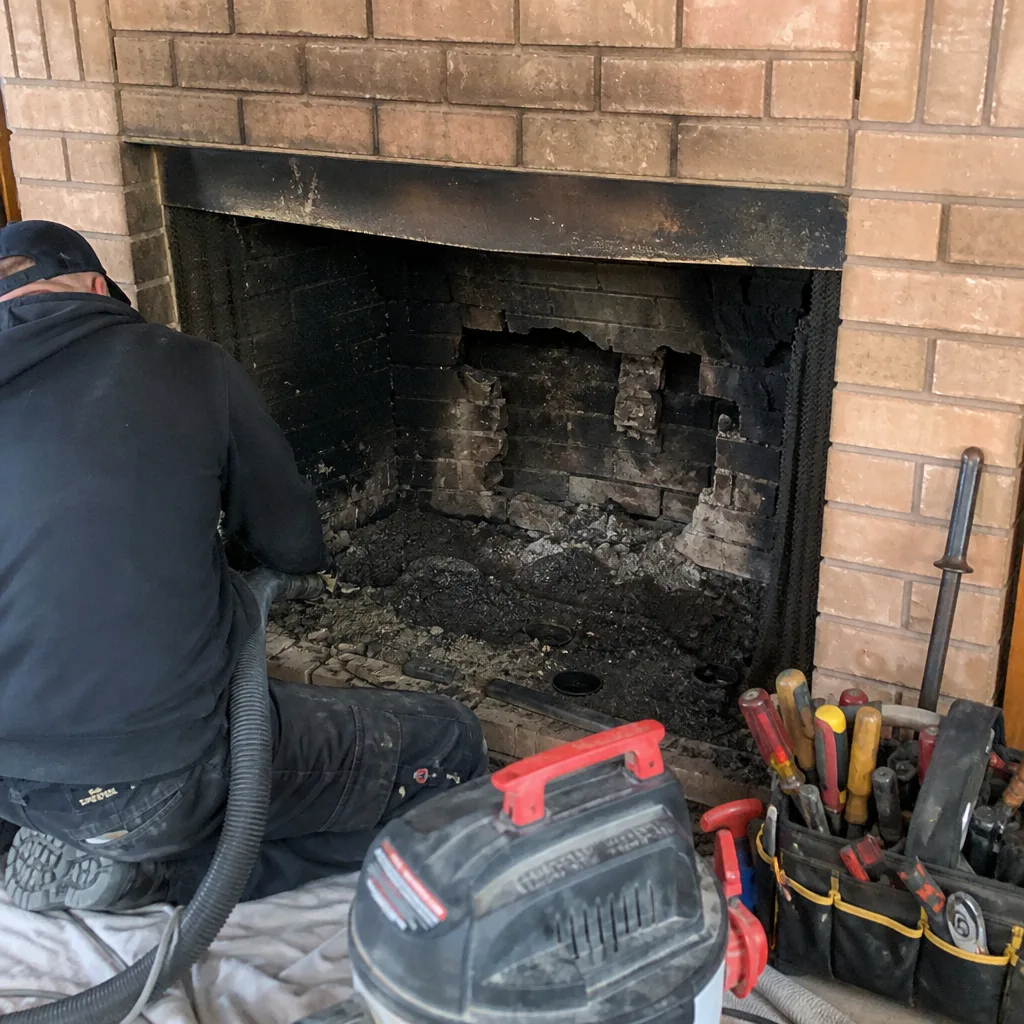 Before
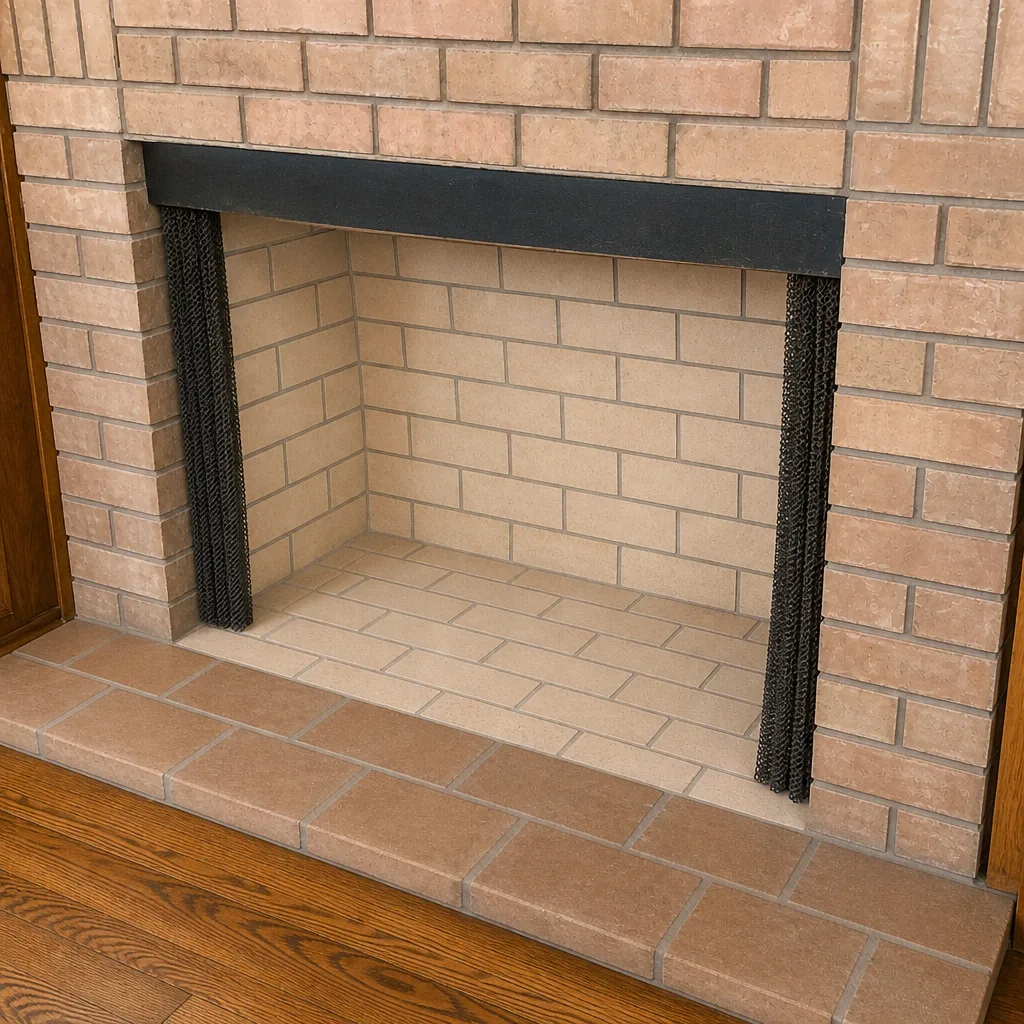 After
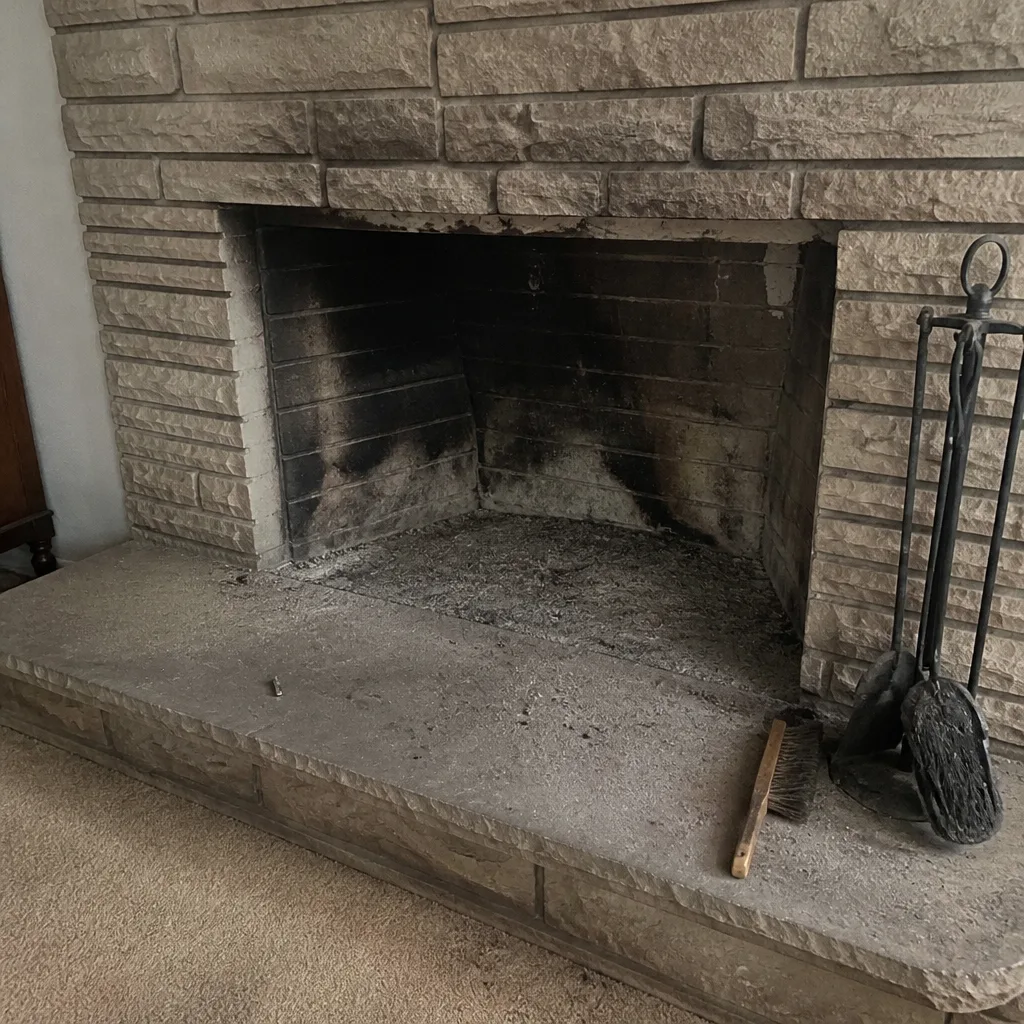 Before
 After
 Before
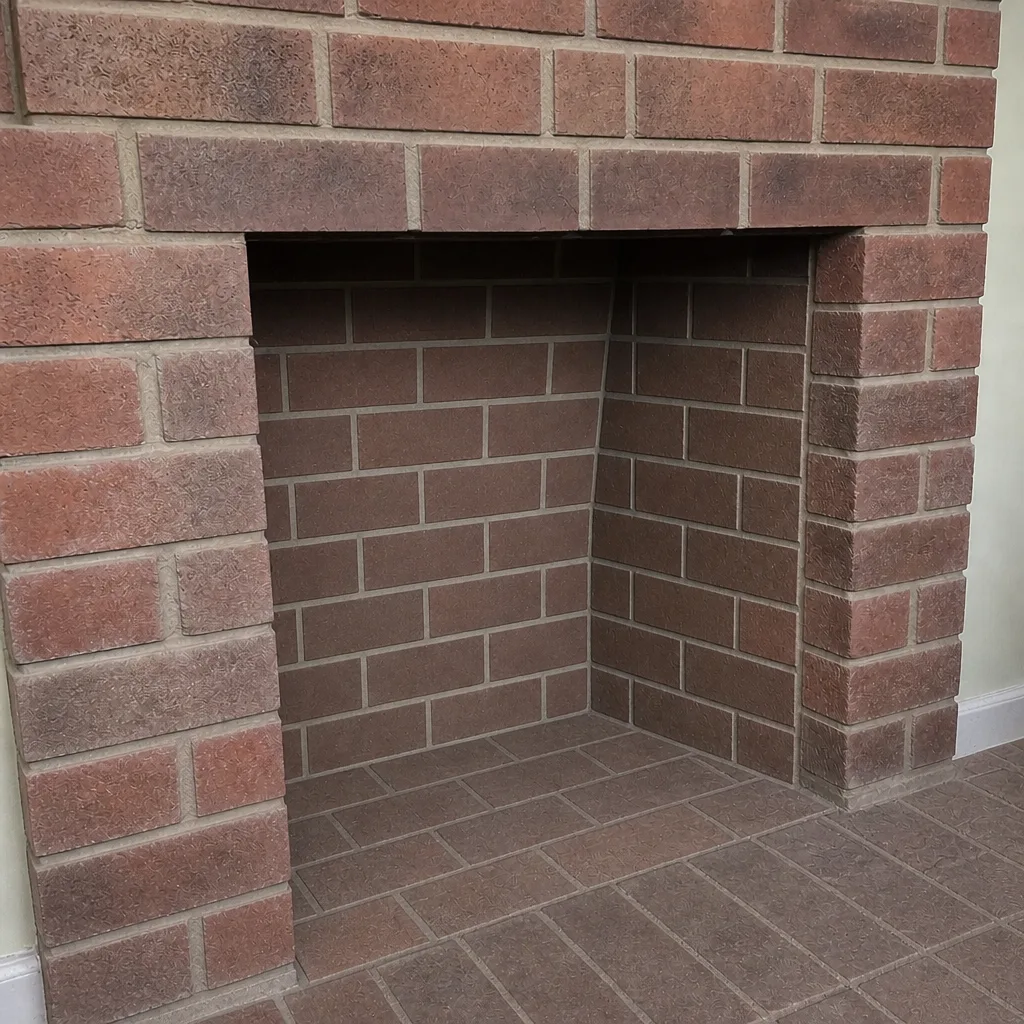 After
Frequently Asked Questions
A specialist should be able to name professional-grade products for each part of the job: HeatShield for liner resurfacing, DuraFlex for flexible relines, and Famco or Copperfield for caps. If the contractor can’t name products, ask what they use and why. A clear answer is a good sign; a vague one is a red flag. Call (866) 378-9837 for an exact quote on your chimney, and estimates are free.
Buckeye’s temperature swing, from winter nights near 40°F to summer days past 115°F, plus intense UV and monsoon humidity, puts materials through more stress than a mild climate does. Cheap products crack or chalk out faster here. That’s why thermal expansion and UV ratings matter. Call (866) 378-9837 if you want an estimate on your chimney’s condition, and estimates are free.
It’s the weakest choice for this climate. Galvanized steel rusts faster than stainless or copper when monsoon humidity cycles against dry heat. A stainless or copper cap costs more upfront but lasts far longer, and a cap is one of the cheapest protections you can add. Call (866) 378-9837 for a written estimate on a cap, and estimates are free.
Resurfacing restores the inside of an existing clay flue using a repair-grade product like HeatShield. A full reline installs a new flexible liner system, like DuraFlex, inside the old flue. Resurfacing is often the lower-cost option when the existing liner can be saved. A specialist will tell you which one your chimney needs, with evidence. Call (866) 378-9837 for an inspection and estimate, and estimates are free.
For a wood-burning fireplace used regularly, an annual inspection and sweep is the standard recommendation. If you burn often, or notice creosote buildup, don’t wait. The inspection is where problems get caught before they become repairs. Call (866) 378-9837 to book a sweep in Buckeye, and estimates are free.
Ask for camera evidence and photographs of what was found. A specialist will show you, not just tell you. If a contractor can’t produce evidence, get a second opinion before authorizing any liner or masonry work. Call (866) 378-9837 for an inspection with documentation, and estimates are free.
The Bottom Line
The brands on your chimney are a prediction of how long the repair will last. In Buckeye’s climate, the difference between professional-grade materials and generic substitutes shows up fast, because the temperature swing, UV exposure, and monsoon moisture don’t forgive shortcuts. Ask which products go on your chimney, ask why, and ask for documentation. A specialist will answer without hesitation. A generalist won’t. Chimney Sweep Buckeye works with six professional industry brands, from DuraFlex and HeatShield to Famco and Copperfield, and we sweep, inspect, and repair as one team. Call (866) 378-9837 for a free estimate.
Written by the team at Chimney Sweep Buckeye.