
Last updated November 15, 2026
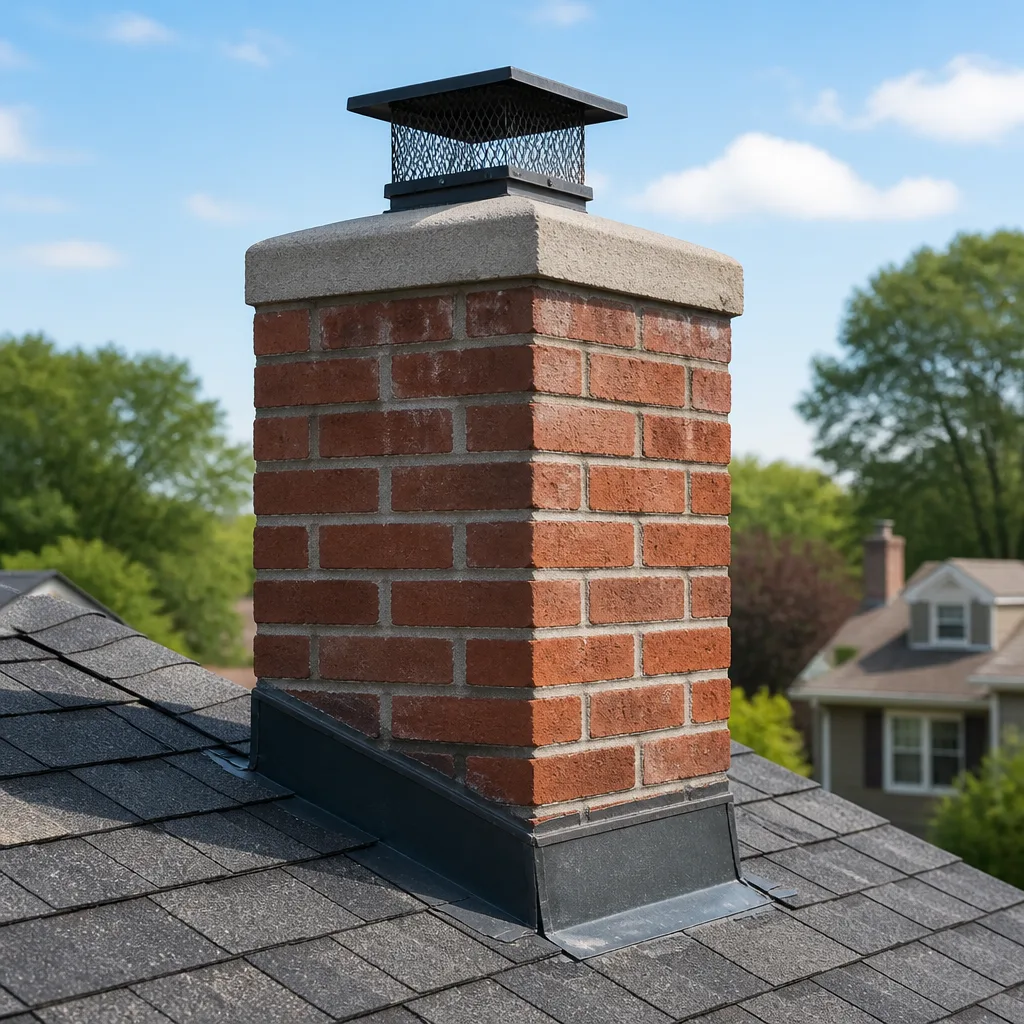 Sweep & inspection
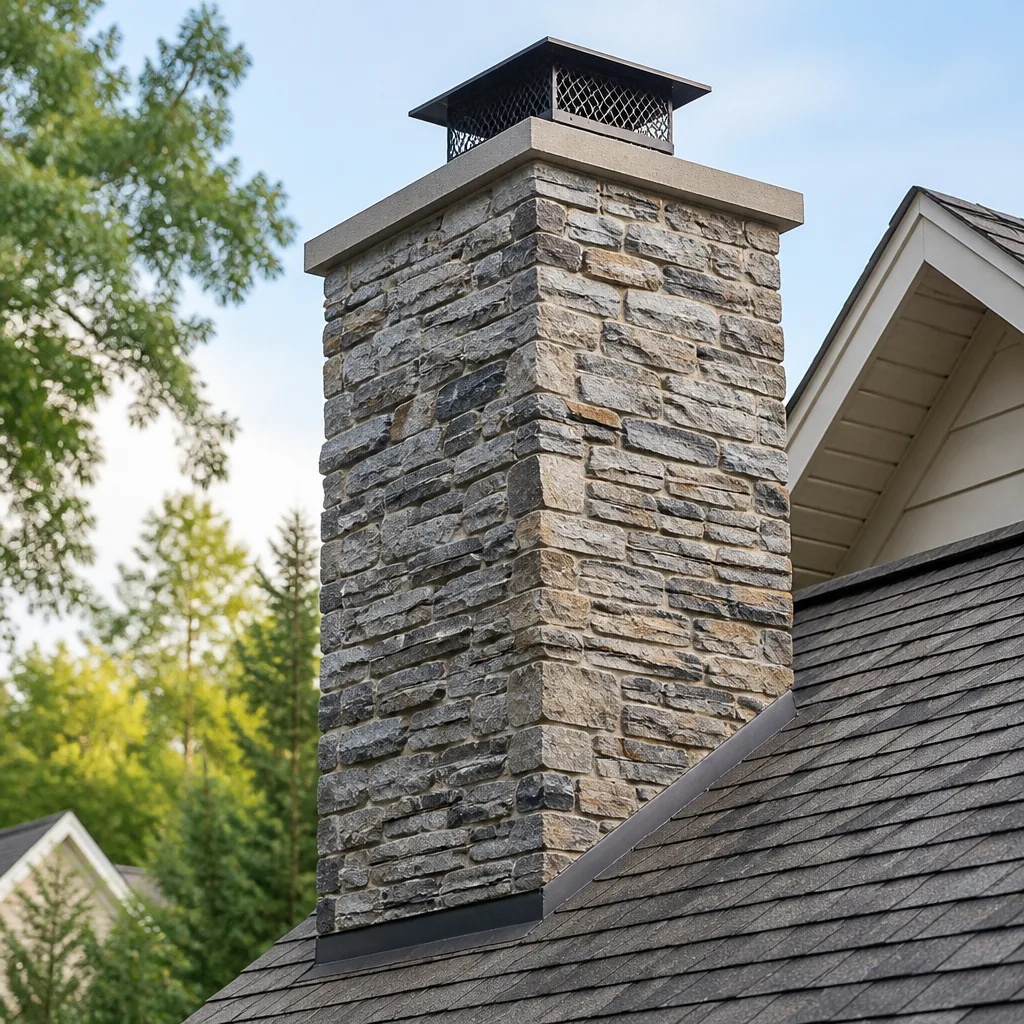 Caps & crowns
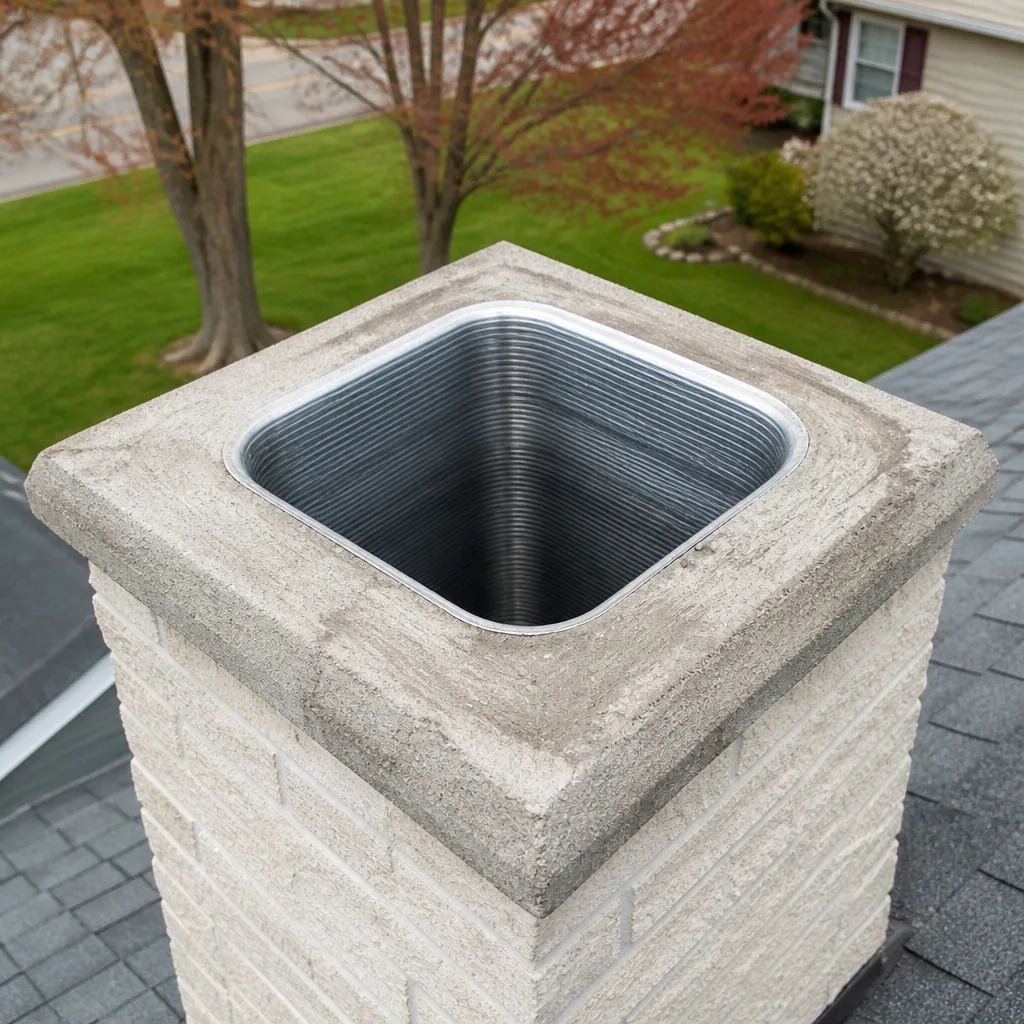 Flue relining
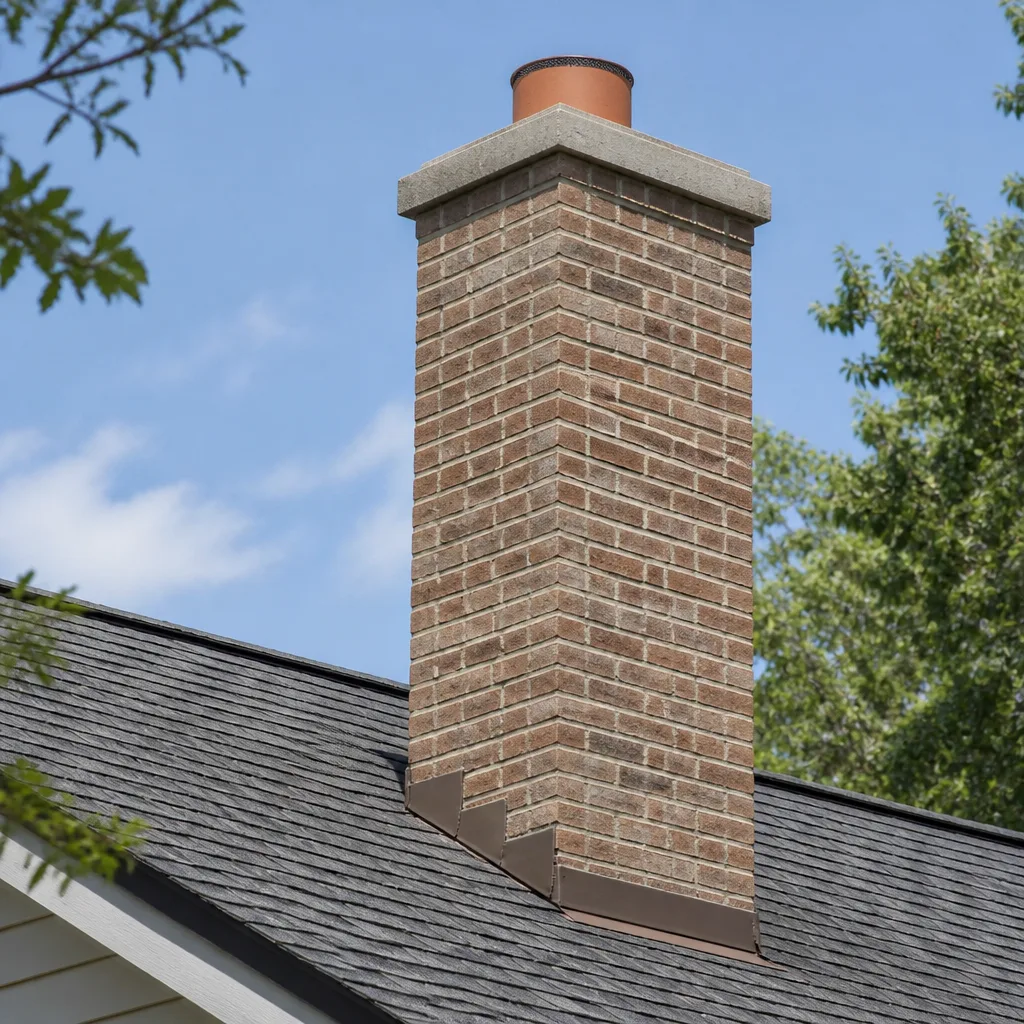 Masonry repair
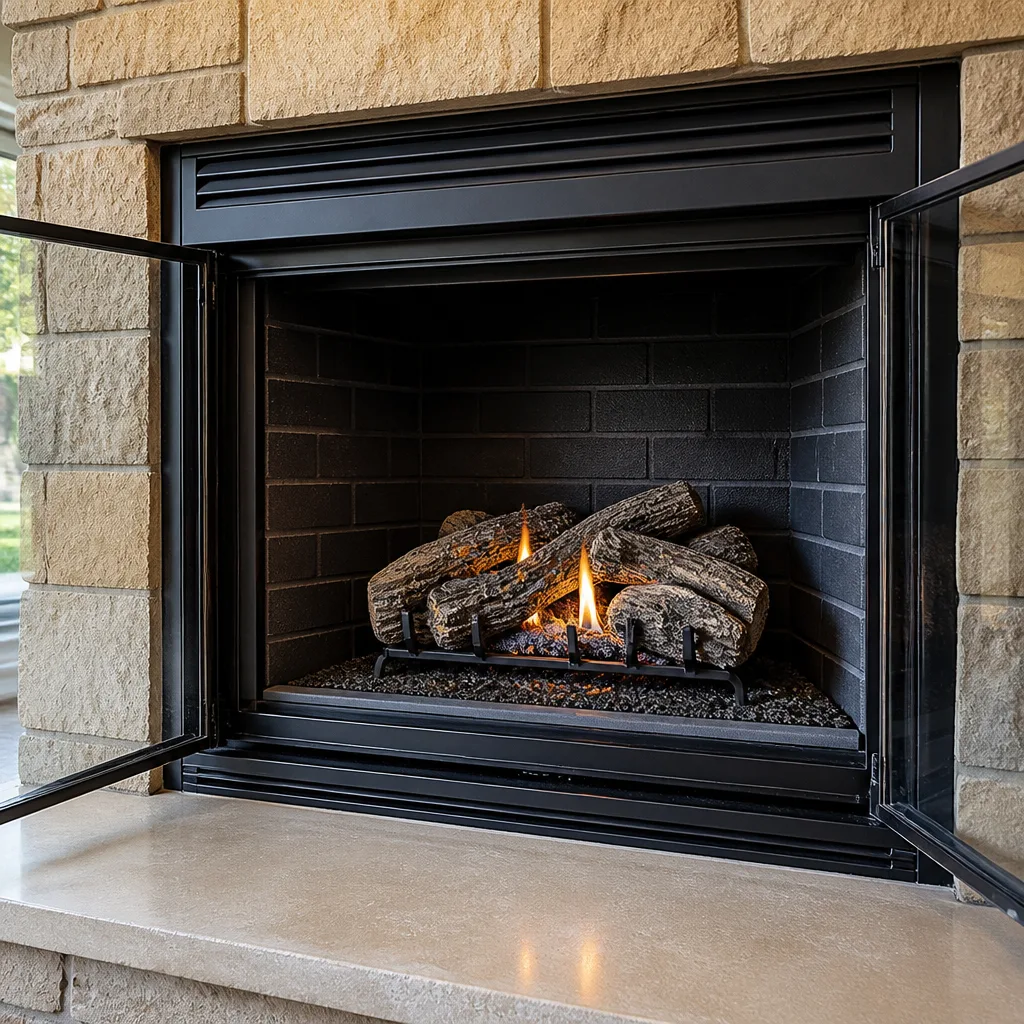 Gas fireplace service
Level 1 sweep and inspection to the NFPA 211 annual standard - flue, crown, cap, and flashing checked and photographed
Chimney sweep logs do not sweep chimneys. They loosen some creosote - which then falls where a brush and vacuum still have to collect it.
Chimney Sweep Troubleshooting in Buckeye: Common Problems and How to Fix Them
Smoke curling back into your living room and white staining creeping across your chimney’s exterior are both “chimney problems,” but they come from completely different root causes. One is a draft and airflow issue. The other is a moisture problem working its way through the masonry. Treat them the same way and you’ll spend money on both without fixing either. We see this mix-up constantly here in Buckeye, where fireplaces get used a few times a year at most and small issues sit unnoticed for months. What follows is a symptom-first guide: how to read what your chimney is actually telling you, what each sign most likely means, and how to describe it clearly enough that a specialist can diagnose it fast. In places like Buckeye, where temps swing from 40s to 110s across a year, those seasonal shifts leave their own fingerprints on mortar and liner.
Quick Answer
Most chimney problems in Buckeye break down into five categories: draft and airflow issues, creosote buildup, water and moisture intrusion, liner cracks or deterioration, and animal or debris blockages. The trick to troubleshooting is figuring out which category your symptom belongs to before you call anyone. White staining usually means moisture, smoke rolling back means airflow, and a sour smell in summer is almost always creosote meeting heat. Matching symptom to category gets a technician to the right fix faster and saves you money on the diagnosis.
Styles & brands we work with
- Sweep & inspection
- Caps & crowns
- Flue relining
- Masonry repair
- Gas fireplace service
Table of Contents
- The Symptom Decoder: What Your Chimney Is Actually Telling You
- How Buckeye’s Climate Shapes Chimney Problems
- Why a Rarely-Used Fireplace Develops Its Own Set of Problems
- Draft and Smoke Problems: Diagnosis and Response
- Creosote: The Problem You Can’t See Until It’s Serious
- Moisture, Efflorescence, and Spalling Masonry
- Liner Degradation: The Invisible Failure
- What You Can Monitor vs. What Needs a Professional
- How to Describe a Problem to a Technician So Diagnosis Takes Minutes, Not Hours
The Symptom Decoder: What Your Chimney Is Actually Telling You
Before you pick up the phone, start with a little detective work. The most important troubleshooting skill is learning to match a symptom to a category. A homeowner who can say “my chimney smokes back only when the wind comes from the south” gets a much faster answer than one who says “it doesn’t work right.” Precision pays.
Here’s the decoder we use when we talk homeowners through their observations over the phone:
- White, chalky staining on brick exterior: efflorescence, which means water is moving through the masonry and carrying dissolved salts to the surface. It’s a moisture problem, not a smoke problem. It points to a failing cap, a cracked crown, or unsealed flashing.
- Black, glossy deposits inside the firebox or at the top of the chimney: that’s glazed creosote, stage three buildup. It is a fire hazard and won’t come off with a standard brush. It needs chemical treatment or liner replacement.
- Sour or smoky smell in summer, especially during a heat wave: creosote reacting to humidity and high temperature. Buckeye’s summer heat can make a rarely-used chimney smell like a campfire inside the house.
- Flaking, crumbling brick face (spalling): moisture has saturated the brick and it’s breaking apart. This one gets worse every season it’s ignored.
- Smoke rolling back into the room, but only sometimes: draft interruption. Could be a blocked flue, a competing exhaust fan, a chimney that’s too short, or a chimney cap that’s clogged or wrong for the stack.
- Dark staining at the top of the fireplace opening: smoke escaping around the damper or top of the firebox. Often a draft issue, sometimes a damper that no longer seals.
- Water dripping in the firebox during our monsoon months: the crown or flashing has failed, or the cap has been damaged or removed.
When we walk a homeowner through this list, we’re not trying to turn them into a chimney inspector. We’re saving them from the most common waste of money in this business: paying for a repair that addresses the wrong problem. A cap that looks beaten up from high heat and hard sun might seem like the cause of your interior water, but if the crown is cracked underneath it, replacing the cap alone won’t help.
Chimney Sweep Buckeye is a dedicated chimney specialist: sweeping, inspection, and repair, all handled by one team. That matters here because it means the person diagnosing your problem is the same person equipped to fix it, not a generalist who sweeps and then sends you somewhere else to repair.
How Buckeye’s Climate Shapes Chimney Problems
Buckeye’s desert climate is hard on chimneys in ways that homeowners moving here from wetter parts of the country don’t expect. The two dominant forces are intense summer heat and very low humidity, and how they interact with a masonry chimney is worth understanding.
Low humidity and mortar: In wetter climates, masonry stays somewhat hydrated and expands and contracts slowly. In Buckeye, the masonry dries out hard between the monsoon season and the cold months. Mortar joints that were tight can shrink and crack, sometimes in the first few years after construction. Hairline cracks in the mortar let water into the brick during a monsoon rain. Then the next heat wave pushes moisture back out, and that cycle can spall the brick face. The classic symptom is a chimney that looks fine from the ground but has crumbling joints up close.
High heat and liner material: Metal liners and prefabricated chimney pipes take on more thermal stress in a climate where the exterior can hit 150 degrees on a west-facing chase wall while the interior fires up to 400 degrees or higher. That’s a big temperature differential, and it eventually takes a toll on gaskets and pipe joints. We look closely at every joint on a Level 2 inspection, especially on second-story chimneys that get full afternoon sun.
The “fireplace in winter” pattern: Homes in Buckeye often run a fireplace during cold snaps and then don’t touch it again for months. That pattern is rougher on a chimney than year-round use. A cold chimney that rarely gets warm holds moisture in its masonry longer. And a rarely-fired flue allows a bird or a squirrel to take up residence between seasons without anyone noticing until they try to light a fire.
If you have questions about how the local climate affects your chimney specifically, the team at Chimney Sweep Buckeye can walk you through what we look for on the Buckeye side of town.
Why a Rarely-Used Fireplace Develops Its Own Set of Problems
You might assume that a fireplace you never use doesn’t have problems. In Arizona, the opposite is often true. Homes in Buckeye that burn wood a handful of nights a year have their own failure patterns, and they’re different from what you’d see in a home that burns daily all winter.
Here’s what we find in infrequently-used fireplaces:
- Animal and debris blockages: A flue that sits unused and open from March through October is a nest site. Birds, squirrels, and even bees will move in. By fall, the flue is plugged and the first fire of the season smokes back hard. If the flue has a cap, this risk drops dramatically, but a damaged cap does the same job as no cap.
- Creosote that ages into something harder: Creosote that gets wet and then repeatedly heats and cools over years can harden into a glaze. A chimney that was swept five years ago and hasn’t been used since will still have whatever creosote was left behind, plus any moisture and debris that came in.
- Liner degradation from disuse: Metal liners and piping that aren’t being used don’t have a chance to dry out via a hot fire, and dust, debris, and moisture collect inside them. We find cracked joints and pinholes in older liners that never would have failed this way in a furnace-fired home.
- Damper and flue rust: A damper that nobody opens for eight months sits in still, humid air after a monsoon. Rust is common, and a rusted damper stops sealing properly, letting conditioned air out and outside air in.
We recommend a professional sweep and inspection at the start of every burning season for infrequently-used fireplaces, precisely because they accumulate problems silently. If you want a quick overview of what a sweep involves, our chimney sweep page breaks down the process step by step. A quick annual check beats discovering a nest or a cracked liner the night you want a fire.
Draft and Smoke Problems: Diagnosis and Response
Smoke rolling into a room is the number-one chimney complaint, and it’s the one with the most possible causes. The good news is that draft problems usually leave a trail of clues once you know where to look. The starting point is figuring out when the smoke backs up.
- Smoke backs up when you first light the fire but clears after a few minutes: that’s a cold-flue problem. The masonry is cold and dense, and warm air can’t start rising until the flue warms up. Pre-heating the flue by burning a rolled-up newspaper near the damper is the classic remedy. If that stops working, the flue might be partially obstructed.
- Smoke rolls back only when it’s windy outside: the chimney cap may be the wrong style for the prevailing wind, or the stack is too short for the house’s roofline. Homes here often get southwesterly winds during monsoon storms, and a down-draft can force smoke down a stack that’s not tall enough.
- Smoke backs up only when the dryer or bathroom fan runs: the exhaust fan is pulling air out of the house, causing negative pressure that reverses draft. Solving this is about opening a nearby window or finding the pressure imbalance, not about the chimney itself.
- Smoke backs up every time, regardless of wind or fans: the flue is likely blocked. Animal nest, fallen brick, collapsed liner section, or creosote closure. This one needs an inspection before you light another fire.
Here’s the safety note: never try to “look inside and clear it” from the top by climbing on the roof. Roof work is the single most dangerous part of this trade, and a fall from a steep pitch or a slippery shingle is a serious injury. Trained technicians have the ladders, roof anchors, and gear to inspect and clear the flue safely. Call for that part. When you’re ready to book the inspection, the crew at Chimney Sweep Buckeye handles it with the tools for the job, not a ladder leaned against the gutter.
One more local point: Buckeye homes with taller rooflines and two-story chases may need a draft-improving cap or a stack extension. A proper cap, like the ones we install from Gelco and Famco, can solve draft problems while also keeping out rain and animals. It’s a small fix that prevents bigger ones.
Creosote: The Problem You Can’t See Until It’s Serious
Creosote is the black tar-like residue left behind by wood smoke, and it’s the leading cause of chimney fires. The danger is that you often can’t see it, and you can’t smell it after the fire has been dormant for weeks. A chimney that looks clean from the firebox can be lined with enough creosote to ignite.
There are three stages, and only the first is easy to fix:
- Stage 1: light soot and flaky residue, easily removed with a standard brush. This is what regular sweeping handles.
- Stage 2: a denser, darker deposit that clings to the flue wall. Still brushable, but requires more effort. If it’s present, you’re overdue for a sweep.
- Stage 3: glazed, hardened creosote that looks like black glass. It’s glossy, it doesn’t come off with brushing, and it is highly flammable. This requires chemical treatment or, in severe cases, liner replacement.
How do you get creosote to build up in a home that burns a few times in December? The main driver is incomplete combustion, which happens with wet or unseasoned wood, or with a fire that’s kept smothered or never gets hot enough. In Buckeye, where wood is often stored outside during the summer months, the biggest culprit we see is firewood that’s been sitting through a monsoon rain and never dried out. Burning wet wood deposits crud at a rate that surprises people who only burn two or three cords a season. If you want the reference guide for how a well-seasoned fire actually behaves, our chimney repair page covers the difference between routine and corrective work.
Glazed creosote removal is not a homeowner job. Incomplete or aggressive scraping can damage the liner or the clay tile, and heating a glazed flue improperly can cause a fire. If you suspect stage three buildup, a professional inspection is the right first step, and any fix that comes after should be done by someone qualified. Chimney Sweep Buckeye handles creosote remediation and, when required, liner resurfacing using HeatShield, which is applied to seal and restore the inner flue wall rather than tear it out. Liner resurfacing is a specialized process most general sweep services don’t offer.
Moisture, Efflorescence, and Spalling Masonry
Moisture is the quiet destroyer of masonry chimneys, and it’s the reason a chimney can look fine at the top while it’s actually failing from the inside. In Buckeye, moisture intrusion happens most during monsoon season and from nighttime cooling that wrings condensation out of the masonry. Once water gets in, the outward signs show up as chalky stains or flaking brick.
Here’s the chain of failure, in order:
- Water gets in at the top of the chimney. The most common entry points are the crown (the concrete cap above the brick), the flashing where the chimney meets the roof, and the flue cap.
- The masonry absorbs the water and holds it. Brick is porous, even when it’s supposedly weather-resistant.
- The sun comes back out and the water evaporates, leaving dissolved salts behind. That’s efflorescence: the white, chalky staining.
- Repeat cycles of wetting and drying cause the brick face to spall. Small flakes at first, then whole pieces. This is where the real repair cost starts.
- If water reaches the interior flue, it degrades the liner and can cause rust or cracks in metal liners, or freeze-thaw damage in older clay tiles.
The most effective prevention is a properly fitted chimney cap. A cap keeps rain out of the flue while still allowing exhaust to escape, and it closes off the opening to animals. We install caps from Gelco and Famco because they hold up under our sun and heat. We also check the crown and flashing as part of any repair visit: if the top of the chimney is failing, a new cap won’t fix the leak.
A word on “sealing the brick” with a water repellant: many homeowners want to paint or seal the brick exterior to stop the staining. A standard waterproofing sealant can trap moisture inside the brick and accelerate spalling rather than stop it. A proper chimney sealant needs to be vapor-permeable so water can still escape. This is a job where the wrong product causes more harm than the problem. An inspection before any coating is the safest route.
Liner Degradation: The Invisible Failure
Your chimney’s liner is the layer that stands between the exhaust gases and the structure of your house. When it’s intact, everything works. When it fails, the results range from a smoky room to a genuine fire risk. Most liner problems are invisible from the firebox, and the homeowner only notices smoke or lingering odor after the damage is already significant.
Common liner failure modes we see in this area:
- Cracked clay tiles: older masonry chimneys often use square clay tiles jointed with mortar. Over time, heat cycling and moisture crack the tiles and the joints.
- Corroded metal liners: flexible stainless liners can develop pinholes at joints or at the point where they connect to the appliance. This is common in older installs that weren’t sized correctly or had incomplete combustion running through them.
- Spalled interior surface: the interior of the clay tile can flake and crumble, leaving a rough, restricted flue.
- Gaps at offsets: any change in flue direction (an offset or a jog in the chimney) is a stress point where sections separate.
Liner failure is one of the reasons we do Level 2 inspections at a professional level. A camera inspection shows the actual condition of the liner, and a photo report lets a homeowner see what the technician saw, rather than take the diagnosis on faith. If the liner needs replacement, full chimney relining uses flexible liner systems such as DuraFlex. If the liner can be restored rather than replaced, HeatShield resurfacing can seal cracks and rebuild the flue surface without removing the existing liner. That second option is worth asking about because it can be more cost-effective and less disruptive than a full replacement, in the right conditions. Which option is right for your chimney depends on the extent of damage, and we won’t recommend relining without the camera evidence to back it up.
What You Can Monitor vs. What Needs a Professional
Part of troubleshooting is knowing which observations belong to you and which belong to a professional. Some things are reasonable to watch and report on. Others are genuinely dangerous to investigate, and there’s no upside to trying.
Safe for you to monitor and report:
- Smoke behavior (when smoke backs up, whether it clears, what the weather was doing)
- Visible staining, spalling, or peeling paint on the chimney exterior
- Odors, especially in summer or after a rain
- How often you burn, and what kind of wood you burn
- Water spotting around the firebox, or dampness at the base
- Rusted or loose damper handles inside the firebox
Needs a professional before the next fire:
- Any sign of a glazed, tarry creosote deposit
- Any known animal nest or blockage in the flue
- A liner that is cracked, holed, or visibly deteriorated
- A chimney that has been through a chimney fire, whether confirmed or suspected
- Any masonry damage that goes beyond the surface (loose bricks, cracked crown, missing cap)
- Smoke rolling back into the room with every fire
- Draft problems that persist after pre-heating the flue
Our technicians have up to 15 years of experience, and the rule of thumb is simple. Any condition where the fix involves roof access, opening the flue from the top, or handling glazed creosote or a damaged liner belongs with a trained professional. There’s no homeowner-level shortcut that’s safe on those, and one bad attempt can turn a repairable problem into a full reline.
How to Describe a Problem to a Technician So Diagnosis Takes Minutes, Not Hours
The final skill in effective troubleshooting is communication. A homeowner who can describe a chimney problem with precision may recover the cost of a diagnostic visit several times over, because the technician can plan the right inspection, bring the right tools, and show up with a clear idea of what to look for. A vague call (“something’s wrong with my chimney”) often means a second visit.
Use this structure when you call:
- What you see. Be specific. “White staining on the lower half of the chimney exterior” is very different from “my chimney looks dirty.” Mention color, location, and how long it’s been there.
- When it happens. Noise or smoke that appears only with a fire, only in wind, only after rain, or only in summer. Timing narrows the diagnosis fast.
- What kind of appliance. Open masonry fireplace, insert, or freestanding wood stove. Each one has its own draft and venting requirements, and the fix may be different depending on what you have.
- Your burning history. How many seasons you’ve burned, how often you burn, and what kind of wood (seasoned or wet, hardwood or softwood). This tells the technician what to expect inside the flue.
- What you’ve already tried. If you’ve swept a little from the firebox, changed the type of wood, or pre-heated the flue, say so. It saves the technician from suggesting something you’ve ruled out.
- Any past work. If a new cap was installed, a liner was replaced, or the chimney was cleaned in recent years, that’s part of the picture. Past repairs can fail, and knowing what materials were used matters.
Pictures help as much as words. A phone snapshot of the chimney exterior, the firebox interior, and the cap location speeds things up a lot. We can start to form a diagnosis from a photo report before anyone gets to the house.
Behind the scenes, we work with brands that chimney specialists trust because the right material matters on repairs: Gelco and Famco for caps, HeatShield for resurfacing, Olympia Chimney and DuraFlex for liner work. A repair that uses a cheap substitute may not last through a Buckeye summer. We’d rather put in the right material the first time.
Common Mistakes to Avoid
- Burning wet or unseasoned wood to “save money.” The cheap cord ends up costing you in creosote buildup and a premature sweep. In this climate, wood stored outdoors needs to be covered and seasoned for at least a full summer before burning.
- Cleaning the chimney with a brush on a rope from the firebox without inspecting first. You may be sweeping stage 3 creosote into a mass that later catches fire. If you’ve never had a professional inspection, start there.
- Painting or sealing exterior brick to stop efflorescence. Standard sealants trap moisture and accelerate spalling. The right fix is to stop the water entry, not to cover the symptom.
- Assuming annual sweeps aren’t necessary because you rarely burn. Infrequent use in Buckeye actually creates more animal and debris problems, not fewer. An annual inspection is a reasonable baseline.
- Removing the chimney cap to “let it breathe.” An open flue invites rain, birds, and bees. The cap is doing structural work whether it looks like it or not.
- Ignoring a small change in draft. If your fireplace smoked once or twice last winter but was fine the winter before, that’s a signal that something changed inside the flue. Investigating early is cheaper than waiting for a complete failure.
- Letting a roofer or handyman handle a chimney repair. Chimneys are their own specialty, with their own materials and code requirements. A fix that works for roof shingles doesn’t work for a chimney crown or liner.
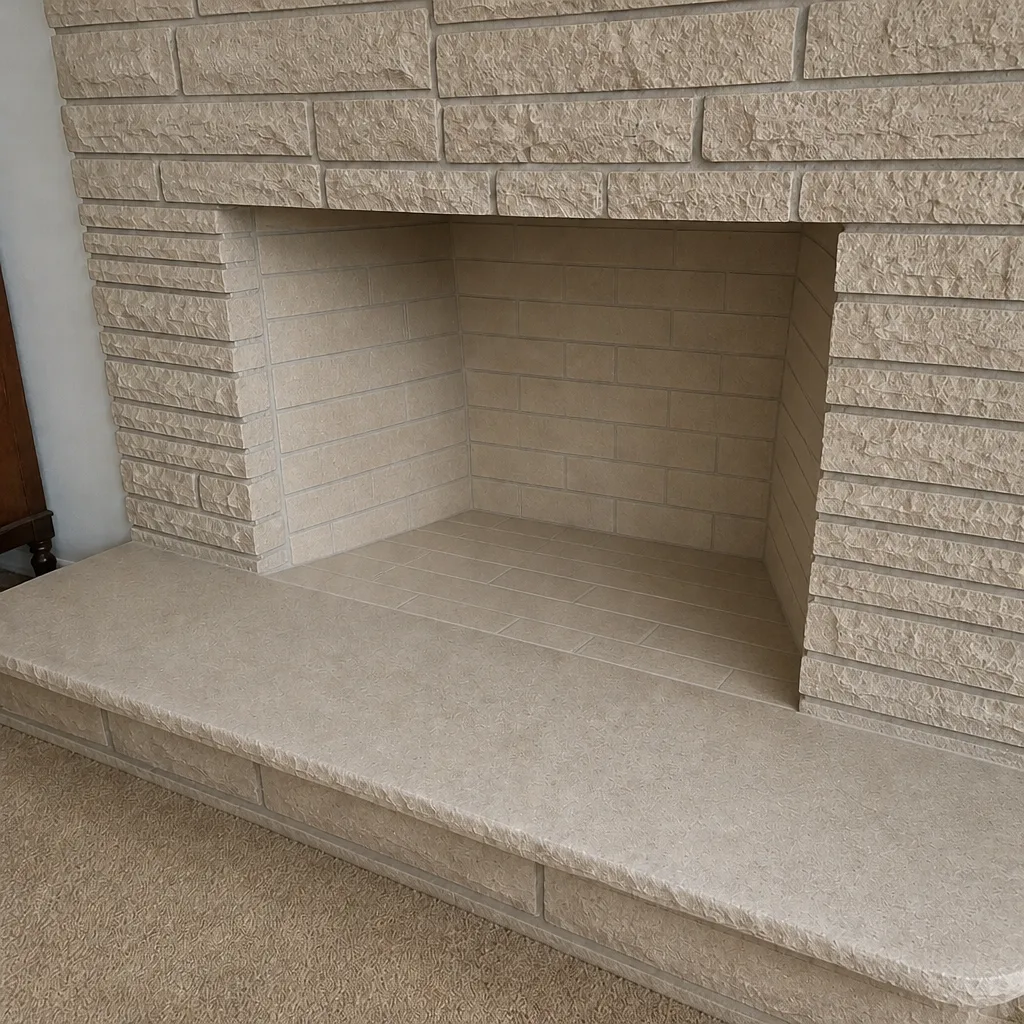
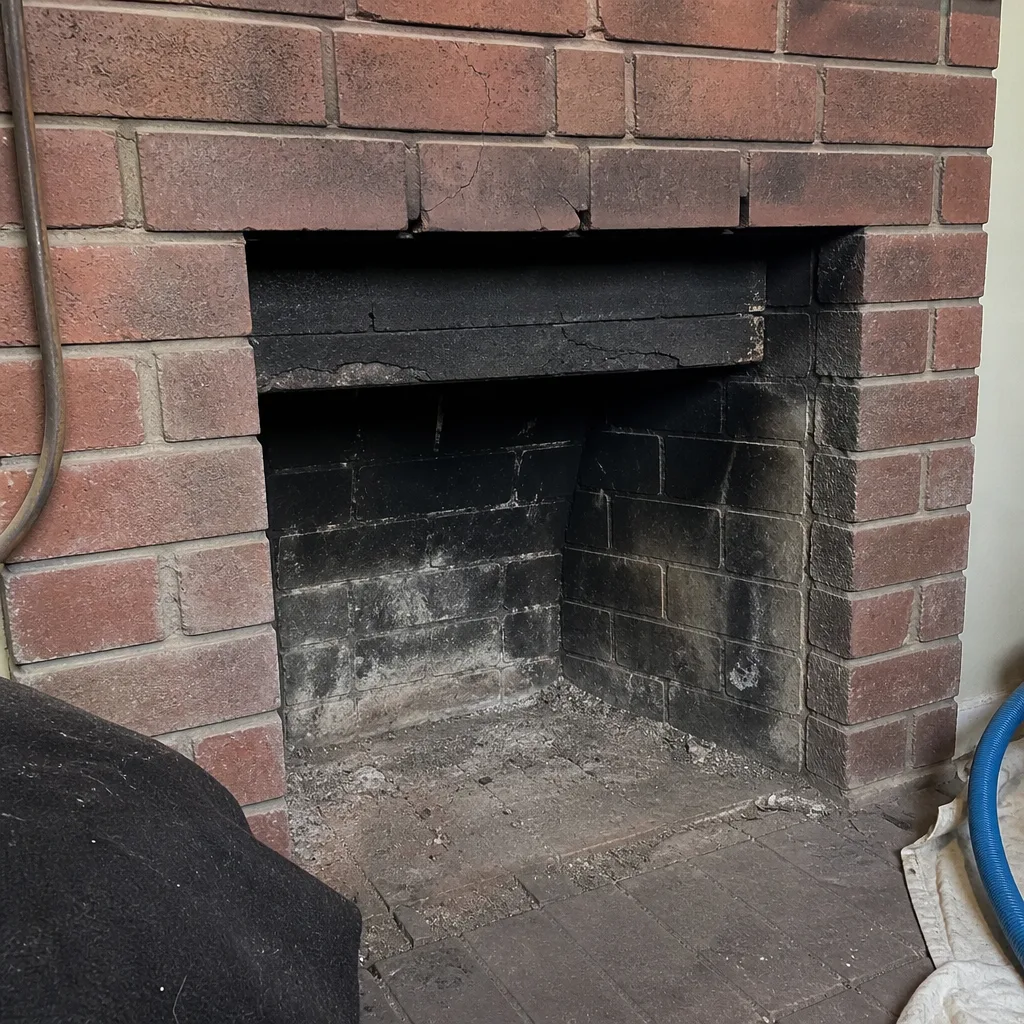
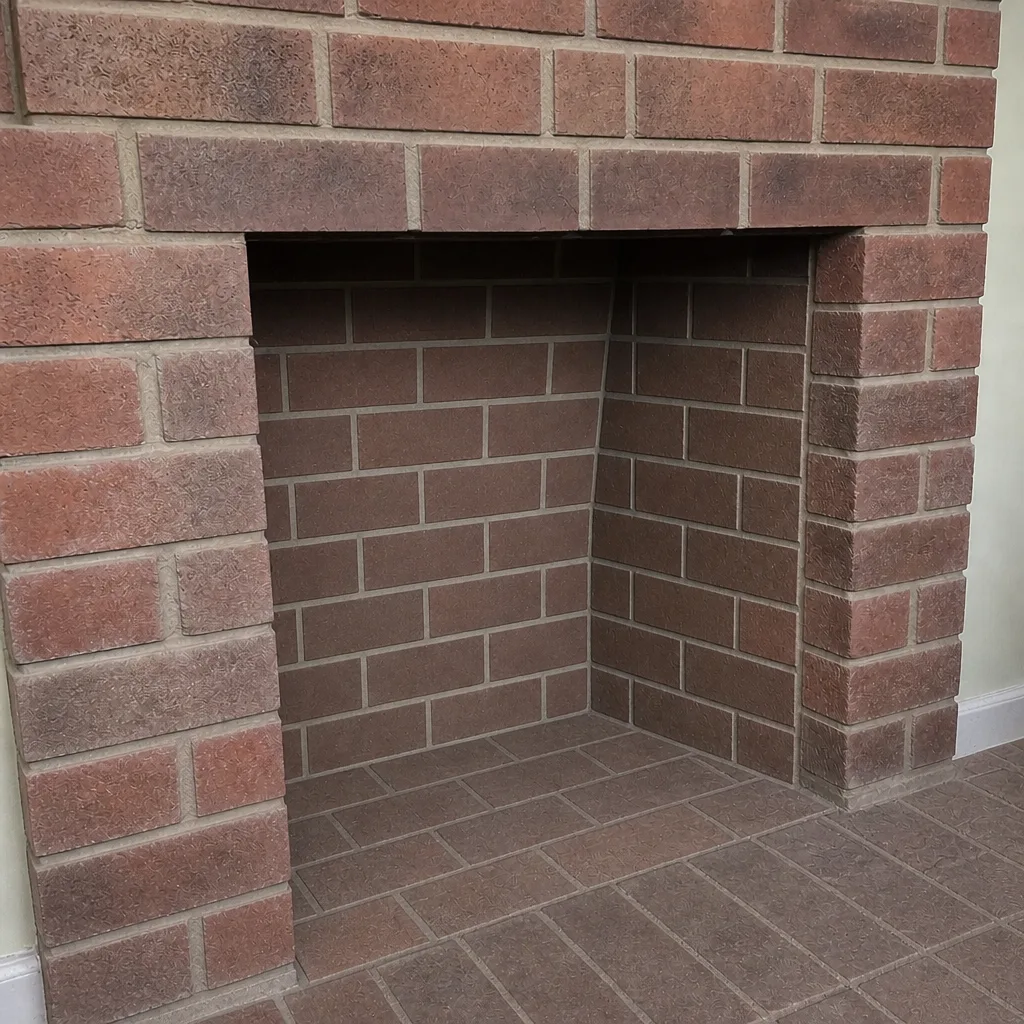
See the difference
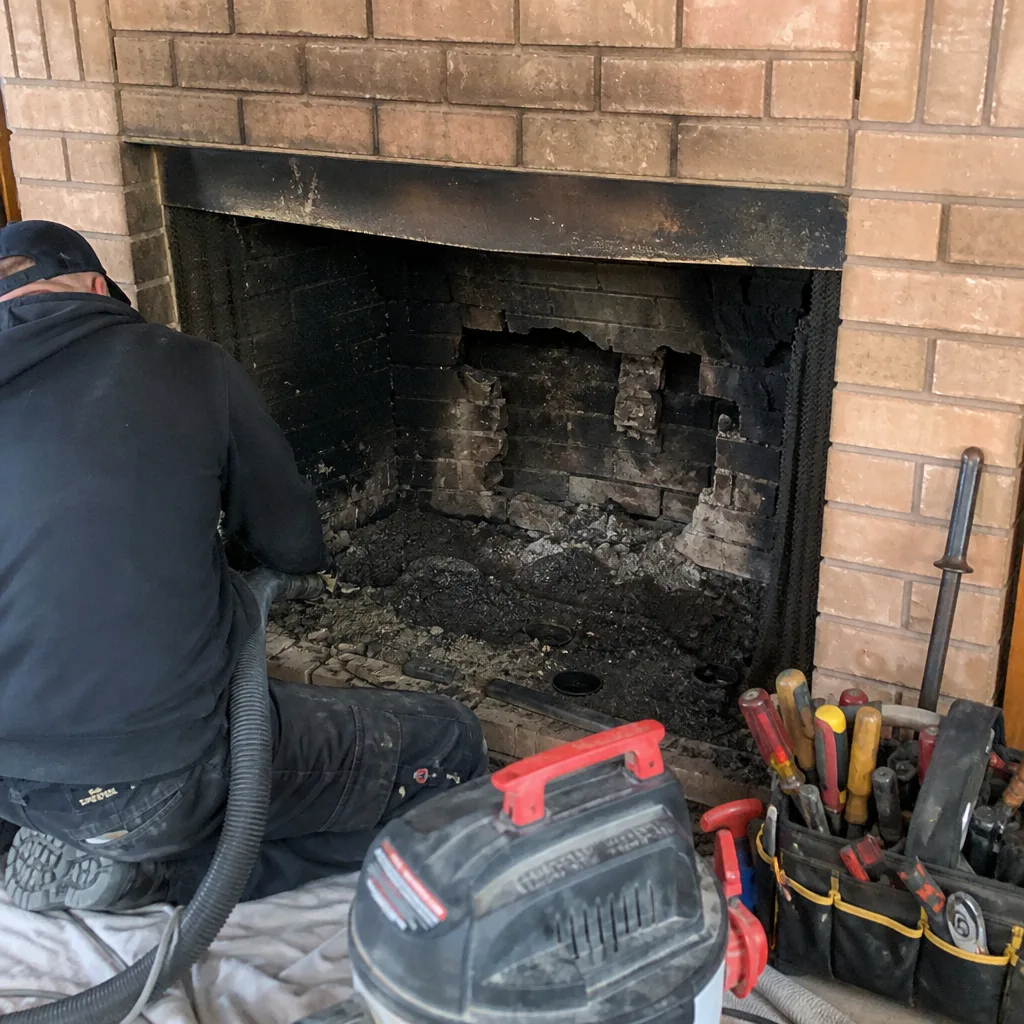 Before
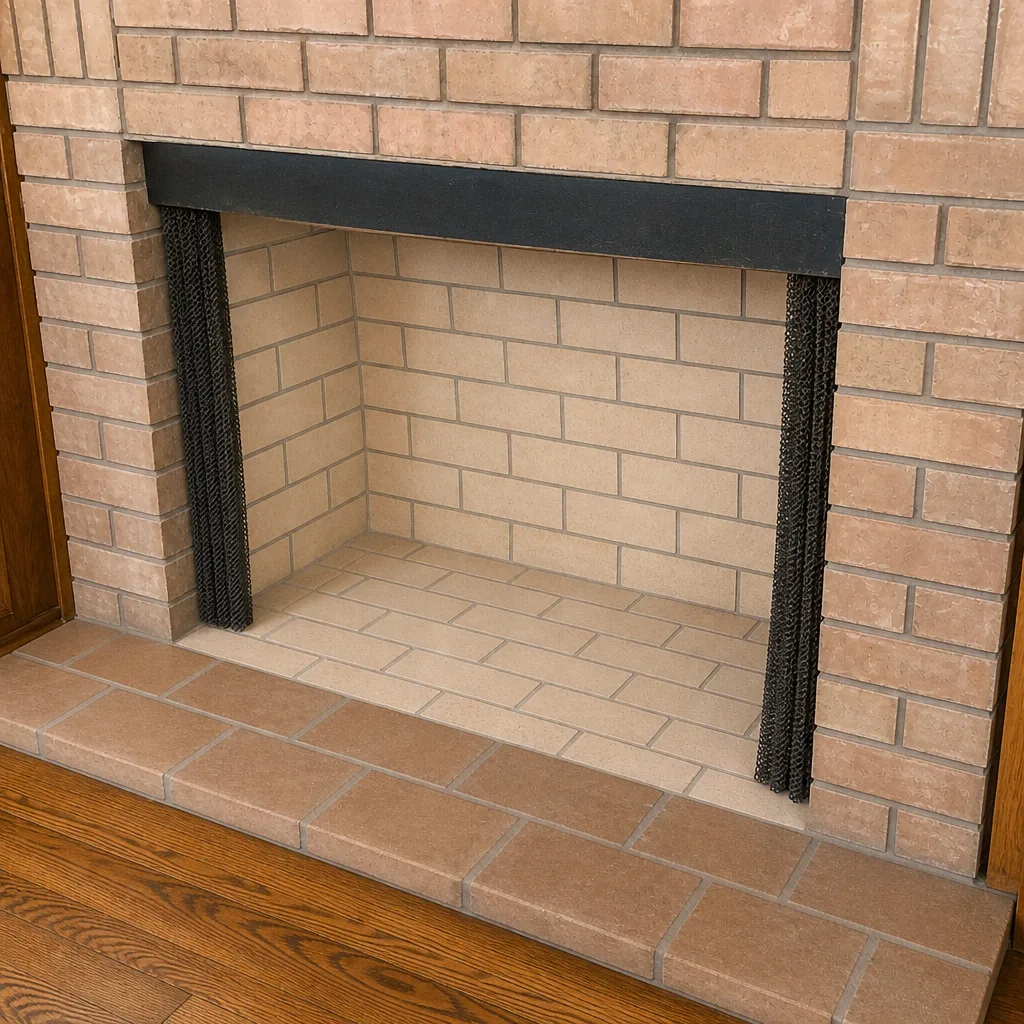 After
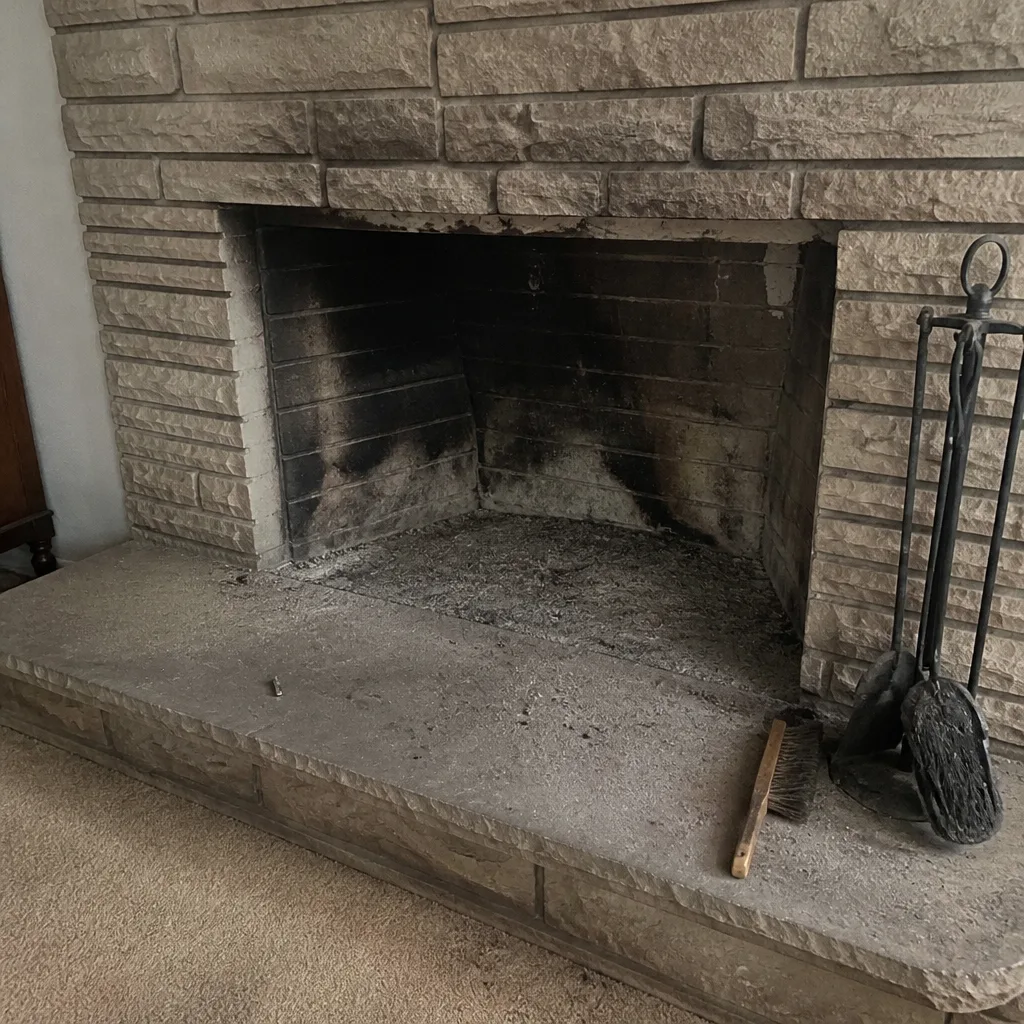 Before
 After
 Before
 After
When to Call a Professional
Call a professional if any of the following apply: you haven’t had the chimney inspected in more than a year, you notice white staining or spalling on the exterior, smoke rolls into the room when you light a fire, you smell a smoky or sour odor in summer, you suspect an animal nest, or you’ve had a chimney fire (even a small one). Do not burn another fire until an inspection clears the flue. The cost of an inspection is minor compared to the cost of a chimney fire or a collapsed liner, and the inspection gives you a clear picture of the fix. Chimney Sweep Buckeye offers free estimates in Buckeye, and we can walk you through what a Level 2 inspection includes. Call (866) 378-9837.
Frequently Asked Questions
A standard chimney sweep is typically the most affordable service in the chimney business, and the exact price depends on your chimney’s height, accessibility, and the level of buildup inside. The written estimate we provide before any work starts sets the final price, and the estimate itself is free. If a sweep uncovers a liner or masonry problem, we’ll show you the camera evidence and give you a separate repair estimate. Call (866) 378-9837 for an exact quote and to book a visit.
Not always. Many chimneys that look like they need a full reline can be restored with HeatShield resurfacing, which seals cracks and rebuilds the flue surface from the inside. A new liner is only necessary when the existing one is too damaged or too poorly sized to be restored safely. We don’t recommend relining without camera evidence you can see yourself. If you’d like a second opinion on a liner diagnosis, call (866) 378-9837.
Once a year is a reasonable baseline for most homes, regardless of how often you burn. In Buckeye, the combination of infrequent use and long hot seasons means debris, animal activity, and moisture problems tend to develop silently between burning seasons. If you burn more than a few cords a year, or if you see glazed creosote, have the chimney checked sooner. A professional inspection before the next fire season catches problems while they’re still cheap to fix.
The two real risks are a chimney fire from creosote buildup and carbon monoxide exposure from a blocked or damaged flue. Both can happen in a chimney that looked fine the last time you used it. Beyond those, small problems become large ones: a small crown crack becomes spalled brick, and a damaged cap becomes a liner full of rain and animals. We’d rather see a chimney with a cheap, easy problem than wait for the expensive one. Call (866) 378-9837 to book an inspection.
Summer chimney odor is usually creosote reacting to heat and humidity. When the outside temperature climbs, the air pressure inside the flue changes and the residue from last winter’s fires starts to smell. A professional sweep removes the residue and a thorough inspection reveals whether damage underneath is making it worse. In our experience, a good cleaning plus proper cap installation solves most summer odor complaints.
You can identify a symptom from the ground, but you can’t safely diagnose the cause. Visible staining, smoke behavior, and odors are all useful signals, and describing them clearly helps a technician plan the visit. But the actual liner, flue, and crown condition can only be checked from the top or with a camera. If you’re seeing symptoms and want to know what they mean for your chimney, call (866) 378-9837 and we’ll help you sort out what kind of inspection makes sense.
The Bottom Line
Chimney problems fall into a short list of categories: draft, creosote, moisture, liner damage, and blockages. The single most helpful thing a homeowner can do is learn to match a symptom to a category, then describe it clearly. In Buckeye, the extra challenges are a hot, dry climate that stresses masonry and a use pattern – infrequent fires over many months – that lets small problems develop in silence. Once you know what your chimney is telling you, the fix is usually faster and less expensive than the alternative. Chimney Sweep Buckeye provides sweeping, inspection, and repair using professional-grade materials from brands the industry trusts, and we can give you a straight answer on whether the work can wait or needs attention now.
Call (866) 378-9837 for a free estimate. We answer 24/7. Fast dispatch from 7am to 7pm, Sunday through Friday.
Written by the team at Chimney Sweep Buckeye.