
Last updated November 15, 2026
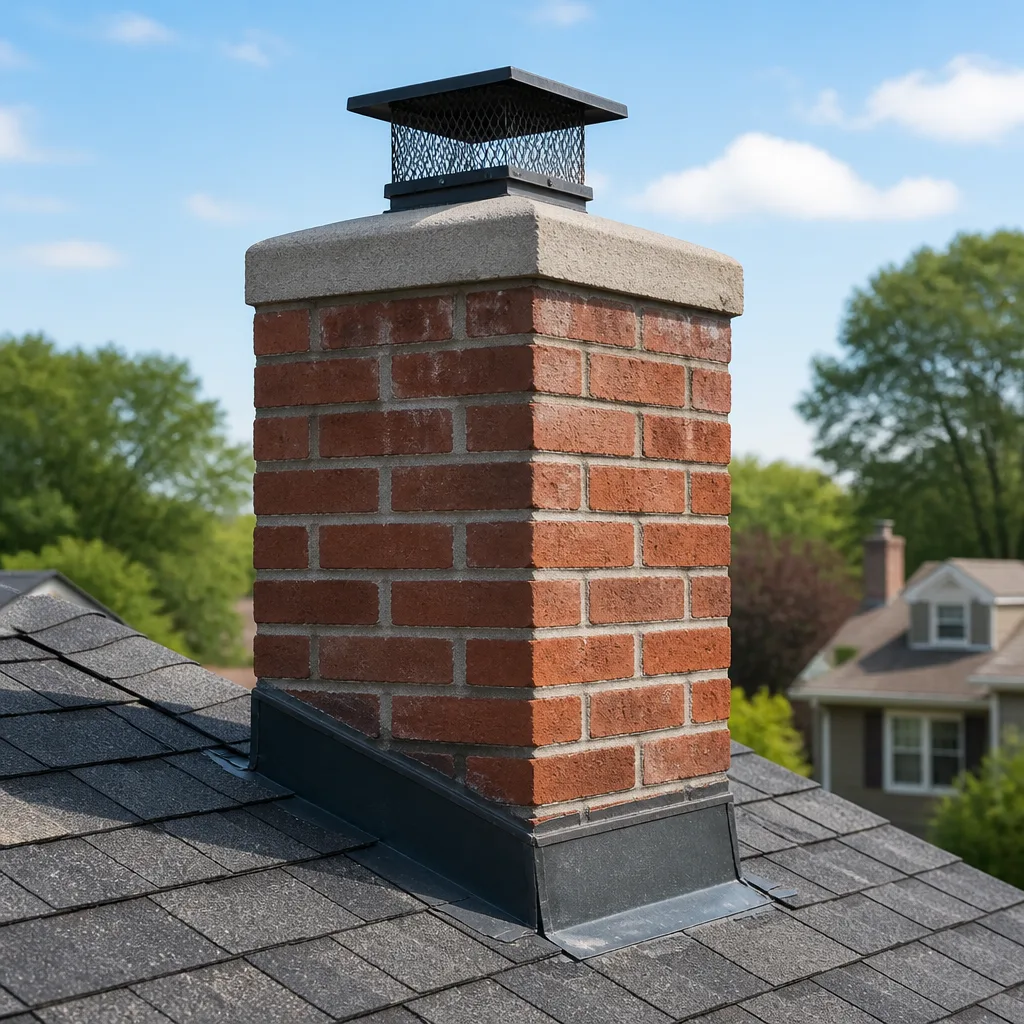 Sweep & inspection
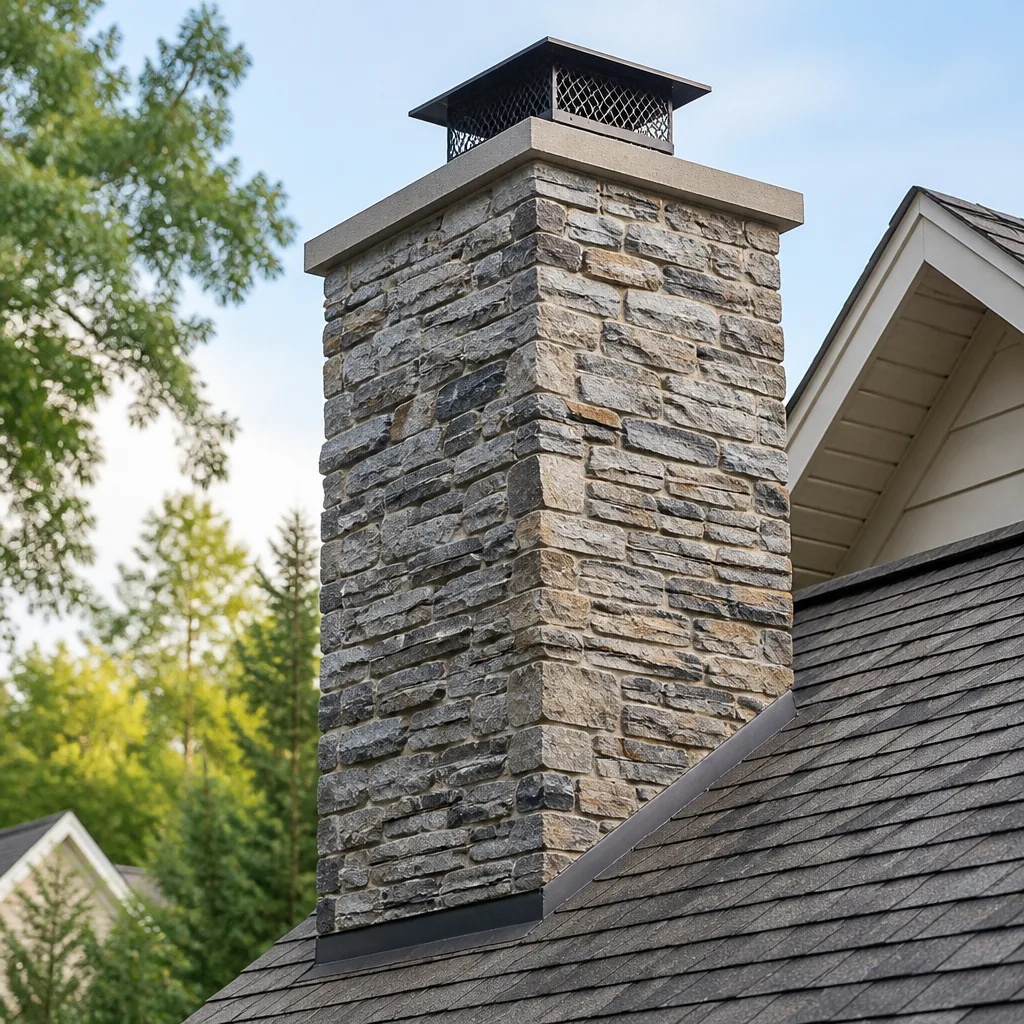 Caps & crowns
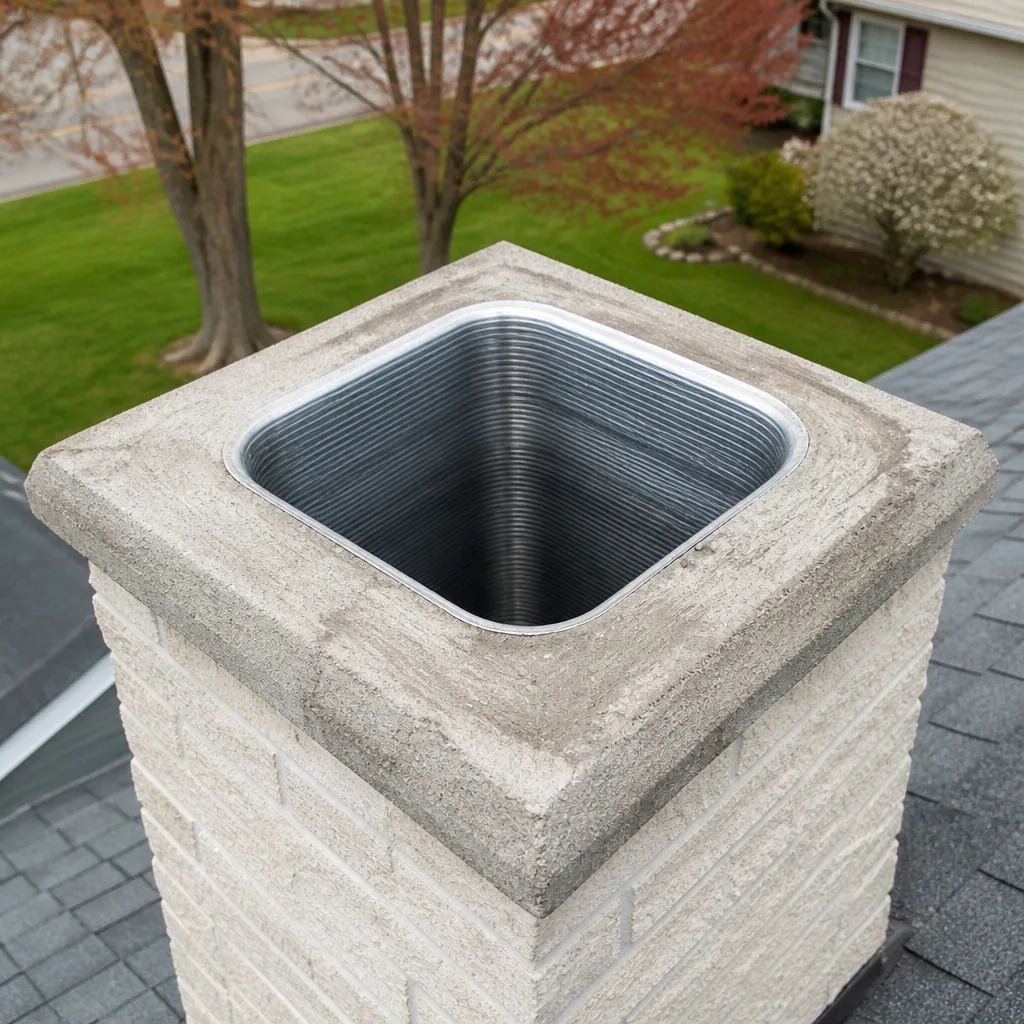 Flue relining
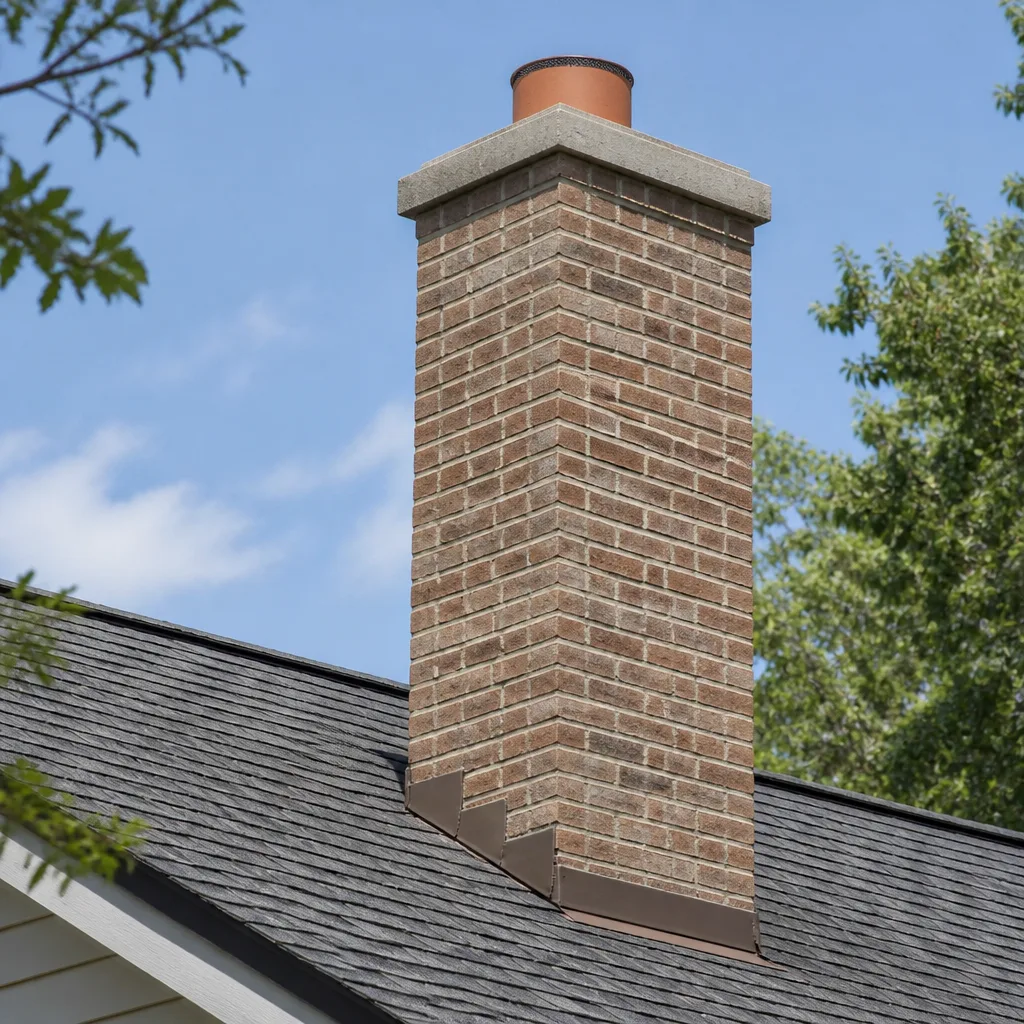 Masonry repair
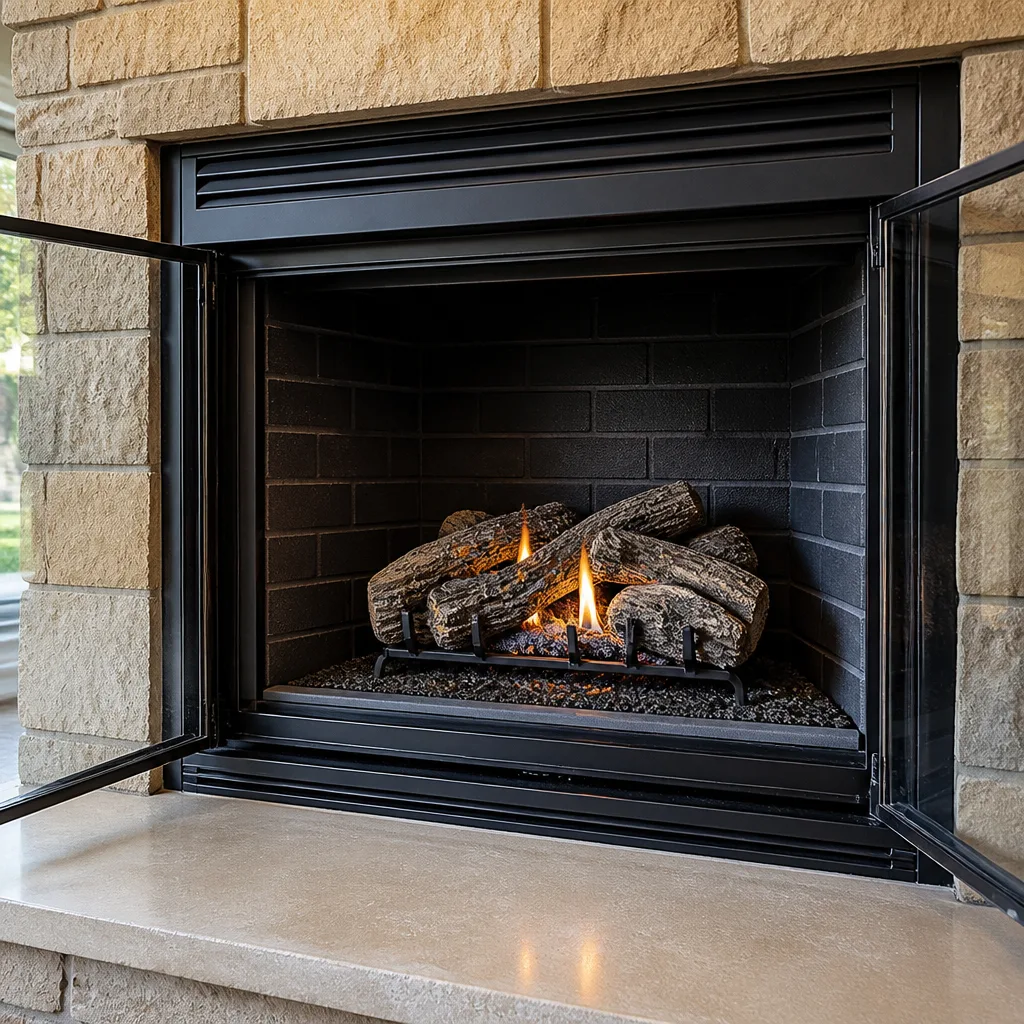 Gas fireplace service
Level 1 sweep and inspection to the NFPA 211 annual standard - flue, crown, cap, and flashing checked and photographed
Chimney sweep logs do not sweep chimneys. They loosen some creosote - which then falls where a brush and vacuum still have to collect it.
Chimney Sweep Maintenance Schedule: What to Do and When
The most common chimney advice you’ll hear is “sweep it once a year.” That standard was written for places where a fireplace runs from October through April. Buckeye isn’t one of those places. Most households here light a fire on cool desert evenings for a stretch of weeks, not months, and many burn only a handful of times all season. A fixed annual calendar doesn’t fit that reality, and it can push you to book service you don’t need or skip a check you do. This guide builds your schedule around how you actually use your fireplace: your wood, your burn frequency, your fire temperature. You’ll learn the best month to book in Buckeye, what to check yourself between visits, and how to keep records that pay off at resale.
Quick Answer
For most Buckeye homeowners, the right maintenance schedule is one professional sweep and inspection in early fall, before the brief burn season starts, then a self-check of the firebox, damper, and crown before each season. Heavy users who burn several nights a week should add a mid-season check, while occasional users can go longer between professional visits as long as an annual inspection still happens. Gas fireplaces need inspection on their own schedule, not the wood-burning one.
Styles & brands we work with
- Sweep & inspection
- Caps & crowns
- Flue relining
- Masonry repair
- Gas fireplace service
Table of Contents
- Why a Generic Annual Calendar Falls Short in Buckeye
- How to Calculate Your Actual Creosote Risk
- The Best Month to Schedule Chimney Service in Buckeye
- What to Inspect Yourself Between Professional Visits
- Gas Fireplace Maintenance Timing
- How to Build a Maintenance Log That Works for You
- Building Your Schedule by Usage Level
- Common Mistakes to Avoid
Why a Generic Annual Calendar Falls Short in Buckeye
The National Fire Protection Association’s “at least once a year” guidance is solid and worth knowing. It’s also a floor, not a ceiling, and it assumes a burn pattern that doesn’t match most homes in Buckeye. When a fireplace runs for months in a cold climate, creosote builds steadily and a yearly sweep is the simplest way to keep it in check. Here, the burn season is short, and the amount of creosote you accumulate depends far more on what you burn and how hot you burn it than on how many weeks are on the calendar.
That mismatch creates two problems. Homeowners who burn infrequently sometimes skip inspections entirely because they assume “I hardly used it, so it’s fine.” Meanwhile, homeowners who burn hot fires several nights a week assume a once-a-year sweep covers them, when their actual deposits may warrant a closer look. The calendar can’t tell the difference. Your usage can.
There’s a second local reason to think past the calendar. The desert swing between warm days and cool nights means your chimney sees cycles of heating and cooling even when it isn’t in use. Those cycles work on the crown, the mortar, and the cap, which is why a chimney can develop water or animal intrusion problems in the off-season. A maintenance schedule built around Buckeye conditions has to account for the whole chimney, not only the flue.
- Short burn season means calendar frequency matters less than usage.
- What you burn drives creosote more than how long the season runs.
- Off-season conditions affect the crown, cap, and masonry even when the fireplace sits idle.
How to Calculate Your Actual Creosote Risk
Creosote is the tar-like residue left behind when wood smoke cools inside the flue. The more completely wood burns, the less creosote forms. Three things decide how fast it accumulates in your chimney: the type of wood, how often you burn, and how hot your fires get. You can estimate your own risk with a simple point system that’s more useful than a calendar reminder.
Wood type. Seasoned hardwood burns hottest and cleanest. Green or unseasoned wood, or softwoods burned before they’re dry, produce more smoke and more deposits. If your wood was cut and stacked late, it’s probably still holding moisture when you load it.
Burn frequency. A household that lights three fires a night through the cool season builds up far more than one that lights a handful of fires all year. Count the fires, not the weeks.
Fire temperature. Small, cool, smoldering fires make the most creosote. Hot, well-oxygenated fires burn it off and send less up the flue. A damper left partly closed or a firebox packed tight with damp wood both lower burn temperature and raise your risk.
Put those three together and you get a rough score:
- Low risk: seasoned hardwood, fewer than 15 fires a season, hot fires with the damper fully open once the fire is established.
- Moderate risk: mixed wood of unknown seasoning, 15 to 40 fires a season, occasional smoldering overnight burns.
- High risk: unseasoned or softwood, more than 40 fires a season, frequent smoldering or damped-down burns.
A low-risk score still needs an annual inspection and sweep. A high-risk score means you should watch the flue more closely and consider an extra inspection mid-season. When our technicians inspect, we use a camera so you can see the actual deposits for yourself, and that’s the point of a chimney sweep done right. Nothing is recommended without camera evidence you can see.
The Best Month to Schedule Chimney Service in Buckeye
Schedule chimney service in early fall, before the brief burn season starts. That’s the single most useful timing decision you’ll make. It puts a clean, inspected flue in front of your first fire of the season, and it gives you time to handle any repair before you need the fireplace. Most Arizona homeowners book in spring instead, reasoning that a cold-weather chore should wait for warm weather. That’s backwards for this climate, and here’s why.
Booking in spring means the inspection happens months before your next season, and any problem found then sits unresolved all summer. Early fall means the report reflects the chimney as it will be used. You also avoid the seasonal rush that builds once the first cool nights arrive and everyone thinks of the fireplace at the same time.
What does early fall look like on the calendar? As the daytime heat eases, that’s your window. Book before you plan to light the first fire, not after.
- Early fall: the ideal booking window, before first use.
- Spring: a common but less useful choice, since findings may sit idle for months.
- Mid-season: worth adding for heavy users or high-risk wood.
If you’ve missed the early fall window, don’t skip the year. Book the earliest opening before you light up. The service is worth doing whenever you get to it; early fall just gives you the most useful timing. When you’re ready, we Chimney Sweep Buckeye schedule around your plan and give you a written estimate before any work begins.
What to Inspect Yourself Between Professional Visits
Between professional visits, a short self-check keeps small issues from becoming expensive ones, and it requires no tools. Look, don’t touch the moving or load-bearing parts. Run through these checkpoints before each season and note anything that looks different from last time.
The firebox. Look at the back wall and the firebrick joints. Cracked or missing mortar, or bricks that look loose or spalled, are worth reporting. A hairline crack in the firebrick may be normal wear; gaps where you can see through are not. Note where they are so you can tell your technician.
The damper. Open and close it and confirm it moves freely and seats flat. A damper that sticks, won’t fully close, or won’t fully open affects how your fires burn and how your chimney vents. If smoke rolls into the room instead of up the flue, stop and note it.
The crown. That’s the sloped top of the chimney around the flue. From the ground, look for visible cracks, missing chunks, or water staining on the masonry below. A damaged crown lets water in, and in the desert that water does its damage slowly but steadily. You may not be able to see it clearly from the ground, which is one reason the annual inspection matters.
The cap. A cap keeps water, birds, and debris out of the flue. Look for one that’s missing, loose, or rusted through. A well-fitted cap from a brand like Gelco or Famco is one of the simplest protections you can add, and it’s part of the protection-first work we do.
- Firebox: check brick joints and the back wall for gaps or loose brick.
- Damper: confirm it opens and closes fully and seats flat.
- Crown: look for cracks, missing material, and water staining.
- Cap: confirm it’s present, secure, and intact.
Write down what you see. A short note each season gives your technician useful history and helps you track change over time.
Gas Fireplace Maintenance Timing
A gas fireplace needs its own maintenance schedule, separate from the wood-burning one. This is the piece most homeowners skip, because a gas fireplace looks clean and produces no visible soot. But gas logs, burners, and vents still require inspection, and gas appliances carry real safety considerations. A gas fireplace that hasn’t been checked in years is worth looking at even if it “works fine.”
Gas fireplaces accumulate dust, debris, and sometimes insect activity in the vent and around the burner. The flame pattern can change, and the venting can be obstructed. These are things a homeowner can’t confirm by looking at a flickering fire. The safe approach is a professional inspection that confirms the venting, the burner, and the surrounding area are clear and functioning correctly.
For timing in Buckeye, treat a gas fireplace like any other fuel-burning appliance that runs in the cool season: inspect it before the season, and keep a note of when it was last serviced. If you notice a change in flame color, a smell, or a burner that won’t stay lit, stop using it and call. We’re a chimney specialist, and gas fireplace inspection falls within the firebox and venting work we handle. If anything needs repair, we’ll show you why.
Because gas fireplace work touches fuel and venting, this is not a job to diagnose yourself. We recommend a trained professional for anything beyond confirming the fireplace is clean and clear. That’s a safety line worth respecting.
How to Build a Maintenance Log That Works for You
A simple maintenance log makes every future technician visit faster and turns your inspection records into something useful when you sell. You don’t need anything fancy: a notebook, a spreadsheet, or a folder of photos all work. The key is to record the right details and keep them together.
Record these five things every time you have service:
- The date of the visit and what was done (sweep, inspection, repair).
- What the technician found, in plain language, including the camera findings.
- Any repair or part installed, and the brand of the material used, such as HeatShield for liner resurfacing or Olympia Chimney components.
- Photos of the firebox, flue, crown, and cap before and after.
- Who performed the work and when the next recommended visit should be.
Why does this matter at resale? Buyers and their inspectors ask for chimney service records, and a documented history shows the chimney has been maintained rather than neglected. A folder of dated inspections with photos answers questions a buyer would otherwise raise. It’s also useful for you: if a technician notes a developing crown crack one year and it’s worse the next, the log shows the trend.
Your own between-visit self-checks belong in the log too. A dated note saying “damper stiff, firebox clean, crown looks fine from ground” is a small habit with real value. When you book a chimney repair, those notes help us understand what changed and when.
Building Your Schedule by Usage Level
Here’s where the generic calendar gives way to a schedule that fits how you actually live. Use these three profiles to find the closest match, then adjust for your wood and burn style.
The heavy user. You burn several nights a week through the cool season, and maybe on cooler mornings too. Book an early fall sweep and inspection, and add a mid-season inspection if you burn unseasoned wood or run long smoldering fires. Keep an eye on the self-check items before each season break.
The regular user. You light a fire most cool evenings but not every night, and you use seasoned wood. One early fall sweep and inspection covers you, with a self-check before the season and a mid-season look at the firebox and damper.
The occasional user. A fire on special occasions, a few times a year, or one fire at a holiday gathering. You still need an annual inspection, because a chimney can develop problems whether or not it’s been used. But your sweep frequency can often stretch out, and the inspection is the anchor of your schedule. Have the flue checked before the season and confirm the cap and crown are sound.
If you’re not sure which profile fits, an inspection will tell you. That’s the honest answer, and it’s why we lead with inspection rather than a fixed frequency.
- Heavy user: early fall sweep and inspection, plus a mid-season check.
- Regular user: early fall sweep and inspection, with self-checks around it.
- Occasional user: annual inspection anchor, sweep frequency as findings dictate.
We’ve seen all three profiles in Buckeye, often on the same street, and the right schedule really does differ from home to home. Our technicians have up to 15 years of experience matching service to how a household actually burns.
Common Mistakes to Avoid
- Booking only in spring. It feels like good timing, but it leaves findings unresolved for months. Early fall is the better window in this climate.
- Skipping the year because “I barely used it.” Infrequent use is a reason to inspect, not a reason to skip. Idle chimneys still develop crown and cap problems.
- Ignoring the gas fireplace. A clean-looking gas fireplace still needs inspection, and it’s the appliance most often skipped.
- Burning unseasoned wood to save effort. Damp wood burns cool and loads the flue with creosote. Seasoned hardwood burns cleaner and hotter.
- Treating the cap as optional. A missing or loose cap lets in water and wildlife. It’s an inexpensive protection worth having.
- Keeping no records. Without a log, each visit starts from zero and you have nothing to show at resale.
- Hiring whoever’s cheapest. A sweep that only cleans tells you half the story. You want a specialist who can also inspect and repair with materials the industry trusts.
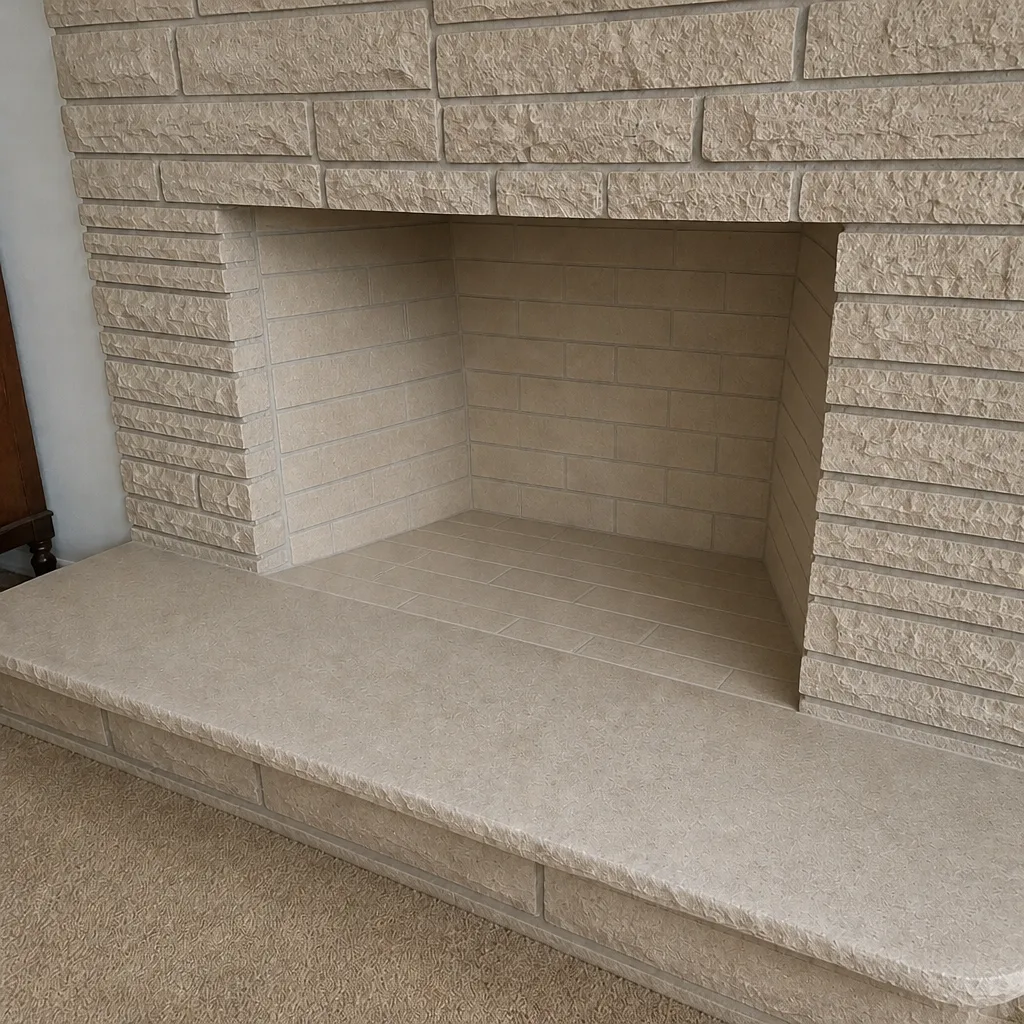
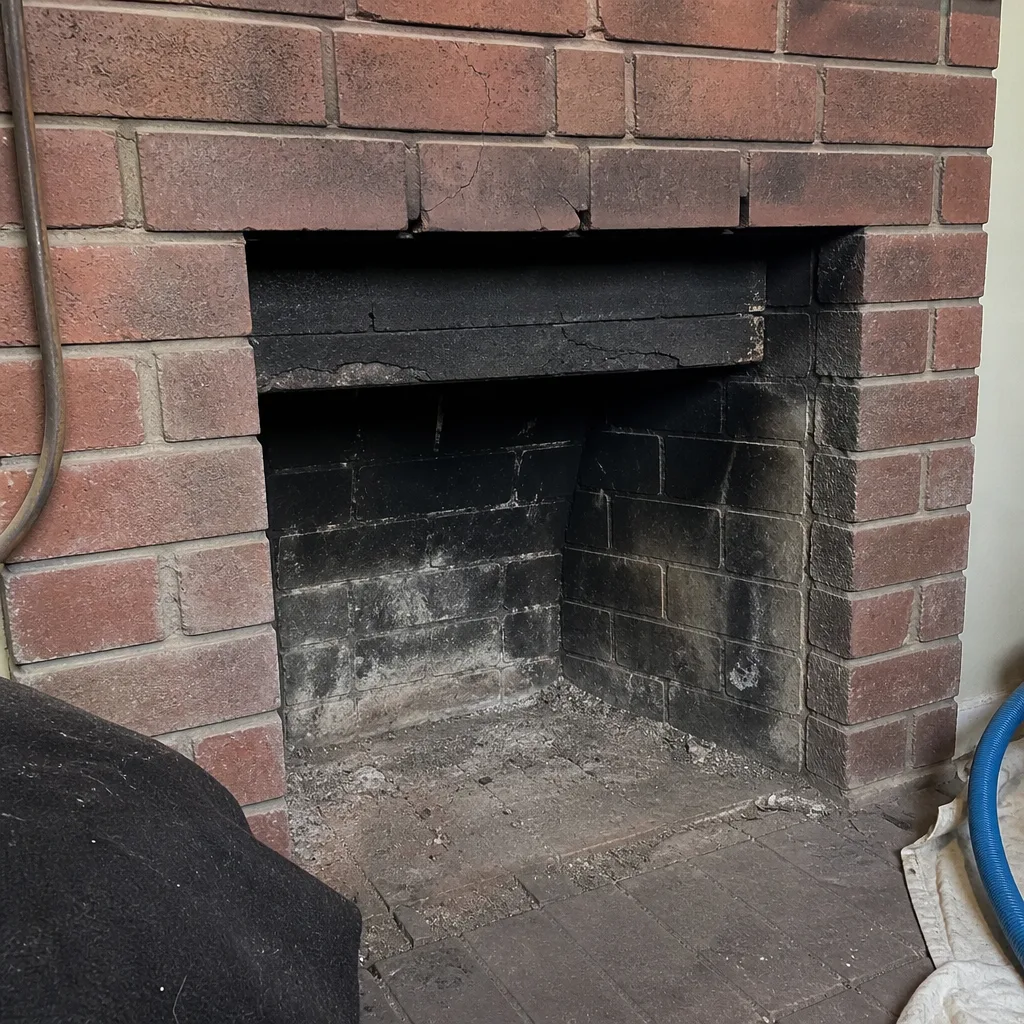
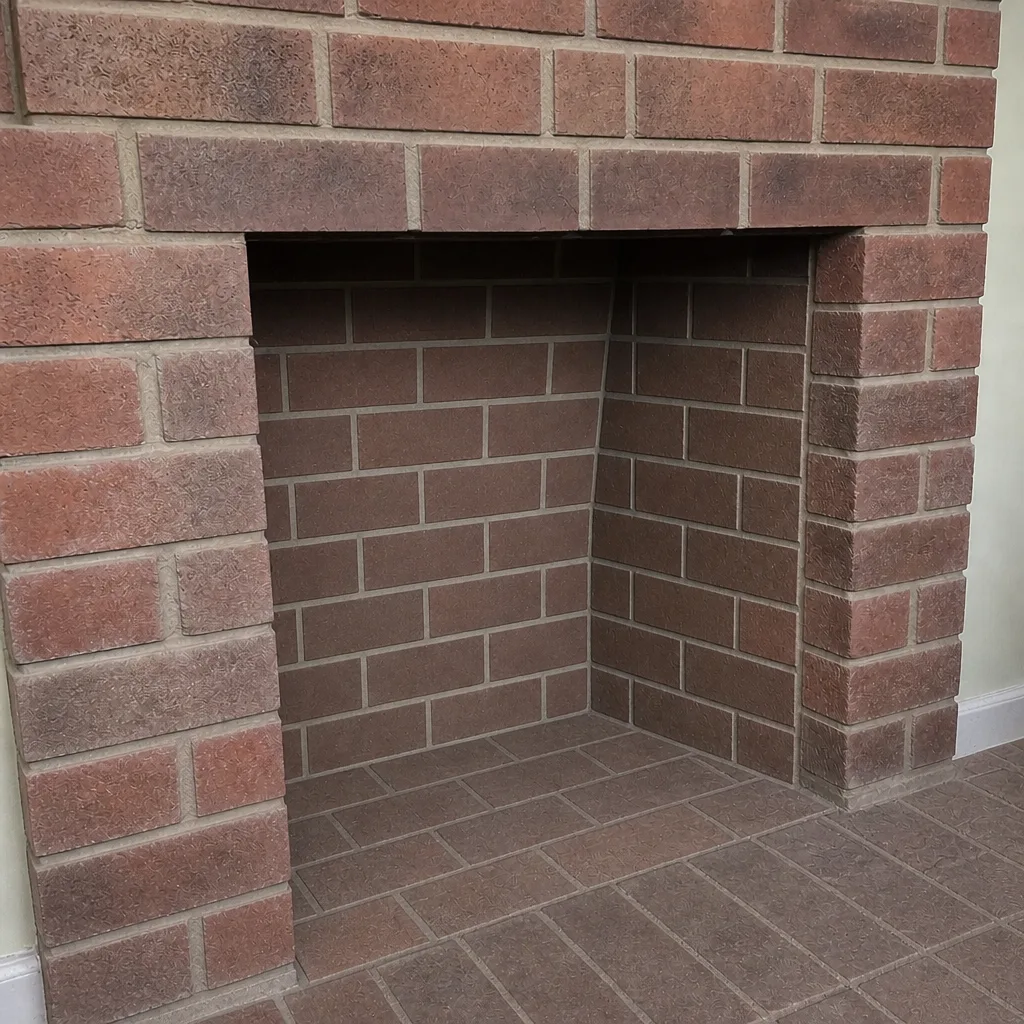
See the difference
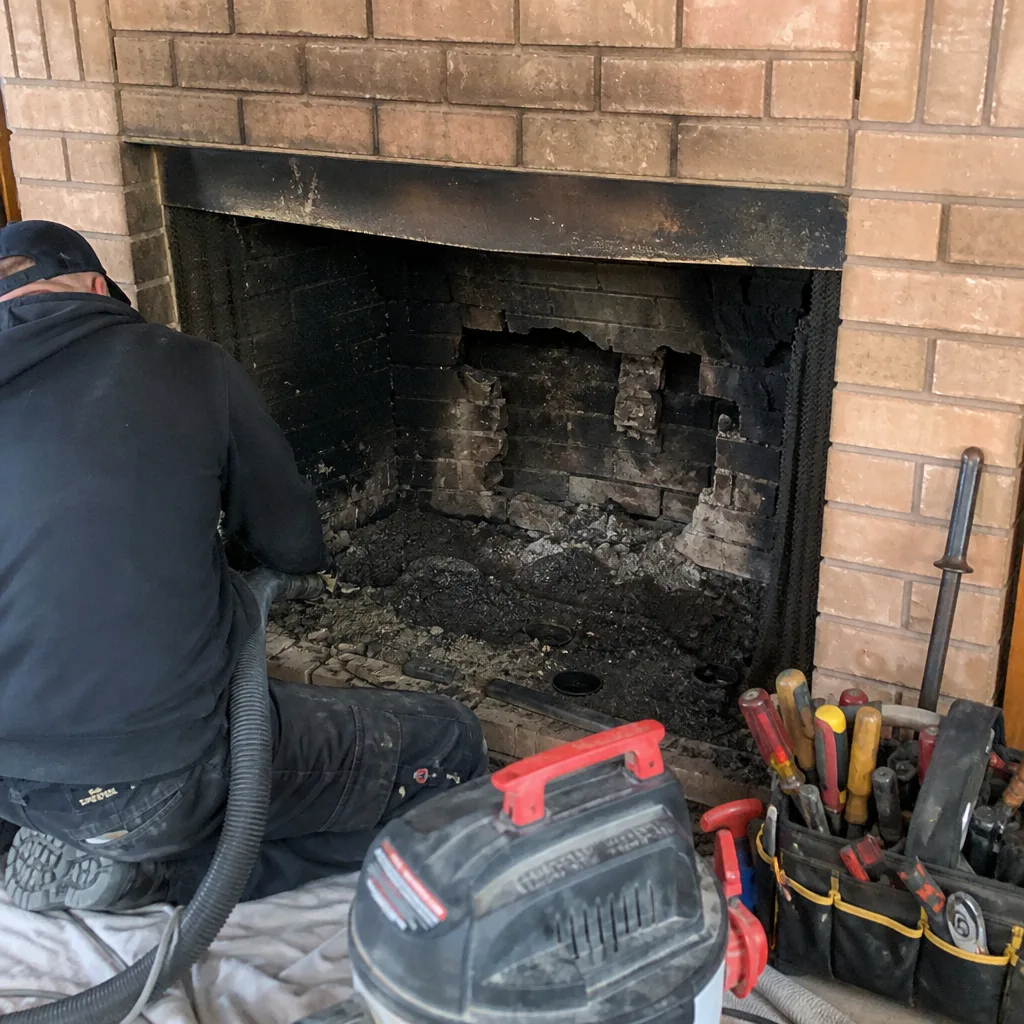 Before
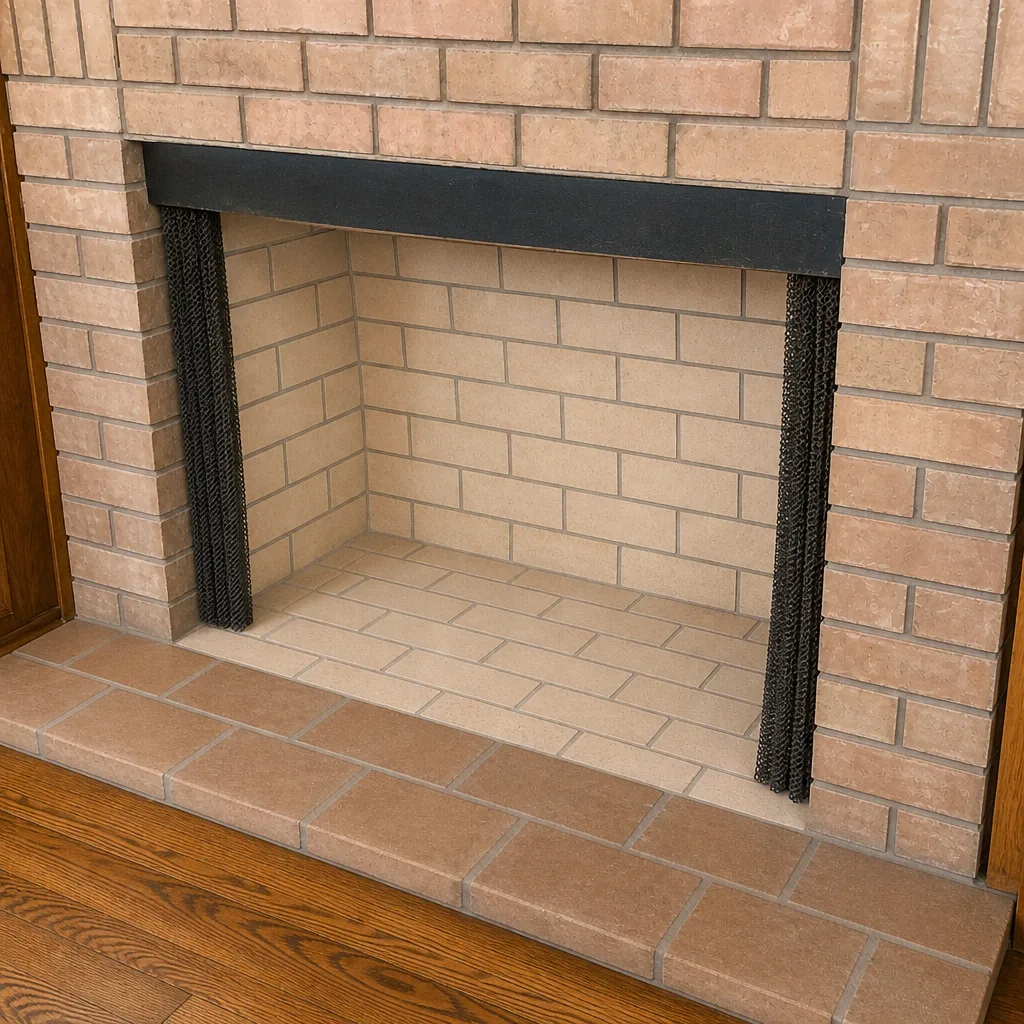 After
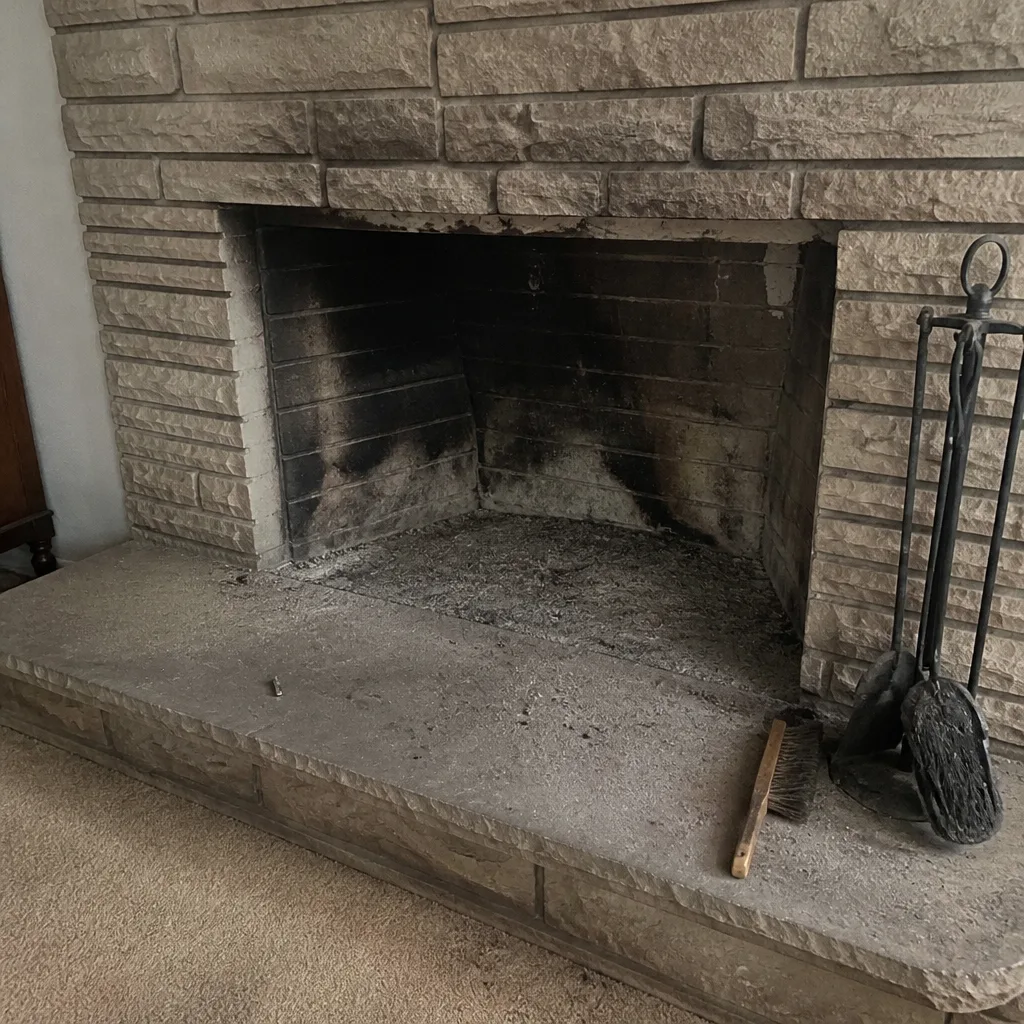 Before
 After
 Before
 After
When to Call a Professional
Some things you can check yourself; others need a trained eye and the right tools. Call a professional if you notice smoke backing into the room, a strong creosote or soot smell that lingers, visible cracks in the firebox brick that you can see through, a damper that won’t move freely, water staining on the masonry, or a chimney cap that’s loose or missing. Call right away if you smell gas near a gas fireplace, or if the burner behaves differently than usual. And call for the routine stuff too: your early fall sweep and inspection, a mid-season check if you burn heavily, and any annual gas fireplace inspection you’ve been putting off.
Anything involving the flue interior, high heat, or gas is work for a trained professional. Chimney Sweep Buckeye offers free estimates in Buckeye. Call (866) 378-9837. We answer 24/7. Fast dispatch from 7am to 7pm, Sunday through Friday.
Frequently Asked Questions
Most Buckeye homeowners need a sweep and inspection once a year in early fall, with frequency adjusted by how often and how hot you burn. Heavy users who burn several nights a week may want a mid-season check, while occasional users can often go longer between sweeps as long as the annual inspection still happens. The inspection, not the calendar, should set your frequency. Call (866) 378-9837 for an exact quote; estimates are free.
Yes, early fall is the better window here because it puts a clean, inspected flue in place before your burn season and gives you time to solve any repair before you need the fireplace. Spring bookings leave findings sitting unresolved for months. Book before you plan to light the first fire of the season. Call (866) 378-9837 for an exact quote; estimates are free.
You still need an annual inspection even if you rarely burn, because a chimney can develop crown, cap, and masonry problems whether or not it’s been used. Your sweep frequency can often stretch out, but the inspection is the anchor. Skipping years entirely is the mistake to avoid. Call (866) 378-9837 for an exact quote; estimates are free.
You can estimate your risk from your wood type, burn frequency, and fire temperature, but the only way to know for sure is a professional inspection with a camera. We show you what we find so you can see the deposits for yourself, and nothing is recommended without that evidence. Call (866) 378-9837 for an exact quote; estimates are free.
No, a gas fireplace needs its own schedule, separate from the wood-burning one, and it’s the appliance most homeowners skip. Gas logs, burners, and venting still require inspection, and anything involving gas is work for a trained professional. Have it inspected before the season and keep a note of the last service date. Call (866) 378-9837 for an exact quote; estimates are free.
Keep the date, what was done, what was found, any repair and the brand of material used, photos before and after, and the next recommended visit. A dated record with photos answers a buyer’s questions and shows the chimney has been maintained. Add your own between-visit self-checks too. Call (866) 378-9837 for an exact quote; estimates are free.
The Bottom Line
The right chimney maintenance schedule in Buckeye is built around how you actually burn, not a generic calendar. Early fall is your best booking window, ahead of the short season. Match your sweep frequency to your usage profile, and let the annual inspection be the anchor. Watch the firebox, damper, crown, and cap yourself between visits, and don’t overlook the gas fireplace. Keep a simple log so every visit is faster and your records serve you at resale. When you need a specialist who sweeps, inspects, and repairs with industry-trusted materials, call Chimney Sweep Buckeye at (866) 378-9837. We answer 24/7. Fast dispatch from 7am to 7pm, Sunday through Friday.
Call (866) 378-9837 for a free estimate. We sweep, inspect, and repair, start to finish, with one team, using professional-grade materials from brands chimney specialists actually use. A clean chimney is a safe chimney, and we’ll show you exactly what we find.
Written by the team at Chimney Sweep Buckeye.