
Last updated November 15, 2026
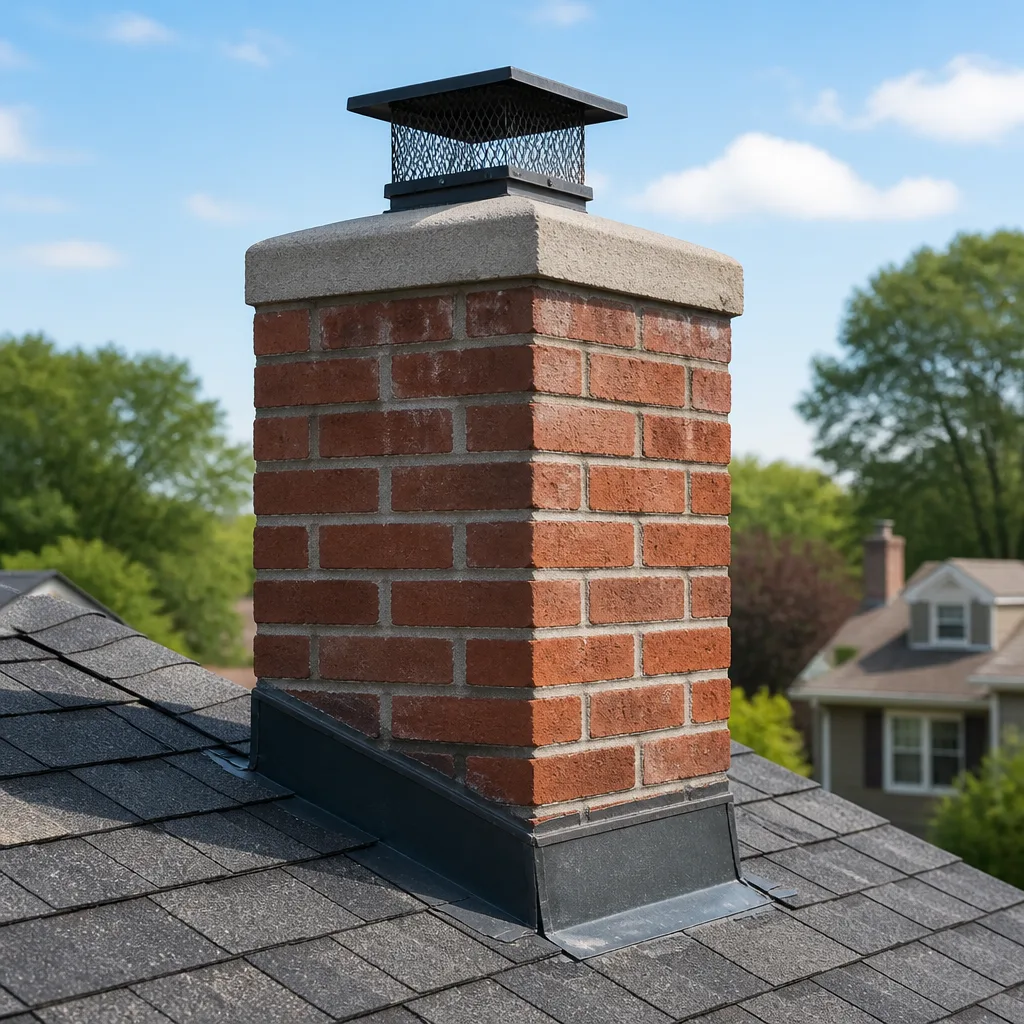 Sweep & inspection
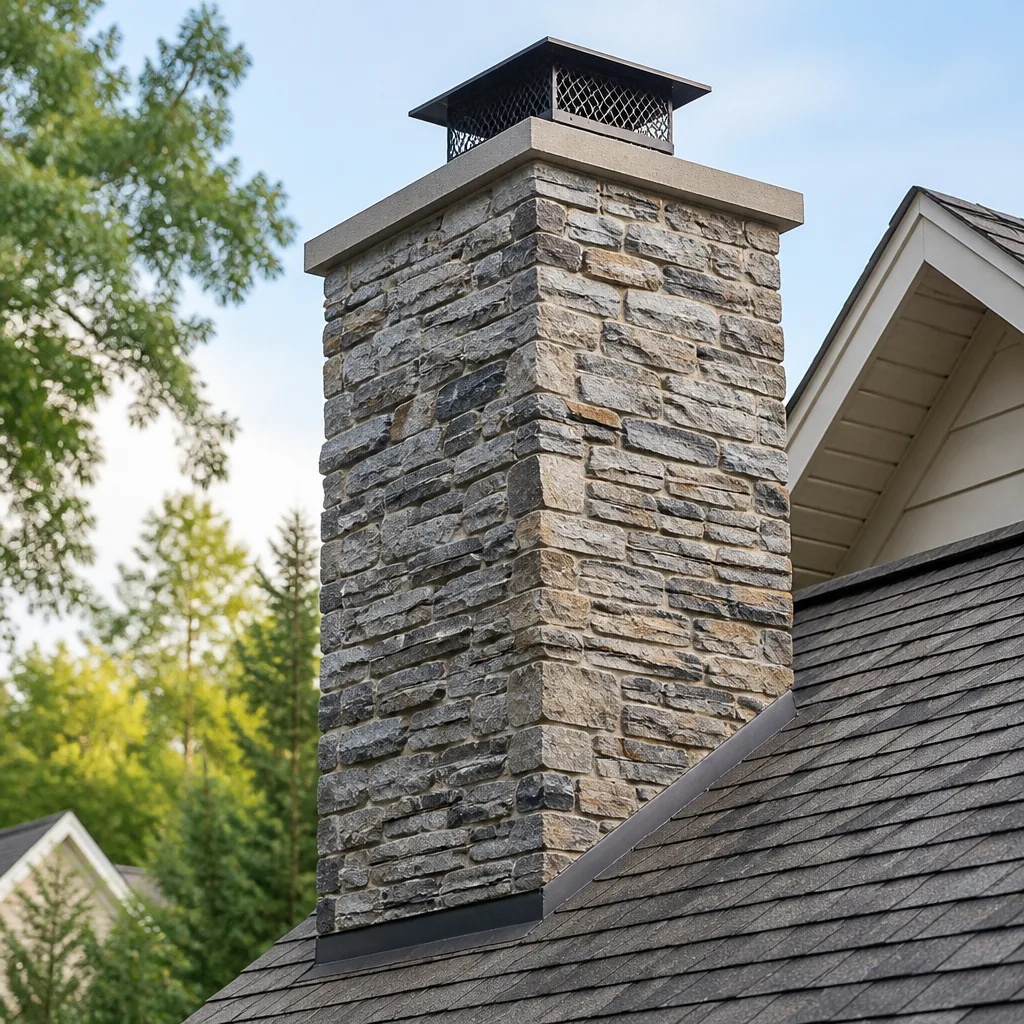 Caps & crowns
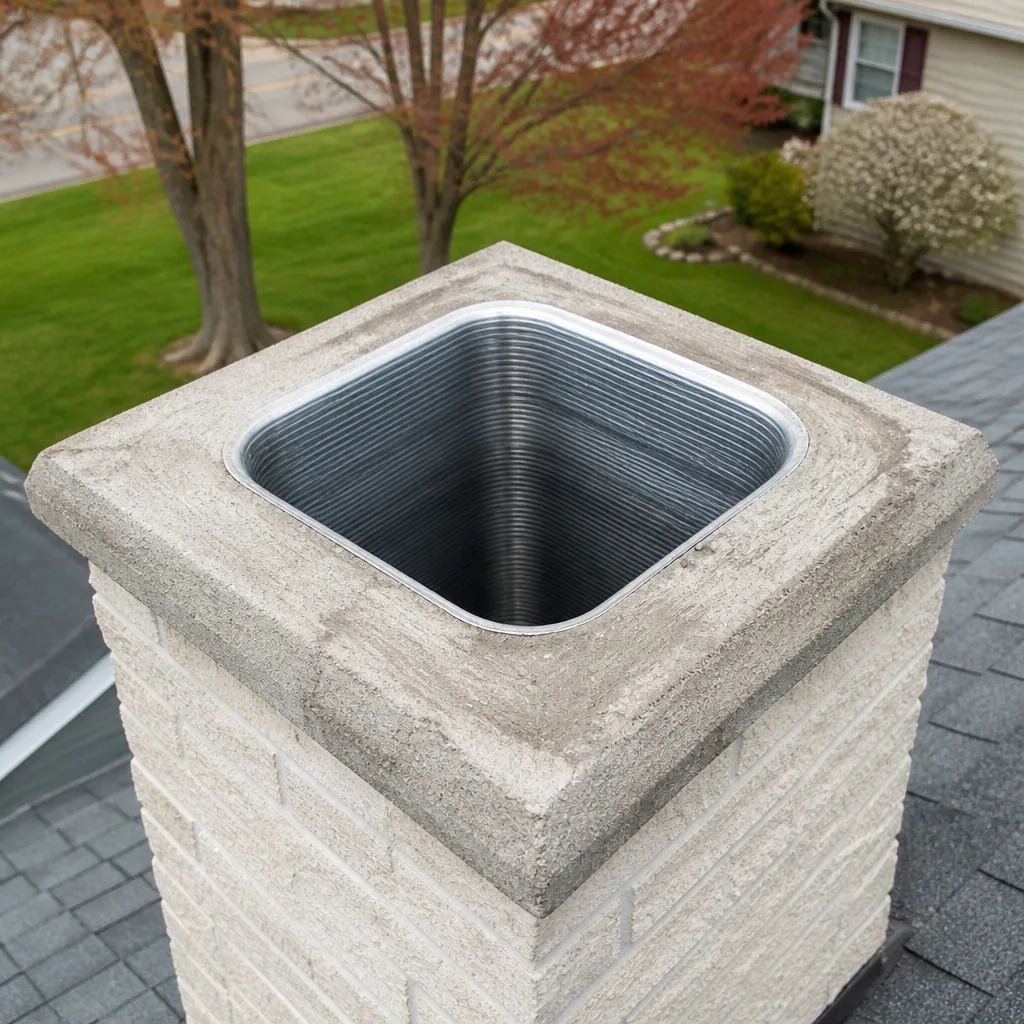 Flue relining
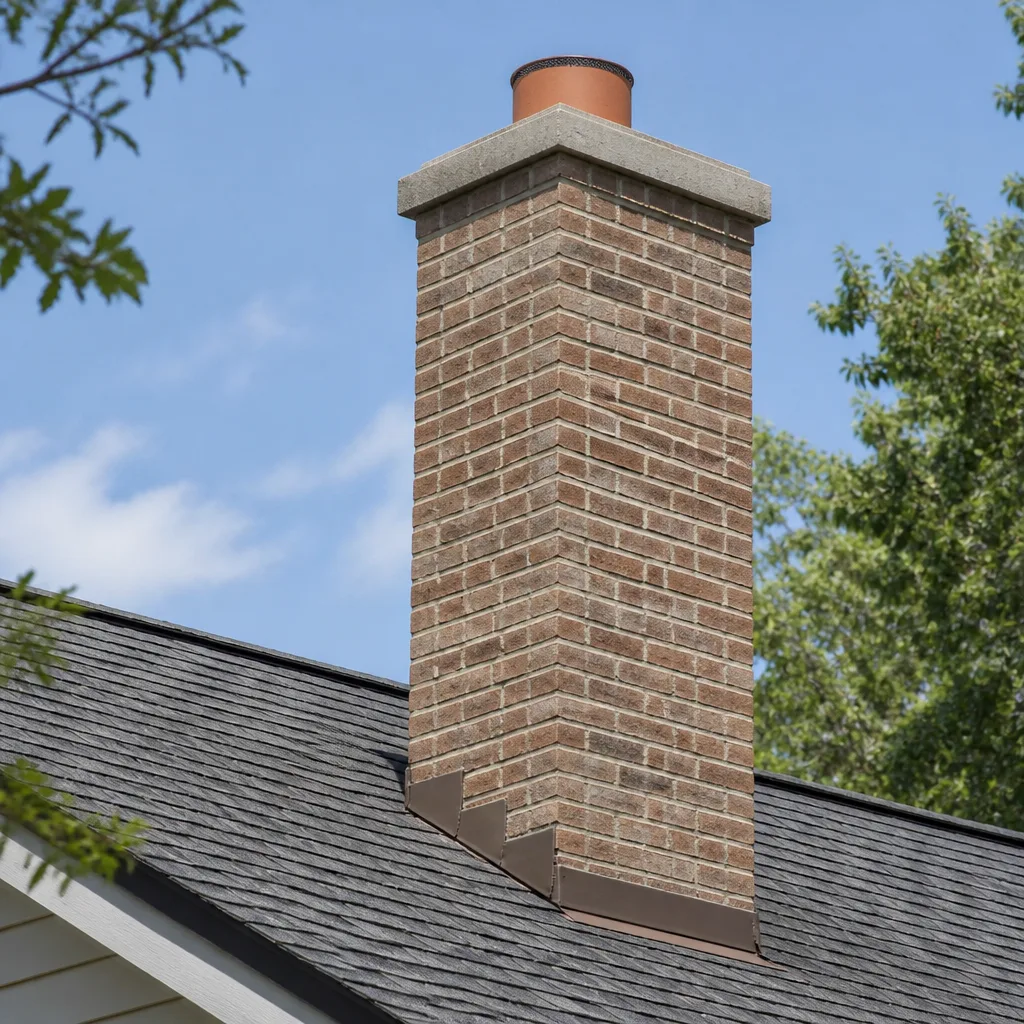 Masonry repair
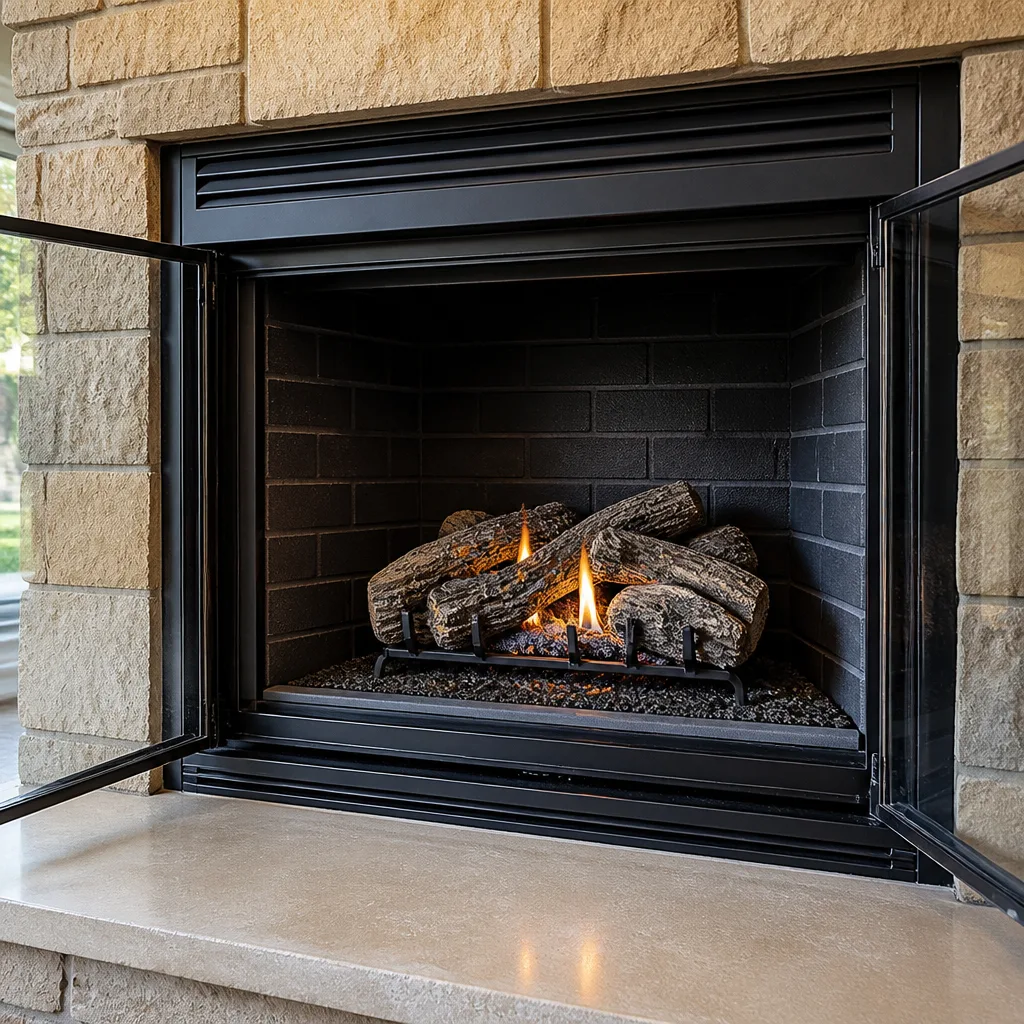 Gas fireplace service
Level 1 sweep and inspection to the NFPA 211 annual standard - flue, crown, cap, and flashing checked and photographed
Chimney sweep logs do not sweep chimneys. They loosen some creosote - which then falls where a brush and vacuum still have to collect it.
Chimney Cleaning Warning Signs: A Buckeye Homeowner’s Reference Guide
The chimney fire you don’t hear is more dangerous than the one you do. Most warning signs don’t announce themselves. They sit there quietly, changing a little at a time, until a homeowner finally knows what they’re looking at. A faint smell that comes and goes. A draft that feels a touch weaker this year than last. A thin white bloom on the firebrick that looks like nothing at all. We’ve walked into plenty of Buckeye homes where a small, dismissed signal had been building for seasons. This guide is about those quiet signals: the subtle, easy-to-explain-away clues that separate a routine cleaning from a costly repair. We’ll cover what to smell, what to look at, and one rule that matters more than the rest.
Quick Answer
The most important chimney cleaning warning signs are a musty, sulfur, or sharp acrid smell; white haze or staining on firebrick and mortar; a cracked cap or crown visible from the ground; and changes in how your fireplace drafts, burns, or operates its damper. If any clear red-flag sign is present, stop using the fireplace until a professional inspects it. Most of these signals are easy to check without a ladder and worth knowing before the next heating season in Buckeye.
Styles & brands we work with
- Sweep & inspection
- Caps & crowns
- Flue relining
- Masonry repair
- Gas fireplace service
Table of Contents
- Why the Subtle Signs Matter More Than the Obvious Ones
- What Your Chimney’s Smell Is Telling You
- Reading the Firebox: White Haze, Staining, and What They Mean
- Exterior Signs You Can Check Without a Ladder
- Behavioral Signs: Drafts, Smoke, and the Damper
- The One-Use Rule and Why It Matters for Insurance
- How Buckeye’s Monsoon Season Leaves Its Mark
- A Seasonal Checklist for Buckeye Homeowners
Why the Subtle Signs Matter More Than the Obvious Ones
Most warning sign lists tell you to watch for billowing smoke or visible flames. Those are real, but by the time you see them, the problem has usually been building for months. The signals that actually protect a home are the quiet ones: the smell you notice only when the room is still, the hairline crack in the crown you’d have to look for on purpose, the damper that opens a little harder than it did last fall. In our experience, homeowners who learn to read those small changes catch problems while they’re still cheap to fix.
The reason these signals get dismissed is simple. A chimney is out of sight most of the year. In Buckeye, where heating season is short and the fireplace sits idle for months, it’s easy to forget the system exists until the first cool evening. The slow changes happen in that idle stretch, too. A cap loosens. Mortar takes on water. Creosote hardens. None of it makes a sound.
Consider what a chimney actually does. It’s a vertical vessel that moves hot gas, sheds water, and holds back weather, all at once. Each of those jobs can fail quietly and independently. When one does, the symptoms show up in places you wouldn’t connect to the chimney: a smell in the living room, a stain on the firebox wall, a draft that feels off. Learning to connect those dots is the whole point of this guide.
What follows breaks the subtle signs into four groups: smell, firebox appearance, exterior condition, and behavior. Each section is a standalone answer, so you can jump to the one that matches what you’re noticing. Read all four if you have time. The connections between them matter.
What Your Chimney’s Smell Is Telling You
Chimney smells fall into distinct profiles, and each profile usually points to a different underlying problem. A musty, damp smell typically means moisture is getting into the flue or firebox. A sulfur or rotten-egg smell usually points to animal intrusion or a gas concern. A sharp, acrid smell suggests active creosote or the early stages of pyrolysis in nearby wood. If you can learn to match the smell to the profile, you’ll know how urgently to act.
Here’s how to read each one.
- Musty or damp: This is the smell of moisture that has nowhere to go. It often shows up after rain and fades when the weather dries out. A deteriorated cap, a cracked crown, or failed flashing lets water in, and the masonry or flue liner holds it. Musty odors are common in chimneys that go unused through Buckeye’s hot months, when a little trapped moisture has weeks to sit.
- Sulfur or rotten-egg: Animals nesting in the flue or smoke chamber leave droppings and debris that produce this smell. It can also indicate a gas appliance issue nearby, so treat it seriously. A cap with proper screening is the usual long-term fix, and it’s one of the simpler protections to add.
- Sharp and acrid: This is the smell of creosote, especially the glazed, hardened kind that builds up when wood burns cool and slow. It can also signal pyrolysis, where nearby combustible material is being heated to the point of danger. Acrid odors deserve a prompt inspection, not a wait-and-see.
If you smell something and can’t place it, note when it appears: after rain, on a still day, only when the heat runs. That timing is useful information for whoever inspects the chimney. Our chimney sweep visits are built around exactly this kind of symptom tracking, and a camera inspection confirms what the nose only suspects.
Reading the Firebox: White Haze, Staining, and What They Mean
A white, powdery haze on firebrick or mortar is not normal residue, and it’s one of the most misread signs in a chimney. That haze is efflorescence, a mineral deposit left behind when water moves through masonry and evaporates. It’s a visible marker of water penetration, and it usually means moisture is entering somewhere above or around the firebox. Left alone, that same moisture drives spalling, where brick faces flake and crumble, and it weakens mortar joints from the inside out.
Homeowners often mistake efflorescence for soot, ash, or a harmless stain from the last fire. The difference is texture and location. Soot wipes off dark and smudgy. Efflorescence is pale, chalky, and often blooms in a pattern along joints and brick faces, especially low on the firebox walls where moisture collects. If you can brush a little and it comes off as white powder, that’s a clue worth acting on.
Other firebox signs worth knowing:
- Dark streaking above the damper: can point to a draft problem or a smoke chamber that isn’t shedding smoke the way it should.
- Crumbling mortar between firebricks: a sign of heat and moisture working together over time.
- Rust on the damper frame or metal components: moisture has been present long enough to attack metal.
- A shiny, tar-like coating on the flue walls: glazed creosote, the most stubborn kind, and a reason to stop using the fireplace until it’s addressed.
The chimney repair side of our work starts here most often: the firebox tells the story, then the camera confirms how far up the flue the problem runs. Repairs to spalled brick or cracked mortar use materials chimney professionals rely on, and where the liner itself needs attention, products like HeatShield resurfacing or a DuraFlex flexible liner system can address it from the inside.
Exterior Signs You Can Check Without a Ladder
You can spot most exterior chimney problems from the ground, which makes this the easiest part of the guide to use. The cap, the crown, and the mortar joints are all visible from a safe distance if you stand back and look up. That’s important, because climbing onto a roof to inspect a chimney is genuinely dangerous work, and we never recommend a homeowner do it. Stand on the lawn, use binoculars if you have them, and look for the following.
- The cap. Is it sitting flat and complete, or is a corner lifted, rusted through, or missing screening? A loose or damaged cap is the front door for water and wildlife. Caps from brands like Gelco and Famco are part of the protection-first approach we take, because the cap heads off the intrusion problems that start everything else.
- The crown. That’s the concrete slab at the very top. Look for cracks, a rough or crumbly surface, or a gap where the crown meets the flue. A failing crown lets water run straight into the masonry below it.
- The mortar joints. Compare the color and texture of the joints across the chimney. Soft, sandy, or darkened joints, especially after the rainy season, suggest water has been working its way in.
- Tilt or lean. A chimney that looks off-vertical, or a visible gap between the chimney and the roofline, deserves a professional look.
- Staining on the exterior. White or dark streaks running down the outside of the chimney mirror what efflorescence tells you on the inside.
Once you know what to look for, the ground check takes two minutes. Do it a few times a year, and right after the heavy rain months, which leads to the next point.
How Buckeye’s Monsoon Season Leaves Its Mark
Buckeye’s summer monsoon rains do more chimney damage than most homeowners realize, and the effects are easy to miss because they show up slowly. A chimney sheds water well when its cap, crown, and flashing are sound. When one of those fails, the rain finds the gap. The result isn’t a dramatic leak you’d notice right away; it’s moisture soaking into masonry and evaporating out over weeks, leaving the stains and powdery deposits we covered earlier.
After the monsoon season, walk the exterior of your chimney and look for changes. Mortar joints that looked uniform in spring may show darker patches or a soft, washed-out surface. The crown may have picked up a new hairline crack. The cap screening may be bent or clogged with debris. Any of these are worth writing down and mentioning at your next inspection.
The dry stretch that follows matters too. In Buckeye, long hot, dry weeks pull moisture back out of masonry, and that movement can widen small cracks and loosen mortar further. A cycle of soaking and drying is hard on a chimney, which is why the inspection habit pays off here. Checking after the rains, before the heating season, catches the damage while it’s still surface-level.
This is also the season when debris builds up in the flue and smoke chamber. Nesting material, leaves, and twigs can accumulate over the idle months, and the first fire of the season can push that material into places it shouldn’t go. A cleaning before the first burn clears the way.
Behavioral Signs: Drafts, Smoke, and the Damper
Behavioral warning signs are about how your fireplace acts, not how it looks. A draft that feels weaker than it used to, smoke that puffs back into the room at different moments than before, or a damper that opens and closes with more resistance are all telling you something has changed in the system. These signs are easy to dismiss because they’re gradual, but they’re often the earliest indicator of a real problem.
Watch for these specific shifts:
- A changed draft. If lighting a fire now takes longer to establish a strong pull, or the fire smolders more than it used to, the flue or cap may be partially blocked.
- Smoke that puffs back differently. A little smoke on a cold start is normal. New smoke puffs at other times, or smoke that lingers, point to a draft or flue issue.
- A damper that feels different. More resistance, a grinding feel, or a damper that doesn’t seat the way it used to can mean rust, debris, or warping.
- Burning that feels off. Wood that used to burn clean now leaving more smoke, or a fire that seems to run hotter or cooler than usual, can signal changes in airflow.
- Odors when the fireplace is idle. A cold chimney with no fire should smell neutral. Persistent odor points back to the smell profiles above.
These behavioral clues pair well with the visual checks. If the firebox shows efflorescence and the draft has weakened, the two together make a stronger case for an inspection than either alone. If you’ve noticed behavioral changes and want a professional to look, our team at Chimney Sweep Buckeye can inspect the full system and report what the camera finds.
The One-Use Rule and Why It Matters for Insurance
Here’s a rule worth adopting as a habit: if any of the clear red-flag signs are present, the fireplace stops being used until a professional clears it. Red flags include a strong acrid smell, glazed creosote in the flue, visible firebox damage, smoke puffing back into the room, or a cap that’s come loose. The reason is simple. A chimney fire can start and smolder inside a flue without enough noise or smoke to catch attention until it’s already serious. The one-use rule keeps the fireplace out of service until someone qualified has confirmed it’s safe to light again.
The insurance angle matters too. Many policies expect homeowners to maintain the chimney and to act on known hazards. If a problem was visible and ignored, a claim can get complicated. Documenting an inspection and keeping the written report gives you a clear record that the system was checked and, where needed, repaired. That record protects you if you ever have to file a claim.
The rule is also practical. A single inspection catches the problem before it becomes an issue at all. Skipping the check and continuing to burn is the one choice that turns a routine cleaning into an avoidable repair. When the camera shows a clear liner and intact masonry, you get to light the fire with confidence. When it shows a problem, you get to fix it on your schedule instead of under pressure.
If you take one thing from this guide, take the one-use rule. It’s the simplest decision that protects both the home and the family. Call if you’re unsure; a free estimate and a clear read on the system are enough to settle the question.
A Seasonal Checklist for Buckeye Homeowners
A little seasonal attention keeps a chimney in good shape and makes the warning signs easier to spot when they do appear. Here’s a checklist we share with Buckeye homeowners, ordered to fit the local rhythm of dry months and monsoon rains.
- Before heating season: stand back from the house and check the cap, crown, and mortar joints from the ground. Note any cracks, staining, or loose screening.
- Inside, before the first fire: look at the firebox for white haze, dark streaks above the damper, or crumbling mortar. Check the damper for smooth movement.
- During the season: stay aware of drafts, smoke, and smell. If anything changes, stop using the fireplace and get it inspected.
- After the monsoon months: repeat the ground check. Look for new staining, widened cracks, or soft mortar joints.
- Annually: schedule an inspection and a professional sweep before the burning season begins. A camera inspection with a photo report gives you a clear picture of the flue.
Log what you find. A simple note on the calendar, or a photo taken from the same spot each season, lets you spot change over time. That history is useful when you call for service, and it’s a good record to keep.
Common Mistakes to Avoid
- Treating white haze as leftover soot. Efflorescence is a water signal, not a cleaning problem. Wipe a small patch and see whether it’s chalky white. If it is, get an inspection before the next fire.
- Ignoring a “slight” smell because it comes and goes. Intermittent musty or acrid smells often track with rain or still days, which tells you moisture or draft change is present. Note the pattern and act on it.
- Assuming a clean chimney means a safe chimney. A sweep clears the flue, but it doesn’t check the cap, crown, or firebox condition. Inspection and cleaning are different jobs, and a good specialist does both.
- Climbing onto the roof to check the cap yourself. Height work is genuinely dangerous. Use binoculars from the ground and let a pro do the climbing.
- Waiting for an obvious problem before booking service. The subtle signs are the ones worth acting on. Booking a cleaning and inspection before the burn season catches problems while they’re still small.
- Letting a fireplace sit unused for a year without a look. Debris, animals, and moisture all take advantage of idle time. The idle season is exactly when the damage happens.
- Skipping the written report. A documented inspection is a record for you and your insurer. Ask for the camera findings in writing.
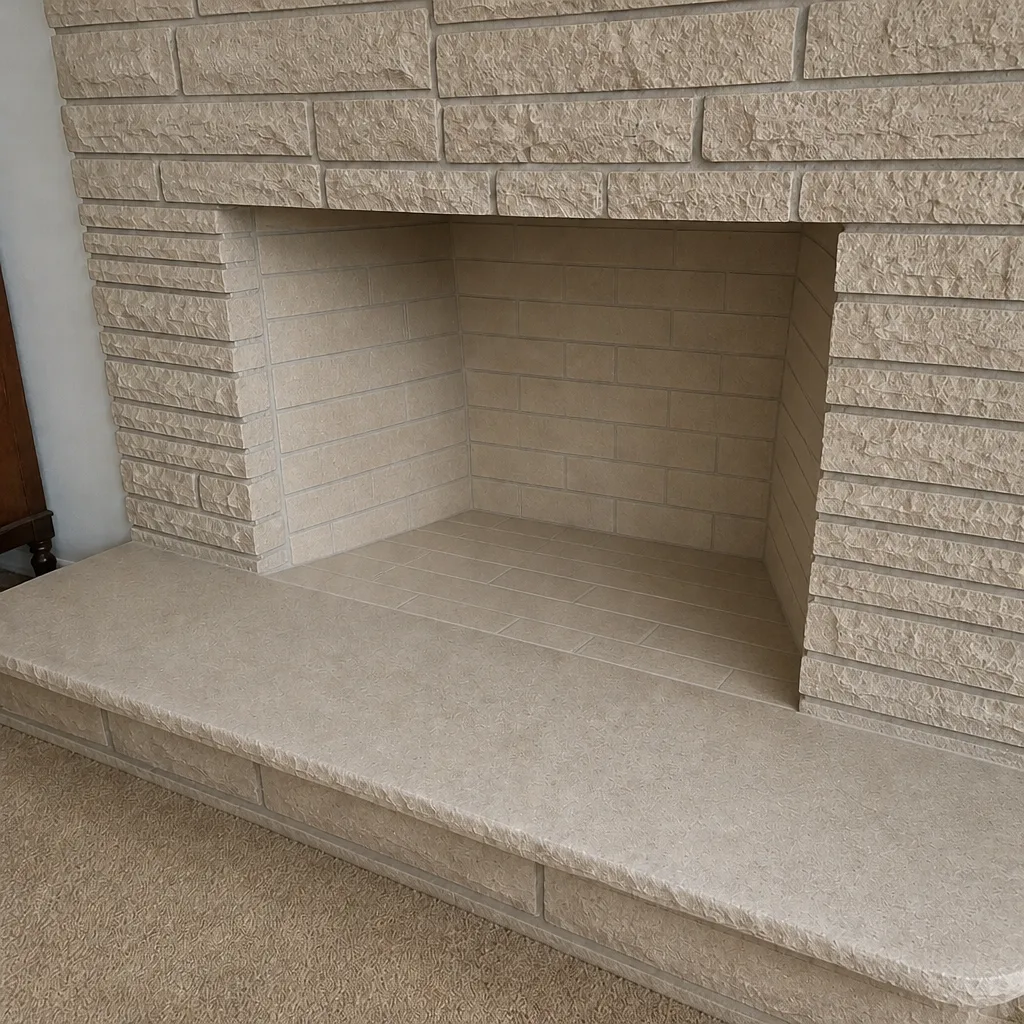
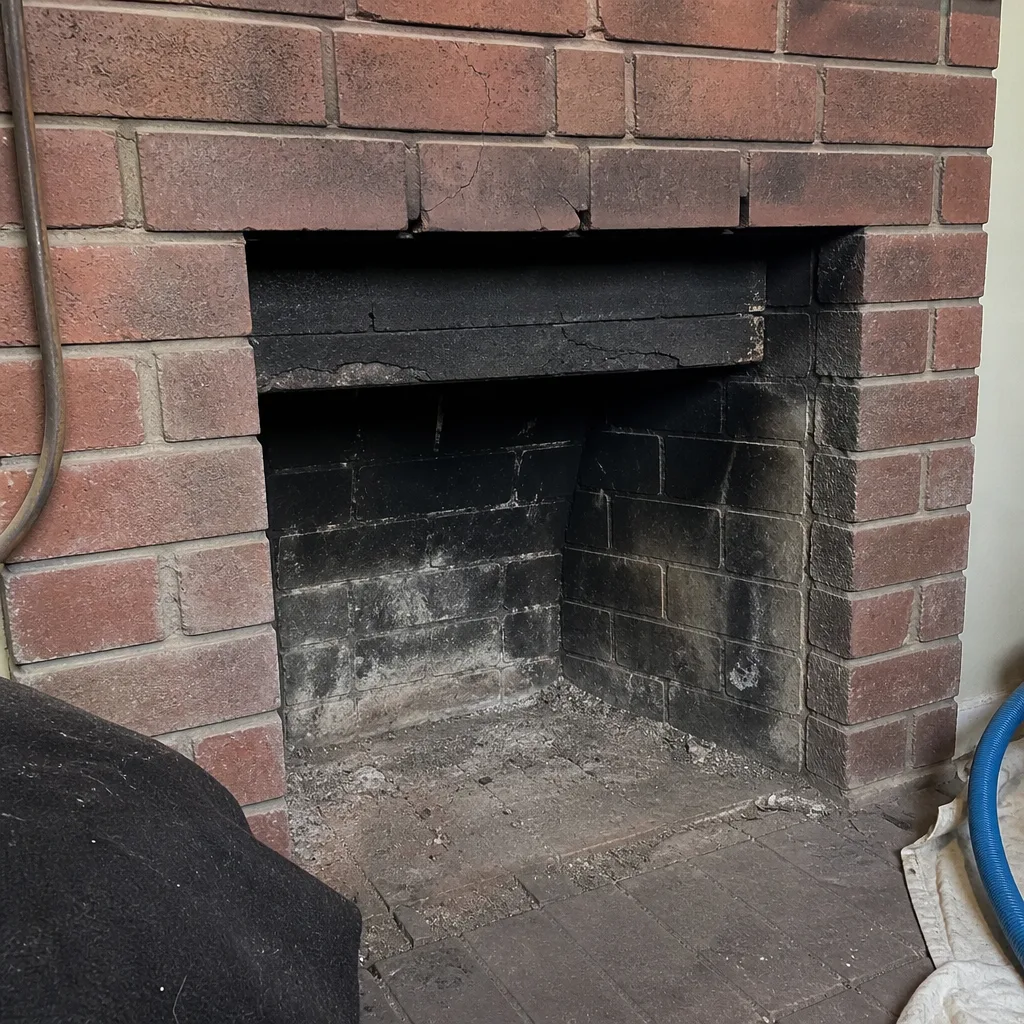
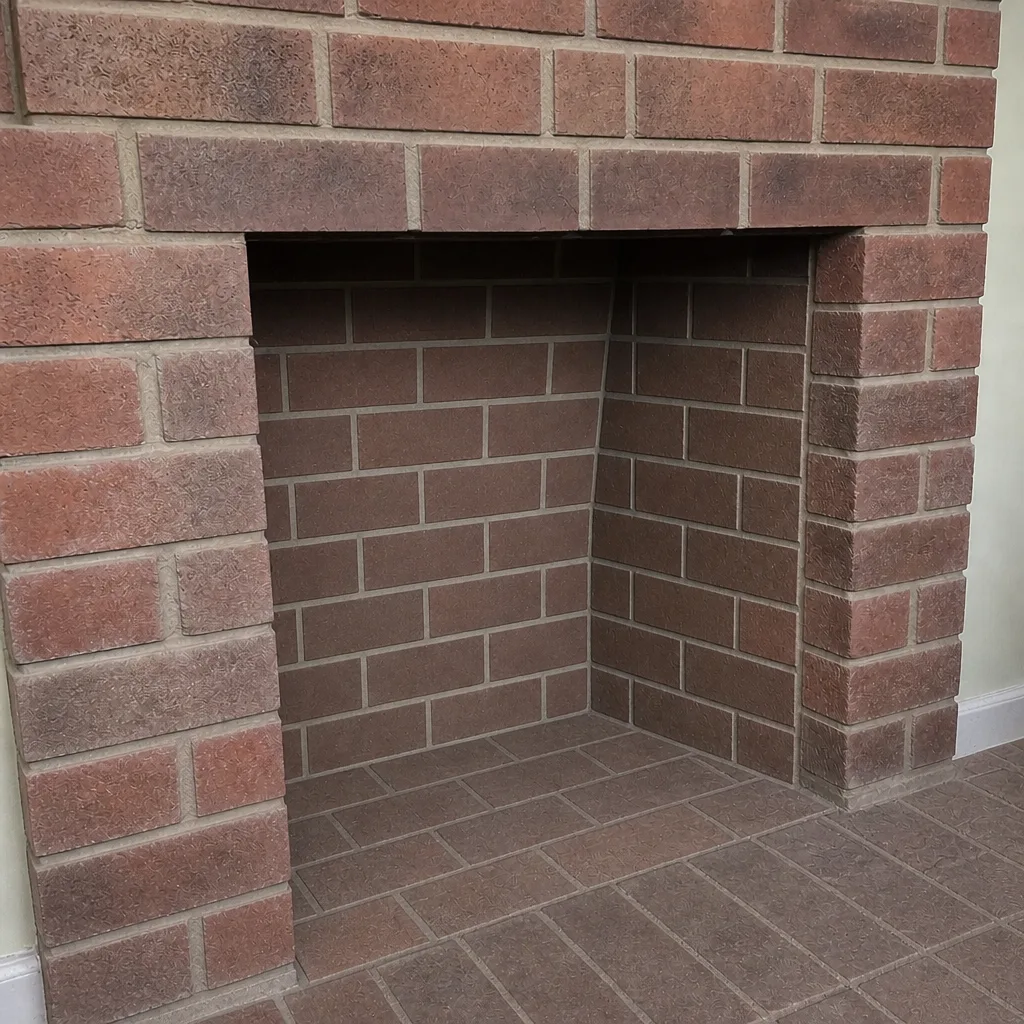
See the difference
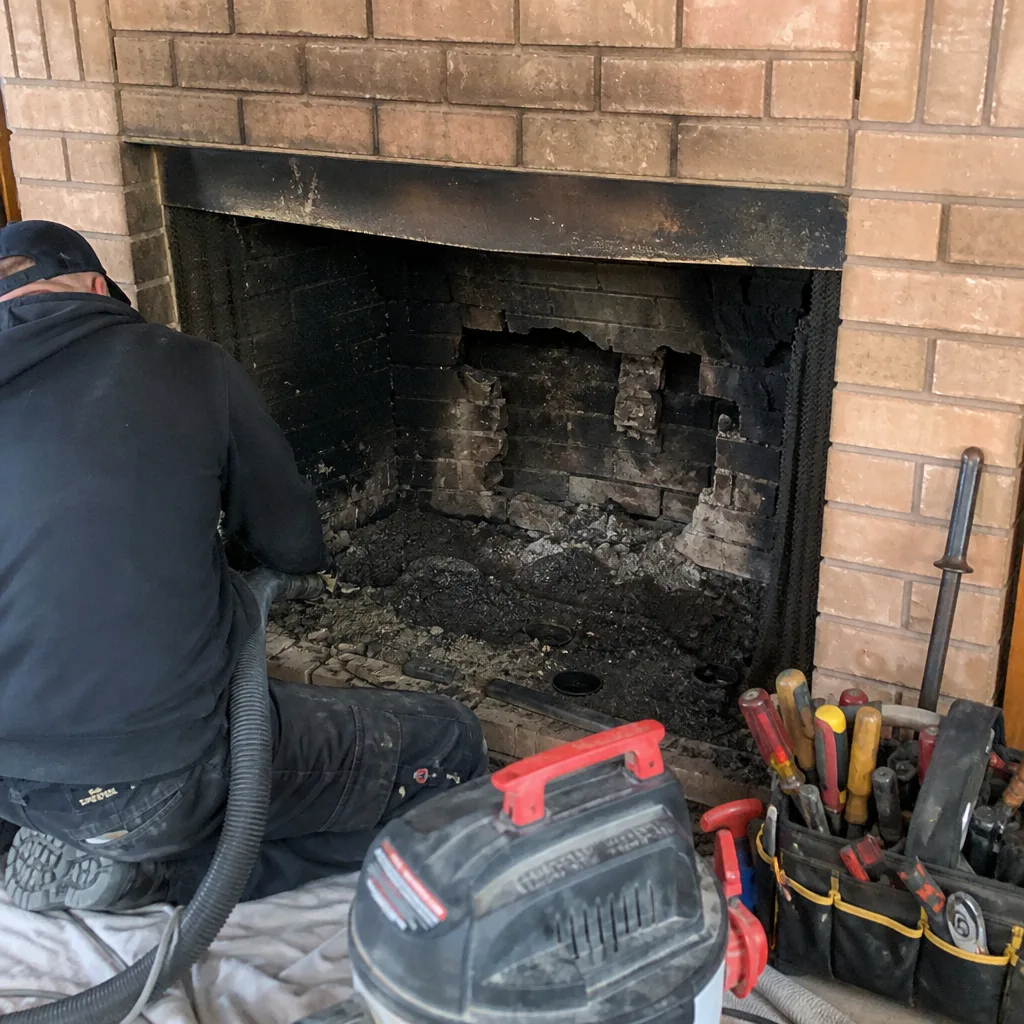 Before
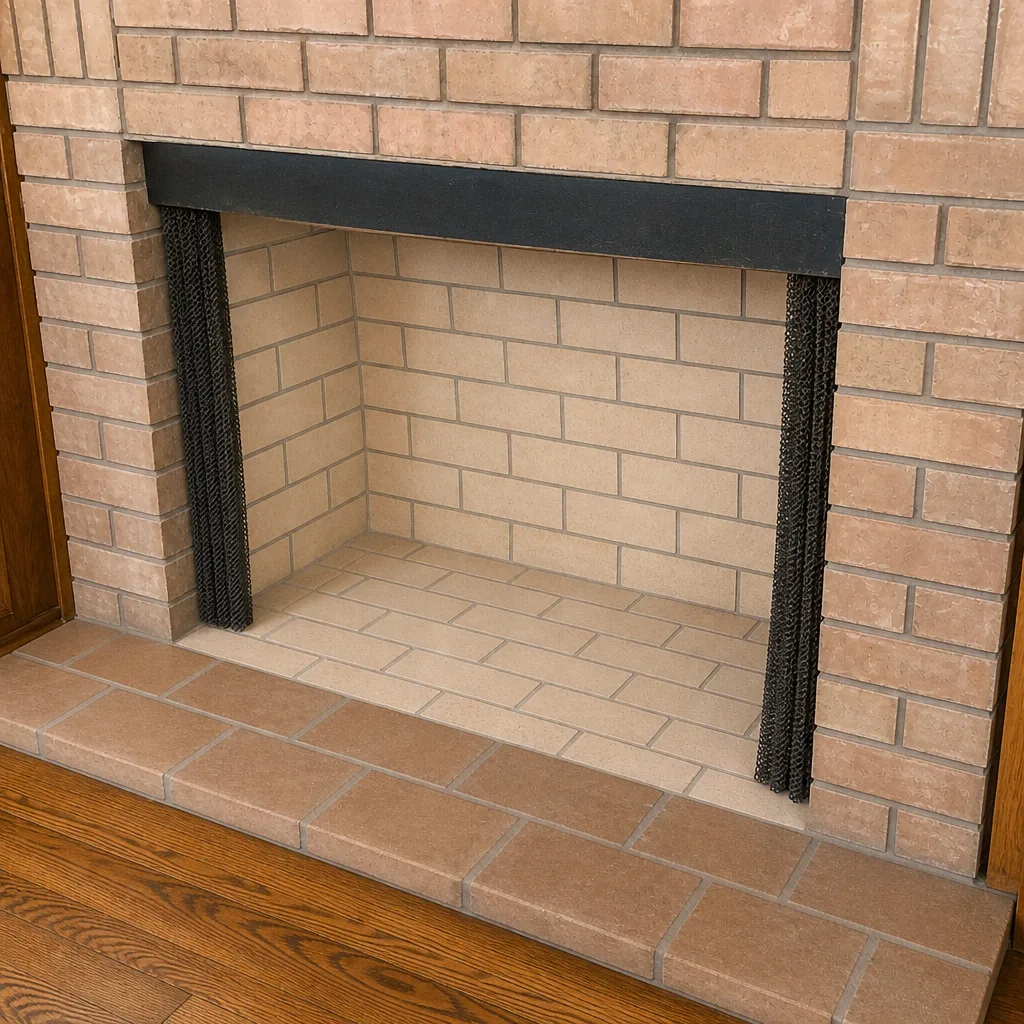 After
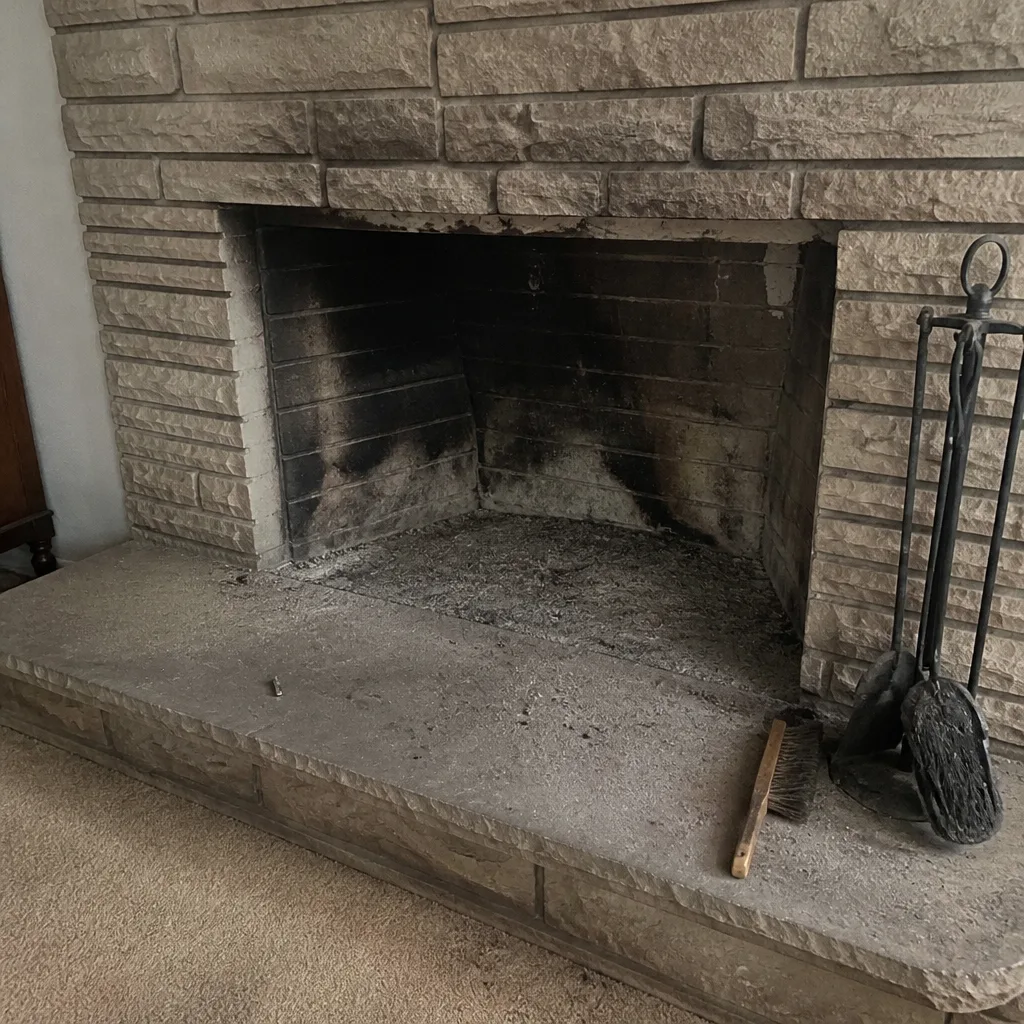 Before
 After
 Before
 After
When to Call a Professional
Some situations should send you to the phone without hesitation. Call a professional if you smell acrid or sulfur odors, if you see glazed creosote in the flue, if the firebox shows white haze or crumbling mortar, if smoke puffs back into the room, if the cap is loose or missing, or if the crown has visible cracks. Also call if you can’t remember the last time the chimney was inspected, or if you’ve noticed a change in draft, smoke, or damper behavior. Our technicians have up to 15 years of experience reading exactly these signals, and we can work with your insurer if a claim becomes relevant. Chimney Sweep Buckeye offers free estimates in Buckeye. Call (866) 378-9837. We answer 24/7. Fast dispatch from 7am to 7pm, Sunday through Friday.
Frequently Asked Questions
Most wood-burning fireplaces should be swept and inspected once a year, ideally before the heating season. Buckeye homeowners who burn only occasionally may stretch that a little, but an annual inspection is still worth it because monsoon moisture and idle months change conditions even without fires. Call (866) 378-9837 for an exact quote; estimates are free.
A typical chimney sweep in Buckeye usually falls in a modest range, and the written estimate sets the final price. Because we handle inspection and repair alongside the sweep, we can price the whole job in one stop. Call (866) 378-9837 to schedule a free estimate and get a clear number before we book.
Only if the inspection shows the existing liner is damaged, deteriorated, or not suited to what you burn. Many liners can be restored with HeatShield resurfacing rather than replaced. We won’t recommend replacement without camera evidence you can see. Call (866) 378-9837 and we’ll walk you through what the inspection shows.
Creosote builds up and hardens, raising the risk of a chimney fire, and moisture keeps working on masonry and mortar. Skipping the sweep simply means small problems have more time to grow. A sweep and inspection catch them early. Call (866) 378-9837 to get on the schedule before the next heating season.
That white haze is efflorescence, and it usually means water is moving through the masonry. It’s a sign of moisture penetration, not harmless residue, and it’s worth an inspection to find the source. Call (866) 378-9837 and we’ll check the cap, crown, and firebox together.
You can do the ground-level checks safely: the cap, crown, mortar joints, exterior staining, and the firebox at eye level. What you shouldn’t do is climb onto the roof or reach into the flue. Call (866) 378-9837 for a professional inspection that covers what the ground check can’t.
If you’re in the area and want to know what we cover, the Buckeye service page has the details on sweeping, inspection, and repair.
The Bottom Line
The warning signs worth acting on are the quiet ones: a shifting smell, white haze on the firebox, a cracked crown you can spot from the lawn, a draft that feels different. They’re subtle because the damage happens slowly, in the idle months when nobody is watching the chimney. Learn to read them, do the ground check after the monsoon rains, and follow the one-use rule when a red flag shows up. A professional sweep and inspection before the burn season turns all of this into a clear report and, where needed, a fix done with the right materials. If anything on this list matches what you’re seeing, don’t wait for the next season.
Chimney Sweep Buckeye handles sweeping, inspection, and repair as one team, using professional-grade materials from brands chimney specialists actually use. Our technicians have up to 15 years of experience, and nothing is recommended without camera evidence you can see for yourself. Call (866) 378-9837 for a free estimate. We answer 24/7. Fast dispatch from 7am to 7pm, Sunday through Friday.
Written by the team at Chimney Sweep Buckeye.