
Last updated November 15, 2026
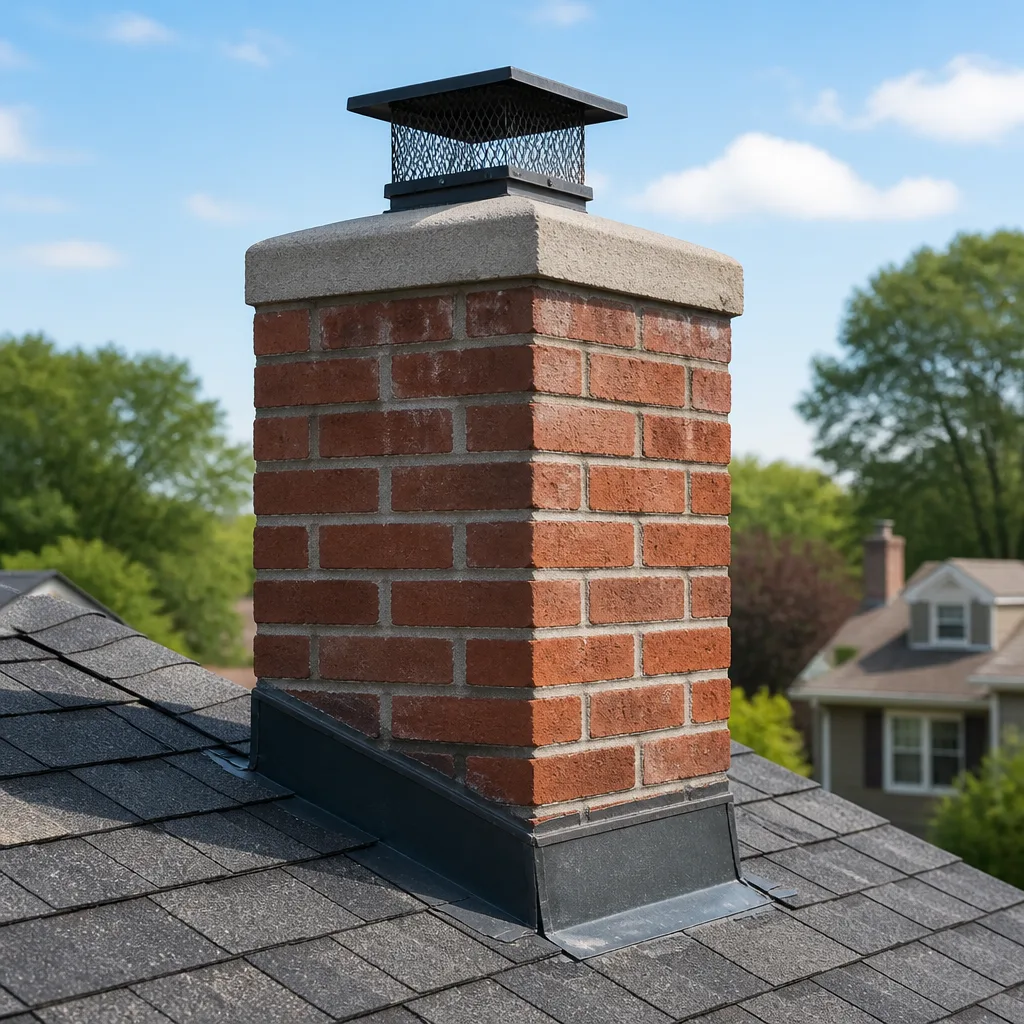 Sweep & inspection
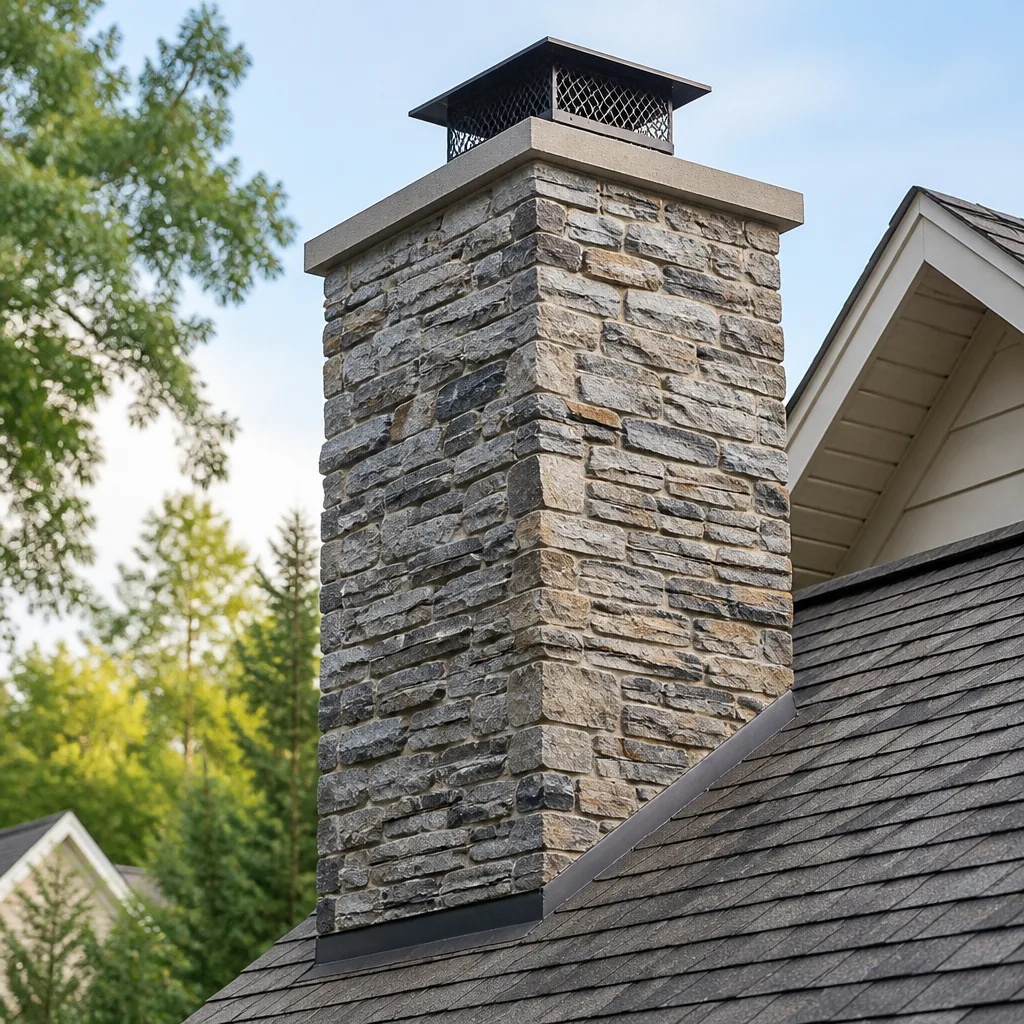 Caps & crowns
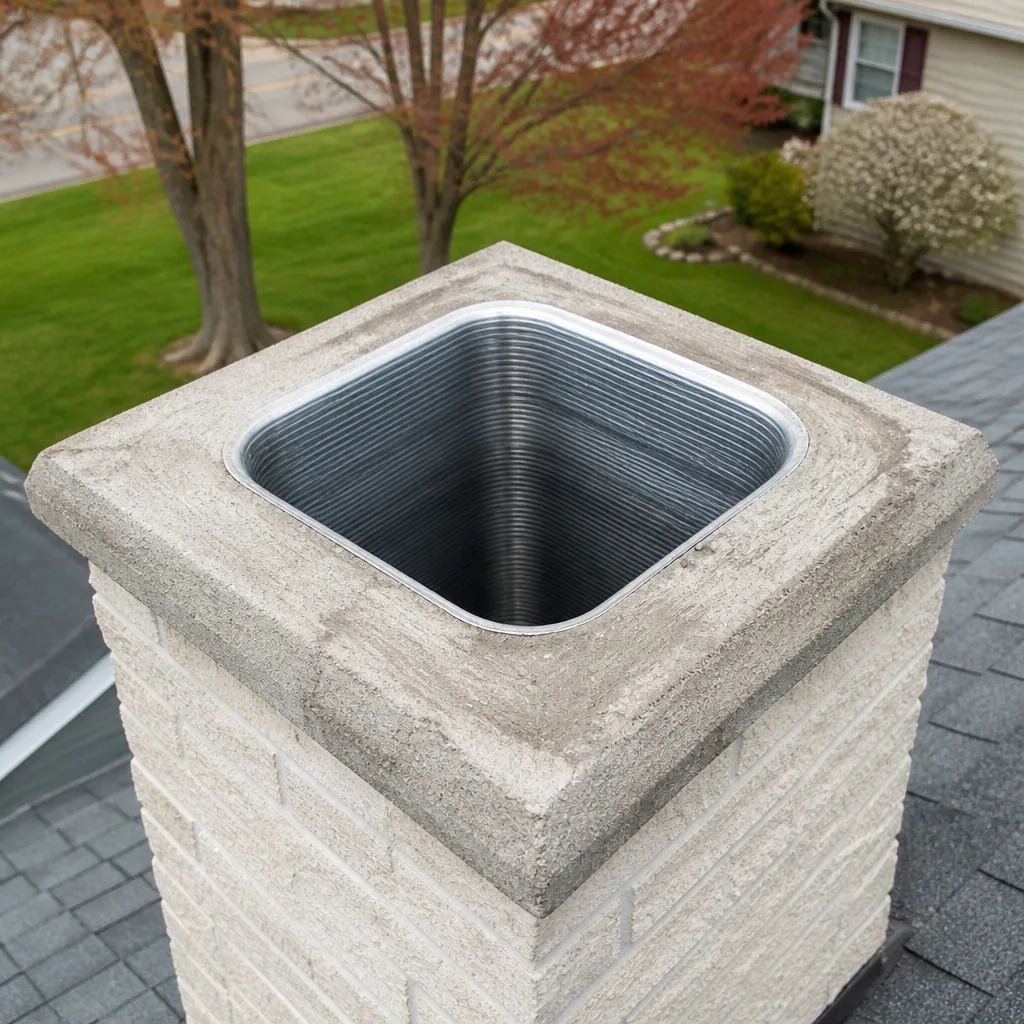 Flue relining
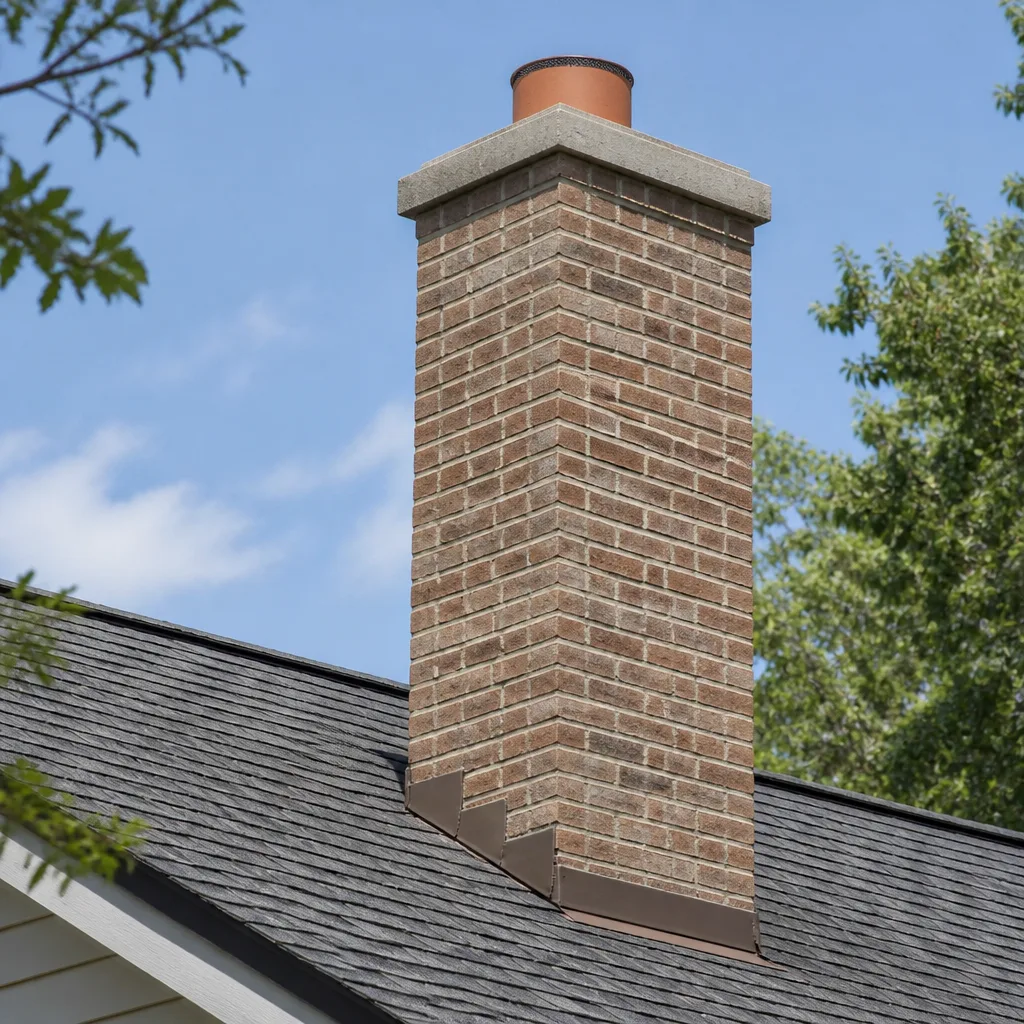 Masonry repair
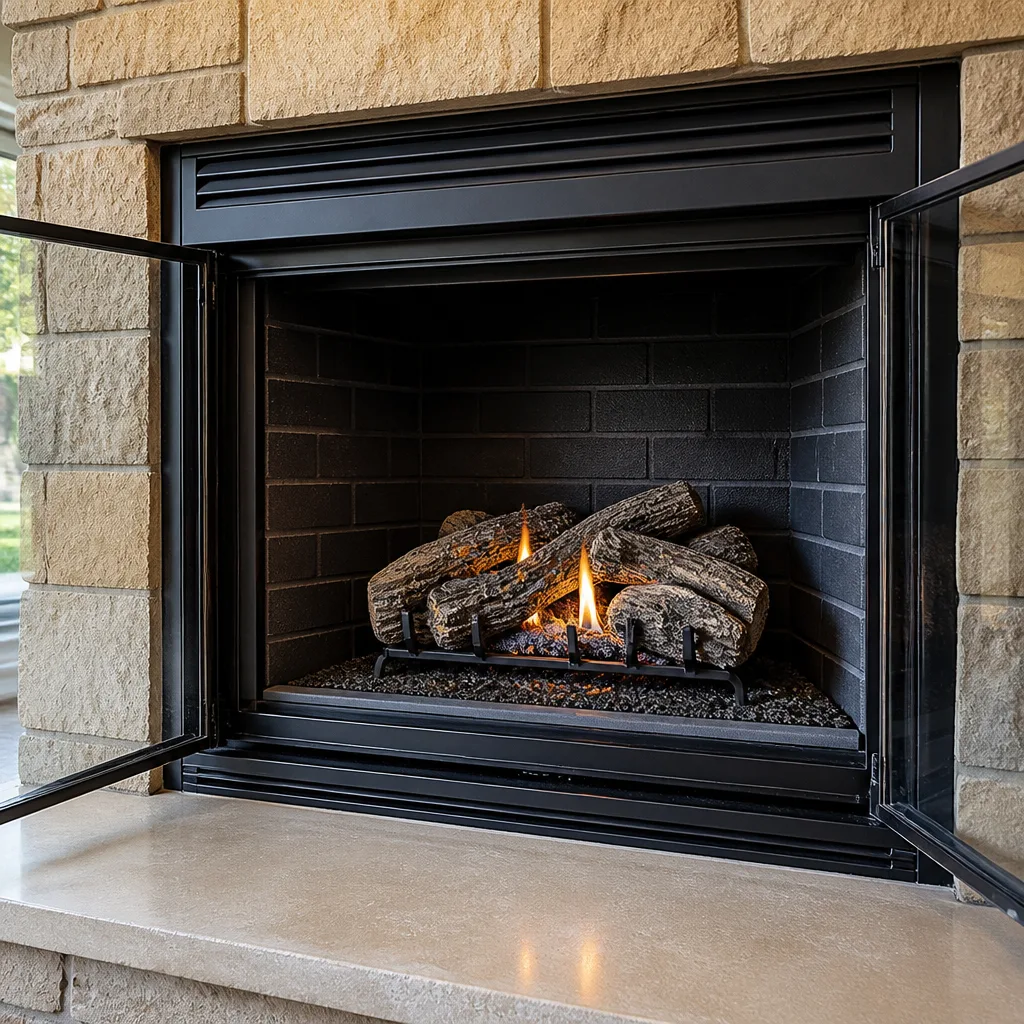 Gas fireplace service
Level 1 sweep and inspection to the NFPA 211 annual standard - flue, crown, cap, and flashing checked and photographed
Chimney sweep logs do not sweep chimneys. They loosen some creosote - which then falls where a brush and vacuum still have to collect it.
Chimney Sweep Maintenance Checklist for Buckeye Homeowners
A checklist you can’t act on is just anxiety in bullet-point form. Most chimney maintenance guides hand you thirty tasks and no way to judge which ones you’re qualified to do yourself and which ones need a professional with a camera and a brush. That gap is where small problems turn into expensive ones. In this guide we draw that line clearly for Buckeye homeowners: what you can check from the ground with your own eyes, what you can check inside the firebox without a ladder, the desert-specific warning signs that matter here, and the exact moment you stop and call someone. Our technicians have up to 15 years of experience, and the checklist below reflects what we actually look at when we’re on a roof in central Arizona.
Quick Answer
A homeowner’s chimney maintenance checklist has two tracks: monthly visual checks you can do yourself from the ground and inside the firebox, and an annual professional sweep and inspection for anything wood-burning. In Buckeye’s desert climate, add checks for efflorescence after monsoon season, spalling from UV exposure, and cracked crowns from thermal shock. Stop using the fireplace immediately if you see loose masonry, a cracked firebox, or heavy creosote.
Styles & brands we work with
- Sweep & inspection
- Caps & crowns
- Flue relining
- Masonry repair
- Gas fireplace service
Table of Contents
- Why a Buckeye Chimney Ages Differently
- Ground-Level Checks You Can Do Yourself
- Inside the Firebox: What You Can See
- Wood-Burning vs Gas Fireplace: Two Different Routines
- Your Monthly and Seasonal Schedule
- Red Flags That Mean Stop Using the Fireplace
- Documenting Your Chimney Year Over Year
- What the Annual Professional Visit Actually Covers
Why a Chimney Ages Differently in Buckeye
Buckeye sits in the lower Sonoran Desert, and that shapes chimney wear in ways a checklist written for the Midwest will completely miss. The problem here isn’t freeze-thaw damage. It’s the combination of intense UV exposure, extreme summer heat, and the short, sharp moisture spikes that arrive with monsoon season. Masonry that bakes at 110 degrees for weeks and then gets soaked by a July storm is under real stress, just a different kind than a Minnesota chimney faces.
The three indicators we see most in Buckeye chimneys are:
- Efflorescence – the white, chalky staining that appears on exterior masonry after moisture works its way in and evaporates back out, pulling salts to the surface. It’s a sign water is getting in somewhere.
- Spalling – brick faces flaking or popping off. Arizona sun bakes masonry hard, and the surface layer can fail over time. Spalling brick means the chimney’s outer shell is losing material.
- Cracked crowns – the concrete cap at the very top of the chimney. Thermal shock from hot days and cool nights, plus monsoon rain hitting hot concrete, can fracture it. A cracked crown lets water straight into the flue.
None of these are emergencies on their own. All of them are cheaper to fix early. If you’re comparing what a routine chimney sweep visit covers with a repair call, these are the findings that often decide which one you need.
Ground-Level Checks You Can Do Yourself (No Ladder Required)
You don’t need to climb anything to do a useful inspection. About half the meaningful information about your chimney’s condition is visible from a safe distance on the ground. Do these checks once a month and after any significant storm. Keep your feet on the ground and use binoculars if you want a closer look.
- Look at the crown from across the yard. A healthy crown is a smooth, intact concrete cap sloping away from the flue. Cracks, crumbling edges, or a crown that looks like it’s pulling away from the flue are all worth flagging.
- Scan the brick for white staining or flaking faces. Efflorescence or spalling brick indicates moisture movement. Note where it shows up. Near the top is different from near the roofline.
- Check the chimney cap. The cap is the metal or mesh cover on top. It should be intact and firmly attached. A missing or damaged cap is an open door for rain, birds, and animals. We often install Gelco or Famco caps precisely because they address the root cause of water intrusion, not just the symptoms.
- Look for leaning or separation. A chimney that leans away from the house, or has a visible gap where it meets the roof, is a structural concern, not a maintenance item. Stop here and call.
- Inspect the firebox opening from inside the room. Look at the mortar joints between firebricks and the damper. You can do this without stepping onto the roof.
- Snap a photo of each angle. This costs nothing and gives you a baseline to compare against next month and next year.
That’s the entire homeowner half of the checklist. Everything from here up is either inside the firebox or requires a professional on the roof.
Inside the Firebox: What You Can See and What You Can’t
The firebox is the one interior area you can meaningfully inspect yourself, and it’s also the one where people most often make a dangerous mistake: they clean it up and convince themselves it’s fine. A firebox that looks tidy can still have cracked firebrick, failed mortar joints, or a warped damper. Here’s what to actually look at, with the fire completely out and the firebox cool.
- Cracked or chipped firebrick. Small surface cracks are common. Cracks that go deeper than the width of a coin, or firebrick that’s chipped away enough to expose the masonry behind it, are a red flag.
- Crumbling mortar joints. The mortar between firebricks should be intact and hard. If it crumbles when you press it with a putty knife, the firebox is failing.
- Damper operation. Open and close the damper fully. It should move smoothly and seat tightly when closed. A stuck-open damper wastes heat up the flue; a stuck-closed damper is a smoke problem.
- Creosote buildup on the firebox walls and damper. Look for dark, shiny, or crusty buildup. Light soot is normal. Shiny, tar-like creosote is the fuel that drives chimney fires, and it’s a signal to stop and get a professional sweep.
- The smoke chamber above the damper. You can often see the underside of it by shining a flashlight up. If the mortar looks washed out or the surface looks rough and crumbling, that’s a job for a specialist with HeatShield resurfacing capability.
What you can’t see from the firebox is the flue liner condition, the smoke chamber from the top, or the interior of the chimney above the damper. Those require a camera inspection. That’s not a sales tactic. It’s a physical reality.
Wood-Burning vs Gas Fireplace: Two Different Checklists
The biggest mistake in chimney maintenance is running the same checklist against every fireplace. A wood-burning fireplace and a gas fireplace have almost nothing in common when it comes to routine care, except that both benefit from an annual professional look.
Wood-Burning Fireplace, Insert, or Stove
Wood-burning appliances produce creosote and require the full annual sweep and inspection. Your monthly personal checklist adds up to just a handful of items, but they matter:
- Check the firebox for cracks and creosote buildup (covered above).
- Watch for smoke spilling into the room when you light a fire. This usually means a blocked flue, a closed damper, or a cold flue that needs to warm up first.
- Note how quickly the fire burns and whether draft feels weaker than last season. Sluggish draft can mean restricted airflow through the chimney.
- Make sure the cap screen is intact and clear.
Gas Fireplace or Gas Insert
Gas units don’t produce creosote the way wood does, so the routine is different. A monthly check of your gas fireplace typically means:
- Look at the burner and log layout for soot or unusual discoloration.
- Verify the pilot light and ignition sequence work cleanly when you turn it on.
- Check that the glass doors or front panel are clean and the seals look sound.
- Notice any unusual smell or discoloration around the top of the unit.
- Confirm the vent termination outside is clear and not blocked by debris or nesting material.
Even a gas fireplace benefits from a professional look once a year. Combustion byproducts and carbon monoxide are the reasons, not creosote. A properly vented gas unit is safe, but the vent isn’t something to take for granted. That brings us to the safety caveat: never open up a gas appliance yourself to inspect or clean the burner assembly, and never disconnect a gas line. Gas work belongs to a trained professional. If you smell gas, leave the house and call your gas utility immediately.
Your Monthly and Seasonal Schedule
Here’s the practical cadence we recommend to Buckeye homeowners. The professional visit is once a year. What you add on top depends on whether you have a wood-burning or gas appliance and what the season is doing.
What to Do Every Month
- Ground-level visual scan of the crown, cap, and exterior masonry.
- Firebox inspection, one minute with a flashlight.
- Quick check of the damper or gas pilot function.
What to Do Seasonally
- Before the heating season (typically in the weeks before the cooler evenings start in late fall): the annual professional sweep and inspection.
- Before monsoon season (roughly June in central Arizona): check the crown and cap condition. Monsoon moisture is when water intrusion happens. If your crown has hairline cracks, better to catch them before the storms arrive.
- After any major storm: a quick ground-level re-check. Note any new spalling or signs of water inside the firebox.
- After prolonged hot spells: check for the exterior masonry effects that sun and heat stress brings.
If you’re in a home where the chimney has never been serviced, or you recently bought a house and don’t know when the last sweep happened, treat it as though the annual visit is overdue. A sweep and inspection gives you a documented starting point. If you’re comparing what a first visit typically involves, our guide to chimney repair explains what happens when a real defect is found and what the fix looks like.
Red Flags That Mean Stop Using the Fireplace
Some findings call for booking a visit. Some call for putting the fire out and not lighting another one until a professional has looked at it. Distinguishing those is the single most useful thing in this guide. Stop using the fireplace immediately and call a professional if you see any of the following:
- Chunks of masonry or creosote falling into the firebox. Something inside the flue is failing.
- Deep cracks in the firebox firebrick that expose the masonry behind the brick. Combustion gases can enter the house through these, not up the flue.
- Shiny, tar-like creosote on the firebox walls or damper. This is the fuel that feeds chimney fires. Catching it early is the whole reason for annual sweeps.
- Visible loosening or movement of the chimney structure, or any gap where the chimney meets the roof. Structural concerns need eyes on them from the top, not a maintenance schedule.
- Smoke coming back into the room when the fire is burning and the damper is open. This could be a blockage, a failed flue, or a pressure issue, but it’s not something to experiment with.
- Any sign of a chimney fire. A chimney fire isn’t always dramatic. It can sound like a low, roaring rumble, or the neighbors might notice something unsettling from outside. If you suspect one, put the fire out, get out of the house, and call the fire department first. Then call us to inspect the chimney before it’s used again.
- Efflorescence appearing suddenly after a monsoon storm, especially paired with dampness inside the firebox. This is a water intrusion signal and needs a professional look at the crown, cap, and flashing.
None of these are reasons to panic. All of them are reasons to stop burning until they’ve been checked. Fire safety is not an area where you want to guess.
Documenting Your Chimney Year Over Year
Most homeowners have no idea how their chimney looked last year. The chimney subtly ages, and without a record, a gradual problem looks like it was always there. A simple photo log changes that. You don’t need anything fancy. Your phone is enough.
How to Build a Chimney Photo Log
- Shoot six consistent photos. Ground-level from the front, ground-level from each side, a shot of the crown from across the yard (zoom in with the phone), a direct shot of the cap, and a shot of the firebox interior with the fire out.
- Take them at the same time every year. Same angles, same time of day. Consistency is what makes comparisons possible.
- Save the file or photo album by date. Something as simple as “Chimney – November 2026” in a folder or album.
- Add a short note for anything unusual you noticed. Efflorescence on the south side, new crack in the crown, smell of smoke inside. Two sentences is plenty.
- Bring the photos to your professional visit. A picture of the crown from three years ago is genuinely useful, and it lets a technician see the trajectory, not just the snapshot.
We hand homeowners a photo report after every camera inspection, precisely so you have a professional record on file alongside your own. If you change houses or hand the place to family someday, the log travels with it.
What the Annual Professional Visit Actually Covers
Your annual professional sweep and inspection is the anchor of the checklist, and it covers things no homeowner check can replace. Here’s what a real visit includes:
- A full sweep of the flue using brushes sized to the liner, plus the firebox and smoke chamber, to remove creosote deposits.
- A camera inspection of the flue interior so the liner condition, joints, and any cracks are actually visible, not guessed at.
- A roof and crown check from the roof, since that’s the only place many crown cracks, flashing issues, and rusted caps become clear.
- A written or photographed report of what was found, what’s normal, and what, if anything, needs work.
What separates a specialist visit from a general sweep is what happens when something’s found. A generic service can report a failing liner; a chimney specialist can fix it. We work with HeatShield for liner resurfacing, a repair-grade approach that most basic sweeps don’t carry. For full relining, we install DuraFlex flexible liner systems. For caps and covers, we use Gelco and Famco. For dampers and other chimney hardware, Olympia Chimney and Copperfield. That means we don’t hand you a list of findings and a recommendation to find someone else. We sweep, inspect, and repair, start to finish, one team. If you’re in a Buckeye neighborhood where chimneys take a beating from the summer heat and winter use, you’ll get the most out of a visit that can actually resolve what it finds. And nothing is recommended without camera evidence you can see for yourself. If work can safely wait, we tell you.
Common Mistakes to Avoid
- Skipping the annual sweep because the firebox looks clean. The firebox is the smallest part of the flue system. The creosote that causes chimney fires lives up in the flue, out of your view, and only a professional sweep with a camera can clear and inspect it properly.
- Judging crown condition from the ground with no magnification. A cracked crown is easy to miss at distance. Use your phone’s zoom or a pair of binoculars before assuming it’s fine.
- Treating gas and wood fireplaces the same. Gas units need a venting check and pilot check, not a creosote sweep. Wood units need the full annual sweep. Running a wood checklist against gas wastes effort and can miss the vent safety issues that actually matter for gas.
- Cleaning the firebox and then assuming it’s safe. A tidy firebox can have cracked firebrick, failed mortar, and a warped damper. Soot is cosmetic; structural and firebox integrity is the safety question.
- Ignoring efflorescence after the monsoons. It’s the easiest water intrusion signal to spot in a Buckeye chimney, and the easiest to write off as normal staining. White staining means water is moving through the masonry somewhere.
- Doing your own roof-level inspection. No homeowner check in this guide requires a ladder onto a pitched roof. Roof work is exactly where an expert is worth calling, and where a fall risk is not worth taking. A green pool of creosote or a hairline crown crack is not worth an injury.
- Leaving a missing or damaged cap through a storm season. A cap is a small, inexpensive part that prevents most water intrusion and animal entry. Waiting to fix a missing cap means letting the monsoons do damage a new cap would have prevented.
See the difference
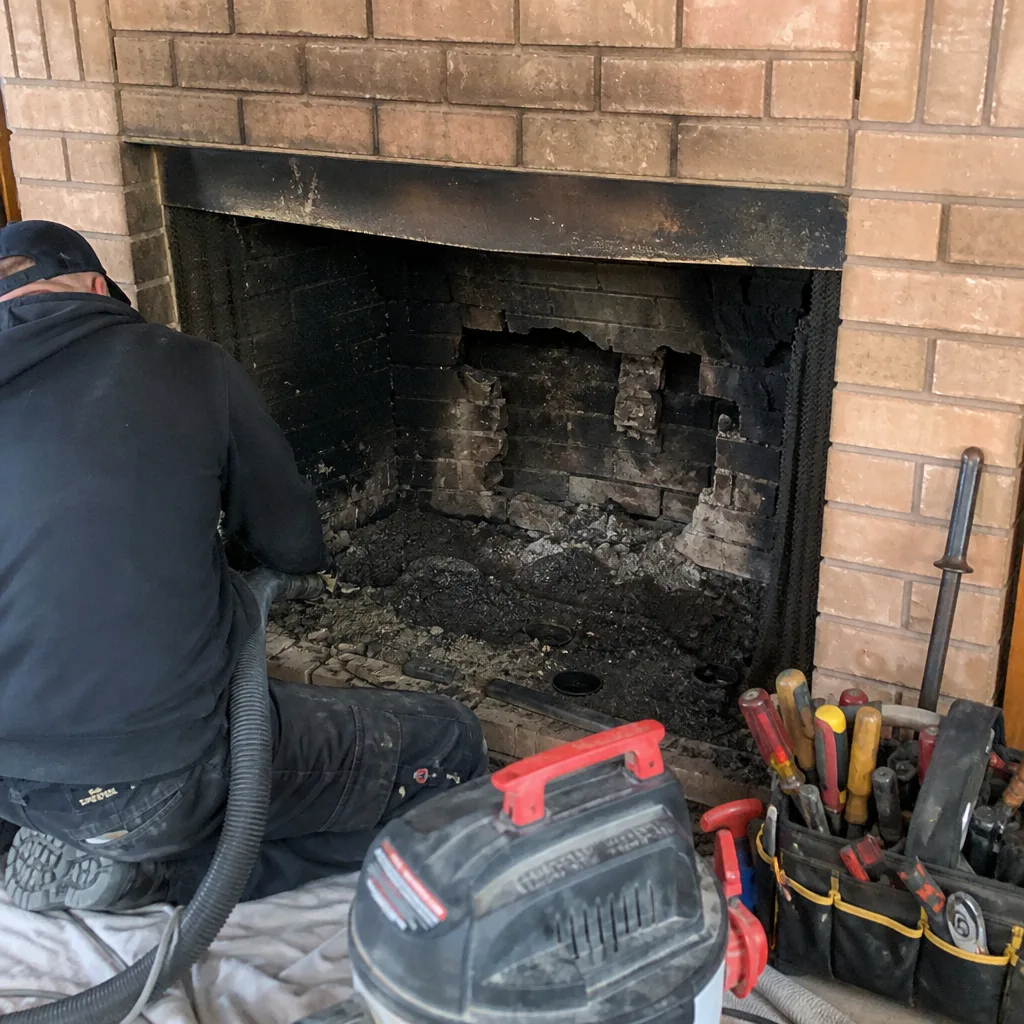 Before
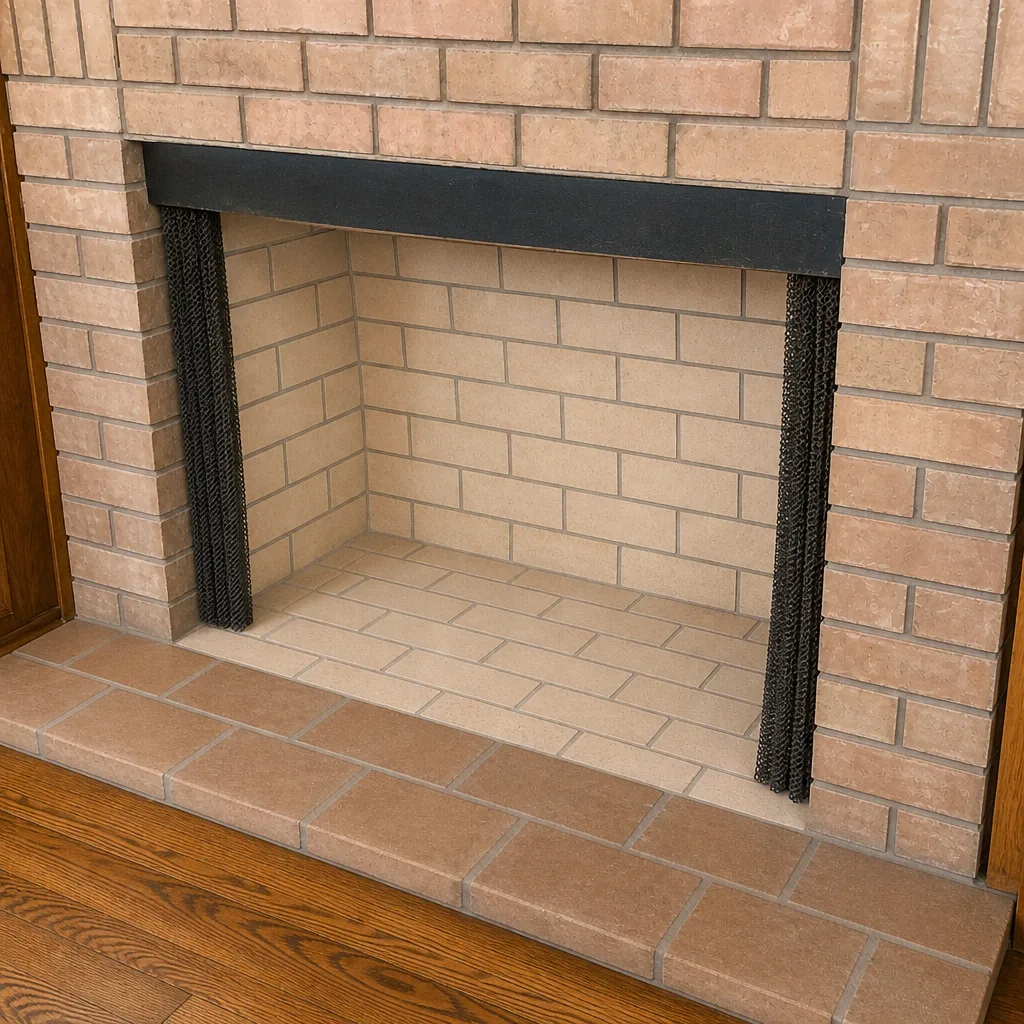 After
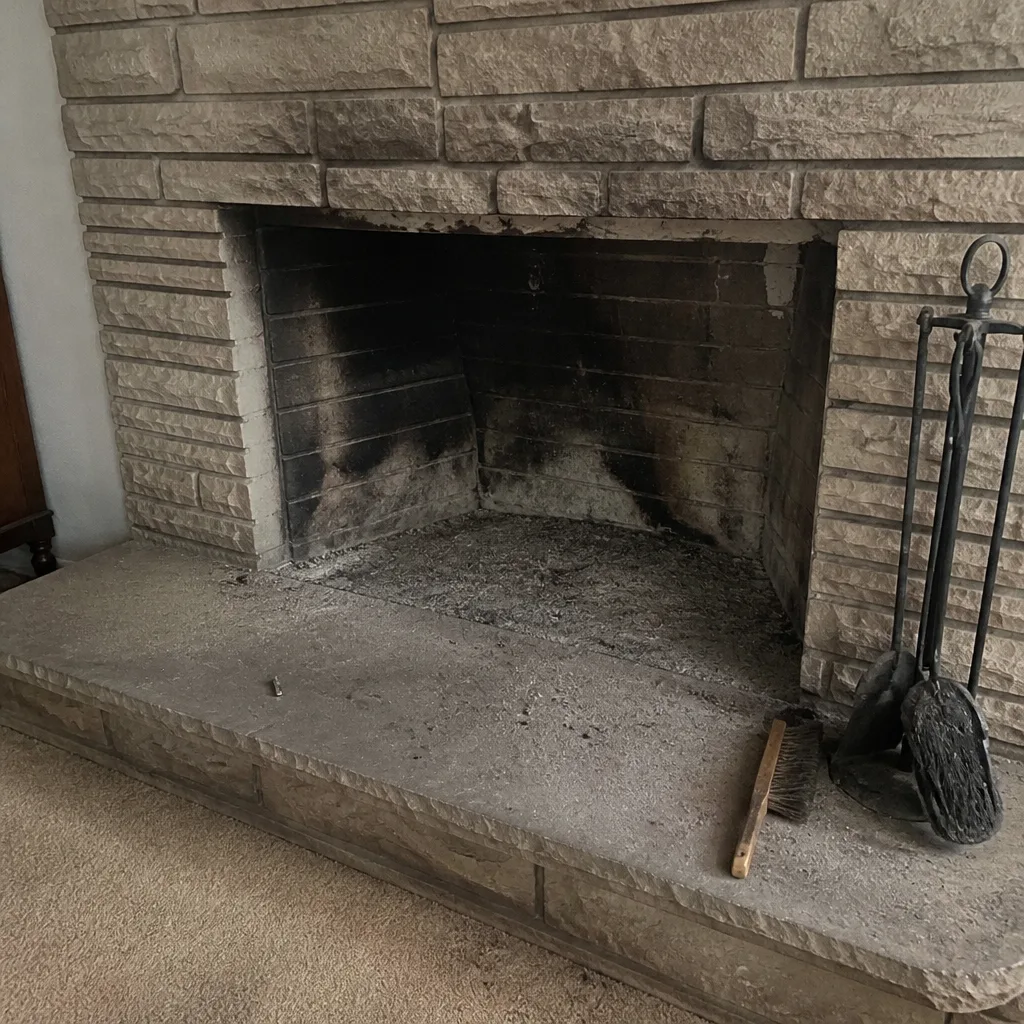 Before
 After
 Before
 After
When to Call a Professional
You’ve reached the point in the checklist where self-inspection ends. Call a professional when you see any red-flag item, when it’s been more than a year since your last sweep and inspection, when you’ve recently bought the house and don’t know the chimney’s history, when you’re seeing efflorescence or spalling that’s getting worse, when the cap is missing or damaged, or when your wood-burning appliance has any change in draft or smoke behavior. Also call if you have a gas appliance you’ve never had checked. Chimney Sweep Buckeye offers free estimates in Buckeye. Call (866) 378-9837. We answer 24/7, with fast dispatch from 7am to 7pm, Sunday through Friday. If a call comes in outside dispatch hours, it’s booked into the next opening. You’ll get a full sweep, a camera inspection, and a photo report of anything we find.
Frequently Asked Questions
Once a year for wood-burning fireplaces, inserts, and stoves, and once a year for gas appliances as a safety and venting check. That annual cadence holds up in Buckeye’s climate, where creosote accumulation and water intrusion are the two main factors driving chimney deterioration. If you burn wood heavily, or you notice any change in draft, an extra check doesn’t hurt. Call (866) 378-9837 for an exact quote; estimates are free.
You can do the monthly visual checks and the firebox inspection in this guide, and you should. You should not sweep your own flue, inspect the flue interior without a camera, or work at roof level. Creosote is the fuel of chimney fires and the liner condition determines whether combustion gases stay out of your house. Those are professional judgment calls. Call (866) 378-9837 for an exact quote; estimates are free.
Water intrusion and thermal stress, not freeze-thaw damage. Buckeye’s monsoon storms are the biggest water driver, and the intense summer heat plus the sun’s UV exposure stresses masonry over time. Efflorescence, spalling brick, and cracked crowns are the three warning signs. Call (866) 378-9837 for an exact quote; estimates are free.
It means moisture is moving through the masonry. The white chalky staining is salts being pulled to the surface as water evaporates back out. It’s not cosmetic; it’s a sign water is getting in somewhere, usually a cracked crown, a failed cap, or compromised flashing. Call (866) 378-9837 for an exact quote; estimates are free.
We fix it. We’re a dedicated chimney specialist, not a general sweep that outsources repairs. We install DuraFlex flexible liner systems, carry HeatShield for liner resurfacing, and use Gelco and Famco caps and Olympia Chimney components. One team, start to finish. Call (866) 378-9837 for an exact quote; estimates are free.
We tell you plainly what can wait and what can’t. Nothing is recommended without camera evidence you can see for yourself, and if the repair is safe to defer, we say so. The one thing to never defer is anything on the red-flag list in this guide. Stop using the fireplace until that’s checked. Call (866) 378-9837 for an exact quote; estimates are free.
Yes. Gas fireplaces don’t produce creosote, but they do produce combustion byproducts, and the venting system needs an annual check. Carbon monoxide is the reason, not creosote. Call (866) 378-9837 for an exact quote; estimates are free.
Keep the photo report from the visit, your own annual photo log, and any written findings. Together they give you a year-over-year record for the chimney in your home, which makes future decisions easier and helps if you ever sell the house and need to show the chimney’s service history. Call (866) 378-9837 for an exact quote; estimates are free.
The Bottom Line
A chimney maintenance checklist only helps if it separates what you can do yourself from what a professional has to do. For a Buckeye homeowner, that means three things: a simple monthly visual and firebox check you can run in five minutes, a seasonal check timed to monsoon season and the start of the heating season, and an annual professional sweep and inspection that gives you a camera-verified picture of the flue. Add the photo log so you can compare year over year. And take the red flags seriously. A clean chimney is a safe chimney, and the professional visit is how you confirm it’s both. If you’re in Buckeye, we’d be glad to help you set up that annual visit.
Call (866) 378-9837 for a free estimate. We answer 24/7, with fast dispatch from 7am to 7pm. If you’re ready to book your annual sweep and inspection, Chimney Sweep Buckeye is here to help, start to finish, one team.
Written by the team at Chimney Sweep Buckeye.