
Last updated November 15, 2026
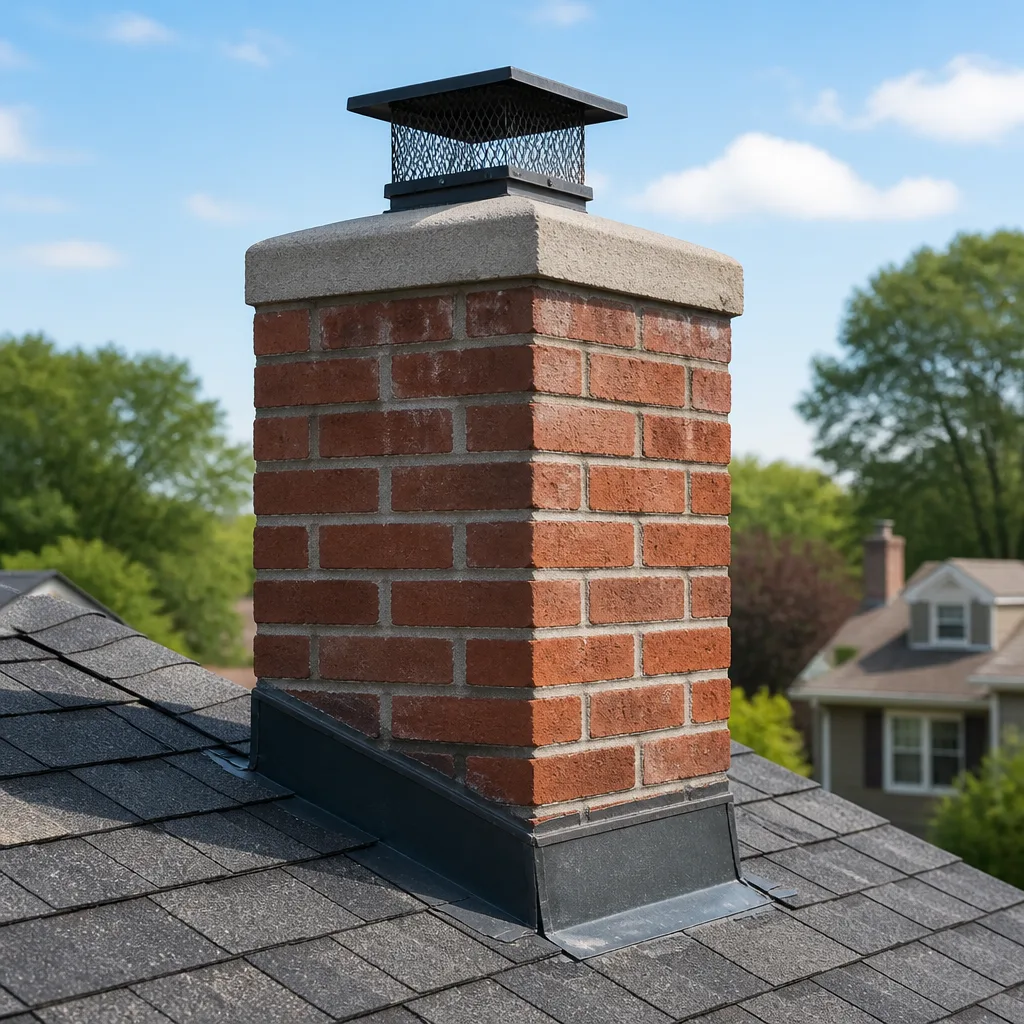 Sweep & inspection
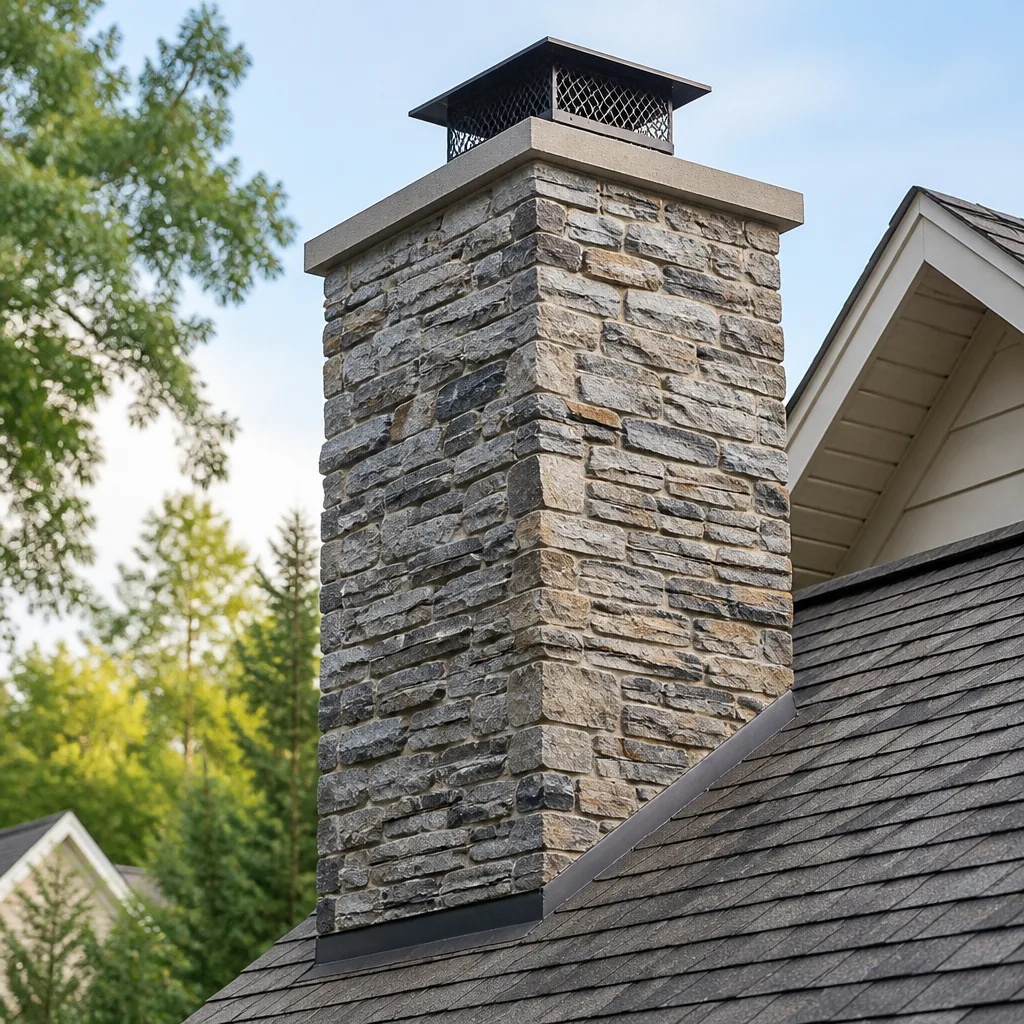 Caps & crowns
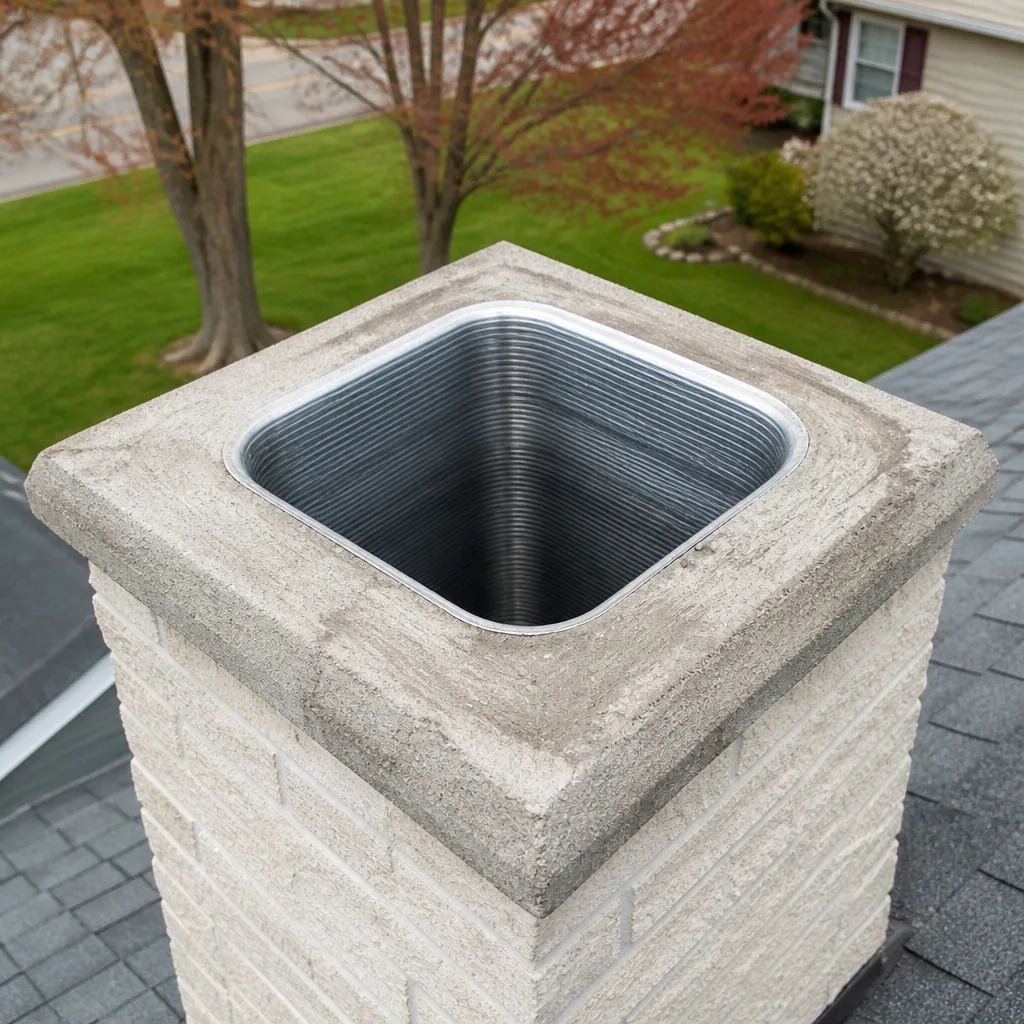 Flue relining
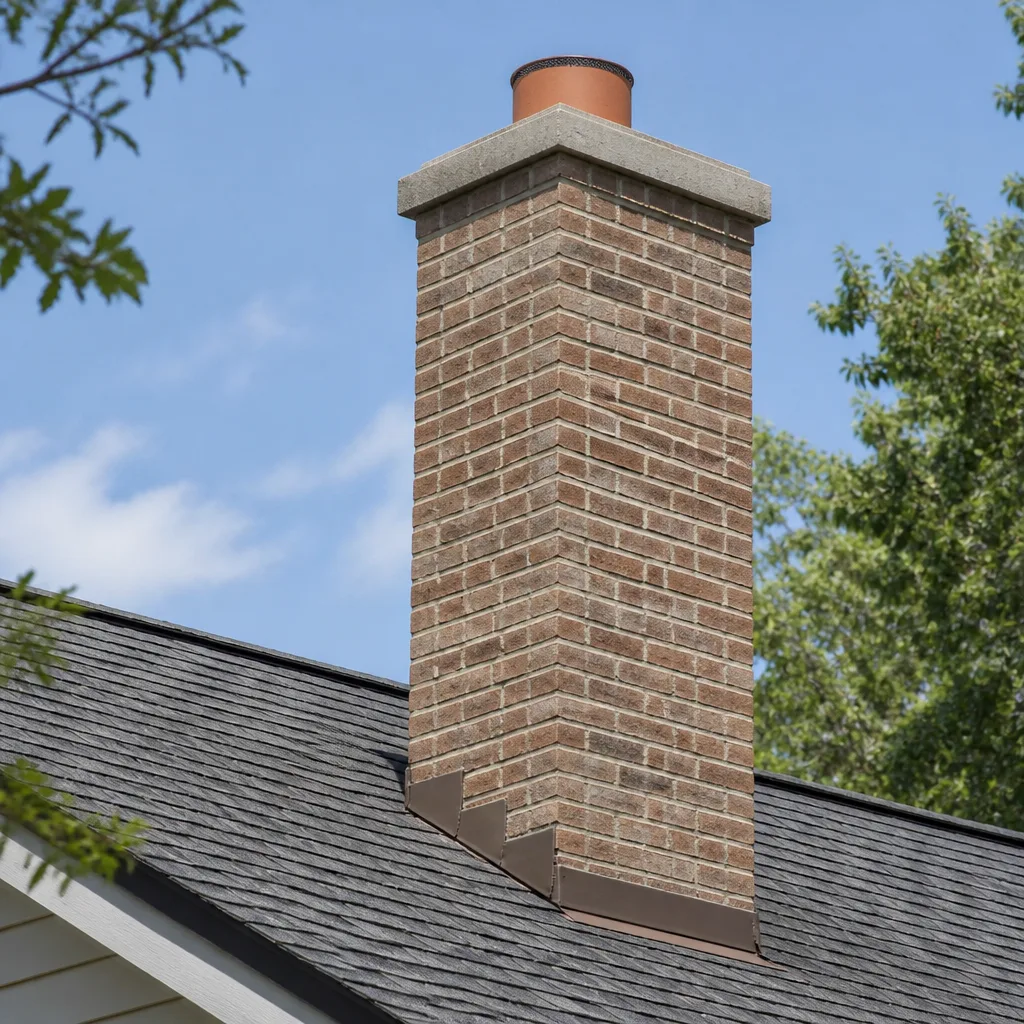 Masonry repair
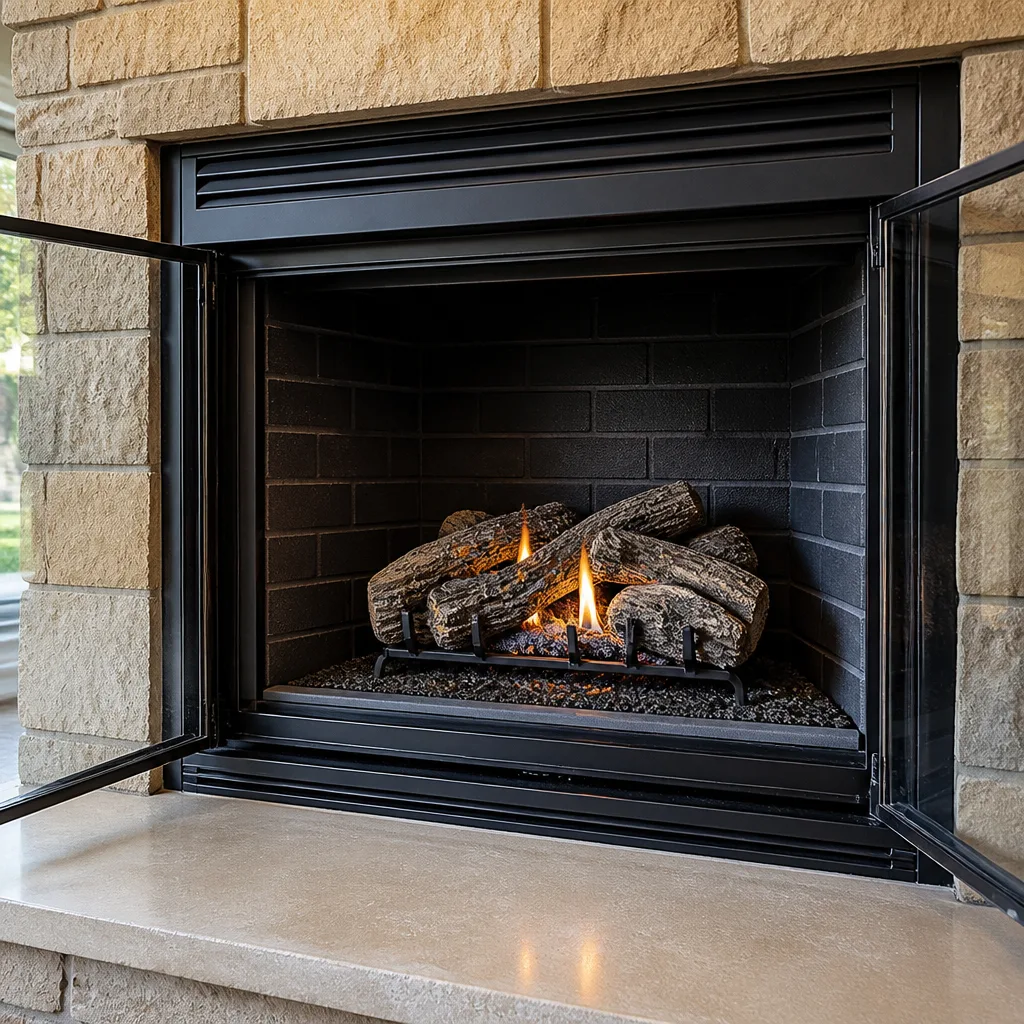 Gas fireplace service
Level 1 sweep and inspection to the NFPA 211 annual standard - flue, crown, cap, and flashing checked and photographed
Chimney sweep logs do not sweep chimneys. They loosen some creosote - which then falls where a brush and vacuum still have to collect it.
Chimney Cleaning Permits, Codes & Inspections in Buckeye, AZ: What You Need to Know
You scheduled a cleaning. The sweep found a cracked liner. Now you need a permit you didn’t know existed.
That sequence catches more Buckeye homeowners off guard than just about anything else in this trade. Chimney cleaning itself is routine maintenance and needs no approval from the city. But the repairs that often follow an inspection do, and the gap between “we’re just here for a sweep” and “this needs a building permit” is where projects stall, budgets shift, and fireplaces sit idle for months. This guide lays out exactly which chimney work in Buckeye requires a City of Buckeye building permit and which doesn’t, what the Arizona Residential Code actually says about fireplaces and flue liners, how NFPA 211 fits with what your local inspector checks, and what to expect if your home has an original masonry chimney from an older neighborhood. Read it before you book anything.
Quick Answer
Chimney cleaning does not require a permit in Buckeye. Sweeping, a Level 1 or Level 2 inspection, and routine maintenance like cap replacement or minor masonry repointing fall outside the permit process. Chimney repairs and modifications do need a City of Buckeye building permit when they involve relining a flue, replacing a firebox, altering the chimney structure, or installing a new appliance and venting. The Arizona Residential Code and NFPA 211 set the standards those permitted jobs are inspected against.
Styles & brands we work with
- Sweep & inspection
- Caps & crowns
- Flue relining
- Masonry repair
- Gas fireplace service
Table of Contents
- Which chimney work needs a City of Buckeye permit and which doesn’t
- What the Arizona Residential Code says about fireplaces and flue liners
- How NFPA 211 interfaces with the local authority in Maricopa County
- Maintenance inspection vs. code compliance inspection: what’s the difference
- Grandfather clauses and older masonry chimneys in Buckeye
- The permit process step by step
- How Buckeye’s climate shapes these code questions
Which Chimney Work Needs a City of Buckeye Permit and Which Doesn’t
Routine chimney maintenance does not require a building permit in Buckeye. Anything that changes the structure, the venting system, or the appliance itself does. That’s the short version, and it’s the line most homeowners need to know before they start a project.
Here’s how the work typically divides:
- No permit needed: A standard chimney sweep, a Level 1 inspection, a Level 2 camera inspection, chimney cap replacement, a crown crack repair sealed in place, damper adjustment, and removing bird or animal debris.
- Permit needed: Relining a flue with a new liner system, replacing a firebox, altering the chimney’s height or footprint, removing a chimney, installing a new wood stove or insert and its venting, and any repair that changes how the flue is constructed.
- Ask first: Larger masonry rebuilds above the roofline, firebox refractory replacement, and any work where the scope is unclear until the chimney is opened up.
The confusion comes from bundling. A homeowner books a cleaning and a repair at the same time. The cleaning is maintenance, the relining is permitted work, and both get quoted on one sheet. Providers should separate those scopes on paper so you can see what’s routine and what will need city approval. Our technicians have up to 15 years of experience with this distinction, and it’s the first thing we sort out when a scope mixes the two.
When in doubt, call the City of Buckeye’s building department directly and describe the work. That call takes ten minutes and it’s free. Guessing wrong costs far more, because work done without a required permit can complicate a future sale, trigger a stop-work order, and leave you responsible for corrections after the fact.
What the Arizona Residential Code Says About Fireplaces and Flue Liners
The Arizona Residential Code governs how fireplaces, chimneys, and flue liners must be constructed and repaired, and it’s what a City of Buckeye inspector opens the book to when a permitted chimney job is ready for inspection. The details matter because most homeowners never see them until something fails.
What the code and the standards it references focus on:
- Flue liner continuity. The liner must run the full height of the chimney with no gaps, offsets, or cracks that could let heat or combustion gases escape into the chimney structure.
- Clearances to combustibles. The chimney needs the required separation from framing, insulation, and the roof deck. This is a frequent failure point on older construction where framing has shifted or was never properly spaced.
- Flue sizing. The liner has to match the appliance. A flue that’s oversized for a stove drafts poorly; an undersized flue can’t move the volume of smoke and gas the appliance produces.
- Termination height. The chimney must extend the required distance above the roof and nearby structures so it drafts and doesn’t discharge smoke into the house or a neighbor’s yard.
- Firebox and hearth construction. Refractory materials, hearth extension dimensions, and non-combustible clearances all have to meet the code when those components are replaced.
This is where materials matter. A liner repair done with a product the code recognizes and a manufacturer certifies is a much smoother inspection than one using a generic patch. We work with HeatShield for chimney liner resurfacing and DuraFlex flexible liner systems for full relining, because those products come with the documentation an inspector wants to see. When a City of Buckeye inspector reviews a permitted relining job, that paperwork answers most of their questions before they climb the roof.
How NFPA 211 Interfaces With the Local Authority in Maricopa County
NFPA 211 is the national standard for chimneys, fireplaces, vents, and solid fuel appliances. It’s not a local law. It’s the technical standard that local code officials and inspectors use to judge whether a chimney is safe and compliant, and in Maricopa County it sits alongside the Arizona Residential Code as the reference your authority having jurisdiction relies on.
In practice, the authority having jurisdiction (AHJ) for a Buckeye address is the City of Buckeye. They decide what gets inspected, when, and what standard the work has to meet. NFPA 211 is what they usually point to when there’s a question of whether a liner is acceptable, whether clearances are adequate, or whether a chimney is safe to use at all.
Where the two interact most often:
- Liner acceptance. An inspector reviewing a relining job wants to know the liner is listed for the application and installed to the manufacturer’s instructions, which track NFPA 211.
- Inspection levels. NFPA 211 defines the three levels of chimney inspection, and the AHJ often requires a Level 2 inspection when a property changes hands or an appliance is being replaced.
- Condition of the chimney. If a chimney fails a safety check during a permitted repair, the AHJ can require corrections before the job is signed off.
You’ll notice the AHJ is not the state. It’s not a county agency. It’s the city. That’s why the same chimney problem in Buckeye and in a neighboring jurisdiction can play out differently on the inspection side. Work with professionals who know their way around both the code book and the AHJ, because the two have to agree before a fireplace is signed off as safe and compliant.
Maintenance Inspection vs. Code Compliance Inspection: What’s the Difference
A maintenance inspection is done to keep your chimney safe and efficient. A code compliance inspection is done to confirm the chimney meets current requirements, usually because a property is changing hands. They use the same tools and some of the same standards, but the purpose and the paperwork are entirely different.
Here’s how each breaks down:
- Maintenance inspection: Covers the condition of the flue, firebox, damper, crown, cap, and clearances. A camera inspection produces a photo report of what’s actually inside the flue. Recommendations are about safety and performance. No permit involved.
- Code compliance inspection: Covers the same components but grades them against the current code and NFPA 211. The result is a report a buyer, seller, lender, or inspector can rely on. It often surfaces deficiencies that were never corrected because they predate the current owner.
- Level 1 inspection: A visual check of accessible portions of the chimney, done during routine maintenance.
- Level 2 inspection: Adds a camera inspection of the flue interior and access to areas that need a closer look. This is the level typically called for when a property is sold or an appliance is replaced.
- Level 3 inspection: Involves opening concealed areas of the chimney or structure. It’s only used when a Level 1 or Level 2 raises a specific concern that can’t be resolved otherwise.
During a home sale, the compliance inspection is the one that matters most. A buyer’s inspector flags a cracked liner, the lender requires a correction, and suddenly the seller needs permitted repair work on a timeline. Getting a camera inspection done before listing avoids that scramble. See our guide to what a proper Chimney Sweep Buckeye visit includes and how we structure the different inspection levels.
Grandfather Clauses and Older Masonry Chimneys in Buckeye
A “grandfather clause” is a common shorthand, not a blanket exemption. In Buckeye, an older masonry chimney that predates current code can continue in use without being brought fully up to today’s standards, but only if it remains safe and is not being substantially altered. The moment you touch the structure or change the appliance, the grandfather protection usually ends for the affected parts.
Older established neighborhoods in Buckeye have plenty of original masonry chimneys, and those are the ones where this question comes up most. A chimney from an earlier build era may have thinner flue tiles, different clearance patterns, and a firebox that was never designed for a modern insert. None of that makes the chimney unsafe on its own. It just means the repair plan has to account for what’s actually there.
When grandfather protection holds up:
- The chimney is in original condition and passing a Level 1 or Level 2 inspection.
- You’re doing routine maintenance like sweeping, cap replacement, or repointing the crown.
- No appliance change and no structural alteration are involved.
When it stops applying:
- You reline the flue. The new liner has to meet current standards, which is the point of permitting the job.
- You install a new insert, stove, or venting system. The new appliance’s installation is judged against current code.
- You alter the chimney’s height, footprint, or structure above the roofline.
Our recommendation for any original masonry chimney in Buckeye is the same: get a camera inspection done before you plan the repair, so you know exactly what the grandfather question will mean for your specific chimney. Talking through a chimney repair without seeing the interior is guesswork, and the answer changes fast once you do.
The Permit Process, Step by Step
The permit process for chimney work in Buckeye follows the same pattern as any other residential building permit. Here’s how a typical permitted chimney repair moves from inspection to final sign-off:
- Get the inspection and scope in writing. A Level 2 camera inspection produces the photo evidence and the written scope a permit application needs. Without it, you’re submitting an application based on guesses.
- Confirm permit requirements with the City of Buckeye. Call the building department and describe the work. Ask what the application needs and whether the job falls under a specific code section.
- Submit the application with drawings and manufacturer documentation. For relining work, that means the liner manufacturer’s installation instructions and listing information. Using recognizable products like DuraFlex, HeatShield, or Olympia Chimney systems keeps this step clean, because the documentation is standard.
- Pull the permit before work begins. Work started ahead of the permit is work that can be cited. This is the single most common mistake homeowners make because it seems like a technicality at the time.
- Schedule the inspection when the work is done. The inspector checks the install against the code and the manufacturer’s instructions. They may ask to see the liner interior, the clearances, or the documentation for the materials used.
- Get final sign-off and keep the record. Hold on to the inspection paperwork. It matters at resale and it matters if you have a claim down the road.
If a repair job is quoted without any conversation about permits, that’s your cue to ask why. Any contractor worth working with will tell you upfront whether the scope needs a permit, and won’t wave off the question. Permits aren’t red tape for their own sake. They’re the reason work that gets done right stays done right.
How Buckeye’s Climate Shapes These Code Questions
Buckeye’s desert climate is hard on chimneys in ways that come up constantly in code and inspection work. The heat, the dry air, and the summer sun combine to age certain parts of a chimney faster than a homeowner would expect, and that aging is often what triggers a code-required repair.
What we see in Buckeye specifically:
- Crown cracks and masonry deterioration. Intense sun and wide daily temperature swings crack the mortar in chimney crowns and joints. Once the crown cracks, water reaches the masonry underneath during the summer monsoon season and the masonry starts to fail.
- Liner tile separation. Heat cycling from repeated fires followed by long idle months stresses flue tile joints. A tile that was fine three years ago may show a gap now.
- Rust and corrosion on dampers and caps. Monsoon moisture and metal components don’t age well together. A cap in decent condition three summers ago may be ready for replacement now.
- Creosote buildup during burning season. Cool desert nights pull people to their fireplaces for months. Creosote accumulates, and glaze-stage creosote inside a flue is a serious fire risk, not a maintenance nuisance.
When one of these conditions crosses from “repair” to “permitted repair” is exactly where the code questions in this guide come in. A cracked crown that gets sealed in place is maintenance. A firebox that’s cracked through and needs refractory replacement is a permitted repair. A liner tile that’s separated and needs relining is a permitted repair. That progression is why a camera inspection done once a year pays for itself. It catches the small stuff while the small stuff is still routine.
Common Mistakes to Avoid
- Treating a relining job as a cleaning add-on. A new liner is permitted work. If it’s quoted as a same-visit add-on to a sweep with no mention of the City of Buckeye, the application was probably never filed.
- Skipping the inspection before buying or selling. A code compliance inspection before listing keeps the sale timeline under your control. Discovering the problem at the buyer’s inspection puts you at a disadvantage.
- Assuming a grandfather clause protects you forever. Grandfather protection ends the moment you alter or reline the chimney. Plan for that, don’t be surprised by it.
- Paying for liner work based on a verbal diagnosis. If the provider can’t show you the cracks on a camera, don’t authorize the job. A photo report isn’t optional.
- Using a general handyman for a permitted chimney repair. The materials, the documentation, and the familiarity with the AHJ matter for the inspection. A generic patch product won’t pass inspection on a permitted reline, and the correction costs more than the original job.
- Cleaning once instead of keeping a schedule. A chimney used through a full burning season needs sweeping at a frequency that matches its use. A single annual visit that gets skipped is a year of accumulated creosote you never see.
- Ignoring a lone crack “because it’s small.” Small cracks in flue tile widen under heat cycling. The cost of addressing one now is a small fraction of addressing the damage after the next season.
If any of these sound familiar, the fix is straightforward. See how we handle Buckeye homes, or continue to our notes on picking a chimney specialist for your specific repair below.
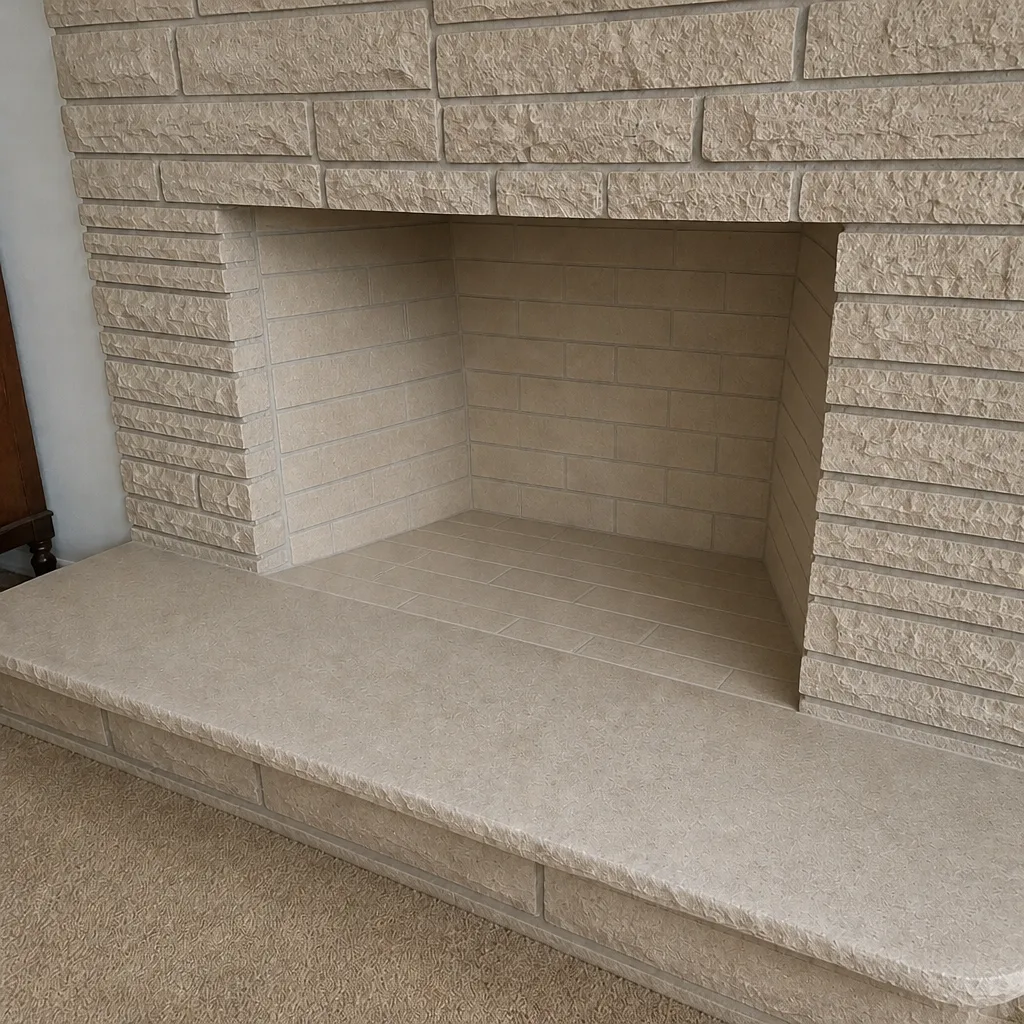
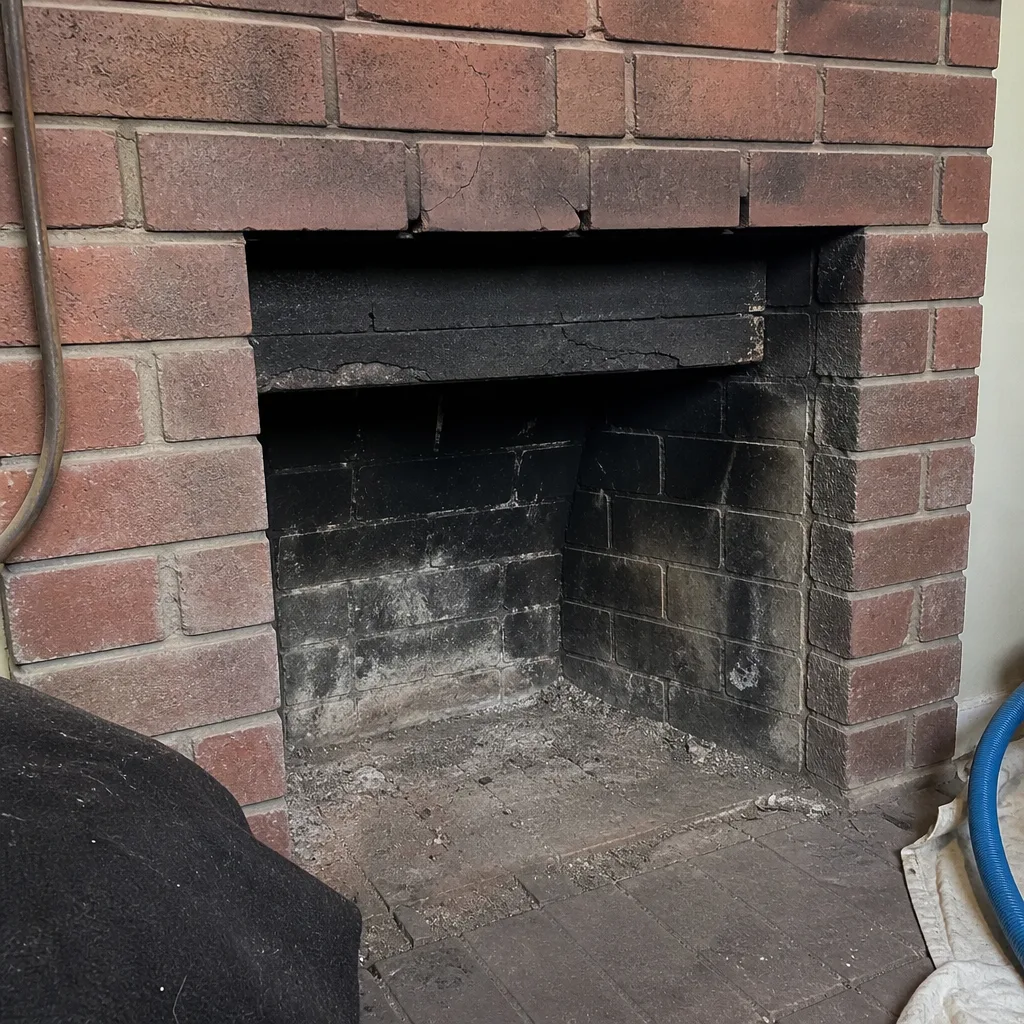
See the difference
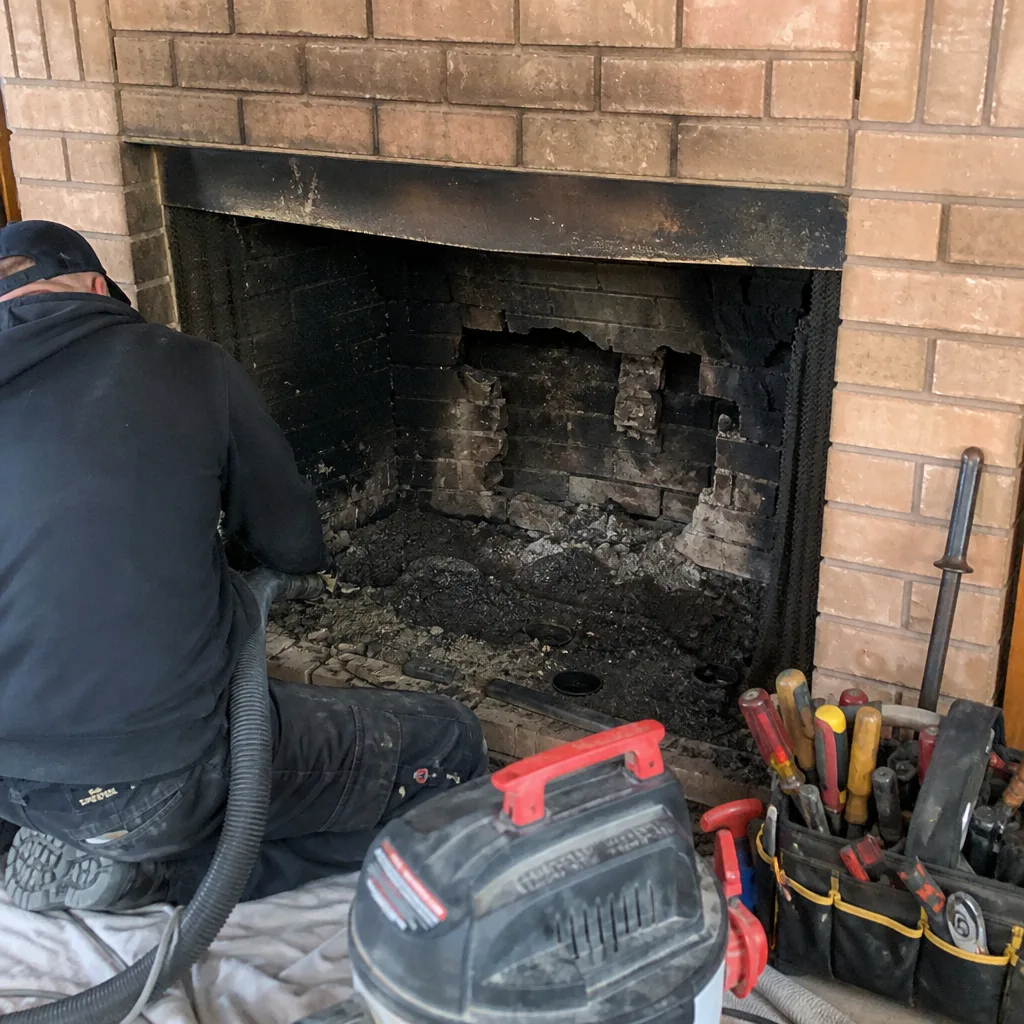 Before
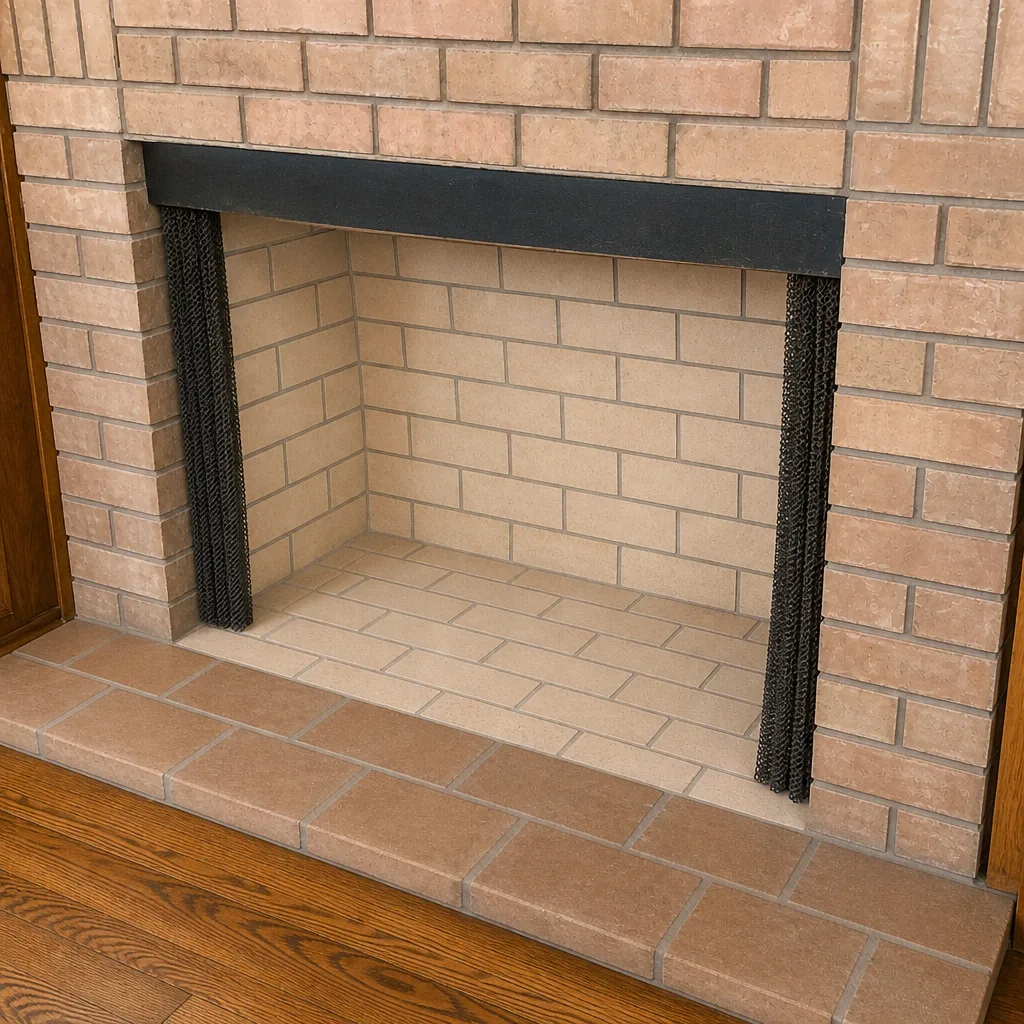 After
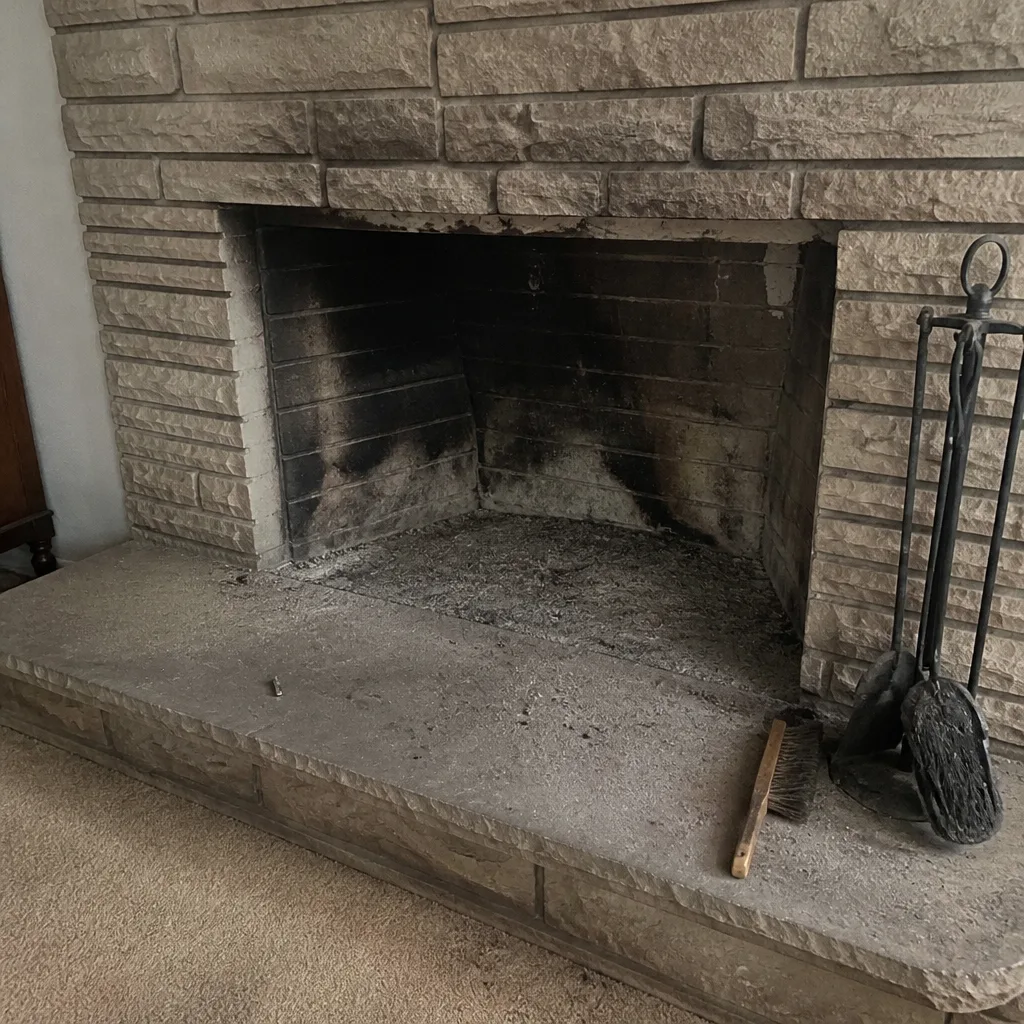 Before
 After
 Before
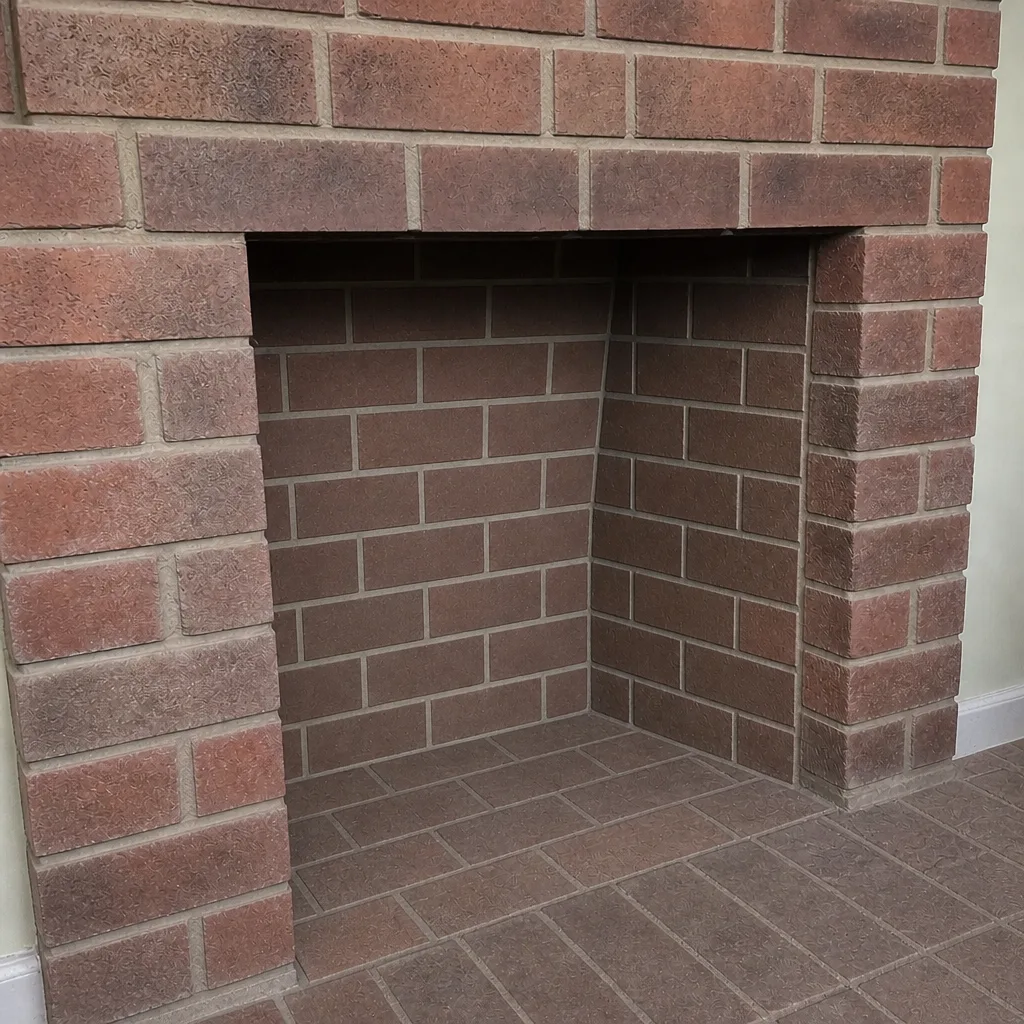 After
When to Call a Professional
Some chimney issues are safe to watch. Others aren’t. Call us if any of the following applies:
- You’ve never had the chimney inspected and you don’t know the condition of the liner.
- You’re planning an insert or stove installation and need to know what the venting will require.
- Your chimney shows a crack through the firebox, a separated flue tile, or a crumbling crown.
- You’re selling a home and need a compliance inspection for the buyer or lender.
- You smell a strong odor from the fireplace even when it’s not in use.
- You’ve had a chimney fire or any event that might have damaged the liner.
Chimney Sweep Buckeye offers free estimates in Buckeye, and we’ll tell you plainly which parts of your scope need a city permit and which are routine maintenance. Call (866) 378-9837. We answer 24/7. Fast dispatch from 7am to 7pm, Sunday through Friday.
Frequently Asked Questions
No. Chimney cleaning and routine maintenance in Buckeye don’t require a building permit. Sweeping, Level 1 and Level 2 inspections, cap replacement, and minor masonry maintenance all fall outside the permit process. Repairs that change the flue construction, replace the firebox, or install a new appliance do need a City of Buckeye permit. Call (866) 378-9837 for an exact quote on a cleaning – estimates are free.
Relining a flue, replacing a firebox, altering the chimney structure, installing a new stove or insert and its venting, and removing a chimney all typically require a City of Buckeye building permit. Routine maintenance like sweeping, cap replacement, and repointing don’t. When the scope is unclear, call the city’s building department and describe the work before you book it. Call (866) 378-9837 to get an inspection that establishes the scope first – estimates are free.
A maintenance inspection checks the chimney’s condition for safety and performance. A code compliance inspection grades the chimney against current code and NFPA 211, usually during a home sale or appliance change. Both use camera inspection and produce a photo report, but the paperwork and purpose are different. Call (866) 378-9837 to book the right inspection for your situation – estimates are free.
Not automatically. An original masonry chimney that predates current code can remain in use if it’s safe and isn’t being substantially altered. The grandfather protection ends when you reline the flue, install a new appliance, or change the chimney’s structure. Get a camera inspection first so you know exactly what applies to your chimney. Call (866) 378-9837 to schedule one – estimates are free.
Heat, dry air, and summer monsoon moisture age chimney crowns, mortar joints, and flue tile faster here than in milder climates. Crown cracks and liner tile separation are the two most common conditions we see that turn a routine cleaning into a permitted repair. An annual camera inspection catches those conditions before they cross that line. Call (866) 378-9837 to book one – estimates are free.
Skipping the inspection means you don’t know the condition of the liner, firebox, or clearances. A cleaning removes what’s inside the flue; it doesn’t confirm that the flue itself is sound. If a crack is present, cleaning won’t fix it and may not surface it. The risk is a chimney that looks and smells clean but isn’t safe to use. Call (866) 378-9837 to schedule a proper inspection – estimates are free.
The Bottom Line
Chimney cleaning needs no permit in Buckeye. Chimney repairs often do, and the gap between those two facts is where projects go wrong. Get a camera inspection before any repair decision, let the inspection evidence drive the scope, and confirm permit requirements with the City of Buckeye before work begins. If your home has an older masonry chimney, don’t assume a grandfather clause covers a reline or an appliance change – it doesn’t. The Arizona Residential Code and NFPA 211 together set the standard your local inspector checks against. Work with a chimney specialist who carries the professional-grade materials that pass that inspection, and you’ll never be caught off guard by a permit request you didn’t see coming.
Chimney Sweep Buckeye sweeps, inspects, and repairs – start to finish, one team. Built on the brands the chimney industry trusts: DuraFlex, HeatShield, Olympia Chimney, Gelco, Famco, and Copperfield. Call (866) 378-9837 for a free estimate. We answer 24/7. Fast dispatch from 7am to 7pm, Sunday through Friday.
Written by the team at Chimney Sweep Buckeye.