
Last updated November 15, 2026
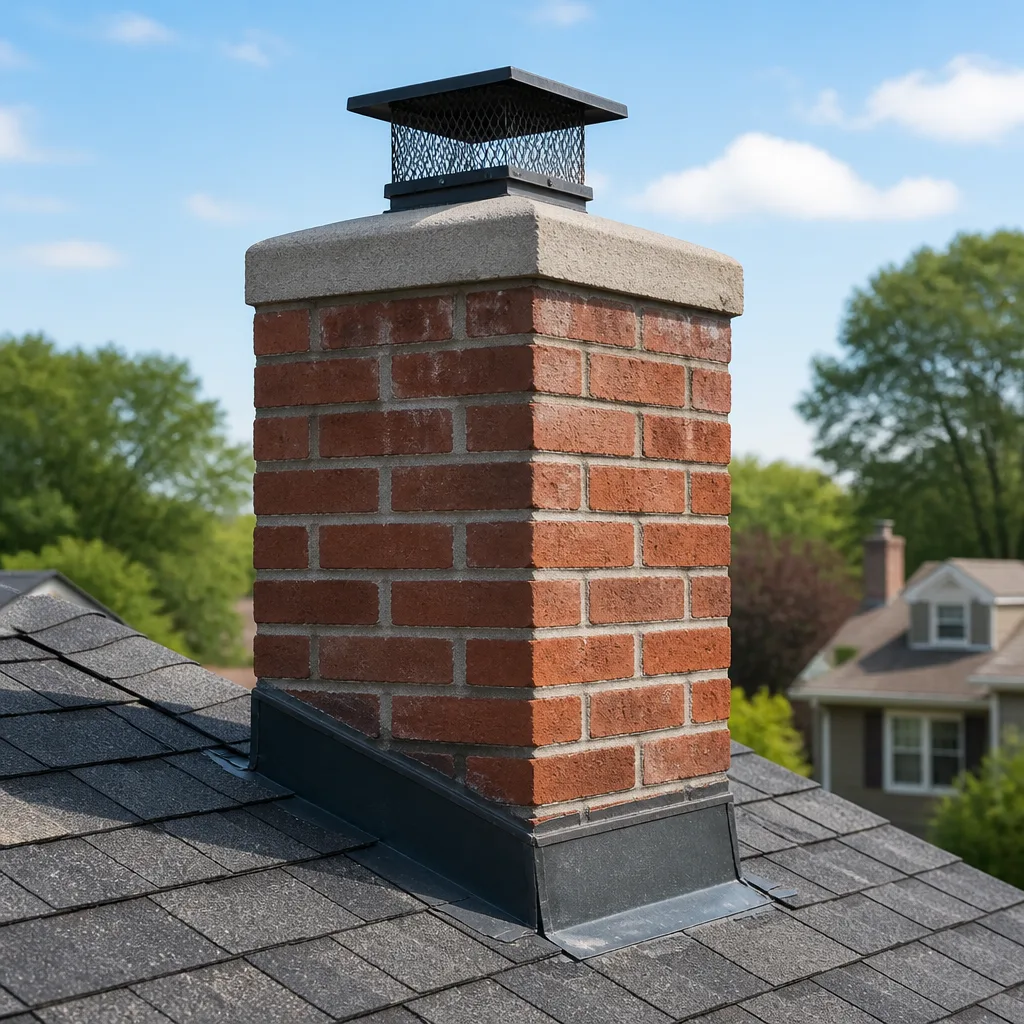 Sweep & inspection
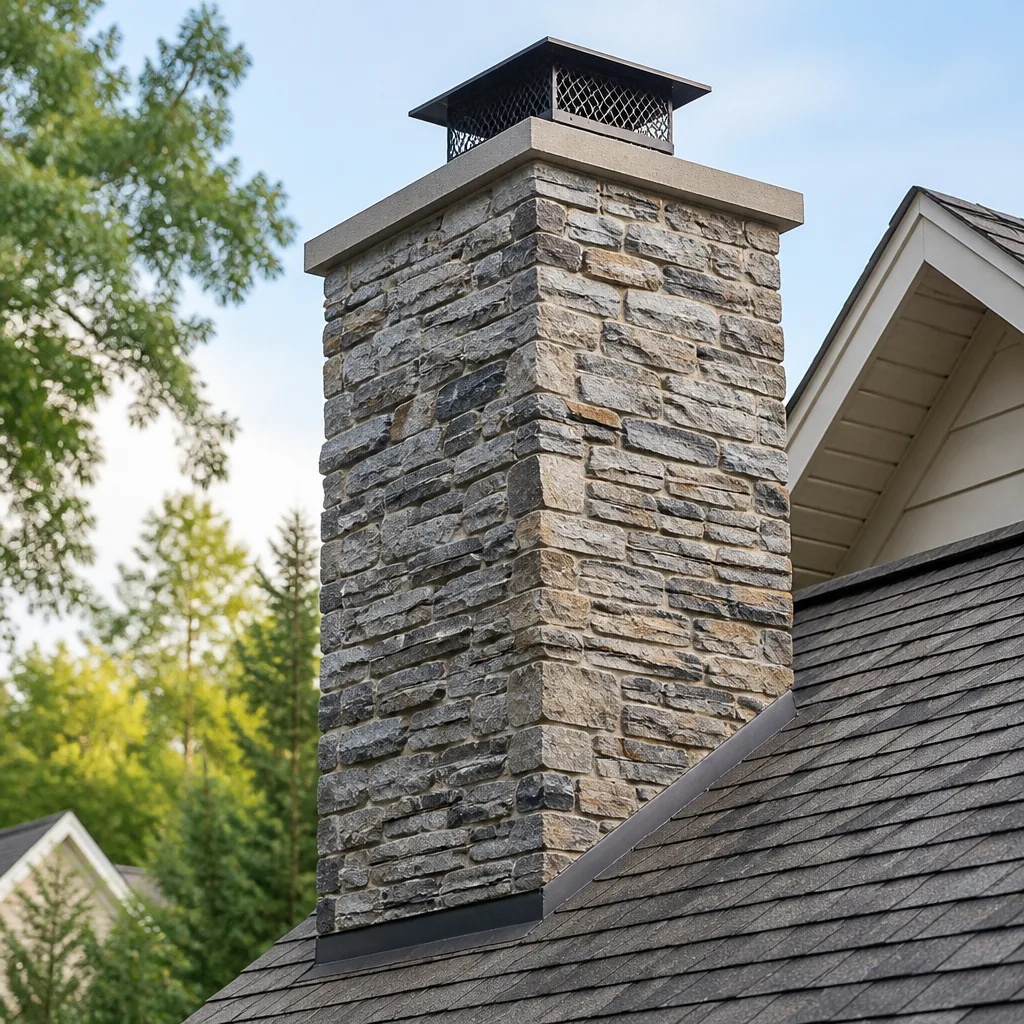 Caps & crowns
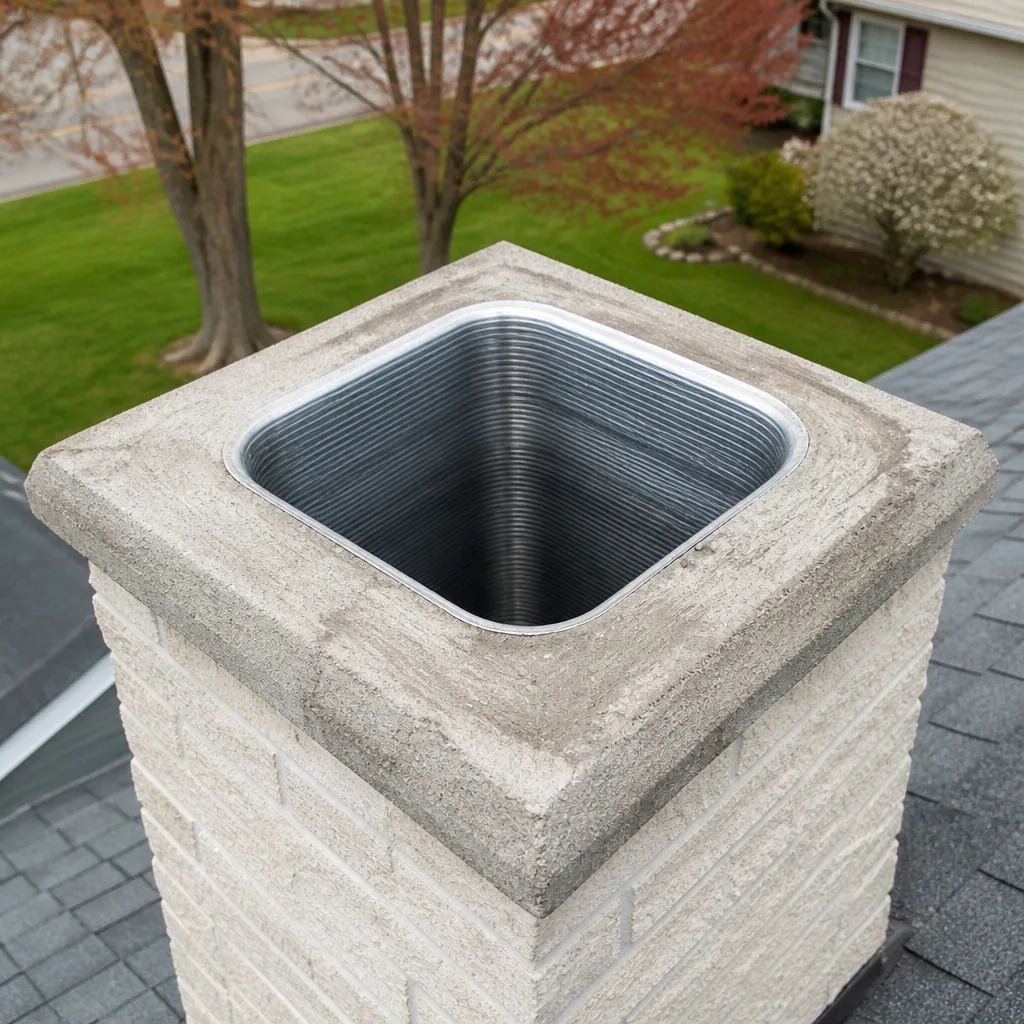 Flue relining
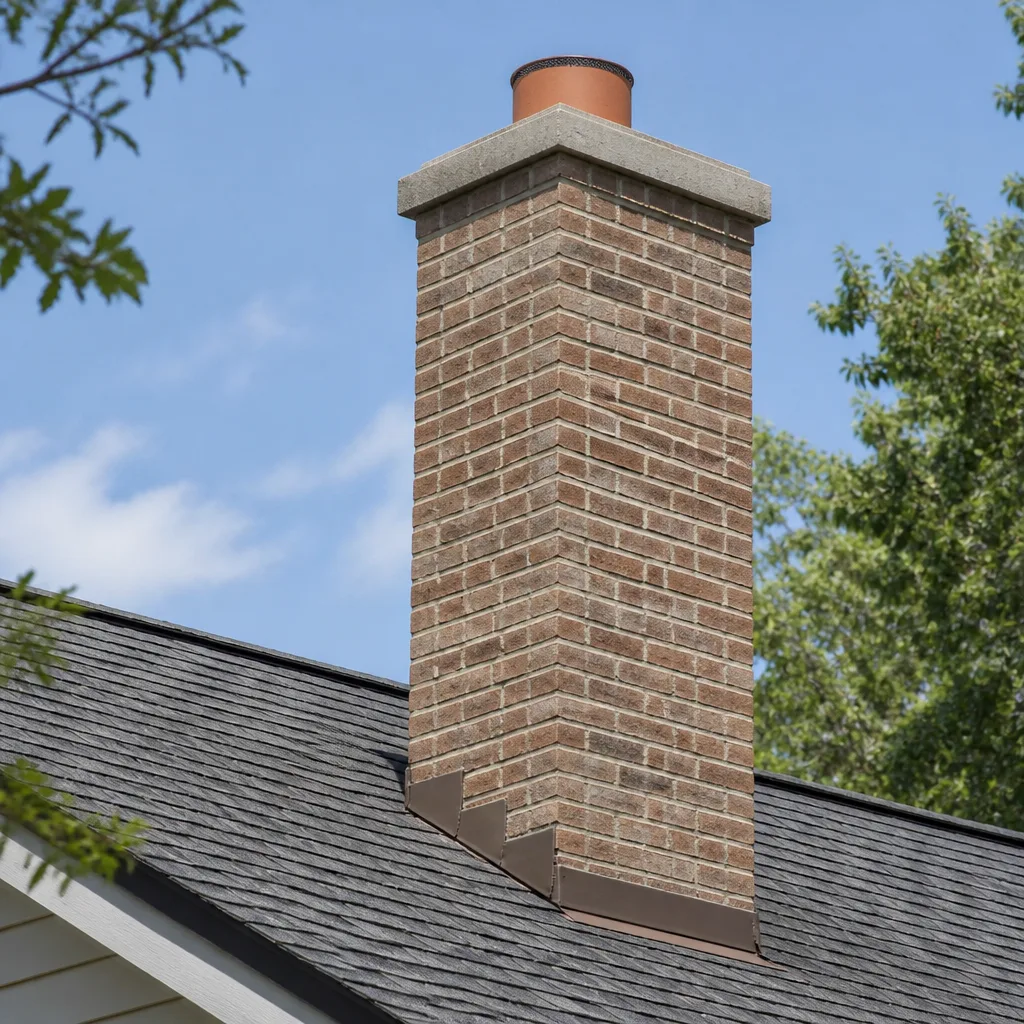 Masonry repair
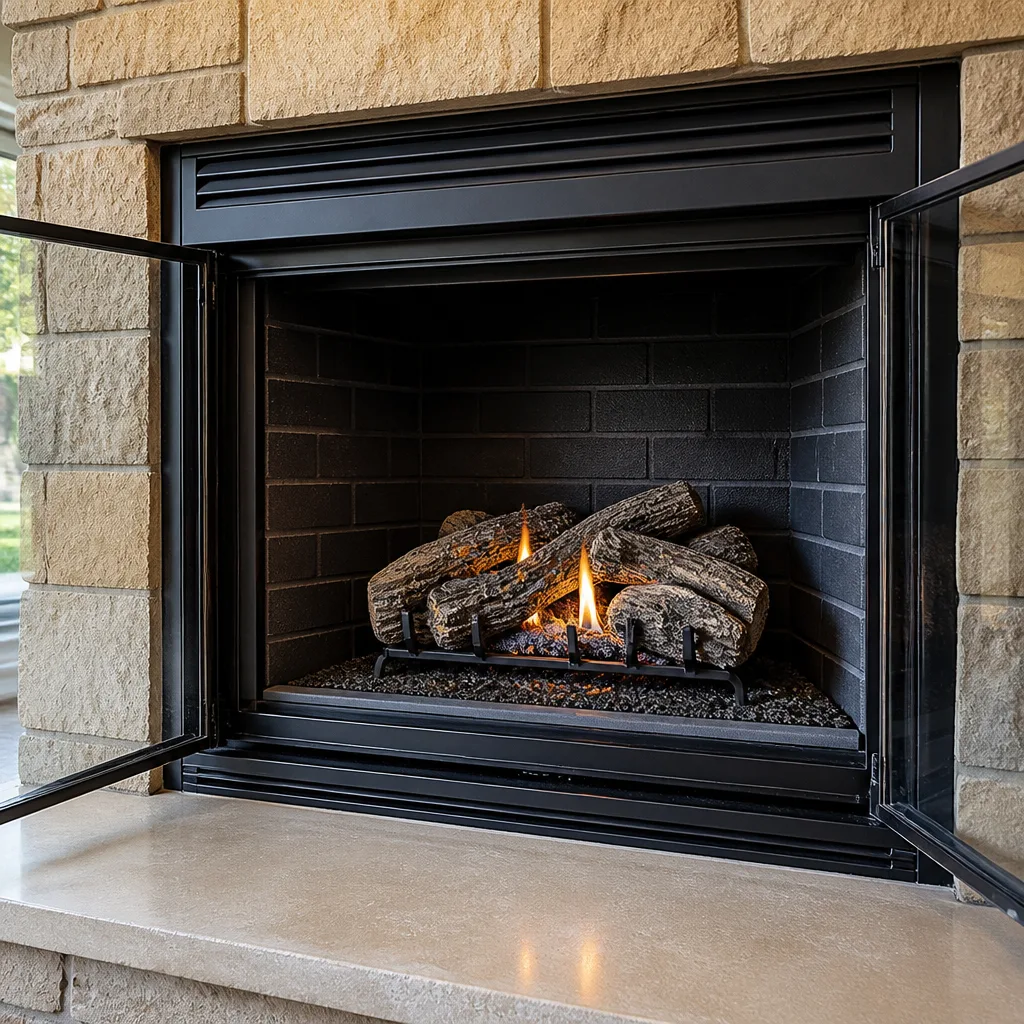 Gas fireplace service
Level 1 sweep and inspection to the NFPA 211 annual standard - flue, crown, cap, and flashing checked and photographed
Chimney sweep logs do not sweep chimneys. They loosen some creosote - which then falls where a brush and vacuum still have to collect it.
Chimney Cleaning Emergency Preparedness Guide for Buckeye Homes
The most common chimney emergency in Buckeye doesn’t start with flames. It starts with a bird, a blocked flue, and a carbon monoxide detector screaming at 2 a.m. Most homeowners expect a chimney crisis to look like a fire in the fireplace. In practice, the problems we get called about here are quieter and stranger: a nest packed into the flue, a cap torn off by a monsoon storm, a gas insert that suddenly won’t draft right. None of those announce themselves as chimney problems, and that’s exactly why they catch people off guard. This guide walks you through the three emergencies most likely to hit a Buckeye home, what to do before you call anyone, and how to set yourself up before burn season so a scare stays a scare.
Quick Answer
The three most likely chimney emergencies in Buckeye are animal intrusion and flue blockage, cap failure after a haboob or monsoon storm, and backdraft from a gas appliance venting into the home. For any of them, shut the appliance down, get people and pets to fresh air, and call 911 first if there’s a CO alarm, smoke in the living space, or anyone feeling sick. A chimney professional handles the rest: clearing the blockage, replacing the cap, or checking the venting and flue.
Styles & brands we work with
- Sweep & inspection
- Caps & crowns
- Flue relining
- Masonry repair
- Gas fireplace service
Table of Contents
- The Three Chimney Emergencies Buckeye Homeowners Actually Face
- Animal Intrusion and a Blocked Flue: What to Do First
- Storm-Damaged Caps and the Haboob Problem
- Gas Fireplace and Insert Backdraft: Shutting Down Safely
- When to Call 911 vs. a Chimney Professional
- Pre-Season Emergency Prep for Buckeye Homes
- What to Tell Your Chimney Professional After an Emergency
- Common Mistakes to Avoid
The Three Chimney Emergencies Buckeye Homeowners Actually Face
Ranked by how often we actually see them, the chimney emergencies in Buckeye fall into three groups. Animal intrusion leads the list. Our climate is mild enough that birds, squirrels, and the occasional raccoon treat an uncapped flue as prime real estate, and once they’ve nested inside, the flue is blocked until someone clears it. Storm damage comes second. The haboob and monsoon season can drop a cap or loosen a top plate in a single afternoon, and the homeowner often doesn’t notice until the next fire produces smoke in the room. Gas backdraft is third by frequency but first by danger. A gas insert or fireplace that vents poorly, or a flue shared with an appliance and no longer drawing correctly, can spill combustion byproducts into the living space with no fire, no smoke smell, and no obvious chimney symptom.
Notice what’s missing: chimney fires. They happen, and they’re serious, but in our experience they’re not the typical emergency call in this part of the Valley. The reason matters. Most homes here that burn wood do it for ambience on cool winter evenings, not as a primary heat source, so the heavy creosote buildup that drives fires in colder climates takes longer to develop. That’s a relief, not a pass. Creosote still accumulates, and a chimney with restricted airflow from a partial blockage or a cracked flue is a fire risk regardless of how often you burn. Our technicians have up to 15 years of experience, and the pattern holds: emergencies here tend to come from outside the firebox, not inside it.
Why the list looks different here
- Year-round wildlife: A warm climate means nesting and denning seasons that stretch longer than homeowners expect, so an uncapped flue is never “safe for the season.”
- Dust-storm season: Haboobs and monsoon winds test every cap and top mount on the roof. A cap that survived last year’s storms isn’t guaranteed to survive this year’s.
- Gas appliances that vent through the chimney: Plenty of Buckeye homes have gas fireplaces or a furnace flue sharing the masonry. A venting failure there is a CO risk, not a smoke risk, so the usual “does it smell like smoke?” check tells you nothing.
The practical takeaway for a homeowner in Buckeye: prep for animals and storm damage first, but treat any gas appliance on the chimney with the same seriousness you’d give a fire. The sections below go through each scenario step by step.
Animal Intrusion and a Blocked Flue: What to Do First
If you hear scratching, flapping, or chirping in the chimney, don’t build a fire. That’s the single most important rule here. Animal nests are combustible, and a nest packed into the flue restricts the draft at the same time it’s sitting right where heat and embers go. A fire lit into a blocked flue doesn’t vent; it backs smoke and carbon monoxide into the room, and a combustible nest in the flue is a fire hazard on its own.
Here’s how a typical animal blockage plays out in a Buckeye home, and what to do before you call anyone:
- Keep the damper closed. If the animal is in the firebox or you hear it in the flue, close the damper to keep it from getting into the living space.
- Open a window in the room and stay clear. Don’t reach into the firebox or try to grab the animal yourself. Squirrels and raccoons bite, and a frightened bird in a firebox will spread soot everywhere.
- Don’t try to smoke it out or set a fire to “flush” it. This is where people cause real harm, either to themselves or to the house.
- Call a chimney professional to inspect and clear the flue. We use a camera inspection to see exactly what’s in there and where the nest or blockage sits, and we can photo-document it so you see what we see.
- Install a cap once the flue is clear. Clearing without capping just invites the next animal in. A cap from Famco or Gelco closes the flue to wildlife and rain at the same time.
If you smell something dead and can’t locate the source, a blockage is still the likely answer: a bird or squirrel trapped and died in the flue, and the smell is the tip-off. Don’t light a fire to “burn it out.” Call for a sweep and inspection and let the specialist clear it. If you’re not sure what’s up there, the safe move is a same-day sweep through our chimney sweep service, which includes the camera check and the photo report.
To keep this from happening again, ask about a cap during your next sweep. It’s the single most effective piece of prep for the animal-intrusion scenario, and it also blocks rain and debris, so it solves more than one problem at once.
Storm-Damaged Caps and the Haboob Problem
After a haboob or a strong monsoon, inspect the chimney from the ground before you burn. You can do this with binoculars from the yard. What you’re looking for: a cap that’s visibly missing, tilted, dented, or hanging from one fastening point, and any visible crack in the crown or the masonry around the top. A cap that survived last season’s storms isn’t guaranteed to survive this season’s, and a dropped cap is both a safety problem and a rain problem. It can fall partway into the flue and restrict draft, or come off entirely and leave the flue open to weather and wildlife.
Storm-damaged caps are one of the most common calls we get from Buckeye homeowners after a weather event. Here’s the decision tree:
- Cap missing or hanging loose: Don’t burn. A loose cap can fall during a fire, and it’s already letting water into the flue. Schedule a repair.
- Cap bent or dented but still attached: Don’t burn until it’s checked. A dented cap can block the smoke path even if it looks mostly fine from the ground.
- Crown or masonry visibly cracked: Water intrusion is the concern here, not just the cap. That’s a repair job, and it’s the kind of thing that gets worse through the rainy season, not better.
- Cap fine, masonry fine: Proceed to a normal pre-season sweep and inspection, but keep the cap on your list to check again after the next storm.
This is where a protection-first approach pays off. A properly fitted cap from Gelco or Famco does two jobs: it keeps water and wildlife out, and it takes the wind load off the flue’s paper-thin top edge. Between a storm and the next burn, a cap is cheap insurance compared with the water damage a missing one lets in. If your existing cap is old and loose, we can replace it in the same visit as a sweep, which keeps the job on one team rather than two.
Don’t reach up there with a ladder to remove a hanging cap yourself. Roof work at height with an unstable chimney top is how people get hurt. The fix belongs with a professional, and it’s quick once someone’s up there with the right materials.
Gas Fireplace and Insert Backdraft: Shutting Down Safely
If you suspect a venting problem on a gas fireplace or insert, shut the gas off immediately and get everyone outside. That’s the short version. The longer version is a step-by-step you can walk through safely, and it’s worth reading now, before you need it. A gas fireplace that doesn’t vent correctly can spill carbon monoxide into the room with no smoke and no smell, and that’s the reason this section exists.
- Shut the gas off at the appliance. Most gas fireplaces and inserts have a gas valve behind or near the unit, often at the lower front panel or in a recess alongside it. Turn the valve handle so it’s perpendicular to the gas line. Some units also have a keyed shutoff on the wall or floor nearby. If you can’t find the valve in a hurry, the gas meter shutoff is the fallback, and that’s the one to look up before an emergency, not during one.
- Open a window and get people and pets outside. Fresh air dilutes the spill, and moving people reduces exposure.
- Don’t use the fireplace or insert again until it’s inspected. No “one more night” and no “we’ll see if it happens again.”
- If anyone feels dizzy, nauseous, or confused, or a CO alarm sounds, call 911 first, then call the gas utility. Do not re-enter until the fire department clears the building.
- Call a chimney professional. We diagnose whether the problem is the flue, the cap, a blockage, or the appliance’s own venting, and we fix the root cause, not just the symptom.
The tricky part about gas backdraft is that the symptoms often point away from the chimney. Headaches, drowsiness, and nausea after an evening by the fire read like a long day or a cold coming on. But the common thread is timing: symptoms that start or worsen when the fireplace runs and ease when you leave the room. If you notice that pattern, treat it as a venting problem and shut the appliance off. A low-level CO monitor in the same room as the fireplace is the cheap way to catch it. We can also fit the chimney with a proper cap from Gelco or Famco as part of the fix if the venting problem traces to a missing or wind-damaged top.
When to Call 911 vs. a Chimney Professional
Call 911 first if there’s smoke filling the living space, a fire in the chimney or surrounding structure, a carbon monoxide alarm sounding, or anyone in the home feeling dizzy, confused, or short of breath. Those are life-safety signals, and they don’t wait for a scheduled visit. Call a chimney professional for everything else: animal blockages, a cap that dropped in a storm, a gas appliance that’s misbehaving but with no alarm and no symptoms, or a flue that’s been dormant and needs to be checked before burn season.
The general rule: if the emergency is happening into the room, 911. If it’s contained in the chimney or appliance and no one is in danger, a professional handles it. If you’re not sure which category you’re in, err on the side of 911. Fire and CO are the two things you don’t want to wait on. A blocked flue with a bird in it is annoying and needs a sweep, but it’s not a 911 call. A gas insert that’s been spilling flue gas into the room for weeks is a 911 call the moment you realize what’s happening.
One more distinction that saves homeowners a wasted call: a chimney professional can’t put out a fire and a fire crew doesn’t clean a flue. Don’t call one expecting the other’s job. If the fire department has already been out, get the all-clear from them first, then call us to handle the chimney inspection, the clearing, and the repair before you burn again. That handoff is where a dedicated chimney specialist makes the most difference: we sweep, inspect, and repair the same chimney, so the root cause gets fixed instead of just reported.
Pre-Season Emergency Prep for Buckeye Homes
The best time to prep for a chimney emergency is before burn season starts, when the calendar is on your side. Wait until the first cold night and you’ll be competing with everyone else who suddenly wants a sweep. Here’s the pre-season checklist we walk Buckeye homeowners through, roughly in order of importance:
- Get the chimney inspected and swept before you burn. A sweep and inspection catch the blockage, the creosote, and the cracked flue before they become an emergency. We do both in one visit and photo-document what we find so you can see it yourself.
- Inspect the cap from the ground. Look for a cap that’s loose, dented, missing, or fastening on one side. Schedule a repair or replacement if anything looks off. A cap from Famco or Gelco is the single cheapest insurance against animals, rain, and wind damage.
- Place carbon monoxide detectors deliberately. Put one on each level of the home, plus one in or just outside the room with the fireplace or insert. That’s the placement that catches a spill early, before it’s a 2 a.m. surprise. Test the batteries before burn season, and again midway through it.
- Know where your shutoffs are. Find the gas valve on your fireplace or insert, and the gas meter shutoff outside. Show the household. You don’t want to search for them by flashlight in a genuine emergency.
- Keep a chimney professional’s contact on hand. Save the number before the burn season, not after the scare. Same-day dispatch isn’t the same as an opening.
- Clear the area around the hearth and note any changes in draft. A fire that suddenly smokes when it didn’t last week is a sign of a partial blockage or a cap that’s dropped. Write down when it started so you can tell the technician.
The first sweep is the one that matters most. If the chimney has a nest in it, a partially collapsed cap, or a flue that’s failed, you’ll know before the season, and you’ll have time to fix it properly with the right materials. We use professional-grade materials from the brands chimney specialists rely on, including Chimney Sweep Buckeye hallmark repair products, so the fix holds the way it should.
What to Tell Your Chimney Professional After an Emergency
The details you give the technician after an emergency shape the diagnosis. If the call is “smokes come out of the fireplace,” we start with the cap and the flue. If the call is “there’s a dead animal smell,” we start with blockage. If the call is “the CO alarm went off,” we start with venting and gas appliance checks. The more you can tell us about what happened, the faster we can fix the root cause instead of just restoring function.
Here’s the information that helps most:
- What you saw, heard, or smelled: smoke in the room, a smell of dead animal, soot on the mantel, a flame that looked different, a noise in the flue.
- When it started: during a fire, after a storm, after the gas appliance ran, or suddenly with no clear trigger.
- What the weather did: a haboob, a monsoon, or a windstorm in the last few weeks. That points to a cap or top-plate problem.
- Any CO detector events: whether it went off, whether it’s low-level, and whether anyone had symptoms. This is the difference between a routine call and a plan-out-the-door call.
- What you already know about the chimney: last sweep date, whether it’s ever been relined, and whether the previous owner mentioned a repair. This saves us time on the diagnosis.
- What you want to know: whether the problem needs a fix before the next fire, or whether it can wait. We’ll say plainly when work can safely wait, and we won’t recommend a fix without evidence you can see for yourself on our camera inspection.
When the diagnosis calls for a repair, we use the materials the chimney industry trusts: DuraFlex flexible liner systems for full relining, HeatShield for liner resurfacing, and Copperfield or Olympia Chimney parts where they fit the job. That’s the difference between a sweep that reports a problem and a specialist that can actually fix it. And if the fix is a cap, we use Gelco or Famco, the kind of protection-first product that closes the door on the same emergency coming back.
Common Mistakes to Avoid
- Lighting a fire into a blocked flue. If you hear an animal or a fire smokes when it shouldn’t, don’t build one. The blockage is a fire and CO hazard, and a fire makes it worse.
- Trying to clear the chimney yourself. Drop-cloths, poles, and roof work at height aren’t worth the risk, and you can’t see what you’re doing without a camera. A blocked flue with a live animal in it is worse than a blocked flue.
- Ignoring a CO alarm. A CO alarm going off in the room with a gas fireplace is the emergency to act on, not to silence. Get people outside and call 911, then call us to find the venting problem.
- Skipping the cap. A chimney without a cap is an open door for birds, rain, and wind damage. If you clear a nest and don’t cap the flue, you’ll be clearing the next one before the season ends.
- Burning before a post-storm cap check. After a haboob or a monsoon, look at the cap before the first fire. A cap that survived last year can drop in this one, and a dropped cap in a lit chimney is a different problem.
- Treating a gas fireplace like a wood one. A gas insert that’s venting poorly won’t fill the room with smoke, so the smoke check tells you nothing. Watch for symptoms instead, and keep a CO detector nearby.
- Hiring a generalist for a chimney emergency. A handyman can clear a cap, but a specialist can tell the difference between a cap problem and a venting problem, and fix the one that’s actually wrong. We’re a dedicated chimney company, not a multi-trade contractor, and every technician is focused on chimneys.
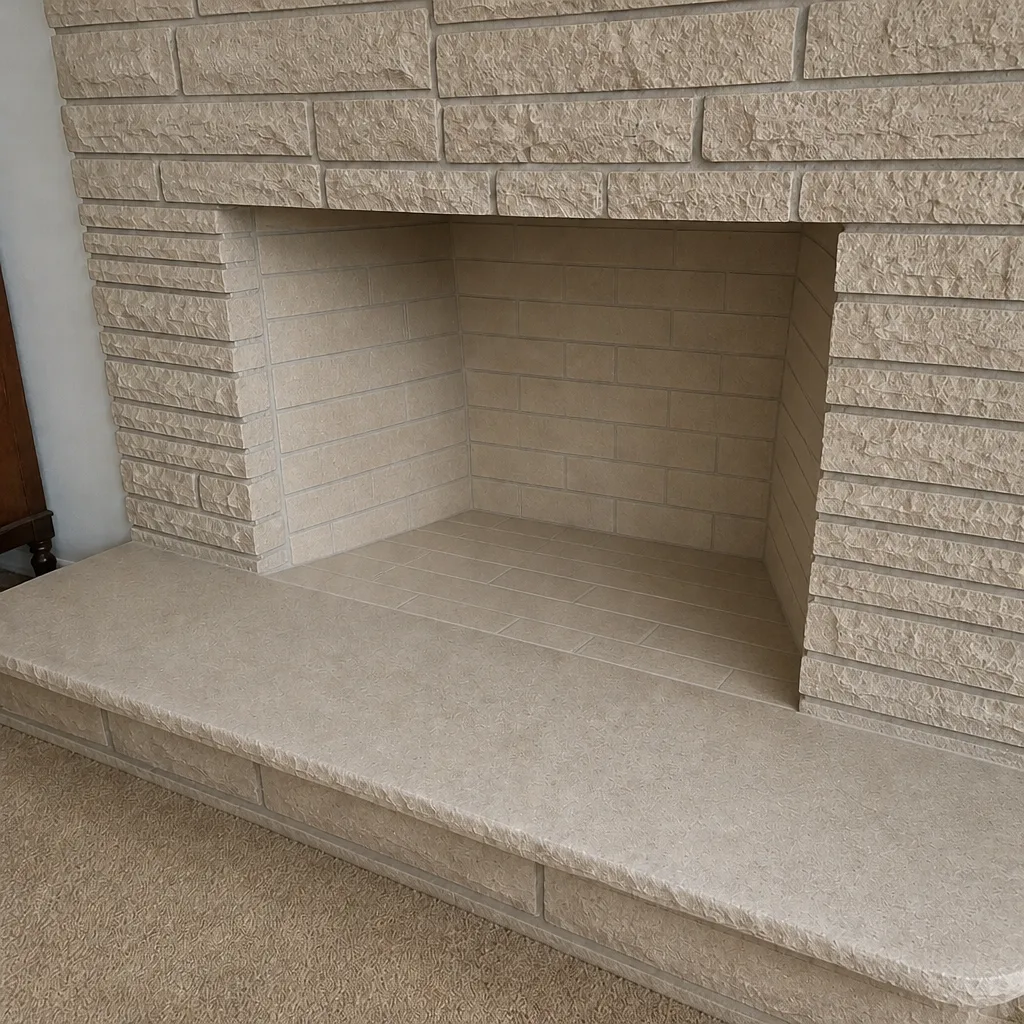
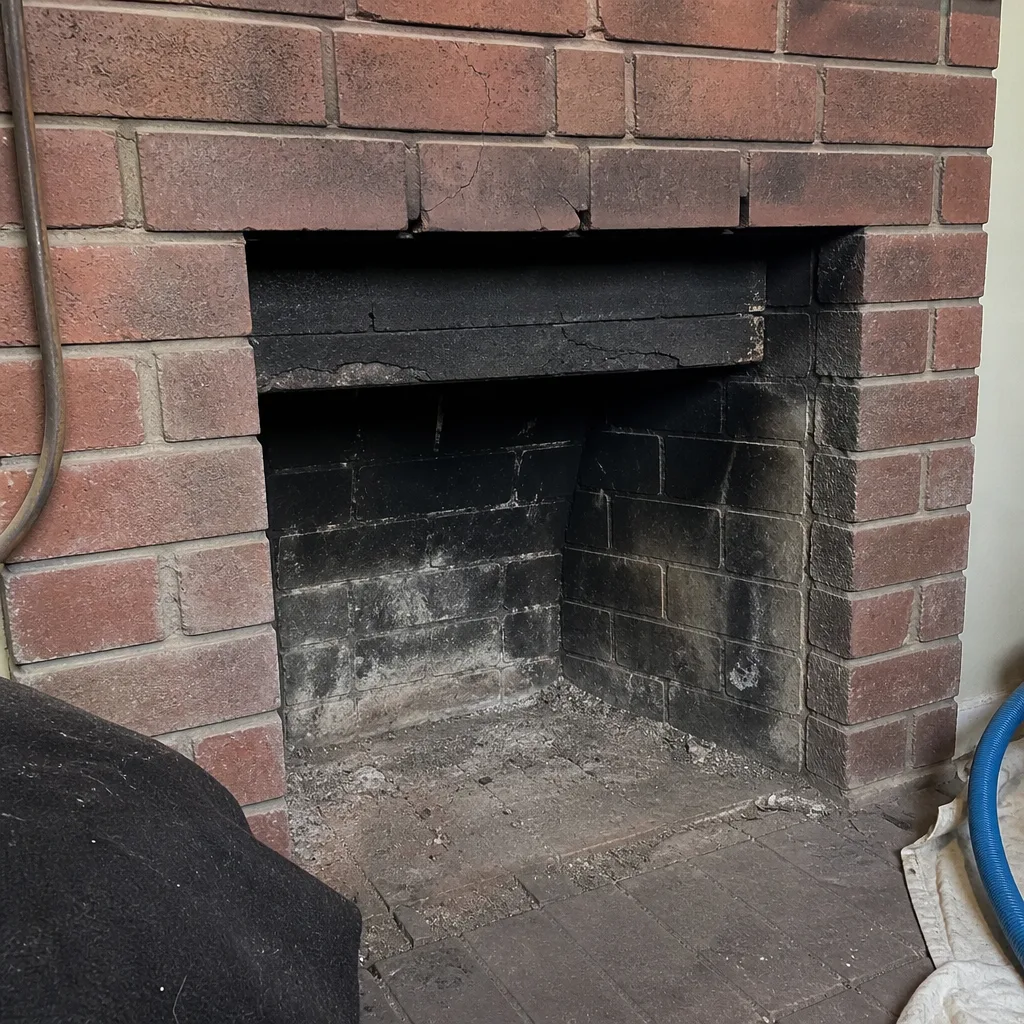
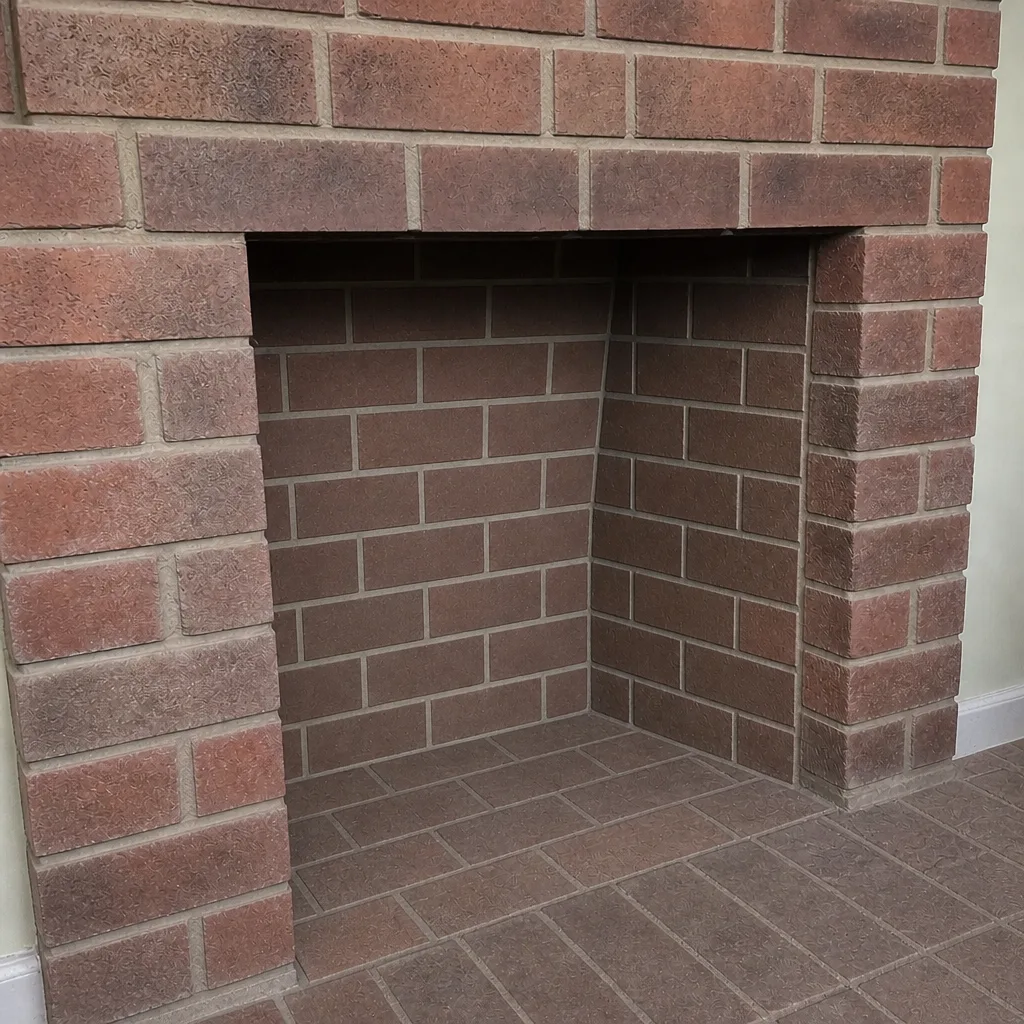
See the difference
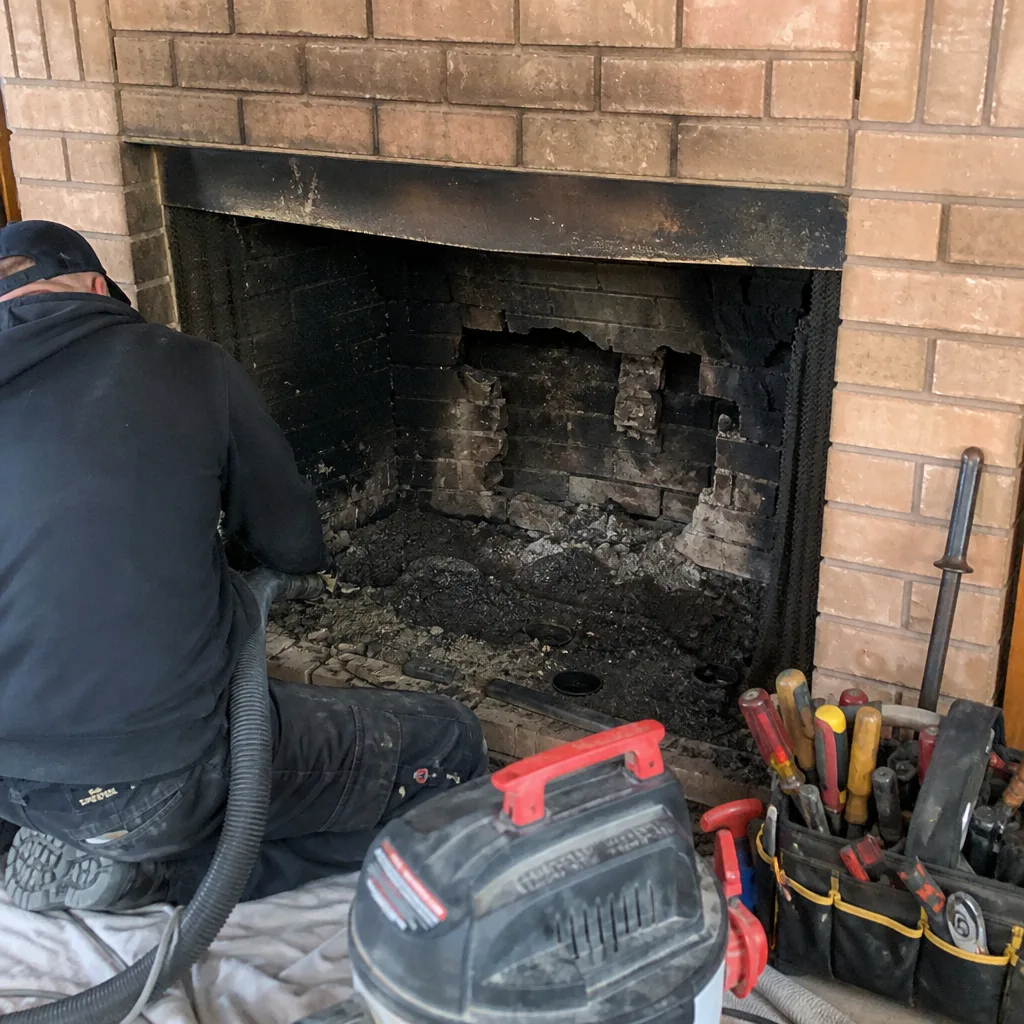 Before
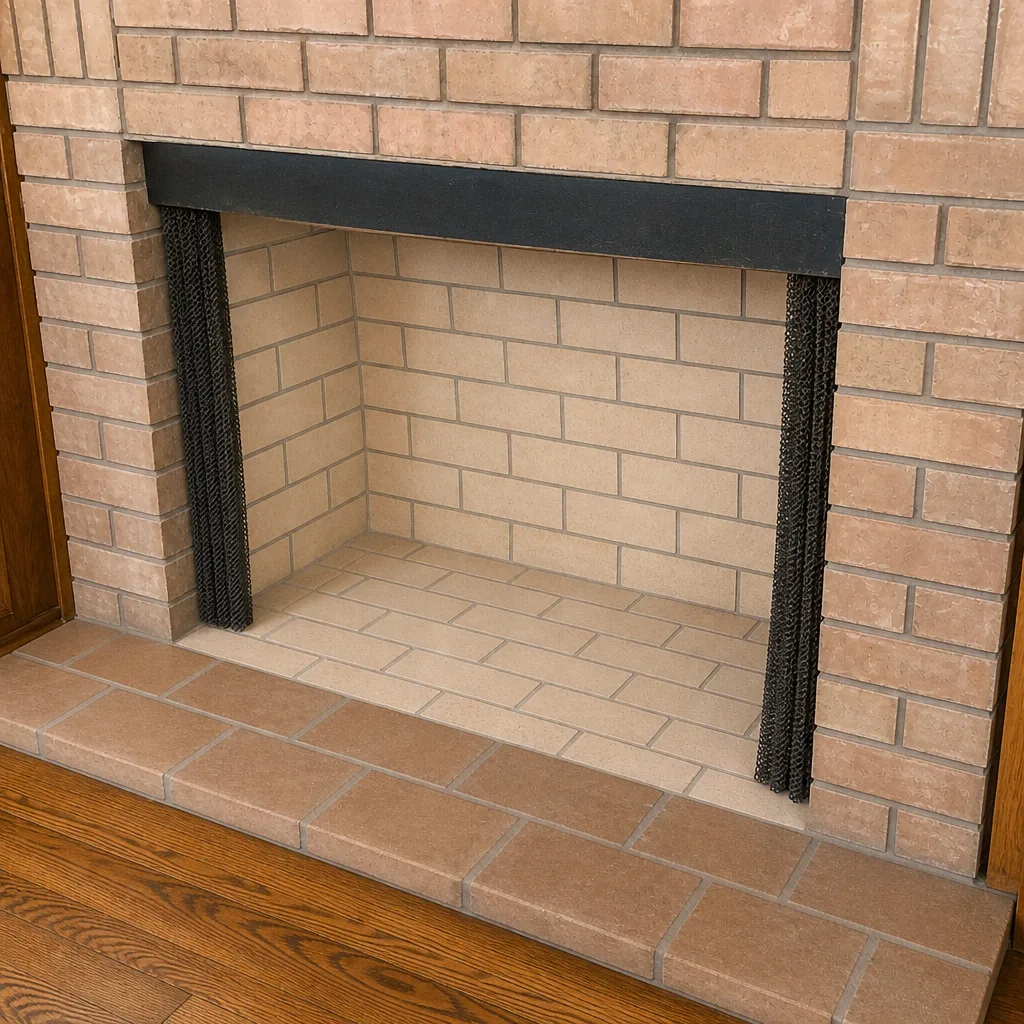 After
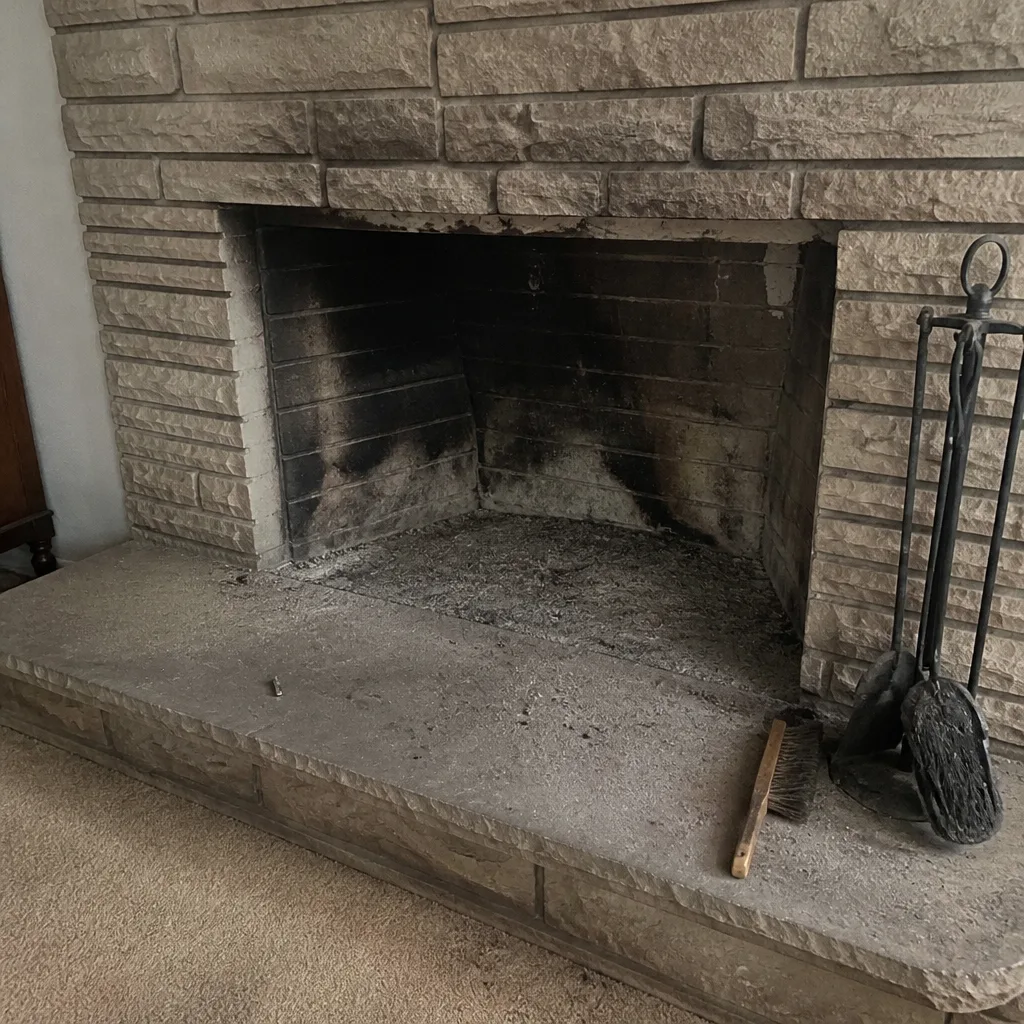 Before
 After
 Before
 After
When to Call a Professional
Call a chimney professional for an animal in the flue, a cap that’s missing or hanging, a gas fireplace that smells or won’t draft, a CO detector that’s been silenced one too many times, or any chimney that hasn’t been inspected in a season or more. Our technicians have up to 15 years of experience, and we handle sweep, inspection, and repair in one visit, so the problem gets fixed rather than reported. If you’re in Buckeye and aren’t sure whether your situation is an emergency, call and ask: we can talk through it and get you onto the schedule. Chimney Sweep Buckeye offers free estimates in Buckeye, and we’ll say plainly when work can safely wait. Call (866) 378-9837. We answer 24/7. Fast dispatch from 7am to 7pm, Sunday through Friday. Same-day repair is available when we have an opening, and nothing is recommended without a camera inspection you can see yourself.
Frequently Asked Questions
Animal intrusion is the most common – a bird, squirrel, or raccoon nesting in an uncapped flue and blocking it. Storm-damaged caps come a close second after haboob and monsoon season, and gas appliance backdraft is third by frequency but the most dangerous. We clear the blockage, replace the cap, or check the venting, depending on what’s actually wrong. Call (866) 378-9837 for a free estimate and same-day availability.
Shut off the gas at the appliance if you can reach it safely, open a window, and get everyone outside. Call 911 first if the alarm sounds or anyone feels dizzy, nauseous, or confused, then call the gas utility. Don’t use the fireplace again until a professional inspects the venting. Call (866) 378-9837 after the fire department clears the building and we’ll diagnose the root cause.
No, and it’s not worth trying. A nested flue is a fire and carbon monoxide hazard, and reaching into a flue to clear an active nest can put you in contact with a frightened animal. A chimney professional clears it with the right tools and a camera inspection so nothing is missed. Call (866) 378-9837 to schedule a sweep and inspection, and we’ll cap the flue afterward so it doesn’t happen again.
Once a year, generally, and particularly before burn season starts. That one visit catches animal blockages, storm-damaged caps, and creosote buildup before any of them becomes an emergency, and it gives you a photo report of what’s up there. If your chimney hasn’t been looked at this season, book a sweep and inspection before the first fire. Call (866) 378-9837 for availability.
If your cap is missing, dented, or hanging from one fastener, you need one – that’s not a sales pitch, it’s the cheapest protection a Buckeye chimney can get against animals, rain, and wind damage. A cap from Famco or Gelco closes off the two most common emergencies in one part, and it’s part of our normal service, not an add-on. Call (866) 378-9837 and we’ll tell you honestly whether yours needs replacing.
Skipping the inspection means the blockage, the loose cap, or the failing flue is still there on the first cold night, when everyone else is calling too. The emergencies above are the ones that start small and get worse with a fire in the box. A pre-season sweep, inspection, and repair with the right materials is the difference between a quiet season and a 2 a.m. CO alarm. Call (866) 378-9837 for a free estimate on a chimney repair or a routine sweep.
The Bottom Line
Chimney emergencies in Buckeye usually aren’t fires. They’re animals in an uncapped flue, a cap torn off by a storm, or a gas appliance that’s been spilling CO into the room. Know the three scenarios, keep a CO detector near the fireplace, find your shutoff valves before you need them, and get the chimney swept and inspected before burn season, not after. If you can’t tell whether you’re in a 911 situation or a call-us situation, call 911. Then call us to fix the root cause with materials the industry trusts. Chimney Sweep Buckeye offers free estimates in Buckeye. Call (866) 378-9837. We answer 24/7. Fast dispatch from 7am to 7pm, Sunday through Friday.
Written by the team at Chimney Sweep Buckeye.