
Last updated November 15, 2026
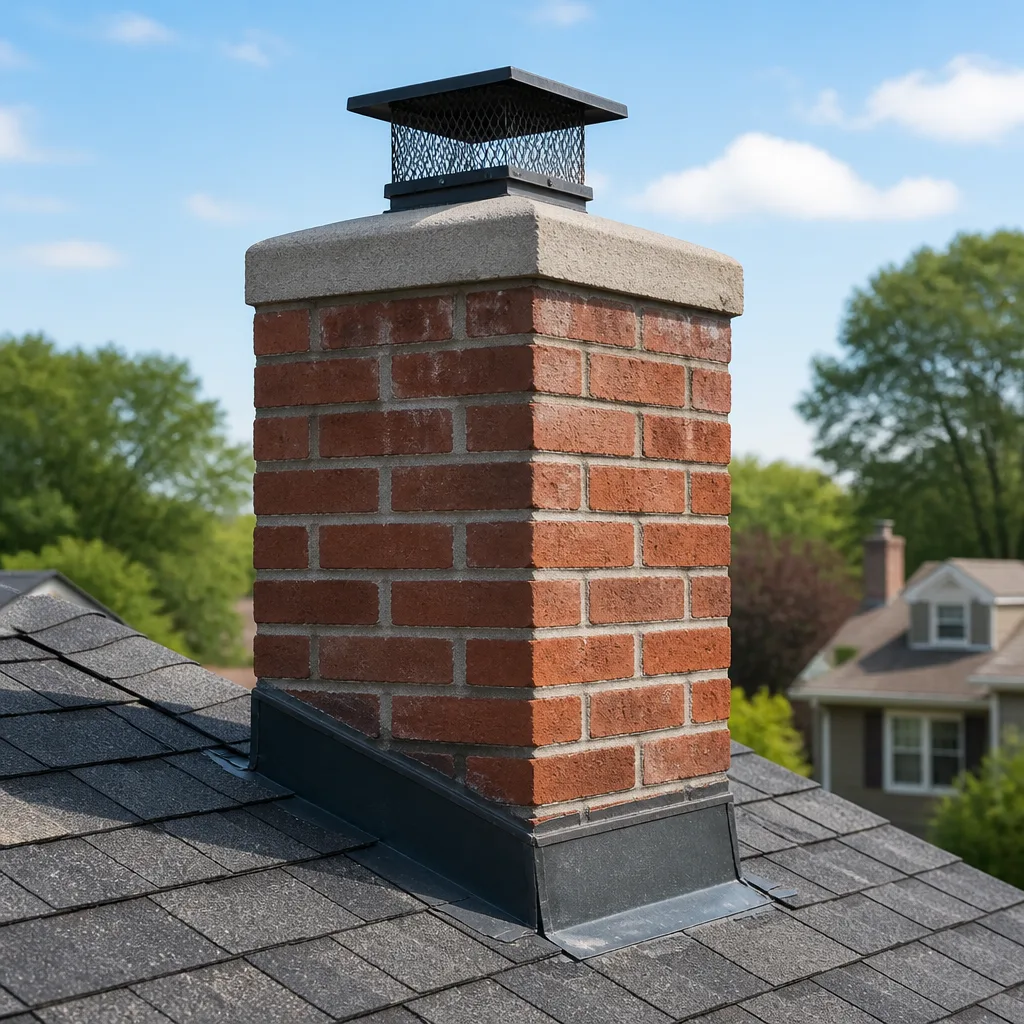 Sweep & inspection
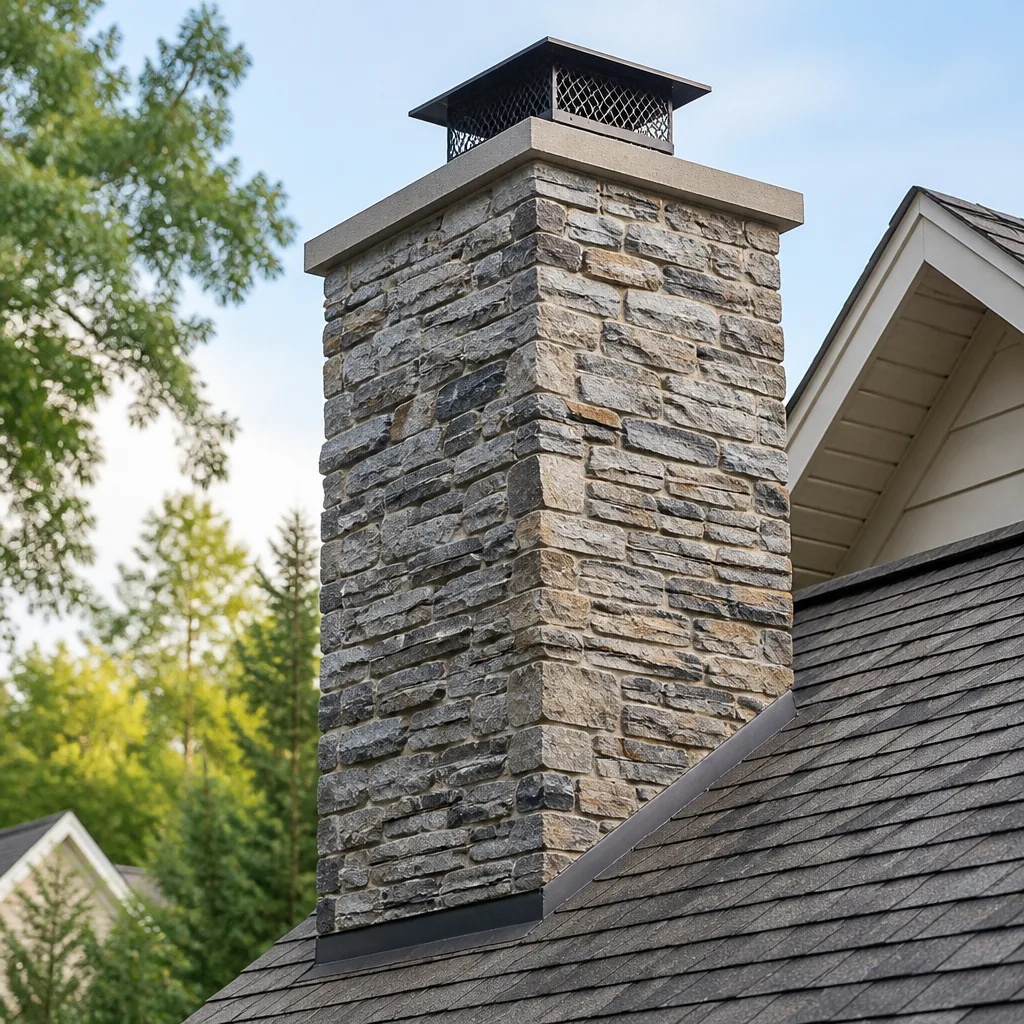 Caps & crowns
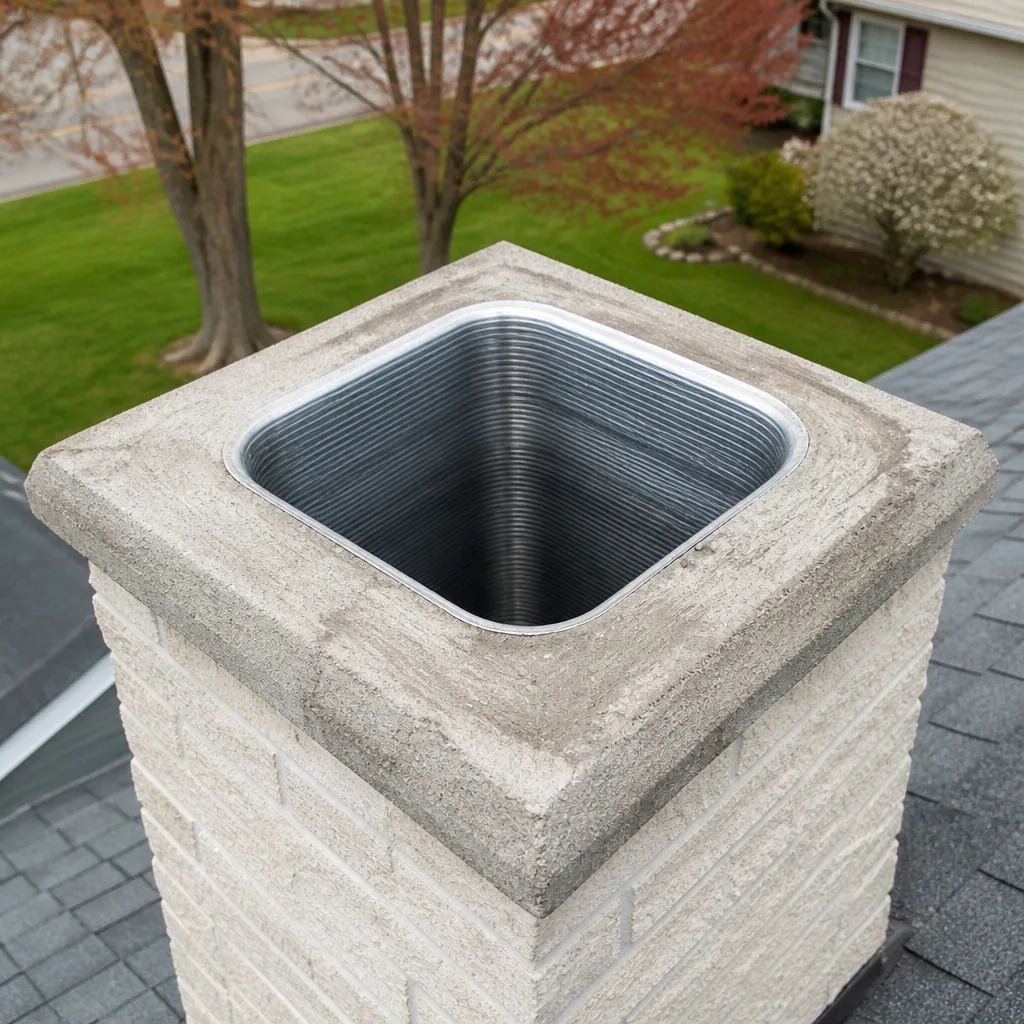 Flue relining
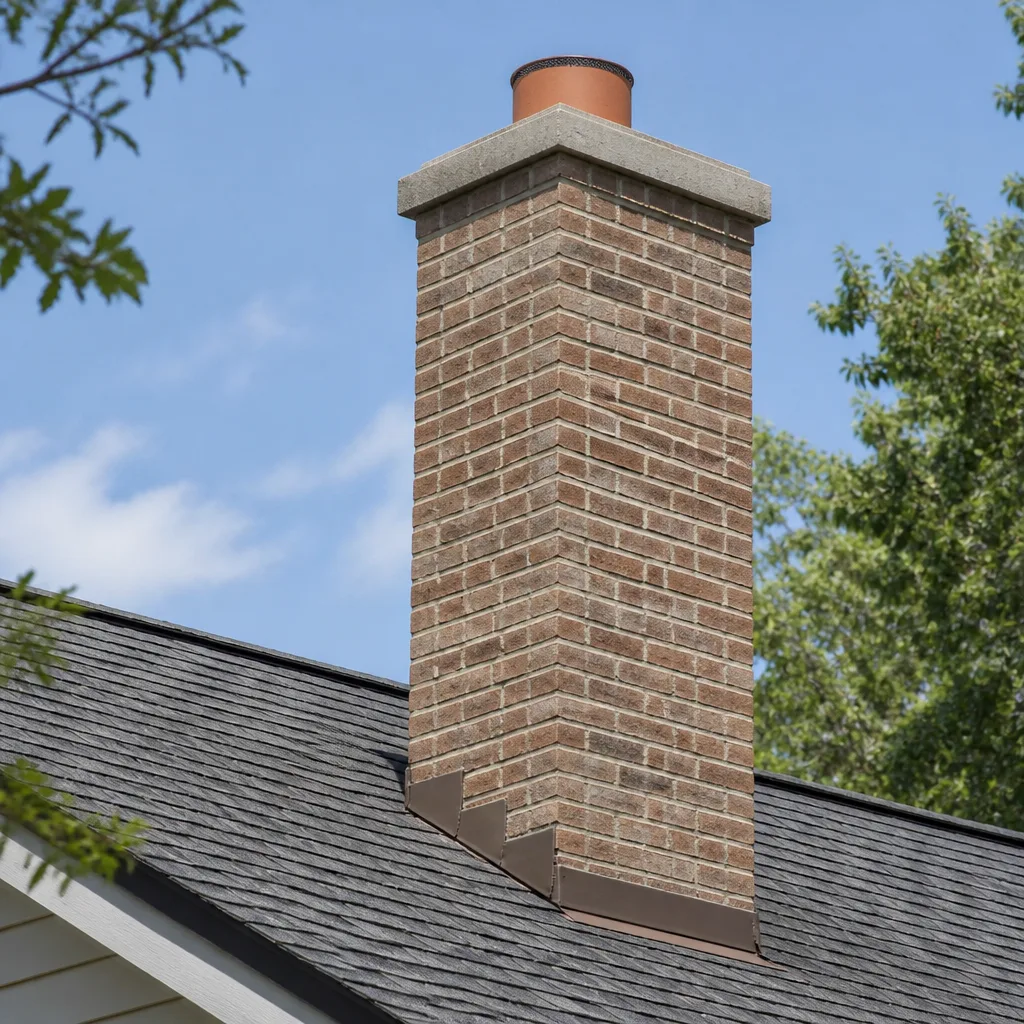 Masonry repair
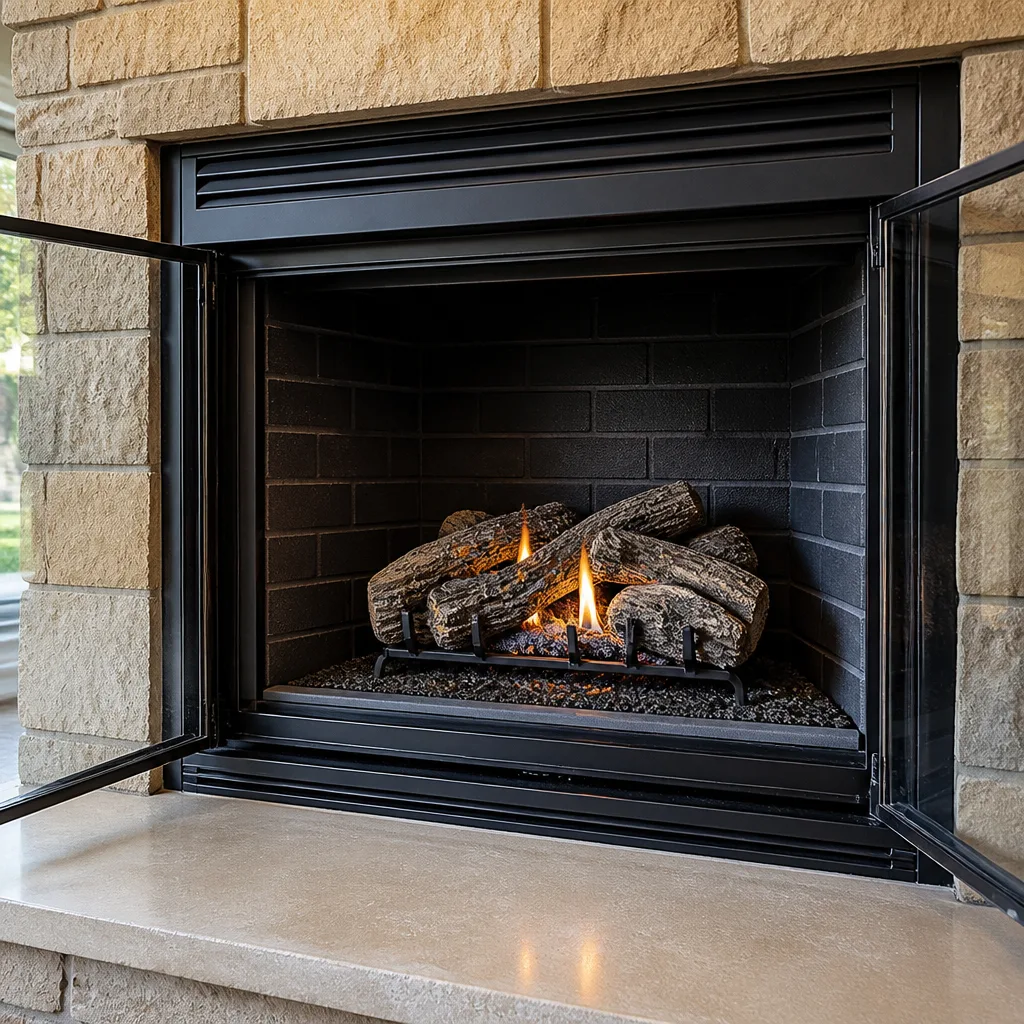 Gas fireplace service
Level 1 sweep and inspection to the NFPA 211 annual standard - flue, crown, cap, and flashing checked and photographed
Chimney sweep logs do not sweep chimneys. They loosen some creosote - which then falls where a brush and vacuum still have to collect it.
Chimney Cleaning Cost Breakdown: The Buckeye Homeowner’s Reference for 2026
Two chimney sweep quotes in Buckeye can sit $150 apart and both be perfectly reasonable. One includes the inspection, the camera look, the cap handling, and a report you can hand to a buyer. The other is a cleaning and nothing else, with every other line item billed later. Most homeowners compare the bottom-line number and never see the difference, which is exactly how a lowball quote wins a job it shouldn’t. This guide walks through what a chimney cleaning in Buckeye actually costs in 2026, what drives the number up or down, what a quote should include, and how to read one line by line so you can tell a fair price from a stripped one. We’ll also cover repair cost benchmarks and how to budget for your chimney across several years.
Quick Answer
A standard chimney sweep in Buckeye typically costs $150 to $350 for a wood-burning fireplace or insert, and most homes land in the $200 to $275 range. That estimate should include a Level 1 inspection and a photo report, not just the brush. Add $75 to $150 if a camera inspection is needed, and expect repair work like liner resurfacing or a new cap to be quoted separately. The written estimate you receive sets the final price.
Styles & brands we work with
- Sweep & inspection
- Caps & crowns
- Flue relining
- Masonry repair
- Gas fireplace service
Table of Contents
- What a Standard Chimney Sweep in Buckeye Actually Includes
- What Drives the Cost Up or Down in Buckeye
- Repair Cost Benchmarks: Liner, Crown, Damper, Cap
- Why the Cheapest Quote Often Skips the Inspection
- How to Read a Chimney Sweep Quote Line by Line
- Building a Multi-Year Chimney Budget
- Common Mistakes to Avoid
- When to Call a Professional
What a Standard Chimney Sweep in Buckeye Actually Includes
A standard sweep should cover three things in one visit: the physical cleaning of the flue, a Level 1 visual inspection of the firebox, flue, and accessible chimney exterior, and some form of documentation of what was found. In our experience, the documentation is the piece homeowners forget to ask about and later wish they had. It’s also the piece a budget quote tends to drop.
Here’s what a fair sweep includes, and what some companies bill separately:
- Included in a fair quote: flue brushing, firebox cleaning, damper check, smoke chamber visual, cap and spark screen check, and a written or photo record of condition.
- Often billed separately: camera inspection (video scan of the flue interior), cap removal and reinstallation if the cap needs to come off for access, and creosote-stage classification with written notes.
- Rarely included at all: a repair estimate for anything found. Ask for one in writing before the technician leaves.
The gap between “cleaning” and “cleaning plus inspection” is where most price confusion starts. A company quoting $150 without an inspection isn’t necessarily gouging on the sweep. It’s simply selling less. For a fuller picture of what our own chimney sweep visit covers, that page lays out the checklist.
One more point on what “clean” should mean in Buckeye. Our dry desert climate produces fine, powdery creosote in the first stage but can still build glazed, hardened creosote when a fire is routinely smothered or the wood is green. A sweep that runs one brush pass and stops is not a complete cleaning. Ask whether the technician checks creosote stage and re-brushes if needed.
What Drives the Cost Up or Down in Buckeye
Chimney cleaning cost in Buckeye isn’t a fixed number, and the variables here are more specific than most generic pricing guides admit. Roof height, roof type, and chimney configuration all matter, and desert construction adds a few quirks worth knowing about.
Single-story vs. two-story
A single-story roof keeps the technician close to ground level and takes less setup, so quotes on single-story homes in Buckeye are usually at the lower end of the range. Two-story chimneys mean longer ladders, more fall protection, and more time on the roof, which pushes the price up. That’s not padding. It’s the real cost of doing the work safely on a taller structure.
Flat roof chimney configurations
Many newer Buckeye subdivisions include homes with low-slope and flat roof sections, and chimneys on those roofs sometimes sit closer to the deck with different flashing and cap arrangements. Access can be simpler than on a steep pitched roof, but the technician has to be careful where they walk and how they anchor, and a cap that’s been painted or sealed in place takes more time to remove cleanly. If your chimney sits on a flat section, expect the quote to reflect the cap and access specifics rather than just the flue length.
Other variables that move the number
- Creosote stage: Stage 1 brushes out quickly; Stage 2 (glazed) needs extra passes and sometimes chemical treatment, which adds time.
- Obstructions: bird nests, debris, or a collapsed flue tile can add an hour or more to the job and may need a camera inspection.
- Insert vs. open fireplace: inserts generally take longer to access and clean around, so a small upcharge is common.
- Wood stove: stoves involve baffle and pipe disassembly and reassembly, so they sit at the top of the sweep range.
None of these are surprises a fair company can’t price on the phone once they’ve asked a couple of questions about your setup. If a quote is a flat number with no questions asked, that’s worth noting.
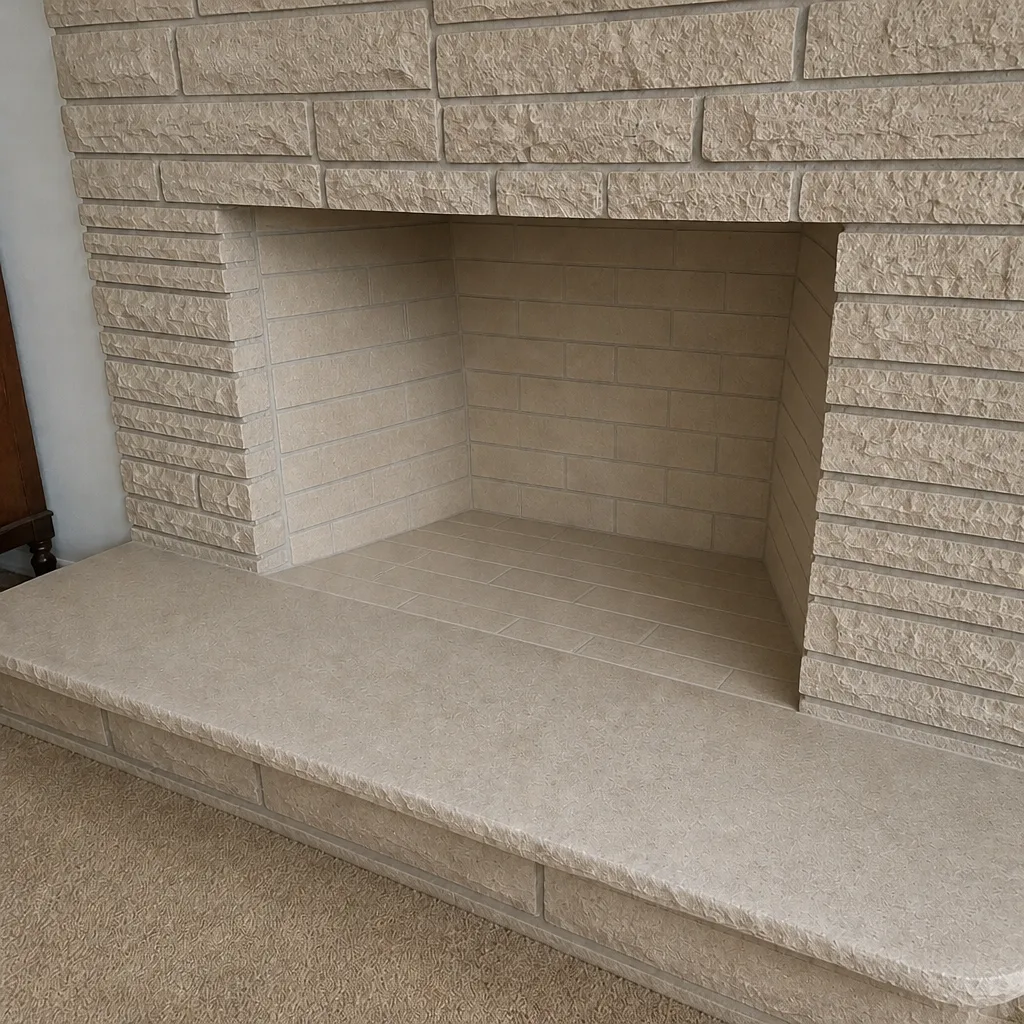
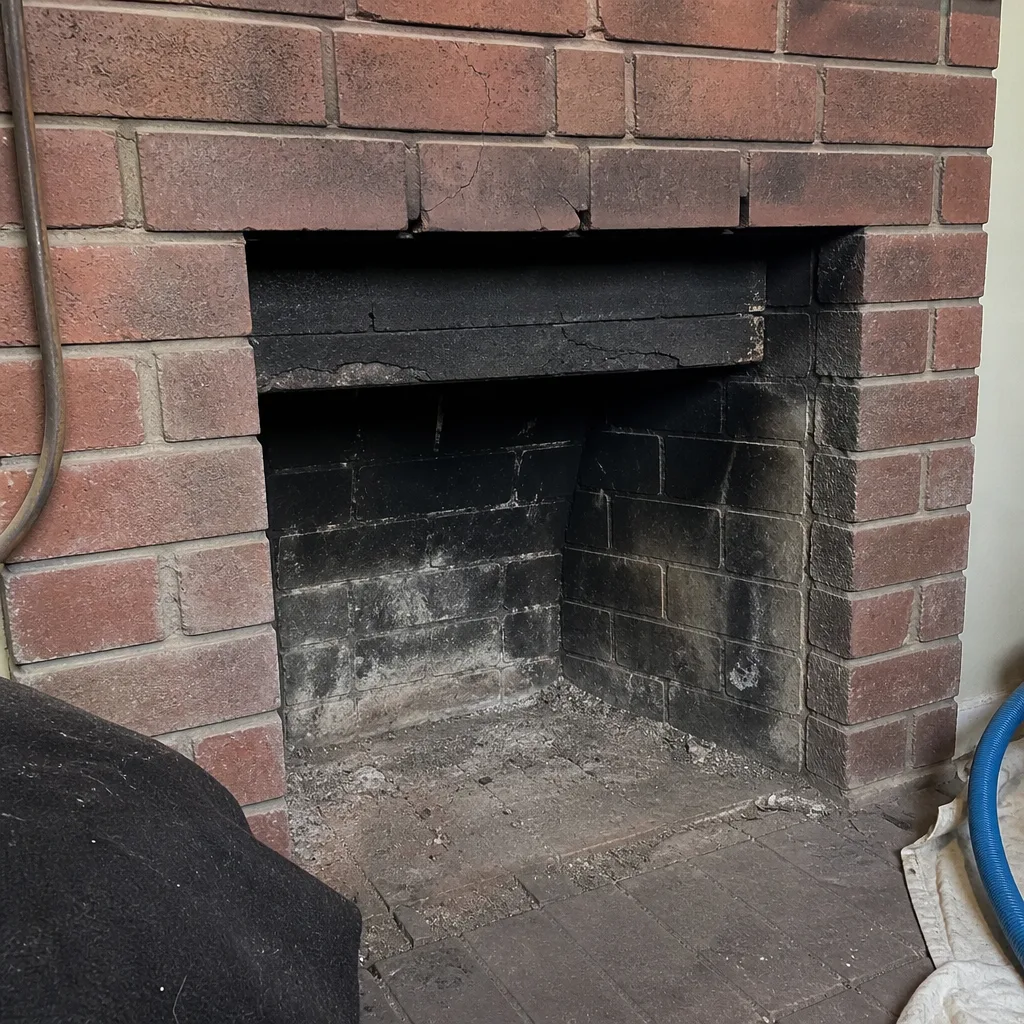
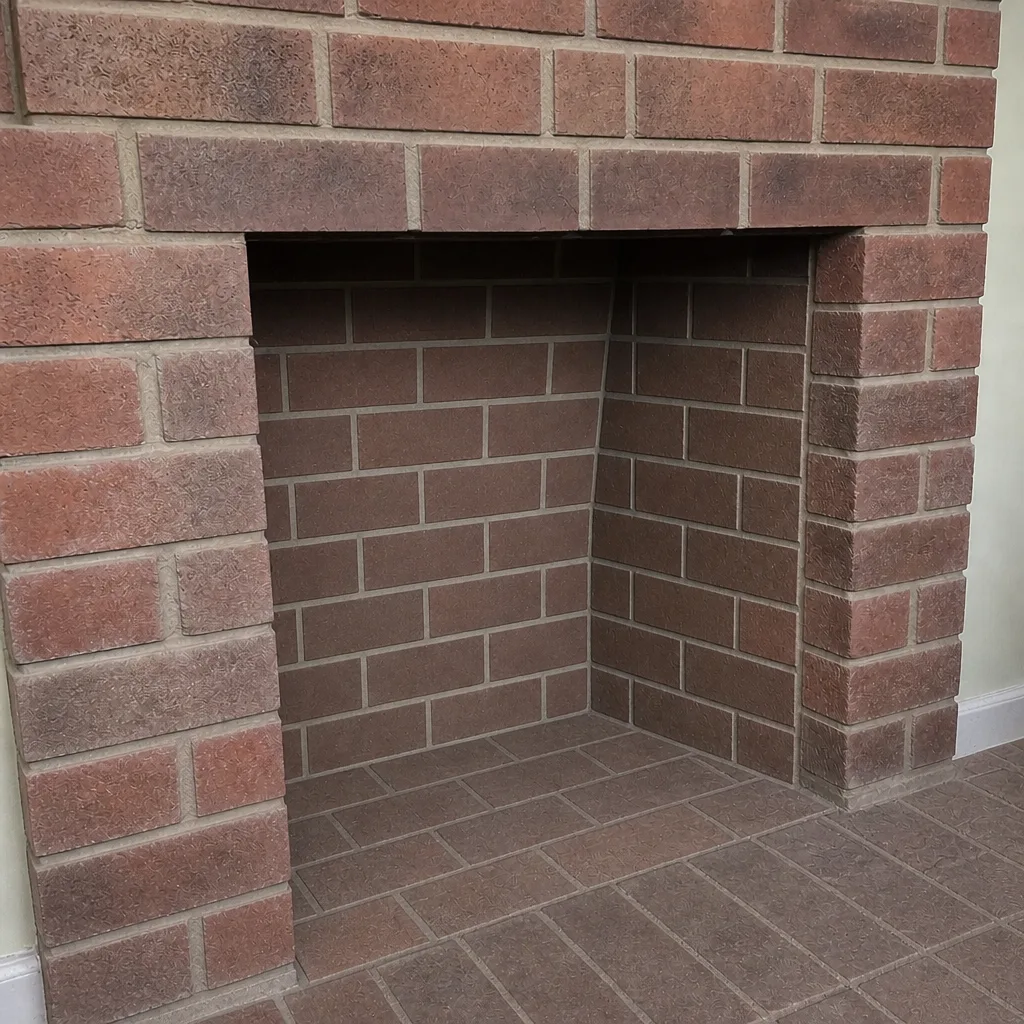
See the difference
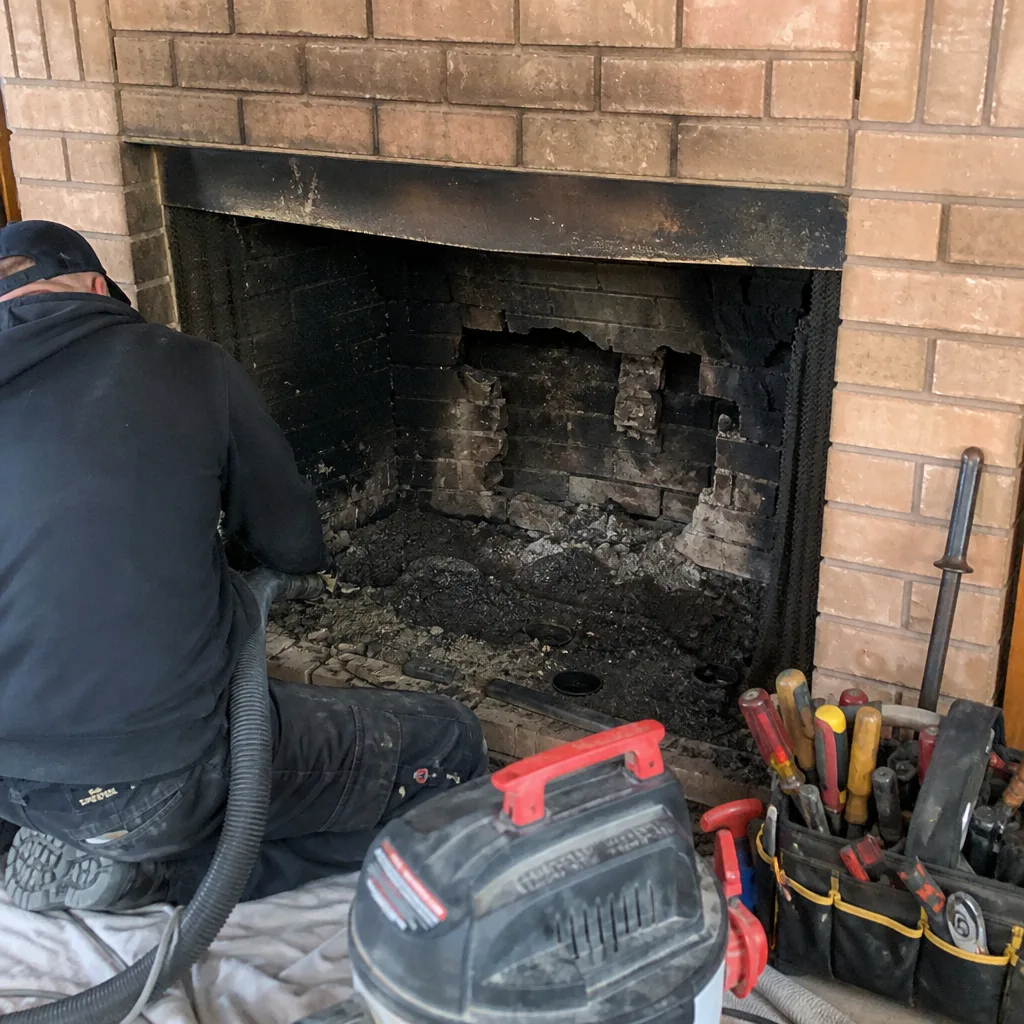 Before
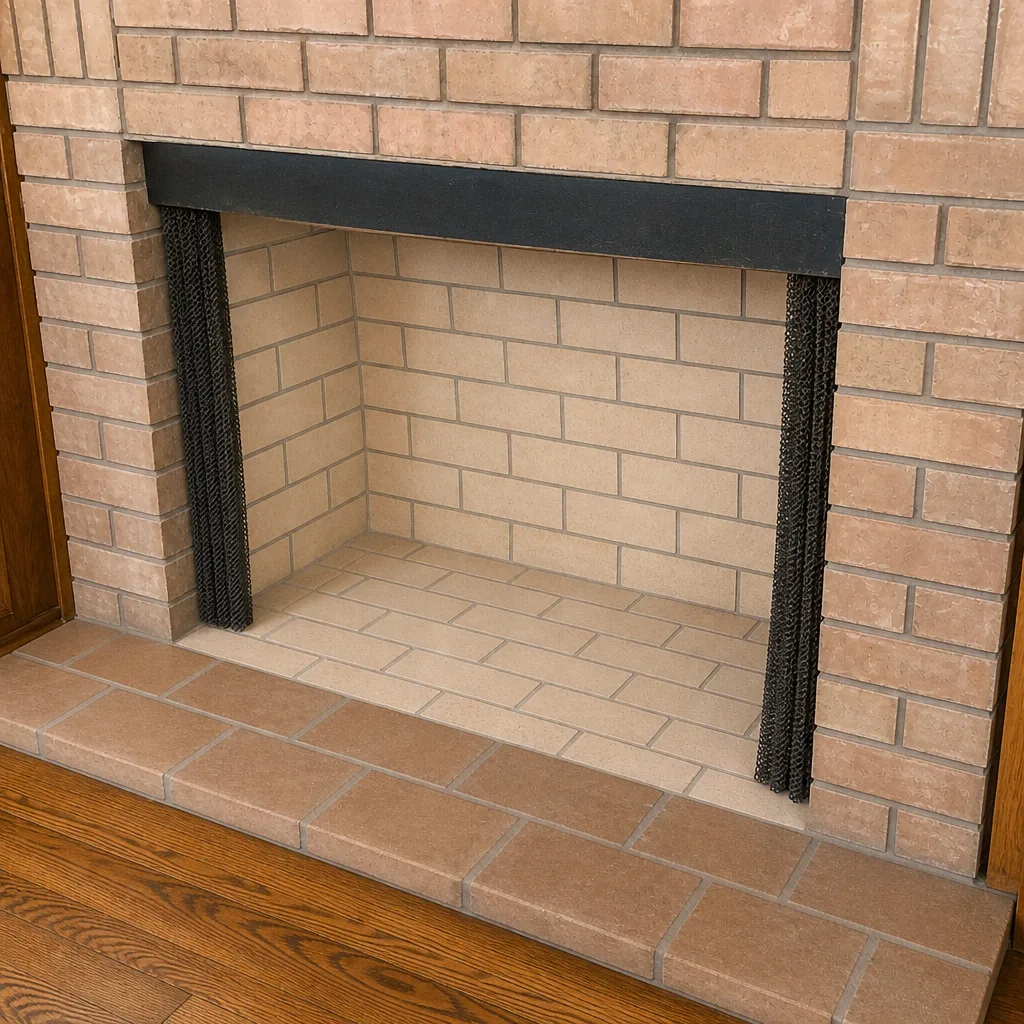 After
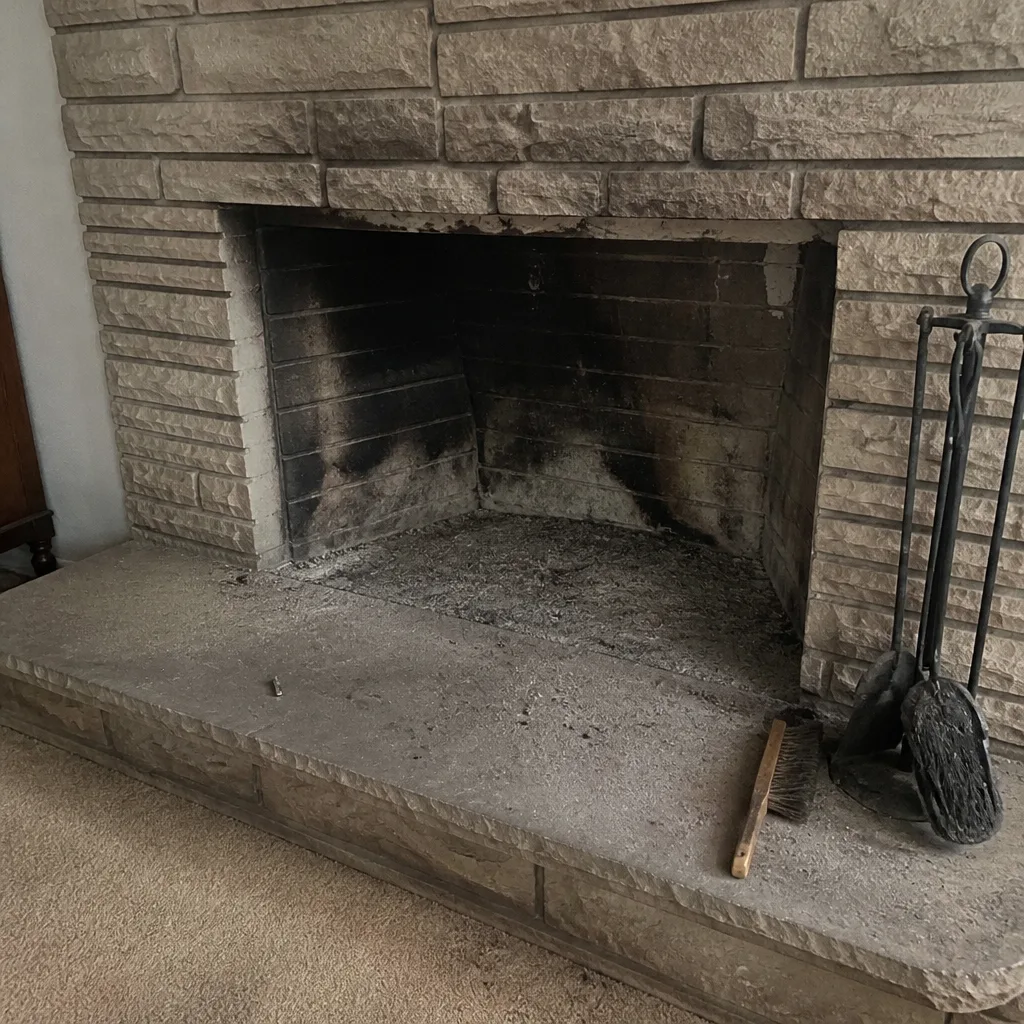 Before
 After
 Before
 After
Repair Cost Benchmarks: Liner, Crown, Damper, Cap
Sweeping is the cheap part of chimney ownership. Repairs are where the real numbers live, and where the material quality actually shows up in the price. Here are typical 2026 estimate ranges for the repairs we’re called out for most in Buckeye, plus what the material standard means for each one.
| Repair | Typical estimate range | What factors into it |
|---|---|---|
| Liner resurfacing (HeatShield) | $1,200 – $2,500 | Flue length, number of flue tiles repaired, access |
| Full flexible liner installation (DuraFlex) | $2,500 – $5,500 | Flue height, liner diameter, insulation, appliance type |
| Crown coat application | $350 – $800 | Crown size, perimeter, prep and sealing required |
| Damper replacement | $300 – $650 | Top-sealing vs. throat damper, access, fit |
| Cap and spark screen replacement (Famco, Olympia Chimney) | $200 – $500 | Cap style, size, fastening method, roof access |
Those numbers aren’t pulled from thin air. A liner resurfacing using HeatShield sits in a different cost bracket than a full reline because it repairs the existing flue from the inside rather than replacing it, and most general sweep services don’t offer it at all. When a flue is too damaged for resurfacing, a flexible DuraFlex liner system is the next step up, and that’s the job that separates a real chimney specialist from a surface-level cleaner. A cap from a brand like Olympia Chimney or Famco costs more up front than a generic cap, but it’s the piece that keeps water and wildlife out of the flue, which is the root cause of most of the repairs on this table.
On any repair quote, ask what material will be used and why. If the answer is a shrug, that’s your signal. Our chimney repair page walks through how we match material to the failure we actually find.
Why the Cheapest Quote Often Skips the Inspection
The cheapest quote almost always skips the Level 1 inspection. That omission saves the company time on the day, but it is not without cost to you, and the cost shows up later, usually at the worst possible moment.
During a home sale
Buyers’ inspectors in the Buckeye area routinely ask for documentation of the chimney’s condition. If the seller can only produce a receipt that says “chimney cleaned” with no notes on the flue condition, the buyer asks for a re-inspection, and that re-inspection comes out of the seller’s time and pocket. A cleaning with a proper Level 1 inspection and photo record prevents the problem before it starts.
During an insurance claim
If there’s ever a chimney fire or a water intrusion event, your insurer will want to see the maintenance history. A thin receipt doesn’t prove the chimney was being serviced. A proper inspection record with creosote stage notes and photos does. This is not a scare tactic. It’s how claims adjusters read chimney paperwork, and it’s why documentation matters as much as the sweep itself.
Practical protection
Ask any company three questions before booking:
- Does the price include a Level 1 inspection and a photo report?
- Will you check creosote stage and note it in writing?
- Will you flag anything that needs repair and quote it before you leave?
A fair company answers all three in the first sentence. A company that hesitates is signaling what you’re actually buying. There’s more detail on this in our guide to what Chimney Sweep Buckeye includes on every visit.
How to Read a Chimney Sweep Quote Line by Line
A quote is only useful if you can compare it to another one. Here’s how to break one down so you’re comparing equivalent work, not just a total at the bottom.
- Line 1: The cleaning. Confirm it names the specific appliance (fireplace, insert, or wood stove). A vague “chimney service” line is worth clarifying before you book.
- Line 2: The inspection. Look for “Level 1” specifically. If the inspection isn’t itemized or named, ask whether it’s included.
- Line 3: Camera inspection. This is often optional. If it appears as an add-on, ask whether it’s recommended or required, and why.
- Line 4: Cap handling. If a cap has to come off for access, is removal and reinstallation priced in or separate?
- Line 5: The report. Is documentation included, or is it a receipt with a check mark on it?
- Line 6: Repair estimate. If anything is found, is the quote for the repair separate and in writing, with material named?
Two quotes can both be honest and still be $150 apart because one includes a camera inspection you didn’t need and one includes a repair allowance the other doesn’t. The point of reading line by line is to know which line items are meaningful for your home in Buckeye and which are padding. Once you’ve done that a couple of times, the comparison gets faster.
One thing to ignore entirely when comparing: speed claims. A company promising same-day appointments is fine. A company promising “same-day and $99” is telling you it’s pricing by foot traffic, not by scope of work.
Building a Multi-Year Chimney Budget
Treating each chimney visit as a one-off surprise expense is the most expensive way to own a chimney. A modest, planned budget keeps the small stuff small and pushes off the big repairs. Here’s the framework we suggest to homeowners in Buckeye.
Year 1: baseline
Book a sweep and Level 1 inspection. Expect $150 to $350. Get the report. That report is your baseline for everything that follows.
Year 2: routine
If Year 1 showed a clean flue, a second-year sweep is enough. If your chimney is used daily during the winter, this is the year you’ll want to check creosote stage again. Budget another $150 to $350.
Year 3: repair allowance
By the third year, most chimneys have something that needs attention: a crown that’s cracked, a cap that’s lost a screw, a damper that doesn’t seat. Set aside $400 to $900 for small repairs, and get any quote in writing before work starts.
Year 4 and beyond: capital reserve
A liner resurfacing or full reline is not an annual expense, but when it happens it lands in the four-figure range. Setting aside a small amount each year so the repair isn’t a surprise is the whole game. Add $1,000 to $2,500 to your long-term plan as a liner reserve if your flue is older and the inspection notes early-stage deterioration.
If you use the fireplace heavily, moving to an annual sweep makes more sense than a two-year cycle. Soot and creosote build faster with more fires, and the $200-to-$275 visit is cheaper than the repair that a skipped year invites.
For a broader sense of the local market, our Buckeye page rounds up the neighborhood and housing context that shapes chimney work here.
Common Mistakes to Avoid
- Buying on price alone. A $99 quote usually excludes the inspection, the camera, and the report. You’ll pay for those later, either separately or in skipped maintenance.
- Not asking what material will be used for repairs. A generic cap or liner substitute costs less and fails faster. Ask whether the brand is named in the estimate.
- Skipping the inspection to save $50. The inspection is the actual product. The cleaning is the entry point. Skipping it because the sweep is scheduled anyway defeats the visit.
- Treating a “cleaned” slip as documentation. In Buckeye, when a home sale or an insurance question shows up, a receipt with no notes is worth very little. Ask for the photo report.
- Assuming creosote looks the same all year. Desert winters are mild, but home heating habits vary. Someone burning green wood or damping fires down will glaze the flue faster than their neighbor, and the price of a sweep reflects how hard the cleaning actually is.
- Waiting until something goes wrong. A chimney that hasn’t been inspected in several years is the one that costs the most to fix. Regular sweeps catch crown and cap failures before water gets in.
- Letting one company both clean and diagnose without comparison. That’s fine if you trust the company. It’s a mistake if you don’t know what the diagnosis means, which is why the report matters as much as the recommendation.
When to Call a Professional
Some jobs are safe to defer. Some are not. Call a professional if you smell creosote in warm weather, if smoke rolls back into the room when you light a fire, if you see cracked flue tiles, or if the chimney hasn’t been inspected in more than two years. A blocked or damaged flue is a carbon monoxide risk, and that’s not something to eyeball from the hearth. If your cap is missing or damaged, the fix is straightforward but the delay isn’t, since water and animals find the opening fast. If you’re buying or selling a home in Buckeye and the buyer’s inspector flagged the chimney, get it documented before the deal negotiation, not after.
Chimney Sweep Buckeye offers free estimates in Buckeye – call (866) 378-9837. We answer 24/7. Fast dispatch from 7am to 7pm, Sunday through Friday. Our technicians have up to 15 years of experience, and we handle sweep, inspection, and repair with the brands chimney specialists actually use, including DuraFlex, HeatShield, Gelco, Olympia Chimney, Famco, and Copperfield.
Frequently Asked Questions
A standard chimney sweep in Buckeye typically runs $150 to $350, with most homes landing between $200 and $275. That range should include a Level 1 inspection and a written or photo report. Call (866) 378-9837 for an exact quote – estimates are free.
Only if the flue itself is damaged beyond what resurfacing can repair. A HeatShield resurfacing handles many liner problems at a fraction of the cost of a full DuraFlex reline, so a new liner is often the last option, not the first. Nothing should be recommended until you’ve seen the camera evidence yourself. Call (866) 378-9837 for an exact quote – estimates are free.
Once a year if you burn wood regularly, and every two years for occasional use with a clean inspection record. The Arizona heating season is short, but the flue still builds creosote during it, and an annual sweep keeps small problems from turning into liner work. Call (866) 378-9837 for an exact quote – estimates are free.
Creosote builds up, the flue loses draft, and the next fire is harder to light with more smoke in the room. The serious risk is a chimney fire or carbon monoxide backing into the home, both of which are far more likely with a dirty or blocked flue. Call (866) 378-9837 for an exact quote – estimates are free.
A camera inspection is usually recommended when the sweep finds something a visual check can’t settle: a cracked tile, a hidden obstruction, or an irregular section of flue. If your chimney hasn’t been inspected in a while, it’s a reasonable line item. If it’s pushed as routine without a reason, ask why. Call (866) 378-9837 for an exact quote – estimates are free.
You can ask, but you shouldn’t skip it. The inspection is how a technician confirms the flue is safe to use after cleaning, and it’s the piece of the visit that carries the most value if you ever need to document condition for a sale or an insurance claim. Call (866) 378-9837 for an exact quote – estimates are free.
The Bottom Line
A chimney cleaning in Buckeye is a scoped job, not a flat fee, and the honest price depends on access, appliance type, creosote stage, and whether the inspection and report are included. Expect $150 to $350 for the sweep, with repairs quoted separately and set in writing. The winning quote isn’t the cheapest one. It’s the one you can read line by line and see the inspection, the documentation, and the material brand right there. If a quote leaves any of those out, you’re not saving money. You’re paying for it later.
Ready to compare a real quote against the ranges in this guide? Call (866) 378-9837 for a free estimate. We answer 24/7. Fast dispatch from 7am to 7pm, Sunday through Friday.
Written by the team at Chimney Sweep Buckeye.